
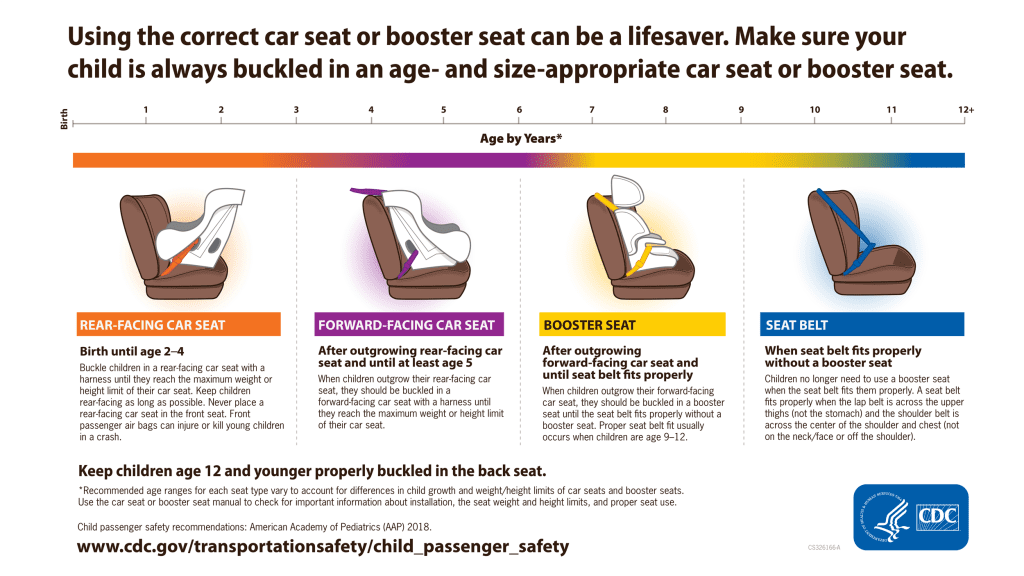
You want to keep your child safe every time they ride in the car. But when is the right time to turn your little one to face forward in their car seat?
Making this decision can feel confusing and stressful. The truth is, getting the timing right can protect your child from serious injuries in a crash. You’ll learn exactly when to switch your child from rear-facing to forward-facing. Understanding these key moments will give you confidence and peace of mind every time you buckle them in.
Keep reading to discover what experts say and how to make the safest choice for your child’s car seat.
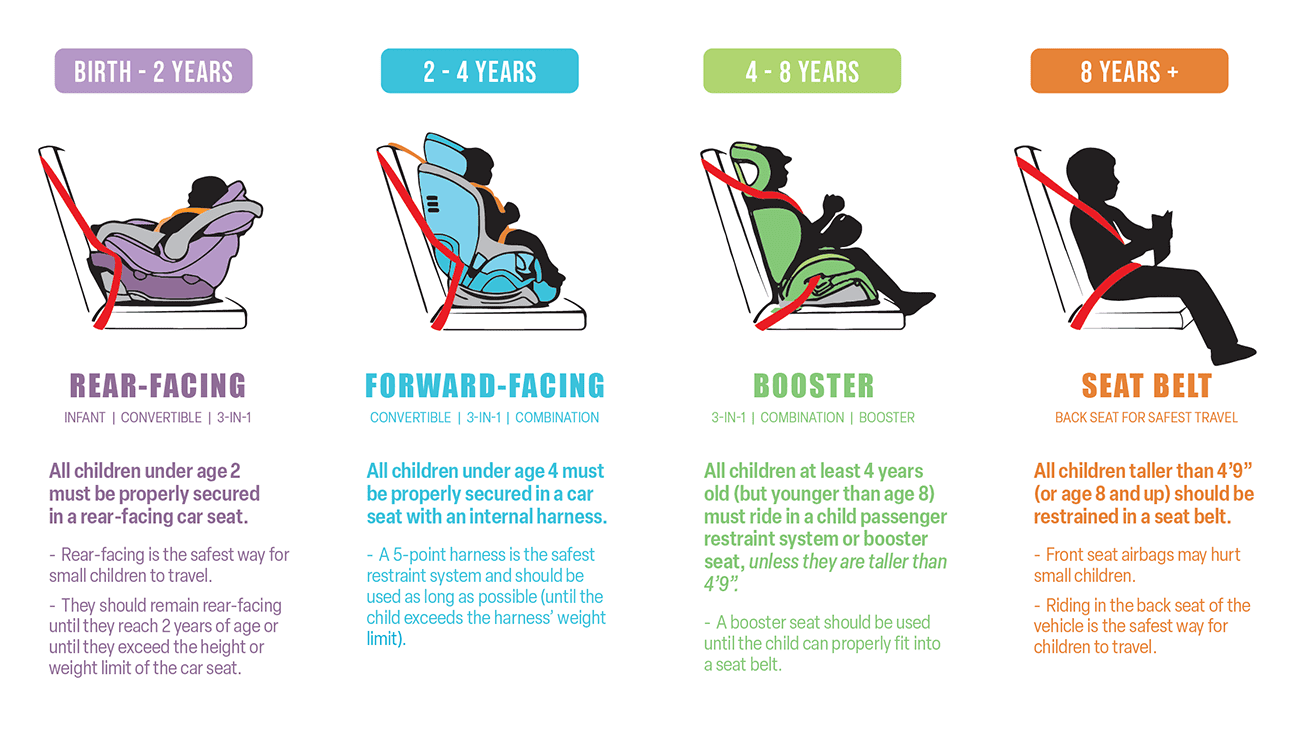
Credit: www.choctawnation.com
Rear-facing Benefits
Choosing when to switch your child to a forward-facing car seat is a big decision that affects their safety on every trip. Keeping your child rear-facing for as long as possible offers important benefits that many parents might not realize. Understanding these benefits can help you feel confident about what’s best for your child’s protection.
Safety Advantages
Rear-facing car seats provide the best protection for a child’s head, neck, and spine during a crash. Because a child’s body is more fragile, facing the rear helps distribute the crash forces evenly across their back.
Studies show that children in rear-facing seats are up to five times safer in frontal crashes compared to forward-facing seats. Imagine your child’s head and neck being cushioned by the car seat instead of being thrown forward—this reduces the risk of serious injury dramatically.
Have you noticed how toddlers naturally tuck their heads forward when they sleep? Rear-facing seats support this natural position, which adds comfort and safety during long rides.
Age And Weight Guidelines
Experts recommend keeping your child rear-facing until at least 2 years old, but many car seats allow rear-facing up to 40 pounds or more. This means your child can safely ride rear-facing well beyond their first birthday.
Check your car seat’s manual to find the exact weight and height limits for rear-facing use. Many modern seats have higher limits, giving you more flexibility to keep your child rear-facing longer.
Have you ever wondered why some parents switch their kids forward-facing too early? It’s often due to space or comfort concerns. But knowing your seat’s guidelines and planning ahead can help you avoid that premature switch.
Transitioning To Forward-facing
Transitioning your child from a rear-facing to a forward-facing car seat is a big step. It’s about keeping them safe while giving them more room to grow. Knowing exactly when to make this change can protect your child and give you peace of mind during every ride.
Recommended Age
Experts suggest keeping kids rear-facing as long as possible, usually until at least 2 years old. Many children feel more comfortable facing forward around ages 2 to 4, but age alone shouldn’t be the only factor. Have you noticed your child’s comfort or restlessness in the car? That can be a sign it’s time to consider forward-facing.
Weight And Height Limits
Every car seat has specific limits for weight and height. Typically, forward-facing seats accommodate children who weigh at least 20 pounds and are under 65 pounds. Check your car seat’s manual closely—it’s the best guide to know when your child has outgrown the rear-facing position.
Ignoring these limits can reduce your child’s protection in a crash. Remember, safety rules change as your child grows, so regular checks are essential. Are you keeping track of your child’s growth and car seat guidelines together?
Choosing The Right Car Seat
Choosing the right car seat is vital for your child’s safety during every trip. The switch from rear-facing to forward-facing happens at the right time and with the proper seat. Understanding the types of forward-facing seats helps you pick the best option. Proper installation also ensures the seat works as designed. Both choice and setup matter for your child’s protection.
Types Of Forward-facing Seats
Forward-facing car seats come in several styles. Each suits different ages and sizes.
- Convertible Seats:These seats grow with your child. They start rear-facing and convert forward-facing later.
- Combination Seats:Used after forward-facing phase. They switch from harness mode to a booster seat.
- Harness-Only Seats:Designed specifically for forward-facing with a five-point harness.
Choose a seat that fits your child’s height and weight. Follow the car seat manual for limits and guidelines.
Installation Tips
Secure installation is key to effective protection. Use either the seat belt or LATCH system to install the seat firmly.
- Read the car seat manual carefully before installing.
- Place the seat at the correct angle as instructed.
- Check that the seat does not move more than one inch side to side or front to back.
- Ensure the harness fits snugly over your child’s shoulders.
- Have your installation checked by a certified technician if possible.
Proper installation reduces injury risk during sudden stops or crashes.
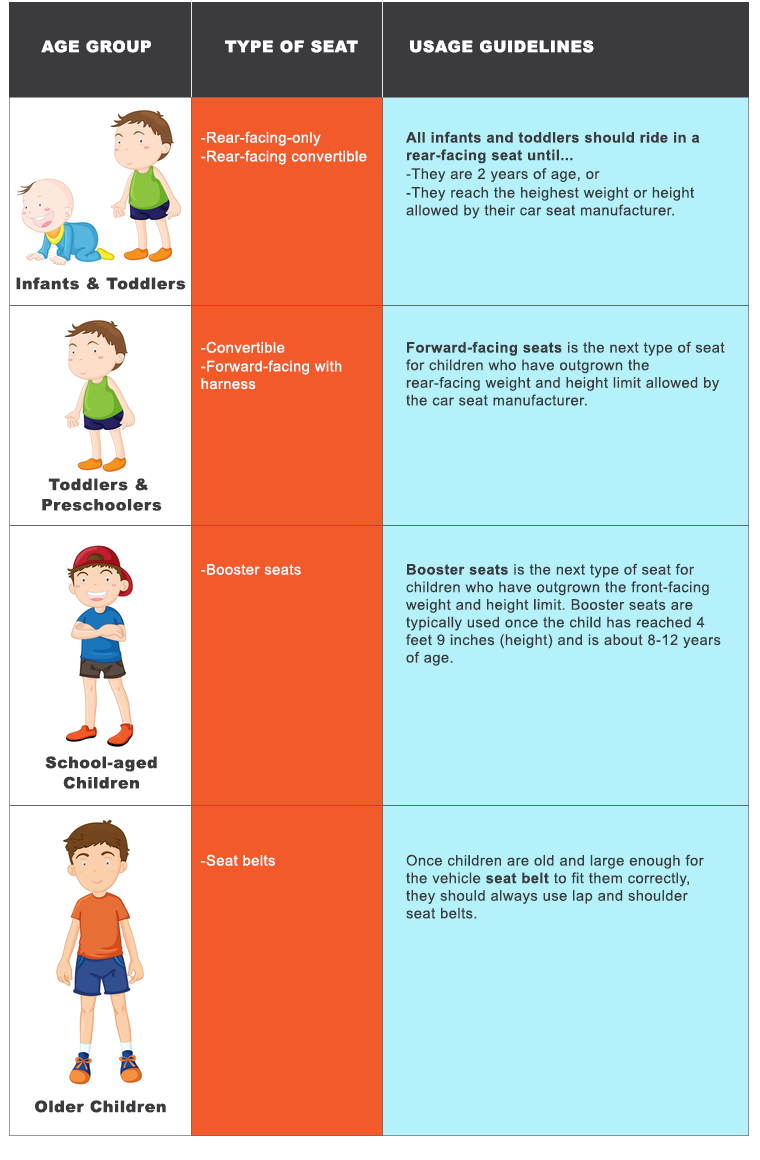
Credit: medium.com
Common Mistakes To Avoid
Knowing when to switch your child to face forward in their car seat is crucial, but equally important is avoiding common mistakes that can put your little one at risk. Many parents make simple errors without realizing the potential consequences. Let’s look at some frequent missteps and how you can steer clear of them to keep your child safe and comfortable.
Incorrect Harness Use
One of the biggest mistakes is not using the harness properly. The straps should be snug and lie flat without twists. Loose harnesses can allow too much movement, increasing injury risk during sudden stops.
Make sure the harness clip is at armpit level. If it’s too high or too low, it won’t hold your child securely. Have you checked your harness after every trip? It’s easy to forget, but these small adjustments make a huge difference.
Premature Transition Risks
Switching your child to a forward-facing seat too early can be dangerous. Rear-facing seats offer better protection for the head, neck, and spine in crashes. Experts recommend keeping kids rear-facing until at least 2 years old or until they reach the seat’s height and weight limits.
Think about your child’s size, not just their age. Some kids hit the limits earlier, while others are safe rear-facing longer. Are you rushing the transition because your child wants to face forward? Remember, their safety comes first, even if it means a few unhappy moments.
Legal Requirements By Region
Choosing the right time for kids to face forward in a car seat is essential. Legal requirements vary by region, impacting when parents can make this transition. Understanding these laws ensures safety and compliance.
United States Regulations
In the United States, car seat laws differ by state. Most states require children to be rear-facing until age two. Some states extend this requirement based on weight or height. Parents should consult their state’s specific guidelines. This ensures they meet legal standards and protect their children.
International Standards
Globally, car seat regulations vary widely. In Europe, many countries follow the ECE R44/04 or R129 standards. These guidelines often advise rear-facing seats until 15 months old. Australia mandates rear-facing seats until at least 6 months. Knowing international rules helps families traveling abroad stay compliant.
Additional Safety Tips
Keeping children safe in the car goes beyond choosing the right car seat. Extra care and attention to detail help protect your child better. Simple actions can reduce risks during travel. Follow these safety tips to ensure your child stays secure every ride.
Proper Seat Belt Positioning
Seat belts must fit your child correctly for maximum safety. The lap belt should lie low across the hips. The shoulder belt must rest snugly across the chest, not the neck or face. Avoid twisting or slack in the belts. A tight fit prevents injury in sudden stops or crashes.
Regular Car Seat Checks
Check the car seat often to ensure it remains safe. Look for loose straps or buckles that don’t fasten well. Make sure the seat is securely attached to the vehicle. Inspect for any damage or wear that could affect protection. Adjust the harness as your child grows to keep the fit tight and safe.
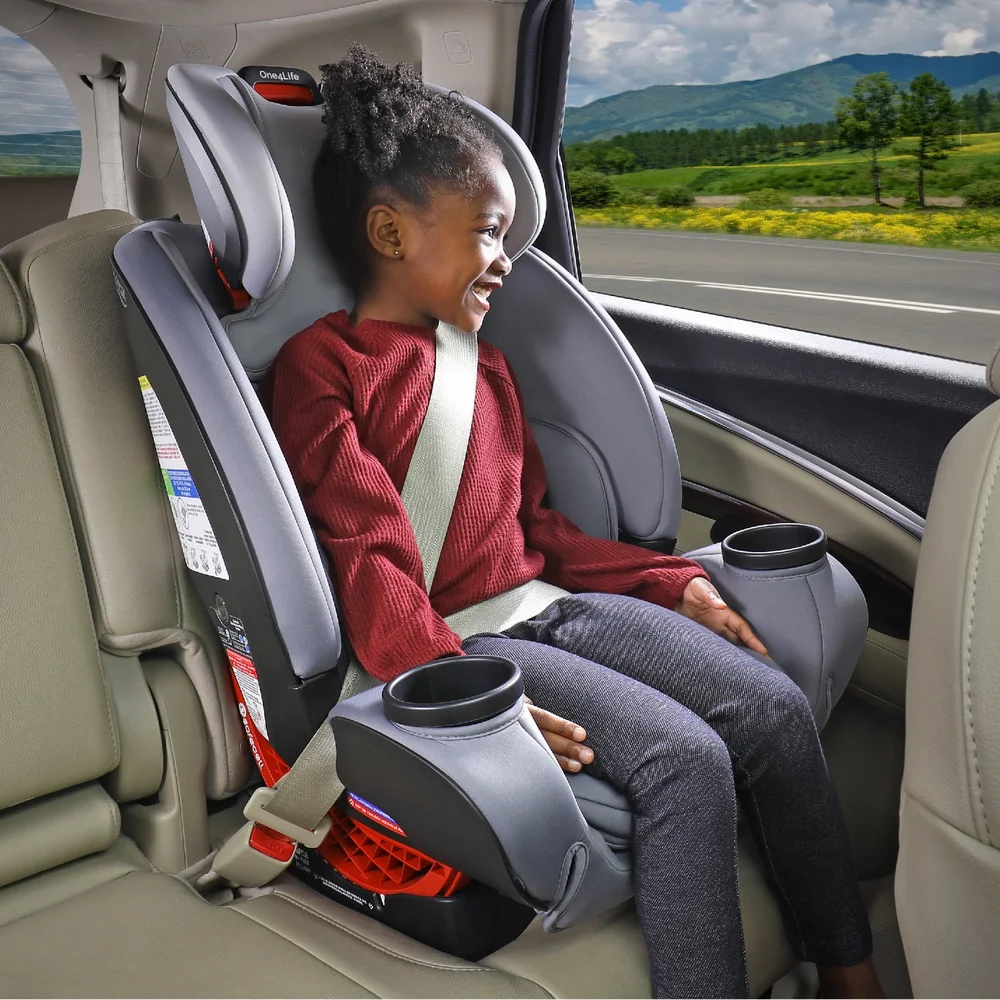
Credit: www.upgrademystatus.com
Frequently Asked Questions
When Is It Safe For Kids To Face Forward In A Car Seat?
Children can face forward once they outgrow rear-facing limits. Typically, this is after age 2 or when they exceed height or weight limits set by the car seat manufacturer. Rear-facing seats offer better protection for toddlers’ heads and necks in crashes.
Why Is Rear-facing Recommended Longer For Toddlers?
Rear-facing seats better support a child’s head, neck, and spine during collisions. This position distributes crash forces more evenly. Experts advise keeping children rear-facing as long as possible within car seat limits for optimal safety.
What Are The Height And Weight Limits For Forward-facing Seats?
Forward-facing seats usually have weight limits between 20 to 65 pounds and height limits around 40 to 49 inches. These vary by model. Parents should check their car seat manual to ensure children meet the specific forward-facing criteria.
Can Premature Or Smaller Kids Face Forward Earlier?
Premature or smaller kids should remain rear-facing longer if possible. Their bodies are more fragile, and rear-facing offers better protection. Always follow car seat guidelines and consult your pediatrician if unsure about timing.
Conclusion
Choosing the right time to turn your child’s car seat forward is important. Kids stay safer facing backward for as long as possible. Most experts say to switch when your child is at least two years old. Also, they should meet the height and weight limits of the car seat.
Always read the car seat manual for guidance. Remember, safety comes first on every ride. Taking these steps helps protect your child well on the road. Keep your child secure and enjoy peace of mind while driving.