
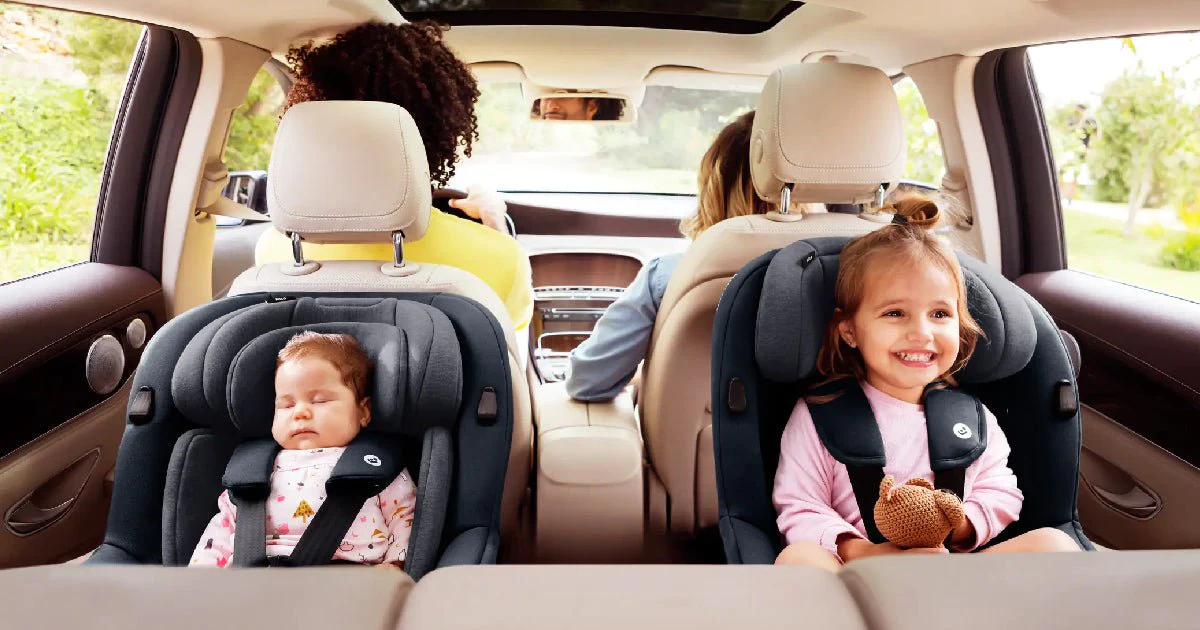
You want the best for your baby’s safety, especially when it comes to car rides. But you might be wondering: When is the right time to turn your baby’s car seat to face forward?
Making this decision isn’t just about convenience—it can affect your child’s well-being on every trip. You’ll discover the key signs and expert advice that will help you know exactly when your baby is ready. Keep reading to ensure your little one stays as safe as possible every time you hit the road.
Credit: www.greensafaris.com
Rear-facing Car Seat Benefits
Using a rear-facing car seat offers crucial safety benefits for babies. It supports their fragile bodies during car rides. This position helps protect their head, neck, and spine better than facing forward.
Experts recommend keeping infants rear-facing as long as possible. This setup cushions the impact of sudden stops or crashes. Understanding these benefits can help parents make informed choices.
Enhanced Protection For Infants
Babies have weak neck muscles and soft bones. Rear-facing seats spread crash forces across the entire back. This reduces stress on vulnerable areas like the neck and head. The seat acts like a shield that absorbs shock.
Rear-facing seats also keep the baby’s head from snapping forward. This reduces the chance of brain and spinal injuries. It is the safest position for infants under two years or until they reach the seat’s height limit.
Reduced Risk Of Injury
Research shows rear-facing seats lower injury risk by up to 75%. They protect the baby’s vital organs by supporting the full body. In frontal crashes, the baby’s body moves with the seat instead of jerking forward.
This prevents severe injuries to the spine and head. Rear-facing seats reduce the risk of broken bones and internal injuries. Choosing this position means choosing the best possible protection for babies.

Credit: incarsafetycentre.co.uk
Recommended Age And Weight Limits
Choosing the right time for babies to face forward in a car seat is crucial for safety. Parents should consider both age and weight limits before making this change. Following recommended guidelines keeps children secure during every ride.
Current Safety Guidelines
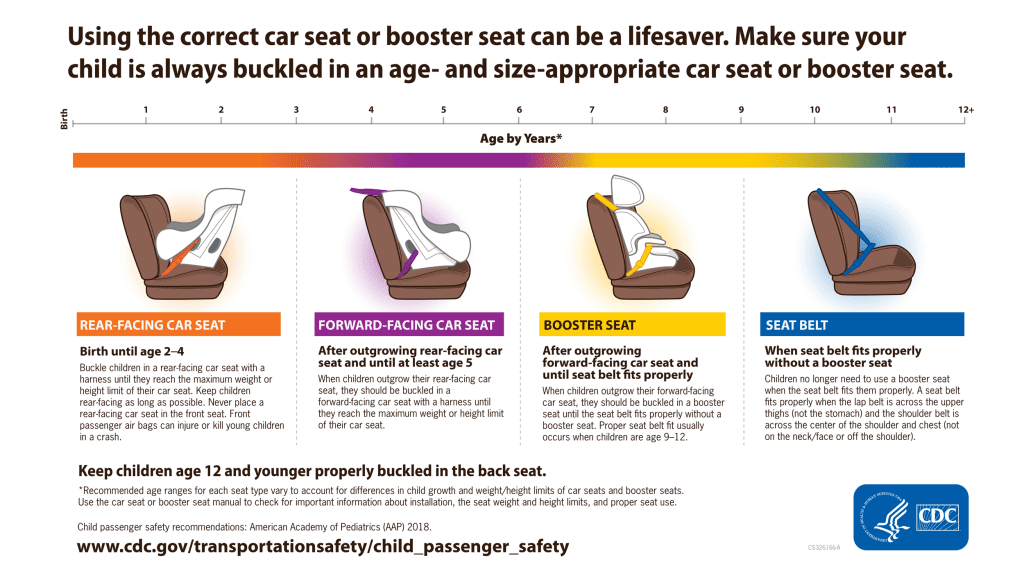
Experts advise keeping babies rear-facing as long as possible. The American Academy of Pediatrics suggests children stay rear-facing until at least 2 years old. Some safety groups recommend even longer if the car seat supports it.
Rear-facing seats protect the head, neck, and spine better in crashes. Turning a child forward too soon increases injury risk. Weight limits also play a role. Many car seats have rear-facing weight limits around 40 pounds.
Manufacturer Specifications
Always check the car seat manual for specific age and weight rules. Each model differs in when it allows forward-facing use. Some seats support rear-facing up to 50 pounds or more.
Following manufacturer instructions ensures the seat performs as designed. Ignoring these limits can void warranties and reduce safety. Keep the child within the stated height and weight range for proper fit.
Signs Baby Is Ready To Face Forward
Knowing when your baby is ready to face forward in their car seat is important for their safety and comfort. Every child develops at their own pace, so watching for specific signs can help you make the right decision. Below are key indicators that show your baby might be ready for this next step.
Physical Development Milestones
Your baby’s body needs to be strong enough to handle facing forward. One clear sign is when your baby can sit up well without support. This shows their neck and back muscles are developing properly.
Look for these milestones:
- Head control:Your baby can hold their head steady for several seconds while sitting.
- Stable torso:They can sit upright without slumping or leaning heavily to one side.
- Weight and height:Meeting the car seat manufacturer’s minimum requirements is crucial.
I remember watching my baby struggle to keep their head up during a car ride. It was a clear sign we needed to wait before turning the seat forward. Don’t rush—safety comes first.
Behavioral Indicators
Your baby’s reactions can tell you a lot. If they seem uncomfortable or fussy in the rear-facing position, it might be time to consider facing forward. Comfort is a good clue that their body is ready.
Watch for these behaviors:
- Reduced fussiness during car rides
- Showing curiosity by looking around more actively
- Trying to lean or twist to see things ahead
Have you noticed your baby turning their head frequently to see out the window? This natural curiosity might mean they are ready for a change. Always combine behavior with physical readiness for the safest choice.

Credit: orbitbaby.com
Transitioning Safely To Forward-facing
Transitioning your baby to a forward-facing car seat is a big step. It requires careful attention to safety rules and proper setup. This change should happen only when your child meets the height and weight limits set by the car seat manufacturer. Keeping the baby safe during and after the switch is the top priority.
Every car seat is different. Understanding how to install it correctly and adjust the harness can prevent accidents and injuries. Parents should take time to learn these steps before facing forward travel begins.
Proper Installation Tips
- Read the car seat manual fully before installation.
- Place the car seat in the back seat, away from airbags.
- Use the vehicle’s seat belt or LATCH system for securing the seat.
- Ensure the car seat base is tightly installed with less than one inch of movement.
- Check that the seat reclines at the angle recommended by the manufacturer.
- Double-check installation every time before driving.
Harness Adjustment
- Position the harness straps at or above your child’s shoulders.
- Ensure the straps lie flat without twists.
- Secure the chest clip at armpit level for best protection.
- Tighten the harness so you cannot pinch any slack at the shoulder.
- Adjust harness height as your child grows, following the car seat guide.
Common Mistakes To Avoid
Ensuring your baby’s safety in the car is crucial. Parents often make mistakes when deciding when to turn the car seat forward. Knowing these common mistakes helps keep your baby safe.
Moving Too Soon
Some parents turn the car seat forward too early. Babies should remain rear-facing until at least age two. This position protects their neck and spine in a crash. Always check the seat’s weight and height limits before switching.
Incorrect Seat Positioning
Positioning the seat incorrectly can be dangerous. The car seat should be tightly secured. It should not move more than an inch side-to-side or front-to-back. Ensure the seat is at the correct angle. Most seats have indicators to help with this.
Additional Safety Tips For Car Seats
Car seats protect babies during every trip. Parents must keep safety a top priority beyond just the direction the seat faces. Proper care and correct use of the car seat can reduce injury risks significantly. Follow these safety tips to ensure your child’s protection on the road.
Regular Seat Checks
Inspect the car seat often for any signs of wear or damage. Check the straps and buckles to make sure they work well. Clean the seat regularly to keep it free of dirt and debris. Tighten the seat installation in the car to prevent movement. A loose seat can be dangerous in a crash.
Using Booster Seats Appropriately
Booster seats are for children who outgrow their forward-facing seats. Make sure your child meets the height and weight requirements before switching. The booster seat helps the seat belt fit correctly. Use the lap belt low on the hips and the shoulder belt across the chest. Never use a booster seat without a proper seat belt.
Frequently Asked Questions
When Is It Safe For Babies To Face Forward In Car Seats?
Babies can face forward once they reach the minimum weight and height specified by the car seat manufacturer, usually around 2 years old. Always follow safety guidelines and keep your child rear-facing as long as possible for optimal protection.
Why Should Babies Stay Rear-facing Longer?
Rear-facing seats better support a baby’s head, neck, and spine during a crash. This position reduces injury risk and is recommended until at least age 2 or until the car seat’s limits are reached.
What Are The Risks Of Early Forward-facing?
Turning a baby forward-facing too soon increases injury risk in collisions. The baby’s fragile neck and spine are less supported, making rear-facing the safest option for as long as possible.
How Do I Know If My Baby Is Ready For Forward-facing?
Check your car seat’s weight and height limits. Your child should meet or exceed these, and be at least 2 years old before switching to forward-facing.
Conclusion
Babies should stay rear-facing as long as possible for safety. Most experts say at least until age two. This position protects their head and neck better in crashes. Always check your car seat’s weight and height limits. Switch to forward-facing only when your child outgrows rear-facing.
Remember, safety matters more than convenience. Follow the rules carefully to keep your child safe on every ride. Trust your instincts and ask a doctor if unsure. Safe travel makes happy journeys for both you and your baby.