
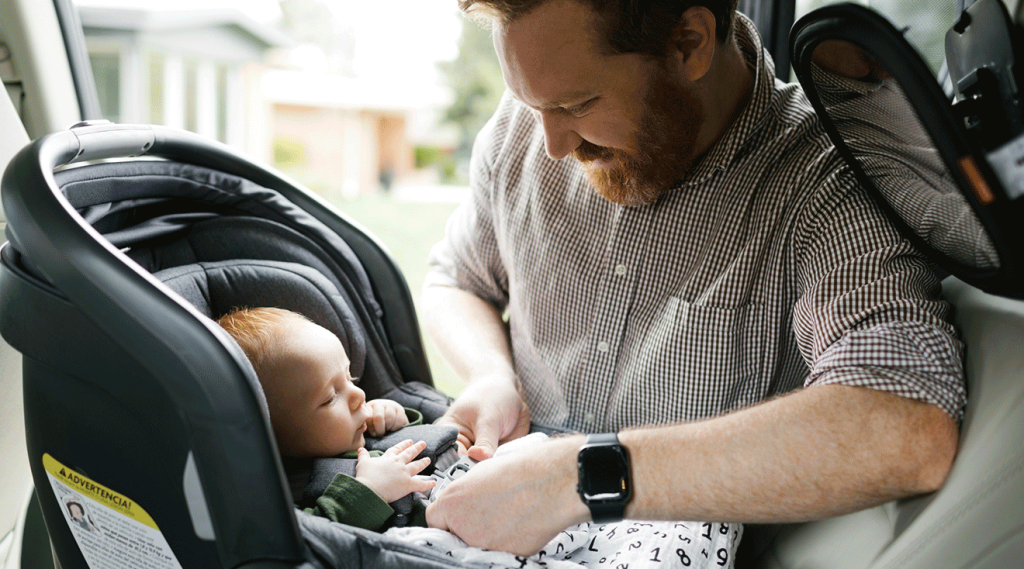
You want to keep your baby safe every time you hit the road. But how do you know when your little one has outgrown their infant car seat?
It’s a question every parent faces, and the answer isn’t always clear. Using the right seat at the right time can protect your child from serious injury. Keep reading to learn the signs that show your baby is too big for their infant car seat—and what to do next to keep them safe and comfortable.
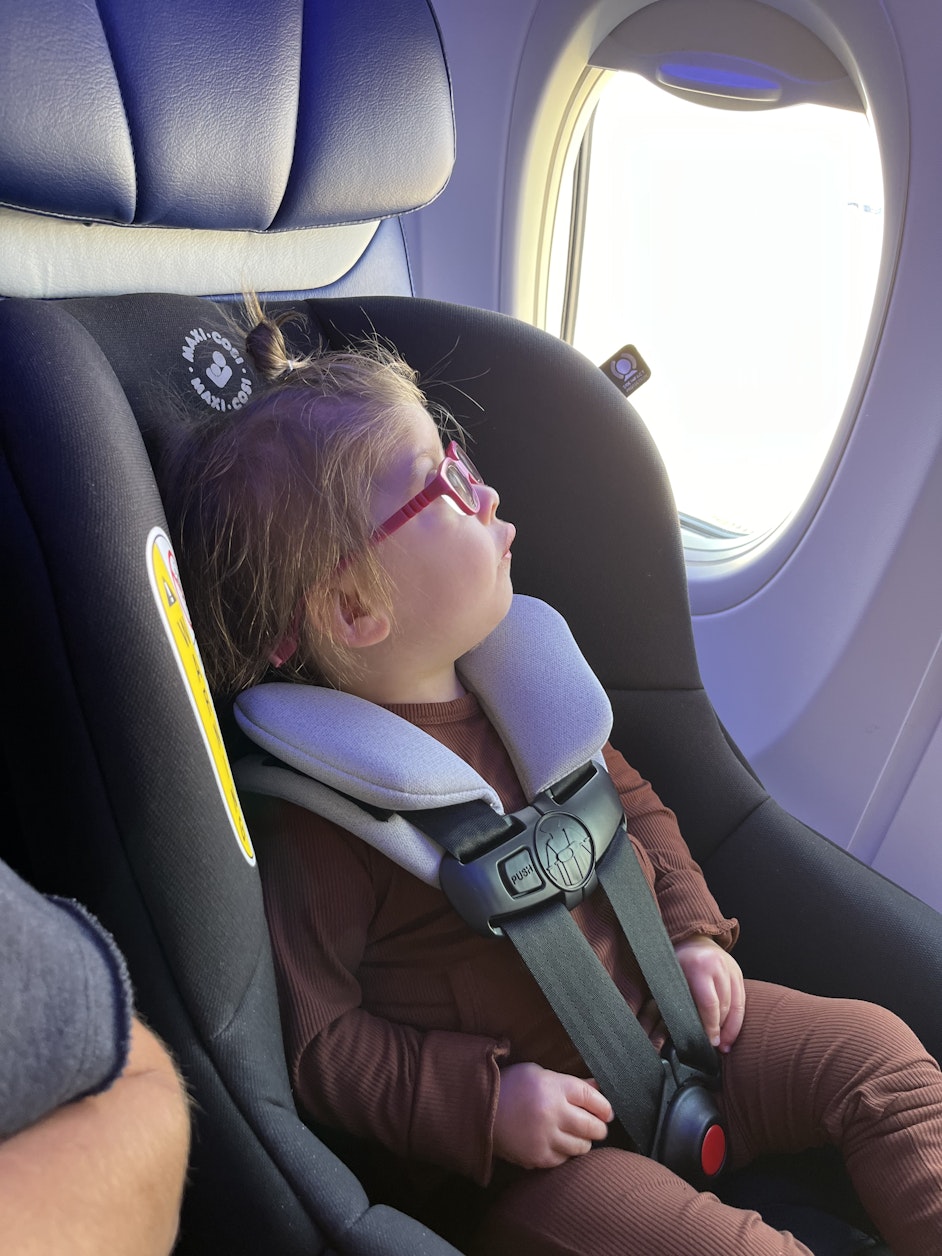
Credit: www.safeintheseat.com
Infant Car Seat Weight Limits
Infant car seat weight limits are crucial for your baby’s safety. Each car seat has a specific weight range it supports. Staying within this range ensures proper protection during travel. Exceeding these limits can be risky and reduce the seat’s effectiveness.
Standard Weight Ranges
Most infant car seats support babies from 4 to 35 pounds. Some models have lower or higher limits, so check your seat’s label. The weight limit includes your baby and any clothing or blankets. Always use the seat according to the manufacturer’s guidelines.
- Minimum weight: usually 4 pounds
- Maximum weight: varies, often around 30-35 pounds
- Height limits also apply alongside weight limits
Impact Of Exceeding Limits
Using a car seat beyond its weight limit can cause serious problems. The harness may not fit correctly, risking injury during a crash. The seat’s structure might fail to protect your baby properly. It also voids the car seat’s warranty and safety certification.
Switching to a convertible or toddler seat is safer once your baby outgrows the infant seat. Keep your baby secure and comfortable by respecting weight limits.
Height Restrictions For Infant Seats
Height restrictions are crucial for infant car seats to keep babies safe. Each seat has a maximum height limit set by the manufacturer. Exceeding this limit means the seat may no longer protect your child properly. Paying attention to height helps prevent injury during sudden stops or crashes.
Parents should regularly measure their baby’s height to ensure the seat still fits. Using an infant car seat beyond height limits can be dangerous. Knowing when height becomes a concern allows parents to switch to a suitable car seat on time.
Measuring Your Baby’s Height
Use a soft tape measure or a ruler to check your baby’s height. Lay your baby flat on a surface and measure from head to heel. Record this measurement accurately. Repeat every few weeks to track growth. Compare your baby’s height to the seat’s maximum limit. This simple step helps you know when to change seats.
When Height Becomes A Concern
Height becomes a concern when your baby reaches or nears the seat’s maximum height. The baby’s head may be too close to the top of the seat or straps. This can reduce protection in a crash. If the head touches the top or the straps are too tight, it is time to stop using the infant seat. Switching to a convertible car seat is often the next step. Following these guidelines keeps your child safe on every trip.
Signs Your Baby Has Outgrown The Seat
Knowing when your baby has outgrown their infant car seat is important for safety. Babies grow fast, and their comfort and security can change quickly. Certain signs help you decide if it is time to switch to a bigger seat. Watch closely for these clues to keep your child safe on every ride.
Straps And Harness Fit
The straps should be snug but not too tight. If you cannot tighten them enough to hold your baby securely, the seat is too small. The harness straps should lie flat and not twist. When the straps sit below your baby’s shoulders, it means they have outgrown the seat. Also, check if the harness clips reach the right position at the chest level. Loose or misaligned straps are a clear sign it’s time for an upgrade.
Head Positioning Issues
Your baby’s head should rest comfortably within the seat’s support. If their head leans too far forward or sideways, the seat no longer provides proper support. This can block airways and cause breathing problems. A seat that is too small or too short can cause these issues. Watch for your baby’s head slipping out of the padding or resting in an awkward angle. These signs mean the infant car seat is no longer safe or comfortable.
Transitioning To A Convertible Car Seat
Transitioning your baby from an infant car seat to a convertible car seat is an important milestone. It’s not just about size; safety and comfort play a big role too. Knowing when and how to make this switch can make your daily travels smoother and safer for your little one.
Benefits Of Convertible Seats
Convertible car seats grow with your child, which means you won’t need to buy a new seat as often. They can be used in both rear-facing and forward-facing positions, accommodating your child’s development stages.
These seats often come with extra padding and adjustable features that make the ride more comfortable. Plus, many models meet higher safety standards, giving you peace of mind as your child gets bigger.
Have you noticed how your baby’s movements become more active? Convertible seats offer more space and support, which is essential for those wiggles and kicks.
Choosing The Right Model
Look for a convertible seat that fits well in your vehicle and matches your child’s size and weight. Check the seat’s height and weight limits to ensure it will be suitable for your child as they grow.
Consider ease of installation—some models come with clear instructions and user-friendly features like LATCH systems. A seat that’s easy for you to install correctly can make a big difference in safety.
Don’t forget to read reviews and ask other parents about their experiences. Sometimes the best advice comes from those who have already navigated this transition.
Safety Tips For Car Seat Use
Ensuring your baby’s safety in a car seat goes beyond just choosing the right model. Proper use and maintenance play crucial roles in protecting your little one during every trip. Paying close attention to how you install and inspect the seat can make all the difference in keeping your child secure.
Proper Installation Techniques
Even the safest car seat won’t protect your child if it’s not installed correctly. Always follow the manufacturer’s instructions carefully and double-check that the seat doesn’t move more than an inch side-to-side or front-to-back.
Many parents find it helpful to watch tutorial videos or ask a certified technician to inspect their installation. Do you know if your car seat is tightly secured? Taking a moment to test this can prevent serious risks.
Remember to use either the seat belt or the LATCH system—never both at the same time unless the car seat manual explicitly allows it. Ensuring the harness fits snugly around your baby is equally important; loose straps can reduce protection during sudden stops.
Regular Seat Inspections
Car seats endure wear and tear, so regular inspections are essential. Check for cracks, broken parts, or frayed straps before every trip. Even small damages can compromise the seat’s effectiveness in an accident.
Make sure the harness buckles latch securely and release properly. You don’t want to discover a stuck buckle during an emergency.
Also, verify the car seat has not passed its expiration date. Materials degrade over time, and using an expired seat is a hidden risk many overlook. When was the last time you checked your car seat’s condition?

Credit: orbitbaby.com
Common Mistakes To Avoid
Choosing the right car seat for your baby is crucial. It ensures their safety during every car journey. Parents often make common mistakes when deciding on the right time to switch. Let’s discuss these errors to help you avoid them. Understanding these pitfalls can make a big difference in your child’s safety.
Ignoring Manufacturer Guidelines
Each car seat comes with specific guidelines. These instructions indicate weight and height limits. Ignoring them can compromise your child’s safety. Always check the manual for these limits. Ensure your baby fits within the recommended range. This prevents potential harm during a car ride.
Using Expired Car Seats
Car seats have expiration dates. Many parents overlook this fact. An expired seat may not offer the needed protection. Materials can degrade over time, reducing effectiveness. Always verify the expiration date before use. This simple check can ensure your child’s safety.
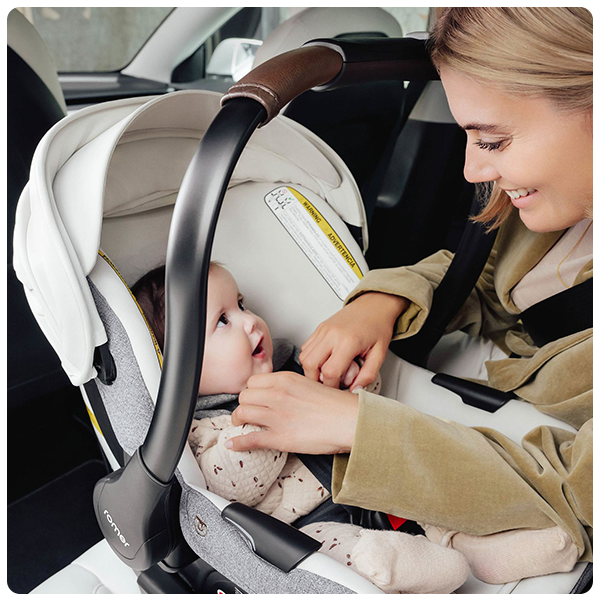
Credit: www.thebump.com
Frequently Asked Questions
When Should I Stop Using An Infant Car Seat?
Stop using an infant car seat when your baby exceeds the height or weight limits set by the manufacturer. Typically, this occurs around 22-35 pounds or when your baby’s head is within one inch of the seat’s top. Always check your car seat’s manual for exact limits.
How Do I Know If My Baby Is Too Big?
Your baby is too big for the infant car seat if their head is above the top edge or if they cannot fit comfortably with the harness. Also, if they exceed the maximum weight limit, it’s time to transition to a convertible or toddler car seat.
Can A Bigger Baby Use An Infant Car Seat Safely?
Using an infant car seat for a baby that’s too big is unsafe. It may compromise the harness fit and crash protection. Always switch to a larger car seat once your baby outgrows the infant seat’s height or weight limits to ensure maximum safety.
What Are Signs My Baby Outgrew The Car Seat?
Signs include the baby’s head touching the top of the seat, knees bending uncomfortably, or harness straps not fitting properly. If your baby’s weight or height exceeds the seat’s limits, it’s time to upgrade to a bigger car seat for safety.
Conclusion
Knowing when your baby outgrows the infant car seat keeps them safe. Check the seat’s height and weight limits often. Watch your baby’s head and shoulders carefully. A snug fit means it’s still the right seat. Once your baby is too tall or heavy, switch seats.
Choosing the right car seat helps protect your child on every trip. Safety always comes first. Stay informed and keep your baby secure.