
You want to keep your baby safe every time you hit the road. One question many parents ask is, “When does my baby face forward in the car?” It’s a big decision, and you might feel unsure about the right time to make the switch.
Making the change too early can put your little one at risk, while waiting too long might feel inconvenient. You’ll discover exactly when and why it’s best to turn your baby’s car seat forward. Keep reading to learn how to protect your child and feel confident every time you drive.

Credit: incarsafetycentre.co.uk
Recommended Rear-facing Age
Understanding the recommended age for turning your baby’s car seat forward is crucial for their safety. Experts agree that keeping your child rear-facing for as long as possible provides the best protection in a crash. Let’s look closer at why rear-facing matters and the age and weight guidelines you should follow.
Why Rear-facing Matters
Rear-facing car seats support your baby’s head, neck, and spine better during sudden stops or collisions. Since babies have weaker neck muscles and a heavier head proportionally, facing backward reduces the risk of serious injury. Have you ever thought about how much force a forward-facing seat can put on your baby’s body in a crash?
Keeping your child rear-facing allows the seat to absorb most of the impact, spreading the force evenly across their back. This setup acts like a protective shell, preventing dangerous whiplash or spinal damage. It’s not just a recommendation—it’s a proven safety strategy that can save lives.
Age And Weight Guidelines
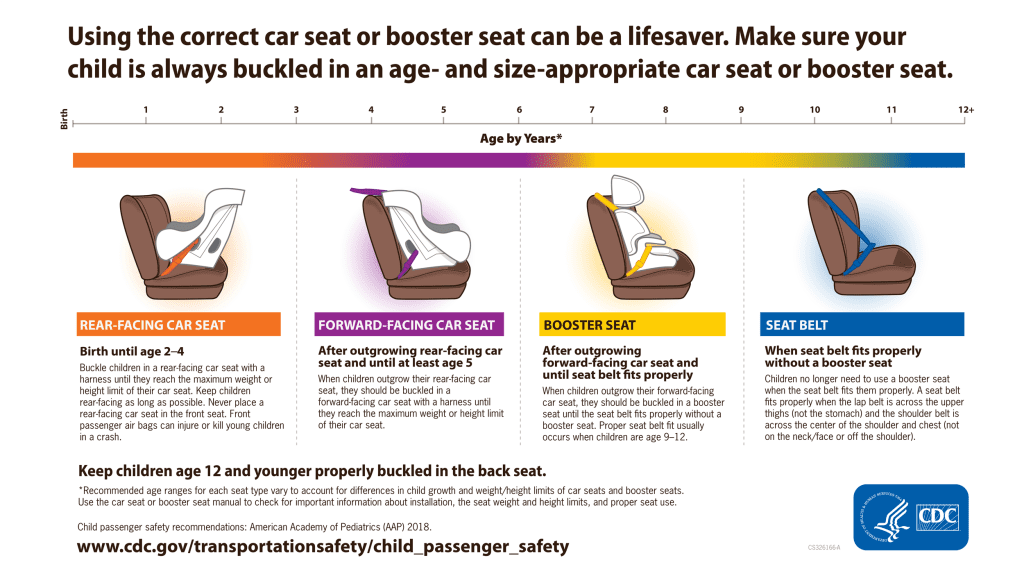
The American Academy of Pediatrics recommends that children remain rear-facing until at least 2 years old. However, many safety experts suggest keeping your child rear-facing longer if the car seat allows it. Some seats support rear-facing use up to 40 pounds or more.
| Age | Weight Range | Recommendation |
|---|---|---|
| Birth to 2 years | Up to 35-40 lbs | Keep rear-facing as long as possible |
| 2 years and older | Above 35-40 lbs | Consider forward-facing only when limits are exceeded |
Every child grows differently, so check your car seat manual for specific limits. You might be surprised how long your baby can safely stay rear-facing. Could you adjust your schedule to keep your child rear-facing even a few months longer?
Remember, switching to forward-facing too early can increase the risk of injury. Prioritize your baby’s safety by following these guidelines strictly. Your careful choices make a big difference in their well-being during every trip.
Signs Baby Is Ready To Face Forward
Knowing when your baby is ready to face forward in the car seat is important for safety. Signs can help you decide the right time. These signs come from your baby’s body and behavior. Pay close attention to these cues before making the switch.
Physical Development Indicators
- Your baby can hold their head up steadily without support.
- The neck muscles are strong enough to control head movements.
- Your baby weighs at least 20 pounds, depending on car seat rules.
- The baby’s back and spine are stable for sitting upright.
- Baby’s legs can bend comfortably at the knees to sit forward.
Behavioral Clues
- Your baby shows curiosity by turning their head to look around.
- They seem uncomfortable or restless in the rear-facing seat.
- Baby tries to push or lean forward when in the car seat.
- They reach for toys or objects outside the car seat.
- Your child enjoys sitting upright during other activities.
Risks Of Early Forward Facing
Deciding when to turn your baby’s car seat forward can be challenging. Many parents feel eager to switch as soon as possible, but doing it too early carries serious risks. Understanding these risks helps you protect your child during every car ride.
Injury Statistics
Research shows that children under two years old are much safer in rear-facing car seats. Data from crash tests reveal that forward-facing toddlers face a higher risk of severe injuries.
A study by the Insurance Institute for Highway Safety found:
- Rear-facing seats reduce injury risk by up to 75% compared to forward-facing.
- Children under 2 in forward-facing seats are 5 times more likely to suffer head or neck injuries.
- Early forward-facing increases the chance of spinal injuries in crashes.
These numbers highlight why experts recommend keeping your baby rear-facing as long as possible.
Car Crash Impact On Babies
Babies’ bodies are delicate, especially their necks and spines. When a car suddenly stops or crashes, forward-facing seats put extreme pressure on these areas.
In a forward-facing position, the child’s head moves forward violently, straining their fragile neck muscles. Rear-facing seats distribute crash forces across the entire back, providing better support.
Think about this: would you want your toddler’s head snapping forward in a crash? Most parents wouldn’t take that risk once they understand the physics.
Keeping your baby rear-facing might seem inconvenient, but it significantly reduces injury risk. Your child’s safety depends on how you use the car seat, not just the seat itself.
Choosing The Right Car Seat
Choosing the right car seat is key for your baby’s safety and comfort. The decision affects when your baby can face forward in the car. Understanding the types of seats and their safety ratings helps make this choice easier. This guide breaks down important factors to consider.
Convertible Vs. Forward-facing Seats
Convertible seats switch from rear-facing to forward-facing. They grow with your child and last longer. Rear-facing mode is safest for babies and toddlers. Experts recommend keeping your child rear-facing as long as possible.
Forward-facing seats are designed for older toddlers. They have harnesses to secure your child safely. Transition only when your child meets height and weight limits. This change depends on the car seat’s guidelines and your child’s growth.
Safety Ratings To Consider
Check safety ratings before buying any car seat. Look for seats tested for crash protection and ease of use. Ratings from organizations like NHTSA provide valuable info. Higher ratings mean better protection in crashes.
Important features to check:
- Five-point harness system
- Side-impact protection
- Easy installation options
- Adjustable straps and headrests
Always read the manual to ensure correct installation. A well-installed seat improves safety. Proper use of the car seat matters as much as the seat itself.
Installation Tips For Forward-facing Seats
Transitioning to a forward-facing car seat is a big step. Ensuring a secure installation is crucial for your child’s safety. Understanding the correct installation process can offer peace of mind. Here are essential tips to help you install a forward-facing seat properly.
Proper Harness Setup
The harness must fit your child snugly. Check the harness slots. They should be at or above your child’s shoulders. Adjust the harness straps for a firm fit. You should not pinch any slack at the shoulders. The chest clip should rest at armpit level. These adjustments keep your child secure in the seat.
Securing The Seat Correctly
Ensure the car seat is tightly secured to the vehicle. Use either the seat belt or the LATCH system. Never use both methods together. Check the car seat’s manual for weight limits. Tighten the installation until the seat moves less than an inch side-to-side. Test by pushing the seat at the belt path.
Recline the seat as needed. It should follow the manufacturer’s guidelines. Correct recline prevents head slumping. Always double-check your work. A properly secured seat can make a significant difference in an emergency.

Credit: www.thule.com
Additional Safety Measures
Ensuring your baby’s car seat is safe involves more than just choosing the right direction for their seat. There are extra steps you can take to boost security and peace of mind. These additional safety measures help protect your child during every ride.
Using Tether Straps
Tether straps are a simple yet powerful way to reduce seat movement in a crash. They attach the top of the car seat to an anchor point in your vehicle, limiting forward motion. Many parents overlook this step, but it can make a big difference in safety.
Make sure to check your vehicle’s manual for the exact tether anchor locations. Tighten the strap firmly to avoid any slack. If you’re unsure whether the strap is secure, give it a good tug—you want no wiggle room.
Avoiding Common Mistakes
Even small errors can reduce the effectiveness of a car seat. A frequent mistake is not tightening the seatbelt or lower anchors enough, which allows unwanted movement. Your child’s seat should not shift more than an inch side-to-side or front-to-back.
Another common error is incorrect strap placement on the child. Harness straps should be at or just below your baby’s shoulders when rear-facing and at or above when forward-facing. Double-check these adjustments every time you buckle up.
Have you ever felt unsure if you installed the seat properly? Many parents do. Don’t hesitate to visit a certified car seat technician for a quick inspection—this can save lives.
Legal Requirements And Recommendations
Understanding the legal requirements and recommendations about when to turn your baby’s car seat to face forward is crucial. Laws vary widely depending on where you live, and safety experts provide guidelines that often go beyond the minimum legal standards. Knowing both can help you make the safest choice for your child and avoid costly fines.
State And Country Laws
Every state and country has its own rules about car seat orientation. Some places require children to remain rear-facing until they reach a certain age, height, or weight. Others set specific age limits, such as two years old, before allowing a forward-facing seat.
For example, in California, the law mandates that children under two years old must ride rear-facing unless they weigh 40 pounds or more. Meanwhile, Texas requires rear-facing until at least one year old and 20 pounds. These differences mean you must check your local laws carefully before deciding.
Have you checked your state’s or country’s official transportation website? This is the best source for up-to-date legal information on car seat rules.
Guidelines From Safety Organizations
Safety groups like the American Academy of Pediatrics (AAP) and the National Highway Traffic Safety Administration (NHTSA) offer recommendations based on crash data and child development research. They generally advise keeping your baby rear-facing as long as possible, typically until at least age two or until they reach the top height or weight limit of the rear-facing seat.
These organizations highlight that rear-facing seats better protect your child’s head, neck, and spine in a crash. Their advice often exceeds legal minimums because their priority is safety, not just compliance.
What would you choose if safety and legality didn’t always align? Most parents find it safer to follow the stricter guidelines from these experts. It’s worth considering how these recommendations might influence your decision to turn your baby forward or keep them rear-facing longer.

Credit: orbitbaby.com
Frequently Asked Questions
When Is It Safe For Babies To Face Forward In Cars?
Babies can face forward after reaching at least 2 years old. They must meet the car seat height and weight limits. Rear-facing seats provide better protection for infants and toddlers in crashes.
Why Keep A Baby Rear-facing Longer In A Car?
Rear-facing seats support a baby’s head, neck, and spine better. This position reduces injury risk during sudden stops or collisions. Experts recommend rear-facing until age 2 or beyond, if possible.
How Do I Know When To Turn Baby Forward?
Check your car seat’s manual for height and weight limits. When your child exceeds these limits, it’s time to switch. Always follow safety guidelines and state laws for car seat use.
What Are The Risks Of Early Forward-facing?
Turning a baby forward too soon increases injury risks in accidents. The head and neck are vulnerable in forward-facing seats for young toddlers. Delaying forward-facing improves safety and reduces trauma during crashes.
Conclusion
Babies should face forward only when they reach the right age and size. Most experts say wait until your child is at least two years old. Keep your baby rear-facing longer for better safety. Always check your car seat’s manual for rules.
Remember, safety comes first on every trip. Choosing the right time to switch helps protect your child. Trust your instincts and follow guidelines carefully. Your baby’s well-being is the top priority. Safe travels start with the right car seat position.