
You want what’s best for your baby’s safety, right? One of the biggest questions parents face is: when should your baby face forward in a car seat?
It’s not just about comfort—this choice can make a huge difference in protecting your little one during every ride. If you’ve been wondering when it’s safe and smart to turn your baby forward, you’re in the right place. Keep reading, because understanding the right time to switch can give you peace of mind and keep your baby safer on the road.
Rear-facing Vs. Forward-facing Seats
Choosing the right car seat direction matters for your baby’s safety. Rear-facing and forward-facing seats offer different levels of protection. Understanding when to use each keeps your child safer during car rides.
Benefits Of Rear-facing Seats
Rear-facing seats support a baby’s head, neck, and spine better during crashes. They spread crash forces across the back of the seat, reducing injury risk. Experts say this position is safest for infants and toddlers.
Children’s bones and muscles are still developing. Rear-facing seats protect these fragile areas by absorbing impact more evenly. Many safety organizations recommend keeping children rear-facing as long as possible.
When To Switch Forward
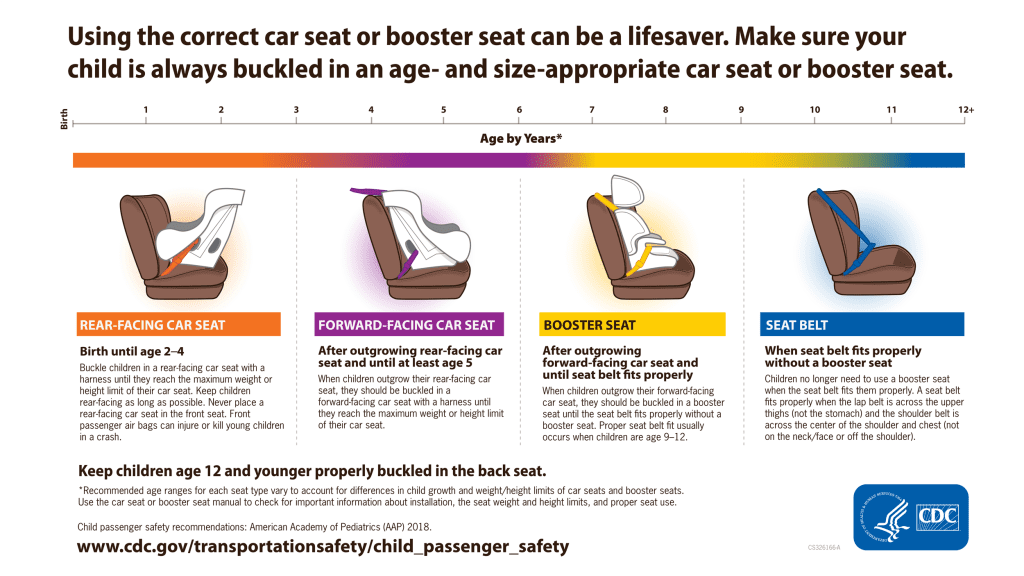
Switch to a forward-facing seat only after your child reaches the maximum height or weight limit of their rear-facing seat. This varies by car seat model but usually happens around age 2 or older.
Forward-facing seats have harnesses that keep children secure but offer less neck protection. Make sure the seat fits your child well before switching. Check your car seat manual for specific guidelines.
Recommended Age And Weight Limits
Choosing the right time for a baby to face forward in a car seat is important for safety. Parents must follow recommended age and weight limits. These guidelines help keep children secure during travel. Understanding these rules can prevent injuries and ensure comfort.
Age Guidelines For Forward-facing
Babies should stay rear-facing as long as possible. Experts suggest waiting until at least 2 years old. Many safety organizations recommend rear-facing until age 2 or beyond. This position protects the head, neck, and spine better in a crash.
Some car seats allow children to remain rear-facing until 3 or 4 years old. Always check the car seat manual for specific age limits. If your child has reached the minimum age, also consider their size and development.
Weight And Height Considerations
Weight limits vary by car seat model. Most forward-facing seats accept children starting around 20 pounds. Some convertible seats support rear-facing up to 40 pounds or more. Height limits are also crucial to ensure proper harness fit.
Measure your child’s height regularly. The top of their head should be below the car seat’s top limit. The harness straps must fit snugly at or above the shoulders for forward-facing. Adjust straps and harness as your child grows.
- Follow the car seat manufacturer’s weight and height guidelines.
- Do not switch to forward-facing just because the child reaches the age limit.
- Ensure the child fits properly in the seat to maintain safety.
Safety Risks Of Early Forward-facing
Deciding when to turn your baby’s car seat forward can feel like a milestone, but rushing this step comes with real safety risks. Early forward-facing exposes your child to forces their bodies aren’t ready to handle yet. Understanding these risks can help you protect your little one better during every ride.
Impact On Baby’s Neck And Spine
Your baby’s neck and spine are still developing and quite fragile. Rear-facing car seats support the head, neck, and spine by distributing crash forces across the back of the seat. When switched to forward-facing too soon, the neck absorbs much more impact, increasing the risk of serious injury.
Think about how your baby’s head is proportionally larger and heavier compared to the rest of their body. This makes their neck muscles more vulnerable during sudden stops or collisions. If you’ve seen how quickly a baby’s head can flop forward, you know why strong support matters.
Crash Test Data Insights
Crash tests show that rear-facing seats reduce the risk of injury by up to 75% compared to forward-facing seats for toddlers. These tests use dummies to simulate real crashes, revealing how forces affect a child’s body in different seat positions.
One surprising insight is how much less strain the spine experiences when the seat is rear-facing. Even low-speed impacts can cause significant harm if the seat is forward-facing too early. This data urges parents to keep their children rear-facing as long as possible.
- Rear-facing seats cradle the child’s entire body, reducing whiplash risk.
- Forward-facing seats concentrate crash forces on the neck and head.
- Crash tests repeatedly confirm better protection in rear-facing mode.
Are you confident your child’s car seat position offers the best protection? Staying informed about these risks can guide your decisions and keep your baby safer on every journey.

Credit: orbitbaby.com
Signs Baby Is Ready To Face Forward
Knowing when your baby is ready to face forward in their car seat is crucial for safety and comfort. You want to make sure your little one meets certain signs before making the switch. This helps protect their developing body while giving you peace of mind on every drive.
Physical Milestones
One key sign is your baby’s ability to sit up well without support. Babies who can hold their head steady and maintain an upright posture show they have the neck and back strength needed for facing forward.
Look for steady control over their head and shoulders during playtime or when sitting on your lap. If your baby still flops forward or to the side, they likely need more time in a rear-facing seat.
Another milestone is reaching the maximum weight or height limit allowed for rear-facing in your car seat’s manual. This ensures the seat provides the best protection based on your baby’s size.
Behavioral Cues
Your baby’s reactions during car rides can also tell you if they are ready to face forward. If they seem uncomfortable or fussy in the rear-facing position, it might be time to consider the switch.
Notice if your baby frequently tries to turn their head to see what’s ahead. This curiosity and desire to explore can be a sign they’re ready for a new perspective.
However, if your baby seems uneasy or scared when facing forward, it’s okay to wait. Your child’s comfort and security come first, so observe their behavior closely during transitions.
Choosing The Right Forward-facing Car Seat
Choosing the right forward-facing car seat is crucial for your child’s safety. As your baby grows, transitioning to a forward-facing seat becomes necessary. This stage ensures their protection during travel, offering support and security. Knowing the types and installation tips helps you make the best choice.
Types Of Seats Available
When transitioning to forward-facing, several seat types exist. Convertible seats cater to both rear and forward-facing needs. Combination seats transition from harness to booster, growing with your child. All-in-one seats offer long-term use, from infant to booster stage.
Installation Tips
Proper installation ensures maximum safety for your child. Follow the car seat manufacturer’s instructions closely. Ensure the seat is tightly secured using the seat belt or LATCH system. Check the harness straps; they should be snug and properly positioned. Regularly inspect the seat’s stability to guarantee continued safety.

Credit: www.safetyandhealthmagazine.com
Proper Harnessing Techniques
Proper harnessing techniques keep your baby safe and comfortable in a car seat. A well-fitted harness holds your child firmly during sudden stops. It also prevents injuries by distributing crash forces evenly. Understanding how to secure the harness correctly is essential before facing forward.
The harness should fit snugly but not too tight. Loose straps allow too much movement, while overly tight ones cause discomfort. Regular checks ensure the straps stay in the right position as your baby grows.
Adjusting Straps For Safety
- Place the harness straps at or just above your baby’s shoulders when facing forward.
- Ensure the straps lie flat without twists to avoid pressure points.
- Pull the harness adjuster strap to tighten until it fits snugly.
- Check that you cannot pinch any slack at the shoulder—this is the “pinch test.”
- Position the chest clip at armpit level to secure the straps in place.
Common Mistakes To Avoid
- Do not place the chest clip too low or too high; it must be at armpit level.
- Avoid loose straps that can allow your baby to slip or move dangerously.
- Never use bulky clothing under the harness—it reduces its effectiveness.
- Do not twist the harness straps, as this weakens their strength.
- Never face your baby forward before meeting the car seat’s height and weight limits.
Additional Safety Tips For Forward-facing
Once your child transitions to a forward-facing car seat, safety remains your top priority. There are important steps you can take to keep your little one secure on every ride. Paying close attention to how you position the seat and when to use booster seats will make a big difference in protection and comfort.
Positioning In The Vehicle
Placing the car seat in the safest spot is crucial. The back seat, especially the middle position, offers the best protection in most vehicles. It keeps your child away from impact zones and airbags that can be dangerous for young passengers.
Have you checked how your car seat fits in different spots? Sometimes, the middle seat might not work due to seatbelt design or size. In those cases, choose the rear passenger side, as it’s easier to load and unload your child safely.
Make sure the seat is tightly secured and doesn’t move more than an inch side to side or front to back. A loose car seat can increase injury risk. Use either the LATCH system or the seatbelt—never both at the same time unless your car seat’s manual specifically allows it.
Using Booster Seats When Appropriate
Booster seats are the next step after forward-facing harness seats and are key to proper seatbelt fit. They raise your child so the car’s seatbelt fits across the strongest parts of their body—shoulders and hips—not the neck or stomach.
Watch for signs your child is ready for a booster seat, like reaching the height or weight limits of their forward-facing seat. Do you know your car seat’s limits? Checking the manual can save you from making a premature switch.
Always use booster seats with a lap and shoulder belt, never a lap belt alone. If your vehicle lacks a shoulder belt in the back seat, it’s safer to keep your child in a forward-facing harness seat longer.
Remember, your child’s safety depends on careful attention to these details every time you drive. How confident do you feel about your car seat setup right now? Small adjustments can make a huge impact on their protection.

Credit: incarsafetycentre.co.uk
Frequently Asked Questions
When Is It Safe For A Baby To Face Forward In Car Seats?
Babies can face forward once they reach the car seat’s height or weight limit for rear-facing. Most experts recommend keeping babies rear-facing until at least age 2 for safety.
What Are The Risks Of Facing A Baby Forward Too Early?
Facing a baby forward too early increases the risk of serious injuries in crashes. Rear-facing seats provide better support for a baby’s head, neck, and spine during impact.
How Do I Know When To Switch To A Forward-facing Car Seat?
Switch when your child outgrows the rear-facing seat’s limits. Check the car seat manual for exact height and weight requirements before switching.
Can Premature Babies Face Forward In Car Seats?
Premature babies should remain rear-facing longer due to fragile neck muscles. Always consult your pediatrician before switching to forward-facing for preemies.
Conclusion
Babies should stay rear-facing as long as possible. This keeps them safer in crashes. Most experts say at least until age two. Check your car seat’s weight and height limits. Always follow the car seat manual for guidance. Each child grows differently, so watch their size.
Moving too soon can increase injury risk. Safety matters most when deciding the direction. Keep your little one secure on every ride. Trust the rules, and protect your child well.