
Have you ever wondered exactly when you should change gears while driving? Knowing the right time to shift gears can make your drive smoother, save fuel, and protect your car from unnecessary wear.
If you’re unsure about the best moments to switch gears, you’re not alone. You’ll discover simple tips that will help you feel more confident behind the wheel and keep your car running at its best. Keep reading to unlock the secrets of perfect gear changes and take control of your driving experience.

Credit: www.youtube.com
Signs You Need To Change Gears
Changing gears at the right time keeps your car running smoothly. It helps the engine work efficiently and saves fuel. Watch for signs that tell you it’s time to shift. These signs involve how the engine sounds, the speed of the vehicle, and the load on the engine.
Engine Sound And Rpm
The engine makes different sounds at different speeds. When the engine sounds loud or strained, it may need a higher gear. If the engine feels like it is struggling or revving too much, shifting gears can help. Check the RPM gauge to see if it is too high or too low. High RPM means the engine is working hard and needs a higher gear. Low RPM may mean the car is slowing and needs a lower gear.
Vehicle Speed
The speed of the car affects when to change gears. At low speeds, use lower gears for better control and power. Higher speeds call for higher gears to keep the engine from overworking. Smooth acceleration happens when the gear matches the speed. Sudden speed changes often require quick gear shifts to maintain balance.
Engine Load And Terrain
The weight the engine carries impacts gear changes. Going uphill or carrying heavy loads means the engine works harder. Use lower gears on hills to give the engine more power. On flat roads or downhill, higher gears help save fuel and reduce engine strain. Adjust gears based on the road and load for safe driving.
Credit: www.familyhandyman.com
Manual Transmission Gear Shifting Tips
Manual transmission requires skill and timing to shift gears smoothly. Good gear shifting keeps the car running efficiently. It also helps save fuel and extends the car’s life. Learning simple tips makes driving easier and more comfortable.
Starting And Stopping
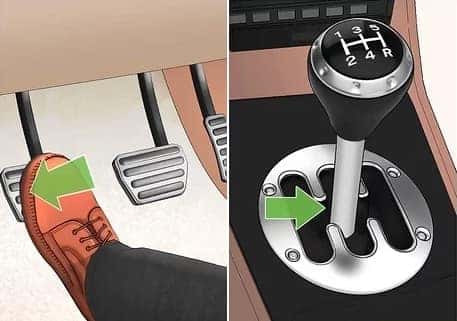
Press the clutch fully before starting the car. Shift into first gear gently. Release the clutch slowly while pressing the gas pedal. This prevents the car from stalling. When stopping, press the clutch before the car slows down too much. Shift to neutral and use the brake to stop safely.
Shifting Upshift And Downshift
Shift up when the engine sounds high or the car speeds up. Move to the next gear smoothly to avoid jerks. Downshift when the car slows down or climbs a hill. Press the clutch, shift to a lower gear, then release the clutch carefully. This keeps the engine in the right power range.
Using The Clutch Smoothly
Press the clutch pedal fully before changing gears. Release it slowly to avoid sudden movements. Practice finding the “biting point” where the clutch starts to engage. Smooth clutch use reduces wear and tear on the car. It also helps control the car better in traffic and hills.
Automatic Transmission Gear Changes
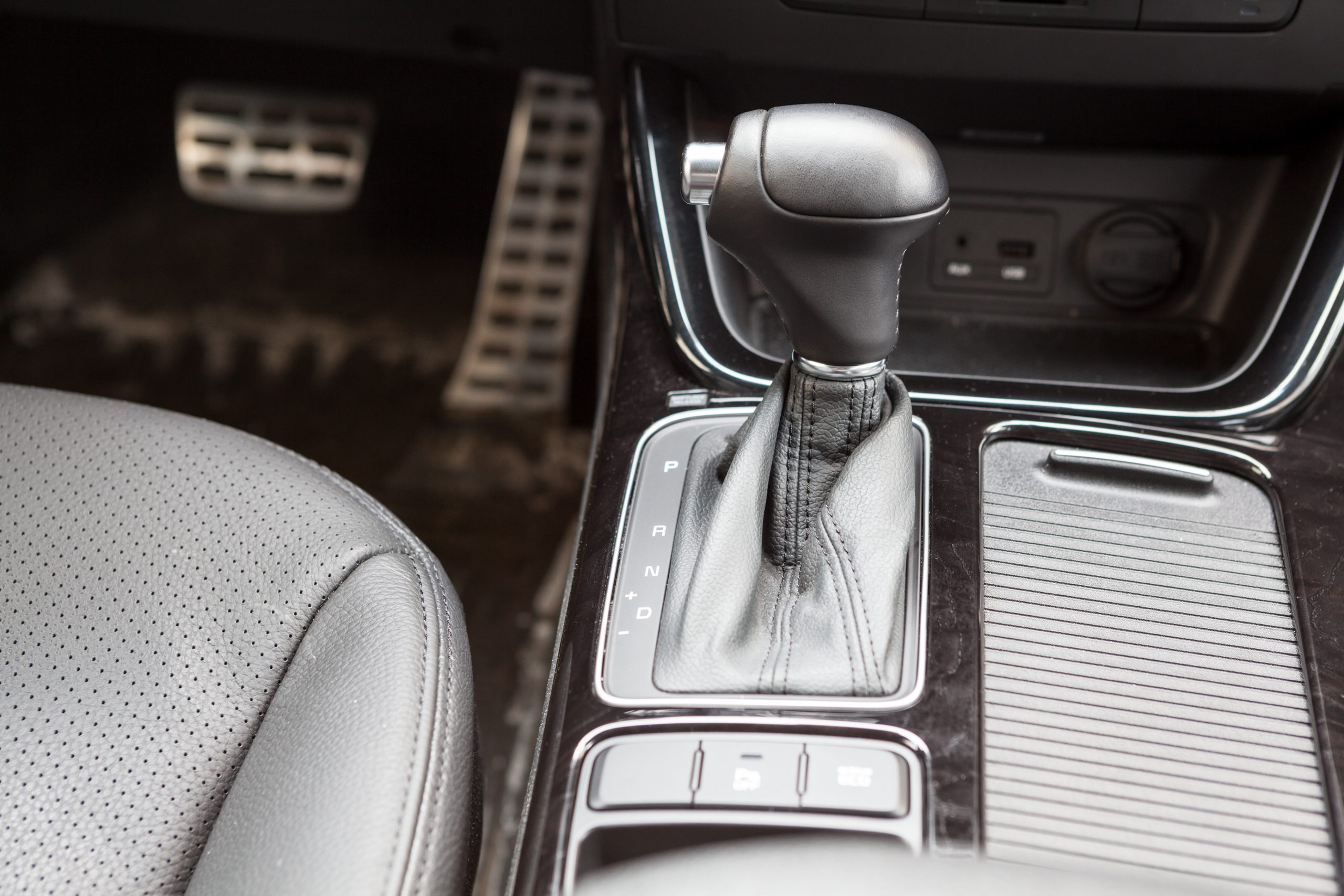
Automatic transmission gear changes simplify driving by removing the need for you to manually shift gears. The car’s system handles gear changes based on speed and engine load, allowing you to focus more on the road. Understanding how this system works and when to take control can improve your driving experience and vehicle performance.
How Automatic Gears Work
Automatic transmissions use a complex system of sensors and hydraulics to decide when to shift gears. As you accelerate, the transmission shifts up to higher gears to save fuel and reduce engine strain. When you slow down or stop, it shifts down to provide more power or better control.
The transmission continuously monitors your speed, engine RPM, and throttle position. This lets it react smoothly without you needing to think about it. But do you know the exact moment your car decides to shift?
When To Use Manual Mode
Many automatic cars offer a manual mode, letting you control gear changes yourself. This can be useful on steep hills, when overtaking, or driving in tricky conditions. You gain more control over engine power and braking without a clutch pedal.
Using manual mode can prevent the car from shifting too early or late, which sometimes happens with fully automatic settings. Have you tried manual mode on your automatic car? It can feel like a perfect balance between ease and control.
Tips For Driving In Different Conditions
- City driving:Keep the transmission in its default automatic mode for smooth gear changes and less stress.
- Hilly terrain:Switch to manual mode to prevent constant shifting and maintain steady power.
- Snow or ice:Start in second gear if possible to reduce wheel spin and improve traction.
- Heavy traffic:Use automatic mode but stay alert for stop-and-go situations that might benefit from manual control.
Adjusting how you use your automatic transmission can make a big difference in how your car feels and performs. What driving conditions challenge your transmission the most?
Common Mistakes To Avoid
Understanding when to change gears is crucial, but avoiding common mistakes can make your driving smoother and extend your car’s life. Many drivers, even experienced ones, fall into habits that harm the vehicle or reduce control. Let’s look at some frequent errors and how you can steer clear of them.
Riding The Clutch
Have you ever noticed your foot resting on the clutch pedal while driving? This habit, known as riding the clutch, keeps the clutch partially engaged and causes unnecessary wear. It can lead to overheating and premature clutch failure.
Instead, fully press the clutch only when shifting gears and release it smoothly afterward. If you catch yourself resting your foot on the pedal, consciously lift it off. This small change protects your car and improves fuel efficiency.
Shifting At Wrong Speeds
Changing gears too early or too late can make your engine struggle or waste fuel. Each car has an ideal speed range for every gear, and ignoring this can cause jerky movements or engine strain.
Pay attention to your speed and engine sound before shifting. If you shift too early, the engine might lug; too late, and it revs too high. Are you listening closely to what your car is telling you?
Ignoring Engine Feedback
Your engine gives subtle clues when it’s time to change gears. Ignoring these signs can damage the engine or reduce performance. For example, a high-pitched whine or a sluggish response often means it’s time to shift.
Try to tune in to these sounds and feel how the car responds. Over time, you’ll instinctively know when to change gears, making your driving experience more enjoyable and efficient.
Impact Of Proper Gear Changes On Vehicle
Changing gears at the right time keeps the engine running smoothly and saves fuel. Shifting too early or late can cause wear and reduce control. Proper gear changes help maintain speed and improve driving comfort.
Proper gear changes can significantly impact your vehicle’s performance and longevity. Knowing when to shift gears not only enhances your driving experience but also contributes to the overall health of your car. Let’s explore how timely gear changes influence fuel efficiency, engine longevity, and driving comfort and safety.Fuel Efficiency
Changing gears at the right time can save you money at the pump. By shifting gears efficiently, you keep your engine running at optimal revolutions per minute (RPM), reducing fuel consumption. A friend of mine noticed a significant drop in his monthly fuel expenses after adopting better gear shifting habits. Using lower gears for longer than necessary can cause your engine to consume more fuel. Conversely, shifting to higher gears too early can strain the engine. Both scenarios lead to increased fuel usage.Engine Longevity
Your car’s engine is like its heart, and proper gear changes can keep it beating for a long time. Consistently shifting gears at the right RPM prevents unnecessary wear and tear on the engine. This practice can extend the life of your vehicle and reduce maintenance costs. Neglecting timely gear changes can lead to engine stress, causing parts to degrade faster. Regularly changing gears at appropriate times ensures smoother engine operation, which translates into fewer mechanical issues.Driving Comfort And Safety
Smooth gear changes can make your driving experience more enjoyable and safe. Properly timed shifts help maintain a steady pace, offering a comfortable ride for you and your passengers. Have you ever noticed how a well-timed gear change makes the drive feel seamless? On the safety front, knowing when to change gears can give you better control over your vehicle. This is crucial when navigating through traffic or driving in challenging conditions. Timely gear shifts help prevent sudden jolts or stalls, contributing to safer journeys.
Credit: www.slashgear.com
Frequently Asked Questions
When Should I Change Gears While Driving?
Change gears when the engine sounds strained or the RPM is too high or low. Shifting helps maintain smooth acceleration and fuel efficiency.
How Do I Know The Right Time To Shift Gears?
Listen to engine sounds and watch the tachometer. Shift up when RPM reaches 2,500-3,000 and down when it falls below 1,500.
Why Is Timely Gear Changing Important?
Timely gear changes prevent engine wear, improve fuel economy, and ensure smooth vehicle control. It enhances driving safety and prolongs transmission life.
Can Changing Gears Too Early Damage The Car?
Yes, shifting too early can cause engine lugging and strain. It reduces performance and may increase fuel consumption and engine wear.
Conclusion
Changing gears at the right time keeps your car running smoothly. It helps save fuel and prevents engine damage. Listen to the engine sound and watch the speed to know when to shift. Practice makes this easier and safer. Driving well means understanding your car’s needs.
Keep these tips in mind, and your rides will be more comfortable and efficient every time.