
Are you wondering when your child can safely stop using a car seat? You want to protect your little one, but you also want to know the right time to make the change.
Getting this timing right is crucial for your child’s safety and your peace of mind. Keep reading, and you’ll discover clear, simple guidelines to help you decide exactly when your child no longer needs a car seat. This information could save you stress and, more importantly, keep your child safe on every trip.
Credit: www.thebump.com
Car Seat Laws By Age And Weight
Car seat laws vary based on a child’s age and weight. These rules help keep children safe during car rides. Knowing when kids no longer need car seats depends on these factors. Understanding the laws helps parents follow the right safety steps.
Age Requirements For Car Seats
Most states require children to use car seats until a certain age. Usually, kids must stay in a car seat until they are at least 8 years old. Some places allow booster seats after age 4 or 5. It is important to check local laws to know exact age limits.
Weight Limits For Different Seats
Car seats have weight limits that decide when a child can move to the next seat type. Infant seats often hold children up to 22-35 pounds. Convertible seats can support children up to 40-65 pounds. Booster seats usually fit kids between 40 and 100 pounds. Follow the weight guidelines on the car seat label.
Height Considerations
Height also affects when a child can stop using a car seat. Many laws say children must use a booster seat until they reach 4 feet 9 inches tall. This height helps the seat belt fit correctly. A proper fit lowers the risk of injury in a crash. Measuring your child’s height regularly is important.
Transitioning From Car Seats To Seat Belts
Transitioning your child from a car seat to a regular seat belt is a milestone that brings both relief and new responsibilities. It’s not just about age or height but knowing when your child is physically and developmentally ready for this change. Understanding the right moment helps keep your child safe and comfortable during every ride.
Signs A Child Is Ready
Look for key signs that indicate your child is ready to move on from a car seat. Your child should be able to sit still for the entire trip without slouching or leaning forward.
Height and weight are critical. Most guidelines recommend that children be at least 4 feet 9 inches tall and weigh between 40 to 80 pounds before switching out of a booster or car seat.
Ask yourself: Does your child understand the importance of sitting properly? If they can follow these rules, they might be ready to transition safely.
Booster Seat Role
Booster seats serve as a bridge between car seats and seat belts. They position the seat belt correctly across your child’s chest and hips, which a regular seat often can’t do on its own.
Skipping the booster too soon can lead to dangerous seat belt placement. The belt might cut across the neck or stomach, increasing injury risk in a crash.
Keep your child in a booster seat until the seat belt fits properly without it—this often means until they reach the recommended height and weight.
Proper Seat Belt Fit
Once your child uses a regular seat belt, ensure it fits correctly. The lap belt should lie flat across the upper thighs, not the stomach.
The shoulder belt must cross the middle of the chest and shoulder, away from the neck or face.
If the seat belt doesn’t fit this way, your child isn’t ready yet. Using a booster seat until the fit is right protects your child better and gives you peace of mind on the road.
Risks Of Early Transition
Deciding when your child no longer needs a car seat is a big responsibility. Moving too soon can expose your child to serious dangers that might not be obvious at first. Understanding the risks of early transition helps you protect your child better during every car ride.
Increased Injury Risks
Children who stop using car seats too early face higher chances of injury in crashes. Their bodies are not fully developed to handle the force of an accident without proper restraint. Seat belts alone often don’t fit young kids correctly, which can cause severe harm to the neck, spine, or abdomen.
Think about the last time you saw a child buckled in with a regular seat belt but still looked uncomfortable or unsafe. That’s a clear sign the transition happened too early. Your child’s safety depends on using the right equipment for their size and weight—not just age.
Common Mistakes Parents Make
- Relying solely on age:Many parents switch their kids out of car seats based only on age, ignoring height and weight requirements. This can lead to improper protection.
- Ignoring manufacturer guidelines:Every car seat has specific instructions for use. Skipping these details increases risks.
- Overestimating child’s readiness:Sometimes kids want to move on because they feel “big,” but emotional readiness doesn’t equal physical safety.
Have you ever felt rushed by family or friends to change your child’s car seat? It’s important to stand firm and prioritize your child’s safety over convenience or social pressure. What steps can you take today to ensure your child stays protected until they’re truly ready?
Credit: www.thebump.com
Special Situations And Exceptions
There are special situations where the usual car seat rules might not apply or need adjustment. Understanding these exceptions helps you keep your child safe without feeling overwhelmed. Let’s look at some common scenarios where car seat use might differ and what you can do.
Traveling In Taxis Or Rideshares
Using taxis or rideshares often means you don’t have your child’s car seat handy. Many cities allow children to ride without car seats in these vehicles, but laws vary widely. You should check local regulations before your trip to avoid fines or safety risks.
If you frequently travel this way, consider carrying a lightweight, portable car seat. Some parents find travel-friendly seats easy to install and remove, giving peace of mind without extra hassle. Ask the driver if there’s an option for a car seat or use a booster if your child meets height and weight requirements.
Children With Special Needs
Children with physical or medical conditions might require different car seat solutions. Standard seats may not provide the right support or comfort for every child. Consulting with a pediatrician or a certified child passenger safety technician can help tailor the safest option.
Some kids might use specialized harnesses or adaptive car seats designed for their needs. Don’t hesitate to ask for professional advice. Your child’s safety and comfort are worth the extra step.
Airplane Travel Considerations
On airplanes, car seat rules change again. The FAA recommends using an approved car seat for children under 40 pounds when seated in their own seat. However, lap infants don’t require a car seat, though having one can improve safety during turbulence.
Bringing a car seat on a plane can be a hassle, but many parents find it worth the effort. It provides a familiar, secure space for your child and can ease the stress of travel for both of you. Think about your child’s temperament and travel duration when deciding.
Tips For Ensuring Child Safety In Vehicles
Car seats are not needed once children reach the right height and weight for seat belts. Usually, kids over 4 feet 9 inches and 8 years old can use regular seat belts safely. Always check local laws and car seat guidelines to keep kids protected.
Ensuring your child’s safety in vehicles is a top priority for every parent. While kids eventually outgrow car seats, their safety remains crucial. Understanding key tips for vehicle safety can make the transition smoother and safer for you and your child.Correct Installation Of Car Seats
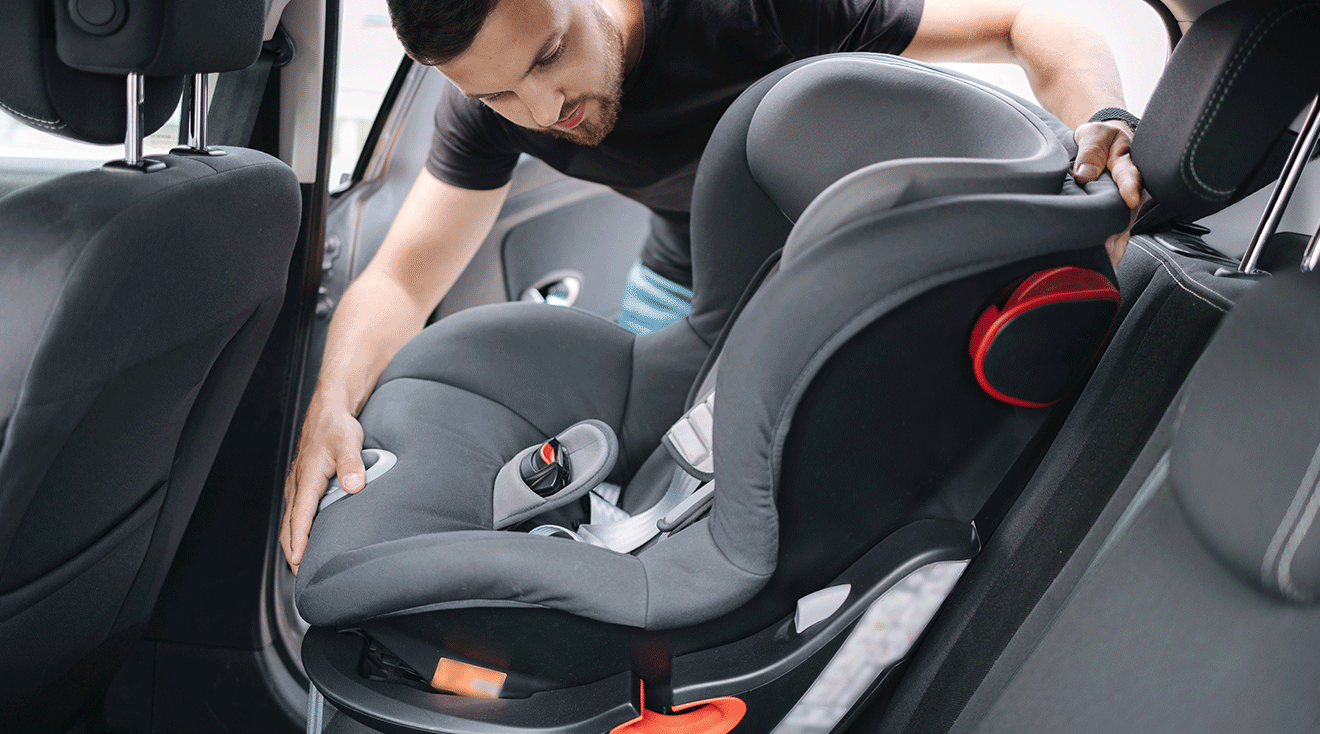
Proper installation of car seats is crucial. A misinstalled car seat can pose significant risks. Always refer to both the car seat manual and your vehicle’s manual. Each model may have different requirements. You might consider visiting a certified technician for installation checks. Many local fire stations offer this service for free.Regular Safety Checks
Routine checks ensure everything remains secure and functional. Look for loose straps or buckles. Consider setting a monthly reminder on your phone. This keeps safety top-of-mind. A quick inspection can prevent potential hazards.Educating Children On Vehicle Safety
Empower your children by teaching them about vehicle safety. Encourage them to understand the importance of sitting properly. Explain why they need to remain seated until the car has stopped. This builds good habits early on. Children are more likely to follow rules when they understand the reason behind them.
Credit: www.thebump.com
Frequently Asked Questions
When Can Kids Legally Stop Using Car Seats?
Kids can stop using car seats when they reach the height or weight limit set by law. This varies by state but usually happens around 8 to 12 years old or when they are 4 feet 9 inches tall.
Are Booster Seats Necessary After Car Seats?
Yes, booster seats are necessary after car seats until kids are tall enough to fit seat belts properly. Generally, booster seats are used until kids are 4 feet 9 inches tall and between 8 and 12 years old.
What Height Or Age Exempts Kids From Car Seats?
Kids are exempt from car seats when they reach about 4 feet 9 inches in height or are between 8 to 12 years old. Always check local laws as requirements can vary by region.
Can Kids Use Regular Seat Belts Without Car Seats?
Kids should only use regular seat belts without car seats if the belt fits correctly. The lap belt must lie across the upper thighs, and the shoulder belt should cross the chest.
Conclusion
Kids no longer need car seats when they reach the right height and weight. Seat belts should fit them properly without extra straps. Laws vary by location, so check local rules carefully. Safety always comes first, no shortcuts allowed. Choosing the right seat or belt helps protect children on every trip.
Stay informed and keep kids safe as they grow. Simple steps make a big difference in car safety.