
Are you wondering when your child is ready to switch from a car seat to a booster? It’s a big step that affects your child’s safety every time you hit the road.
Making the right move at the right time isn’t always clear, and getting it wrong can put your little one at risk. You’ll discover exactly what signs to look for and the important rules to follow. Keep reading to ensure your child stays safe and comfortable on every trip.

Credit: uppababy.com
Car Seat To Booster Transition Age
Knowing the right age for the car seat to booster transition is crucial for your child’s safety. Moving too early or too late can affect how well the seat belt protects your child. This stage depends on both age and physical growth. Understanding these factors helps ensure your child rides safely and comfortably.
Recommended Age And Weight
Children usually move to a booster seat between 4 and 7 years old. Weight is also important. Most boosters are designed for kids weighing between 40 and 100 pounds. Height matters too, with many guidelines suggesting a minimum of 40 inches tall. Always check the booster seat instructions for exact limits.
Signs Your Child Is Ready
- Your child’s shoulders are above the car seat harness slots.
- The harness straps feel tight and uncomfortable.
- Your child can sit still and upright without slouching.
- The child’s legs reach the seat edge comfortably.
- Your child can understand and follow booster seat rules.
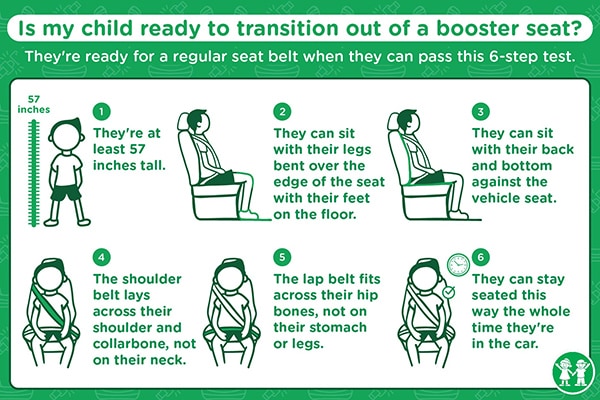
These signs show your child may be ready for the booster. Safety is the top priority. Make sure the seat belt fits correctly over the shoulder and lap. The lap belt should lie low across the hips, not the stomach. The shoulder belt should cross the chest, not the neck.
Credit: www.safeintheseat.com
Booster Seat Types
Choosing the right booster seat is key to keeping your child safe and comfortable during car rides. Booster seats come in different types, each designed to fit various needs and car setups. Understanding these options helps you pick what works best for your child’s age, size, and your vehicle.
High-back Booster Seats
High-back booster seats provide extra support for your child’s head and neck, especially useful if your car doesn’t have headrests or has low seat backs. They come with side wings that help protect your child in case of a side impact. Many parents find these seats more secure for younger kids who still need some guidance on proper seatbelt positioning.
Imagine a long road trip where your child falls asleep. A high-back booster keeps their head from leaning awkwardly, preventing discomfort and potential neck strain. These boosters also often include adjustable headrests, so the seat grows with your child, extending its use.
Backless Booster Seats
Backless booster seats are a simpler, more portable option. They lift your child up so the car’s seatbelt fits correctly over their shoulder and lap. Many families appreciate how easy these seats are to move between vehicles or tuck away when not in use.
However, they require your car to have a proper headrest since they don’t provide head and neck protection. If your child is older and regularly sits upright during drives, backless boosters can be a practical choice. Do you often switch cars? A backless booster might be exactly what you need for convenience.
Key Safety Guidelines
Transitioning from a car seat to a booster requires careful attention to safety. Following key guidelines ensures children stay protected during every ride. Proper fit and secure installation are critical for booster seats to work effectively. Parents must understand these safety rules to avoid risks and keep kids safe on the road.
Proper Seat Belt Fit
The seat belt must fit the child correctly to provide safety. The lap belt should lie flat across the upper thighs, not the stomach. The shoulder belt must cross the chest and rest on the shoulder, not the neck. A poor fit can cause injury during sudden stops or crashes.
Check that the child sits all the way back against the seat. Legs should bend comfortably at the knees without slouching. Teach kids to always wear the seat belt properly every time they ride.
Correct Booster Seat Installation
Place the booster seat securely on the vehicle seat. Follow the manufacturer’s instructions closely. The booster should not move side to side or front to back more than an inch.
Use the vehicle’s seat belt to secure the child in the booster. Do not use the booster without the seat belt. Avoid placing booster seats in front seats with active airbags.
Regularly inspect the booster for wear and damage. Replace the booster if it no longer fits properly or shows signs of damage.
Common Mistakes To Avoid
Choosing the right time to move kids from car seats to booster seats matters a lot. Many parents make common mistakes that can affect safety. Avoiding these errors helps keep children safe during every ride.
Skipping Booster Seats Too Early
Some parents move their kids to regular seat belts too soon. Kids must use booster seats until seat belts fit properly. Booster seats lift children to the right height. This prevents injuries during accidents. Using only a seat belt too early can cause serious harm. Follow height and weight guidelines from safety experts. Patience is key to safe transitions.
Incorrect Seat Belt Positioning
Incorrect seat belt placement is a frequent problem. The lap belt should lie low on the hips, not the stomach. The shoulder belt must cross the chest and shoulder, not the neck or face. Wrong positioning reduces protection and increases injury risk. Always check seat belt fit before every trip. Adjust booster seats and belts for a secure fit.
Legal Requirements
Understanding the legal requirements for transitioning from car seats to boosters is crucial. Each state has specific laws to ensure children’s safety. These regulations dictate when a child can move to a booster seat. Knowing these laws helps parents keep their children safe and avoid penalties.
State Laws On Booster Use
State laws vary regarding booster seat use. Most states require children to use a booster seat until they reach a certain age or height. This is usually around eight years old or 4 feet 9 inches tall. Parents should check their state’s specific requirements. This ensures their child is legally secured while traveling.
Penalties For Non-compliance
Failing to follow booster seat laws can lead to penalties. These penalties often include fines. In some states, they may also add points to a driver’s license. Non-compliance can also compromise your child’s safety. Understanding and adhering to these laws can prevent unnecessary legal issues. Always ensure your child is safely and legally seated.
Credit: uppababy.com
Tips For Comfort And Convenience
Transitioning from a car seat to a booster requires attention to comfort and ease. Kids need a safe and cozy space to sit during car rides. Parents should find ways to make the booster seat fit well and feel pleasant. This helps children enjoy trips and stay secure.
Choosing The Right Booster Seat
Select a booster seat that matches your child’s weight and height. Check for models with soft, padded seats for extra comfort. Look for adjustable features to grow with your child. Seats with easy-to-clean covers help keep the seat fresh. Ensure the seat fits well in your car and uses the seat belt properly.
Making The Seat Comfortable
- Use a small cushion or soft cover if the seat feels hard.
- Adjust the booster’s backrest or headrest for good support.
- Make sure the seat belt lies flat across the chest and lap.
- Keep the seat area clean and free of crumbs or dirt.
- Bring a favorite small blanket or toy for comfort on long rides.
Frequently Asked Questions
When Should Kids Switch From Car Seat To Booster?
Kids should switch when they outgrow their car seat’s height or weight limits. Typically, this is around 4 to 7 years old. The booster helps position the seat belt properly for safety.
What Height Is Needed To Use A Booster Seat?
Children should be at least 4 feet 9 inches tall to use a booster seat. This height ensures the seat belt fits correctly across their chest and lap for protection.
Can Kids Move To Booster Before Age 4?
It is generally unsafe to move kids to a booster before age 4. Car seats provide better support and restraint for younger, smaller children.
How Long Should A Child Use A Booster Seat?
Children should use a booster seat until they fit seat belts properly without it. This usually happens between ages 8 and 12, or when they reach 4 feet 9 inches tall.
Conclusion
Choosing the right time to switch from a car seat to a booster keeps kids safe. Kids should stay in a car seat until they reach the height and weight limits. Then, they can move to a booster seat that fits their size.
Always follow your state’s laws and safety guidelines. A proper seat helps protect children in case of a crash. Parents can feel confident knowing their kids travel safely. Safety first, every trip, every time.