
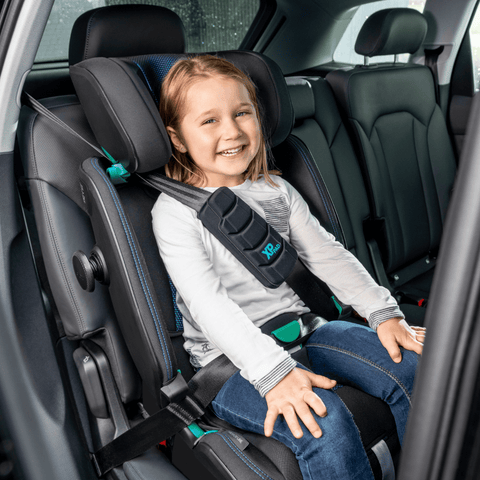
Are you wondering when your child is ready to move from a car seat to a booster? This decision is important for your child’s safety and comfort during every trip.
Knowing the right time can keep you confident behind the wheel and protect your little one the best way possible. Keep reading to discover clear signs and simple guidelines that will help you make the switch at just the right moment.
Your child’s safety matters—and getting this right is easier than you think.
Car Seat Basics
Understanding the basics of car seats is essential before deciding when your child should transition from a car seat to a booster. Car seats are designed to protect your child at different stages of growth, so knowing the right type and ensuring a proper fit can make all the difference in safety. Let’s break down what you need to know.
Types Of Car Seats
Car seats come in several types, each suited for specific age groups and sizes:
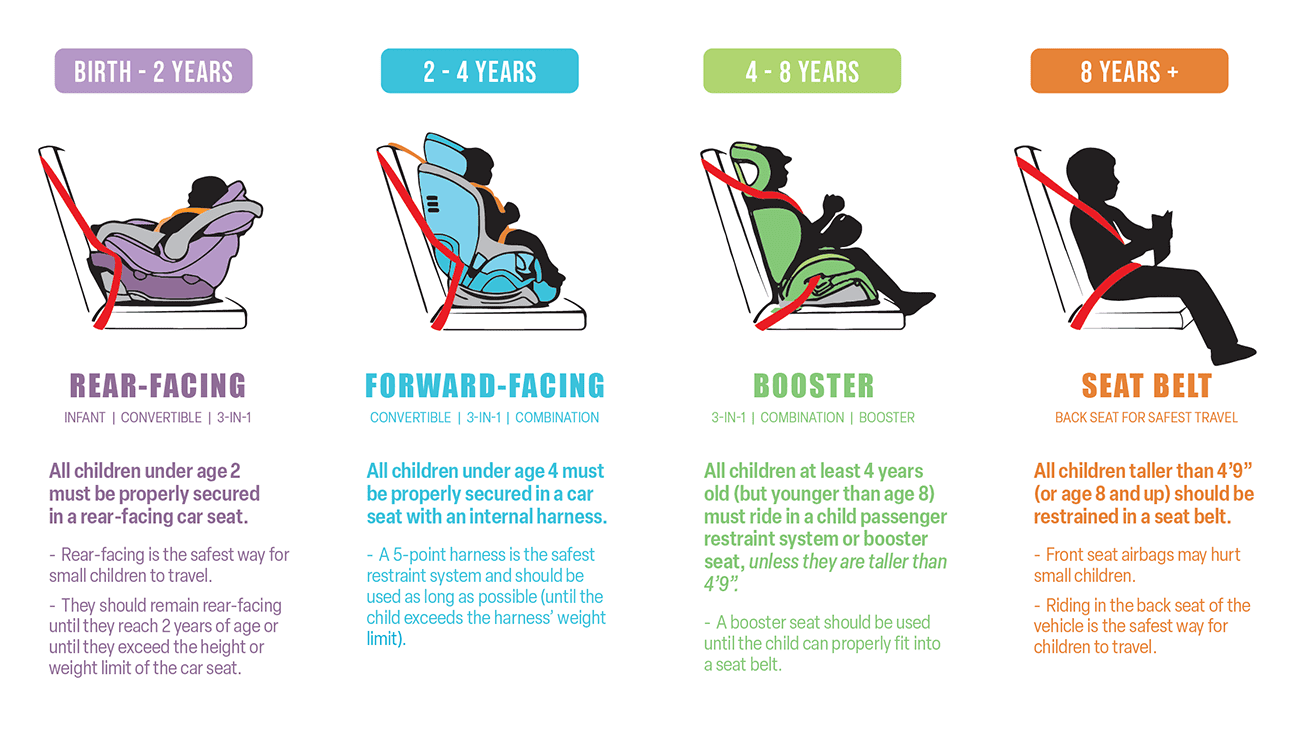
- Rear-facing seats:Best for infants and toddlers, these seats support your child’s head, neck, and spine in case of a crash.
- Forward-facing seats:Designed for older toddlers and preschoolers, these have harnesses to keep your child secure.
- Booster seats:Used when your child outgrows the forward-facing seat, boosters help position the vehicle’s seat belt correctly over the child’s body.
Have you ever checked which type fits your child’s current size and weight? It’s a detail many parents overlook but matters a lot.
Importance Of Proper Fit
A car seat isn’t just about having one—it’s about making sure it fits your child properly. A seat that’s too loose or too tight can reduce its effectiveness during a crash.
Here are some quick tips for ensuring a good fit:
- Check the weight and height limits on the car seat label.
- Ensure the harness straps lie flat and snug against your child’s chest.
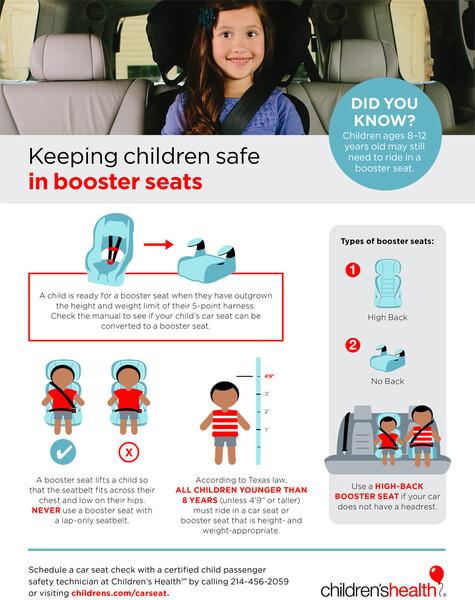
- The seat belt should rest across the upper thighs and shoulder, not the stomach or neck.
Have you noticed your child squirming or trying to move the straps? That might be a sign to adjust the fit or consider the next seat stage.
Signs It’s Time For A Booster
Knowing the right time to switch your child from a car seat to a booster seat is important. This change helps keep your child safe during car rides. Some clear signs show when it is time for a booster.
These signs include your child’s age, weight, height, and how they behave in the car. Watching for these clues helps parents decide the best moment to change seats.
Age And Weight Guidelines
Most children move to a booster seat after they outgrow their car seat’s weight limits. Usually, this happens between 4 and 7 years old. The weight range is often between 40 to 65 pounds. Always check the car seat label for exact limits.
Height Requirements
Height also matters when switching to a booster. Children should be tall enough to sit properly with the car’s seat belt. Typically, they need to be at least 4 feet 9 inches tall. This height helps the seat belt fit across their chest and hips safely.
Behavioral Readiness
Children must sit still and keep the seat belt on during trips. They should understand why the booster is important. If your child can follow these rules, they are ready. This readiness makes the switch safer and easier for everyone.
Choosing The Right Booster Seat
Choosing the right booster seat is key for your child’s safety and comfort. A good booster helps position the seat belt correctly on your child’s body. It keeps them secure during every ride. There are different types of booster seats to fit different needs and car styles. Understanding these options can help you pick the best one for your child.
High-back Vs. Backless Boosters
High-back boosters have a supportive back and headrest. They work well in cars without headrests or with low seat backs. These boosters offer extra side protection and comfort. Great for longer trips or younger kids.
Backless boosters are smaller and easier to move between cars. They are lighter and take up less space. Best for cars with good seat backs and headrests. Suitable for older kids who can sit still and use the car’s seat belt properly.
Features To Consider
- Seat belt guides:Help position the belt correctly on the shoulder and lap.
- Padding:Look for comfortable, breathable materials that keep kids cozy.
- Size and weight limits:Check if the booster fits your child’s height and weight.
- Portability:Consider how easy it is to move the booster between vehicles.
- Installation:Some boosters have LATCH connectors for secure attachment.
- Durability:Choose seats made with strong, long-lasting materials.
Safe Transition Steps
Making the switch from a car seat to a booster is a big moment for both kids and parents. It’s not just about comfort but ensuring your child stays safe on every trip. Taking the right steps during this transition helps avoid common mistakes that could compromise safety.
Adjusting The Seat Belt
Once your child is in a booster, the seat belt plays a crucial role in protection. The lap belt should lie flat across the upper thighs, not the stomach. Meanwhile, the shoulder belt must cross the middle of the chest and shoulder, away from the neck.
Check the belt’s position every time. Kids grow fast, and a small shift can make a big difference. If the belt doesn’t sit correctly, it’s time to adjust the booster or consider waiting a bit longer before transitioning.
Correct Booster Installation
Installing the booster properly is just as important as using the right one. Place the booster firmly on the vehicle seat and avoid any gaps or tilts. Some boosters come with LATCH connectors; if your car supports them, use these for added stability.
Remember, a booster isn’t a restraint itself—it positions your child so the seat belt works correctly. So, take a moment to read the booster’s manual and follow the installation instructions carefully.
Testing The Fit
Before hitting the road, test how the booster fits your child. Ask your child to sit naturally, then buckle the seat belt. Does the belt rest correctly as described earlier? Can your child sit back comfortably without slouching?
If the fit feels off, your child might need to stay in a car seat longer. Don’t rush the transition just to keep up with age or weight guidelines. Your child’s unique size and comfort are the best indicators of readiness.
Common Mistakes To Avoid
Choosing the right time for kids to transition from car seats to boosters is crucial. Many parents switch too early, ignoring height and weight guidelines. Ensure your child’s safety by following expert recommendations and avoiding common pitfalls.
Understanding when to transition kids from a car seat to a booster is crucial. Many parents make common mistakes during this phase. These errors can compromise safety and comfort. Here’s how to avoid these pitfalls.Premature Transition
Parents often move kids to boosters too early. This can be risky. Children should meet height and weight requirements first. A booster may not provide the right protection otherwise. Always check the manufacturer’s guidelines. Waiting ensures better safety.Incorrect Seat Belt Positioning
Proper seat belt positioning is vital for booster seats. The lap belt should lie snugly across the upper thighs. It should never rest on the stomach. The shoulder belt must cross the chest and shoulder. Avoid placing it under the arm or behind the back. Incorrect positioning can cause injury in accidents.Skipping Booster Use
Some parents skip booster seats altogether. They move kids directly to regular seat belts. This is not safe. Seat belts are designed for adults. They don’t fit children properly without a booster. Skipping boosters can lead to serious injury in crashes. Always use a booster until the child is ready for a seat belt alone.Credit: www.atlantafirerescue.com
Legal Requirements And Recommendations
Understanding the legal requirements and expert recommendations helps parents decide when to switch children from car seats to booster seats. Laws vary by location, but all focus on child safety during car rides. Following these rules ensures children travel securely and reduces injury risk.
State Laws Overview
Each state sets its own rules for car seat and booster seat use. These laws often depend on a child’s age, weight, and height. Parents must follow these rules to avoid fines and keep kids safe.
- Most states require children to use a car seat until age 4 or 5.
- Booster seats are usually mandatory until children reach 8 to 12 years old.
- Some states focus on height and weight rather than age.
- Seat belt use without a booster is allowed only when children meet specific size limits.
Safety Organization Guidelines
Safety experts provide clear advice on when to move children to booster seats. These guidelines aim to protect children until seat belts fit properly.
- Children should stay in a car seat with a harness until they reach the maximum weight or height allowed by the seat.
- Booster seats should be used until a child is tall enough for seat belts to fit correctly—usually 4 feet 9 inches tall.
- Seat belts must lie across the upper thighs and shoulder, not the neck or stomach.
- Experts recommend children remain in booster seats until age 8 to 12, depending on their size.
Maintaining Child Passenger Safety
Keeping your child safe in the car is about more than just choosing the right seat. It means paying close attention to how that seat fits your child and making timely changes as they grow. You hold the key to their safety by regularly checking their car seat and knowing exactly when to switch from a booster to a seat belt alone.
Regular Seat Checks
Have you ever noticed how quickly kids grow? That growth can affect how well a car seat protects your child. Check the fit of the harness straps and seat belt every few months. Make sure the straps lie flat and are snug enough without twisting.
Also, inspect the seat itself for any damage or loose parts. A simple routine check can prevent dangerous situations before they arise. Ask yourself: does your child’s head rest comfortably against the seat back? Are their knees bending naturally at the edge of the seat? If not, it may be time to adjust or upgrade.
When To Move To Seat Belt Only
Knowing when your child is ready to ditch the booster can be tricky. The safest sign is when the adult seat belt fits correctly without a booster. This means the lap belt sits low on the hips, not the stomach, and the shoulder belt crosses the chest and shoulder, not the neck or face.
Consider your child’s height and weight, not just age. Most kids need a booster until they reach about 4 feet 9 inches tall. Try this quick test: if your child can sit all the way back against the car seat with knees bent at the edge and feet on the floor, the seat belt might fit properly.
Have you talked with your child about why the seat belt fits this way? Teaching them can encourage them to sit correctly every time, boosting their safety even further.
Credit: www.choctawnation.com
Credit: www.childrens.com
Frequently Asked Questions
When Should Kids Switch From Car Seat To Booster?
Kids should switch when they outgrow their forward-facing car seat. Usually, this is at about 4 years old and 40 pounds. However, height and weight limits on the car seat manual are key guides for timing the switch safely.
What Are The Height Requirements For Booster Seats?
Most booster seats require children to be at least 4 feet 9 inches tall. This height ensures the seat belt fits properly across the shoulder and lap. Proper fit is critical for booster seat effectiveness in protecting your child during travel.
How Long Should Kids Stay In A Car Seat?
Children should stay in a car seat until they reach the maximum height or weight limit. Often, this means staying in a car seat until about 4 to 7 years old. Always follow the specific car seat manufacturer’s guidelines for safety.
Can A 3-year-old Use A Booster Seat?
Generally, 3-year-olds are too small for booster seats. They usually need a forward-facing car seat with a harness. Booster seats are designed for older kids who have outgrown their car seats but are not yet ready for a regular seat belt.
Conclusion
Kids move from car seats to boosters when they reach the right size and weight. Always check the car seat manual and local laws before making changes. Safety comes first. A booster helps kids sit properly with the seat belt.
This keeps them safer in the car. Remember to keep kids in boosters until they are tall enough for seat belts alone. Taking the time to follow these steps protects your child on every trip. Safe travels start with the right seat at the right time.