
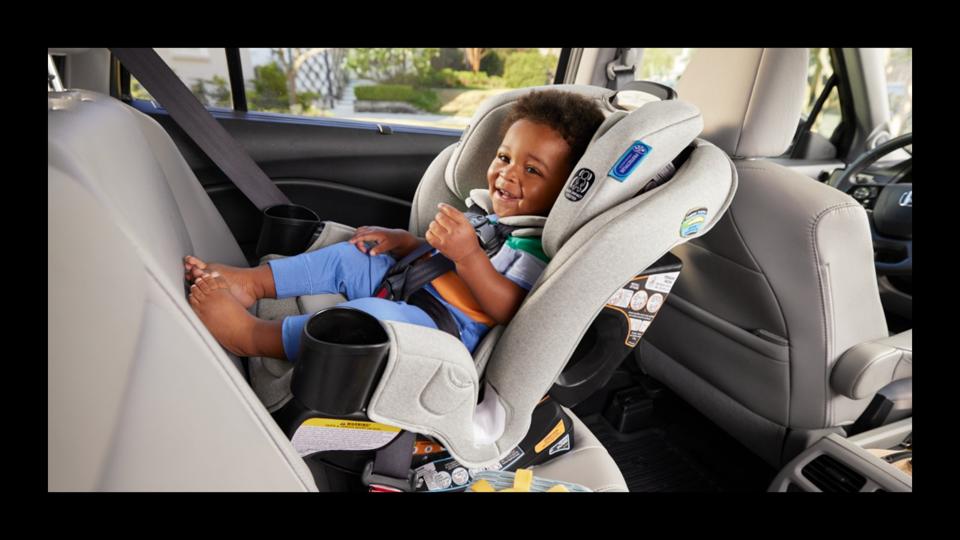
Are you wondering when your child is ready to stop using a car seat? It’s a question every parent asks at some point.
You want to keep your little one safe, but you also want to know the right time to make the switch. Making this decision can feel confusing and even a bit stressful. You’ll discover clear guidelines and expert tips to help you know exactly when your child should move out of their car seat.
Keep reading to make sure your child stays safe while you make the best choice for your family.

Credit: uppababy.com
Car Seat Age And Weight Limits
Understanding car seat age and weight limits is essential for your child’s safety during car rides. Each type of car seat has specific guidelines that help keep your child secure and comfortable. Knowing when to switch seats can prevent serious injuries and ensure compliance with safety laws.
Rear-facing Seats
Rear-facing seats are designed for infants and toddlers. Most experts recommend keeping your child rear-facing until at least 2 years old or until they reach the maximum weight or height limit set by the car seat manufacturer.
These seats typically support children up to 40 pounds, but some convertible seats go higher. I remember my toddler refusing to face forward for a while, and I was glad we waited until the right time because it made me feel more secure during every trip.
Check your car seat’s manual for exact limits, and don’t rush the transition just because your child seems uncomfortable. Their safety depends on following these weight and height boundaries strictly.
Forward-facing Seats
Once your child outgrows the rear-facing seat, it’s time to move to a forward-facing seat with a harness. These seats usually support children from 20 to 65 pounds, but again, this varies with different models.
Keep your child in a forward-facing seat with a harness as long as possible within the weight and height limits. I noticed a big difference in how secure my child felt when we moved to this seat, especially for longer car rides.
Remember, the harness is crucial for protection, so don’t switch to a booster seat too early just to make your child more comfortable.
Booster Seats
Booster seats are for older children who have outgrown forward-facing seats but are still too small to use the car’s seat belt alone. Typically, children between 40 and 100 pounds use boosters, depending on the seat’s specifications.
Boosters position the seat belt properly over your child’s shoulders and hips, which is vital for injury prevention. My nephew once complained about the booster seat being bulky, but I explained how it helps the seat belt fit right—he understood why it’s important.
Make sure your child meets both the weight and height requirements before moving to a booster. It’s tempting to upgrade quickly, but patience keeps your child safer.
Signs Your Child Is Ready To Transition
Knowing when your child is ready to move out of a car seat can feel tricky. You want to keep them safe but also avoid making them feel restricted. Watching for clear signs helps you make the right call for their safety and comfort.
Height And Weight Milestones
Most car seats have specific height and weight limits. Check the label on your child’s seat for the maximum allowed.
Generally, kids transition when they reach about 40 pounds or 4 feet 9 inches tall. But size isn’t the only factor—you must consider how your child fits in the seat.
Behavioral Indicators
Is your child constantly trying to unbuckle or climb out? That can signal they feel too restricted.
Kids ready to transition often show more independence and want to sit like “big kids.” Listen when they express discomfort or frustration.
Have you noticed your child sitting too stiffly or fidgeting to get comfortable? This restlessness may mean it’s time for a change.
Comfort And Fit
Your child should sit comfortably without slouching or leaning forward.
Check that the harness fits snugly and the straps lie flat. If the straps feel too tight or the seat feels cramped, your child might be ready to move on.
Try a seat belt fit test: the seat belt should lie across the upper thighs and shoulder, not the stomach or neck. If the belt doesn’t fit properly, it’s safer to keep using a booster or car seat until it does.
State And National Safety Regulations
State and national safety regulations guide when children should stop using car seats. These rules protect young passengers during car rides. They set clear standards for height, weight, and age limits for car seat use. Parents and guardians must follow these laws to ensure child safety on the road.
Legal Requirements
Each state sets its own laws about car seat use. Most states require children to use car seats until they reach a certain age or size. Common rules include:
- Rear-facing seats for infants under 2 years old
- Forward-facing seats until at least 4 years old
- Booster seats for children until they are 8 to 12 years old
- Using seat belts only after the child outgrows booster seats
These requirements aim to keep children secure in cars. They follow guidelines from national safety organizations.
Variations By Region
Car seat laws differ across regions. Some states have stricter rules than others. For example:
- Some states require booster seats until 8 years old; others until 12
- Height and weight limits vary widely
- Enforcement of laws can differ by county or city
Parents should check local laws to ensure compliance. This helps protect their children and avoid fines.
Consequences Of Non-compliance
Ignoring car seat laws can lead to serious problems. Penalties include:
- Fines and tickets from police
- Points on the driver’s license
- Increased insurance rates
- Greater risk of injury in accidents
Following safety regulations reduces risks and keeps kids safer. It also avoids legal troubles and extra costs.

Credit: www.britax.ca
Choosing The Right Seat For Each Stage
Choosing the right car seat for each stage of your child’s growth is essential for safety and comfort. Kids grow fast, and their needs change quickly. Picking a seat that fits their size and weight keeps them secure during every ride.
Parents should know the key features that make a car seat suitable for different ages. Seats designed for infants differ from those made for toddlers or older children. Understanding these differences helps in making the best choice for each stage.
Features To Look For
- Proper harness system that fits your child’s size
- Side-impact protection for extra safety
- Comfortable padding to keep your child cozy
- Easy installation with clear instructions
- Labels showing weight and height limits
Adjustability And Longevity
Choose seats that grow with your child. Adjustable headrests and harnesses help extend the seat’s use. Seats that convert from rear-facing to forward-facing save money and space. Longevity means less hassle and more value over time.
Budget Considerations
Car seats come in a wide price range. Expensive seats often have more features but basic models meet safety standards too. Focus on safety ratings first. Look for seats that fit your budget without compromising protection. You can find good seats that balance price and quality.
Proper Installation And Usage Tips
Ensuring your child’s car seat is properly installed and used is crucial for their safety. It’s not just about strapping them in; it’s about understanding every detail of the process. Here are some practical tips to guide you through the proper installation and usage of car seats.
Common Installation Mistakes
Even the most well-intentioned parents can make mistakes during installation. Avoid using the wrong angle; the car seat should be at a 45-degree angle for infants. Always check that the seat doesn’t move more than an inch side-to-side or front-to-back.
Another common error is not using the top tether. It provides additional stability, especially in front-facing car seats. Are you guilty of these mistakes?
Harness And Belt Positioning
A properly positioned harness can make all the difference in an accident. Ensure the harness is snug, with no slack. You should not be able to pinch any fabric of the harness strap.
The chest clip should be at armpit level, not lower. This secures the harness and ensures your child is restrained correctly. Check this positioning every time you buckle up.
Regular Safety Checks
Routine checks can prevent future mishaps. Inspect the car seat regularly for any signs of wear or damage. Are all parts functioning as they should?
Check the car seat’s expiration date. Yes, they do expire, and using an expired seat could compromise your child’s safety. Make it a habit to review the car seat’s manual to ensure you’re up-to-date with any recalls or updates.
Proper installation and use can significantly impact your child’s safety. By being vigilant and informed, you’re making a crucial step towards ensuring your child’s well-being on the road.
Transitioning Out Of Car Seats Safely
Transitioning your child out of a car seat is a big step that requires careful attention to safety and comfort. It’s not just about moving them out of the car seat but ensuring they’re ready for the next stage of travel. Understanding when and how to make this change can protect your child from harm and give you peace of mind during every trip.
When To Move To Seat Belts
You should only move your child to a seat belt when they meet the height and weight requirements set by safety experts, typically around 4 feet 9 inches tall and between 8 and 12 years old. Their ability to sit properly without slouching or leaning forward is crucial. If your child can’t keep the seat belt positioned correctly across their chest and lap, it’s too early to switch.
Ask yourself: Does your child’s back rest firmly against the car seat back? Is the seat belt snug on the shoulder and low across the hips? If the answer is no, continue using a booster seat for better protection.
Using Booster Seats Correctly
Booster seats play a vital role in positioning the seat belt properly on your child’s body. They raise your child so the lap belt fits low on the hips and the shoulder belt crosses the chest, not the neck or face. Ensure the booster seat is secured tightly and your child sits still during the ride without leaning or slouching.
- Choose a booster seat approved for your child’s weight and height.
- Position the booster on the vehicle’s back seat, as this is the safest spot.
- Check that the seat belt clicks securely into the buckle every time.
Remember, using a booster seat even after your child starts using the seat belt can prevent injuries in sudden stops or accidents.
Ensuring Child’s Comfort
Comfort directly affects your child’s willingness to stay in the car seat or booster seat properly. Add soft seat covers or cushions designed for car seats to avoid irritation or pressure points. Make sure the harness or belt is snug but not too tight, allowing room for natural movement without sacrificing safety.
Consider your child’s temperature too—layers that can be easily removed help manage heat during longer trips. Engage your child by letting them pick a favorite travel toy or music to keep them relaxed and focused while buckled in.
Have you noticed your child fidgeting or complaining during rides? This could signal the need to reassess their seating setup or comfort accessories. Keeping your child comfortable isn’t just about happiness—it’s about keeping them safely secured every mile of the journey.
Addressing Common Concerns And Myths
Many parents wonder about the right time to move their child out of a car seat. Myths and concerns often cloud this decision. Clarifying these points helps keep children safer during travel. Understanding common worries guides parents to make informed choices.
Early Transition Risks
Taking a child out of a car seat too soon can be dangerous. Their bones and muscles are still developing. Car seats offer the best protection in crashes. Without proper support, injuries can be more severe. Children should stay in car seats until they meet size and weight limits. Waiting reduces the risk of serious harm.
Misconceptions About Age Vs. Size
Many think age alone decides when to stop using a car seat. Size matters more than age. Some kids grow faster or slower. Car seat rules focus on height and weight limits. A small older child may need a car seat longer. Always check the car seat manual for specific limits.
Handling Peer Pressure
Kids may want to leave the car seat early because friends do. Peer pressure can be strong at school and playgrounds. Parents should explain why car seats keep them safe. Setting firm rules helps children understand safety is a priority. Praise children for following safety rules despite peer pressure.

Credit: www.jovikids.ae
Frequently Asked Questions
When Can Kids Stop Using Rear-facing Car Seats?
Children can switch from rear-facing to forward-facing seats after age 2 or when they reach the seat’s weight limit. Rear-facing seats offer better head and neck protection during crashes. Always follow the car seat manufacturer’s guidelines for safety.
At What Age Do Kids Graduate To Booster Seats?
Kids typically move to booster seats between ages 4 and 7. This transition depends on height, weight, and seat belt fit. Booster seats ensure the seat belt fits properly across the child’s shoulder and hips for maximum protection.
How Tall Should A Child Be To Leave Car Seats?
Children should be at least 4 feet 9 inches tall before leaving car seats. Proper height ensures the vehicle’s seat belt fits securely across the chest and hips. Using a booster seat until this height improves safety.
Why Is It Important To Keep Kids In Car Seats Longer?
Keeping kids in car seats longer reduces injury risk during accidents. Car seats provide better support and protection than seat belts alone for smaller children. Transitioning too early can compromise safety and increase injury severity.
Conclusion
Car seat safety depends on age, weight, and height rules. Kids should stay in car seats until they meet these limits. Switching too early can put children at risk during travel. Always check local laws and car seat instructions carefully.
Keep your child secure for every trip. Safety first, always.