
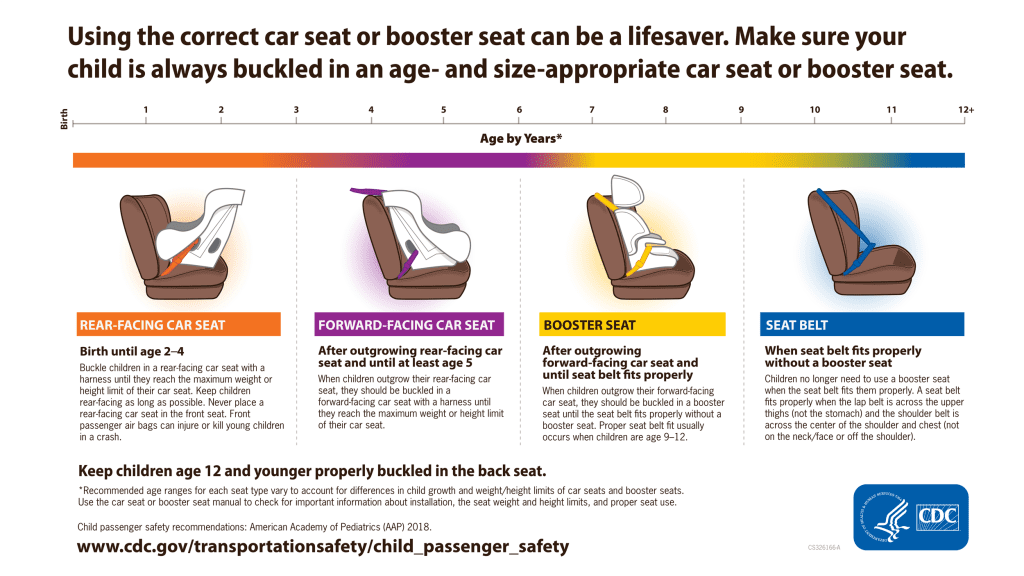
Are you wondering when it’s safe and right for your child to face forward in their car seat? You want to keep your little one safe, but the rules can feel confusing.
Making the switch too early could put your child at risk, while waiting too long might seem inconvenient. This guide will help you understand exactly when and why kids should face forward, giving you the confidence to make the best choice for your family’s safety.
Keep reading to learn the key signs and expert tips that protect your child every time you hit the road.
Rear-facing Car Seat Benefits
Choosing a rear-facing car seat for young children offers key safety benefits. It supports a child’s body during sudden stops or crashes. Experts recommend keeping kids rear-facing as long as possible. This position cushions their head, neck, and spine better than forward-facing seats.
Why Rear-facing Offers More Protection
Rear-facing seats spread crash forces over the entire body. The car seat acts like a shell around the child. It slows down the body’s movement during impact. This reduces injury risk significantly compared to forward-facing seats. Studies show that rear-facing seats lower serious injury rates. The design supports the head and torso equally. This is critical during sudden, strong impacts.
Impact On Child’s Neck And Spine
Young children have weaker neck muscles and softer bones. Rear-facing seats protect these vulnerable areas well. In a crash, the seat absorbs most of the force. The child’s head doesn’t whip forward. This lowers the chance of neck and spinal injuries. The rear-facing position keeps the spine aligned. It prevents dangerous bending or twisting during collisions.
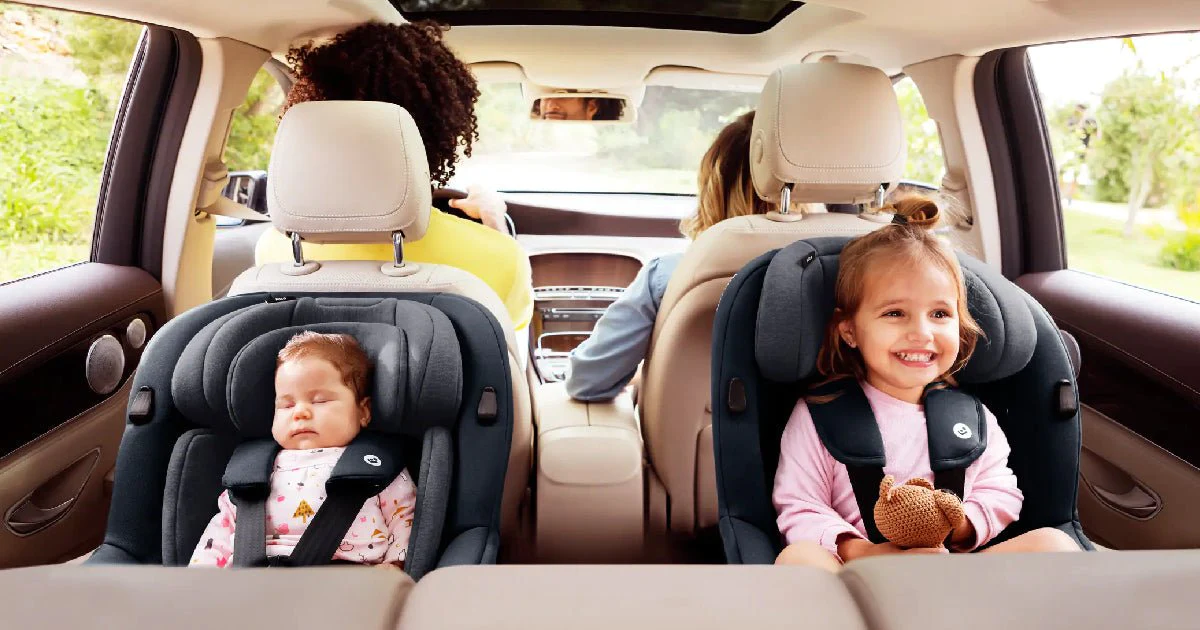
Credit: www.humboldt.ca
Age And Weight Guidelines
Choosing the right time for kids to face forward in their car seat depends mainly on their age and weight. These guidelines keep children safe during travel. Following age and weight rules helps prevent injuries in case of accidents. Parents should always check the car seat manual and local laws for updates.
Recommended Age To Switch
Experts suggest keeping children rear-facing until at least 2 years old. Some safety groups recommend waiting until age 3 or older. The longer a child stays rear-facing, the better their protection. Kids’ necks and spines are still developing, so facing backward reduces injury risk.
Each child grows differently, so age is just one factor. Parents must consider the child’s size and comfort too.
Weight Limits For Rear-facing Seats
Car seats have weight limits for rear-facing mode. These limits vary between models but usually range from 30 to 50 pounds. Always check the seat’s label for exact weight restrictions.
Exceeding weight limits means it is time to switch to forward-facing. Some convertible seats allow children to stay rear-facing longer. This option offers added safety for bigger toddlers.
- Keep children rear-facing until they reach the seat’s weight limit.
- Check the car seat manual for specific guidelines.
- Rear-facing seats protect the head, neck, and spine better.
Types Of Forward-facing Seats
Choosing the right forward-facing car seat for your child can feel overwhelming. There are several types designed to keep your little one safe and comfortable as they grow. Understanding the differences between these seats helps you make the best choice for your child’s age, weight, and height.
Convertible Car Seats
Convertible car seats are popular because they grow with your child. You can use them in a rear-facing position for toddlers and then switch to forward-facing when your child is ready. This flexibility means you won’t have to buy a new seat as your child grows.
Most convertible seats have a 5-point harness system, which provides excellent safety and adjusts as your child gets bigger. Do you know your child’s weight and height limits for rear-facing? Staying rear-facing longer is safer, so check the seat’s guidelines before switching forward.
Combination Seats
Combination seats start forward-facing with a harness and later convert into a booster seat. This option is great if you want a seat that adapts beyond the toddler years. It helps your child transition smoothly from harness use to using the car’s seat belt properly.
Think about how long you want to use the harness before switching to a booster. Some combination seats allow the harness to be used up to 65 pounds or more. This extended use can give you peace of mind as your child grows and gains more independence in the car.

Credit: uppababy.com
Transition Signs To Forward-facing
Knowing when to switch your child to a forward-facing car seat is important for their safety. This change should happen only after certain signs show your child is ready. Paying attention to these signs helps keep your child safe and comfortable during car rides.
Child’s Growth And Comfort
Watch your child’s height and weight closely. Most kids can face forward after they outgrow the rear-facing limits. Check if your child’s head is near the top of the car seat. Notice if your child seems cramped or uncomfortable in the rear-facing seat. Comfort can be a sign it is time to change.
Manufacturer Instructions
Always read the car seat manual carefully. Each seat has specific rules for weight and height limits. These instructions tell when it is safe to switch to forward-facing. Follow the guidelines to ensure proper installation and use. Ignoring these rules can reduce protection in a crash.
Installation Tips For Forward-facing Seats
Kids should face forward in their car seat after reaching the height or weight limit for rear-facing seats. Always check the car seat manual for specific guidelines. Proper installation ensures safety and comfort during rides.
Transitioning your child to a forward-facing car seat is a significant milestone. It’s essential to install the seat properly to ensure your child’s safety. Let’s delve into some practical tips to help you with the installation process.Proper Harness Adjustment
A well-adjusted harness is crucial for your child’s safety. Ensure the harness is snug and lies flat without any twists. Place the chest clip at armpit level to secure your child firmly. Remember that the harness should be tight enough so you can’t pinch any excess strap material. Straps should rest comfortably on your child’s shoulders, not too high or low.Using Seat Belts And Latch Systems
You have two primary methods to secure a forward-facing seat: seat belts and LATCH systems. Both are safe, but it’s essential to choose one method and use it correctly. With seat belts, ensure they are locked and tight. If you’re opting for the LATCH system, check your vehicle’s manual for weight limits and proper anchor points. Have you ever double-checked your work only to find a mistake you missed? Always give your installation a second look. Secure, check, and re-check to ensure your child’s journey is as safe as possible. Isn’t it comforting to know that taking a few extra minutes for installation can make all the difference?Common Mistakes To Avoid
Choosing the right time to turn your child’s car seat forward can be confusing. Mistakes can put your child at risk. Knowing common errors helps keep your child safe and comfortable. Avoid these common mistakes for a safer ride.
Switching Too Early
Many parents switch their child to a forward-facing seat too soon. Experts recommend keeping kids rear-facing as long as possible. Rear-facing seats protect the head, neck, and spine better in crashes.
Switching too early can increase the risk of injury. Wait until your child meets the seat’s height and weight limits. Check the car seat manual for exact guidelines. Patience is key for your child’s safety.
Incorrect Seat Installation
Improper car seat installation is a common mistake. Even the safest seat can fail if installed wrongly. Ensure the seat is tightly secured with the seat belt or LATCH system.
The angle of the seat matters too. Too upright or too reclined can affect protection and comfort. Regularly check the seat’s fit as your child grows. Consult the manual or a certified technician for help.
Legal Requirements And Safety Standards
Understanding the legal requirements and safety standards for when kids can face forward in their car seats is crucial for every parent. These rules are designed to protect your child during car rides and vary depending on where you live. Knowing the details helps you make informed decisions that keep your little one safe and compliant with the law.
State Laws On Car Seat Orientation
Each state has its own laws about when children should switch from rear-facing to forward-facing car seats. Most states recommend keeping kids rear-facing until at least 2 years old, but some require it until a child reaches a specific weight or height.
For example, California law requires children under 2 years old to ride rear-facing unless they weigh 40 pounds or more. Meanwhile, Texas allows forward-facing once the child is at least 2 years old and meets the seat’s height and weight limits.
Have you checked your state’s specific rules? This helps you avoid fines and, more importantly, ensures your child’s safety is prioritized according to local standards.
Safety Certifications To Look For
When choosing a car seat, look for safety certifications that prove the seat meets national standards. The most recognized certification in the U.S. is the FMVSS 213 label, which means the seat complies with federal motor vehicle safety standards.
Additionally, seats tested by organizations like JPMA (Juvenile Products Manufacturers Association) provide extra assurance. These certifications mean the seat has passed rigorous crash tests and meets strict safety criteria.
Don’t just rely on price or brand reputation—check for these labels. Your child’s safety depends on using a car seat that has been thoroughly tested and approved.

Credit: orbitbaby.com
Expert Recommendations
Experts suggest keeping kids rear-facing until at least age two or until they reach the car seat’s height and weight limits. This position offers better protection for their head and neck during crashes. Moving forward too soon may increase injury risk.
Navigating the world of car seats can be overwhelming. As a parent, you want to ensure your child’s safety while adhering to the latest recommendations. Knowing when to transition your child from a rear-facing to a forward-facing car seat is crucial. Below, we dive into expert recommendations that can guide you in making the best decision for your little one’s safety.Pediatricians’ Advice
Pediatricians often recommend keeping your child in a rear-facing seat as long as possible. This is because rear-facing seats provide better support for a child’s head, neck, and spine in the event of a collision. Have you ever wondered why they stress this so much? It’s simple: rear-facing seats distribute the force of the impact more evenly across the child’s body. Many pediatricians advise waiting until your child is at least two years old before making the switch to a forward-facing seat. However, you should always consider your child’s size and developmental needs. If your child is small for their age, it might be safer to keep them rear-facing a bit longer.Safety Organizations’ Guidelines
Safety organizations like the American Academy of Pediatrics (AAP) have clear guidelines. They suggest using a rear-facing car seat until your child reaches the maximum height or weight allowed by the seat’s manufacturer. These limits can vary, so it’s important to check your specific car seat’s manual. The National Highway Traffic Safety Administration (NHTSA) also supports this guideline. They emphasize the importance of following the car seat manufacturer’s instructions to ensure maximum safety. Have you ever checked if your car seat is properly installed? A small error can compromise your child’s safety. By following these expert recommendations, you can make informed decisions that prioritize your child’s safety. Remember, every child is different, and their needs may vary. Always trust your instincts and consult with professionals when in doubt.Frequently Asked Questions
When Is The Right Age For Kids To Face Forward?
Kids should face forward after reaching at least 2 years old. They must also meet the car seat’s height and weight limits. Rear-facing offers better safety for younger children by protecting their head and neck.
What Are Height And Weight Limits For Forward-facing Seats?
Forward-facing seats usually require children to weigh 20 to 40 pounds and be 30 to 40 inches tall. Always check your specific car seat’s manual for exact limits before turning your child forward.
Why Keep Kids Rear-facing As Long As Possible?
Rear-facing seats provide better protection for a child’s head, neck, and spine during a crash. Experts recommend keeping children rear-facing until they outgrow height or weight limits to maximize safety.
Can Premature Babies Face Forward Sooner?
Premature babies should remain rear-facing until they meet age, height, and weight requirements. Their development may vary, so consult your pediatrician before switching to a forward-facing seat.
Conclusion
Kids should stay rear-facing as long as possible for safety. Most experts say to keep toddlers rear-facing until at least age two. Check your car seat’s weight and height limits before turning forward. Forward-facing too soon can increase injury risk during a crash.
Always follow your car seat manual and local laws. Remember, safety comes first when deciding car seat direction. Keep your child safe by making smart, careful choices.