

Are you wondering when it’s safe for your child to face forward in the car? Making this decision can feel confusing and even stressful because you want to keep your little one as safe as possible.
The right timing isn’t just about age—it’s about your child’s growth, comfort, and security. You’ll discover clear, easy-to-follow guidelines that help you know exactly when your child is ready to turn forward. Keep reading to learn how you can protect your child every time you hit the road.

Credit: bridgemi.com
Car Seat Basics
Choosing the right car seat is vital for your child’s safety during every trip. Understanding the basics helps parents decide the best option for their little ones. Car seats come in different types, made for various ages and sizes. Installing the seat correctly ensures maximum protection. Knowing when to switch from rear-facing to forward-facing is key.
Rear-facing Vs Forward-facing Seats
Rear-facing seats support a child’s head, neck, and spine in a crash. They reduce injury risk by spreading crash forces. Forward-facing seats allow children to face the road ahead. They have harnesses to keep kids secure. Experts recommend keeping children rear-facing as long as possible.
Age And Weight Recommendations
- Infants usually start in rear-facing seats from birth.
- Children should remain rear-facing until at least 2 years old.
- Weight limits vary but often range from 20 to 40 pounds for rear-facing.
- Forward-facing seats are suitable after outgrowing rear-facing limits.
- Always check your car seat manual for specific guidelines.
Importance Of Proper Installation
Even the best car seat fails if installed wrongly. Secure the seat tightly to prevent movement. Use the vehicle’s seat belt or LATCH system as instructed. Check the angle of the seat to avoid slumping. Harness straps must fit snugly without slack. Regularly inspect the seat for wear or damage.

Credit: www.injurylawyers.com
When To Switch To Forward-facing
Knowing the right time to switch your child to a forward-facing car seat can feel confusing. It’s a decision that affects their safety and comfort on every trip. Understanding key signs, following manufacturer advice, and knowing your region’s laws will help you make the right call.
Signs Your Child Is Ready
You might notice your toddler sitting up straighter and showing more curiosity about the world around them. When your child can keep their head steady without support and fits within the height and weight limits of a forward-facing seat, it’s a strong indicator they’re ready. Watch for these physical signs to ensure the transition won’t compromise their safety.
Also, if your child expresses discomfort in their current rear-facing seat or seems cramped, it could be time to consider switching. But don’t rush just because they want to face forward; safety should guide your decision.
Manufacturer Guidelines
Every car seat brand sets its own rules for when to switch from rear-facing to forward-facing. Check your car seat’s manual closely—these guidelines are based on extensive testing. The recommended weight and height limits often vary, but most seats suggest staying rear-facing until at least 2 years old.
Remember, manufacturers design these seats to protect children best within specific limits. Ignoring these instructions can reduce the effectiveness of the seat during a crash.
Legal Requirements By Region
Different countries and states have laws dictating when a child must switch to forward-facing. Some places require children to remain rear-facing until age 2 or until they reach certain size thresholds. Others might have stricter or more lenient rules.
| Region | Minimum Age to Switch | Additional Requirements |
|---|---|---|
| United States | At least 2 years old | Must meet car seat manufacturer’s size limits |
| United Kingdom | 15 months | Weight and height limits apply |
| Australia | At least 6 months (rear-facing recommended up to 2 years) | Strict weight and height requirements |
Have you checked your local laws and your car seat manual lately? Combining this information with your child’s growth will help you decide the safest moment to switch to forward-facing. Your child’s protection depends on it.
Safety Tips For Forward-facing Seats
Kids should stay rear-facing until they reach the car seat’s height or weight limit. Forward-facing seats are safer only after this stage. Always check your car seat’s instructions to know the right time to turn your child forward.
When it’s time for your child to transition to a forward-facing car seat, safety becomes crucial. Ensuring the seat is correctly installed and used can protect your child in case of a crash. Here are some essential safety tips to keep your child secure in a forward-facing seat.Harness Fit And Adjustments
The harness should fit snugly over your child’s shoulders. Adjust it to sit at or above the shoulders. Make sure there is no slack. The chest clip should be at armpit level. A properly adjusted harness prevents injuries.Booster Seat Transition
Children should move to a booster seat when they outgrow the forward-facing seat. Typically, this happens when they reach the weight or height limit of the car seat. Check your car seat manual for specific limits. The booster seat allows the vehicle’s seat belt to fit properly.Common Mistakes To Avoid
Avoid these mistakes to ensure safety. Do not use a seat that is expired or damaged. Always follow the car seat manufacturer’s instructions. Never place the forward-facing seat in a car with active airbags. Regularly check the seat’s installation and adjust as needed.Role Of Seat Belts And Boosters
The role of seat belts and booster seats is crucial when deciding the right time for kids to face forward in the car. These safety tools help protect your child by ensuring the seat belt fits correctly and provides maximum protection during a ride. Understanding how to use them properly can make a big difference in your child’s safety and comfort.
Proper Seat Belt Positioning
Seat belts must fit your child correctly to be effective. The lap belt should lie snugly across the upper thighs, not the stomach. The shoulder belt should cross the chest and rest between the neck and shoulder.
If the belt rides too high or too low, it can cause injury during a sudden stop. Check the fit every time your child rides to make sure the belt is positioned properly. Have you noticed how often kids try to slouch or shift the belt? It’s important to gently remind them to sit up straight.
When To Start Using Booster Seats
Booster seats help position the seat belt correctly on your child’s body. Children should use a booster seat until the adult seat belt fits them properly, which usually happens when they reach about 4 feet 9 inches tall and are between 8 to 12 years old.
Switching too early can be risky because the belt won’t protect the child as intended. Waiting too long means your child misses out on the added safety boosters provide. Have you checked if your child’s shoulders sit above or below the seat belt guide? That’s a good sign they’re ready for a booster or a regular belt.
Ensuring Comfort And Safety
Comfort is key to keeping your child safely buckled for every trip. If a seat belt or booster seat feels tight or awkward, your child may resist wearing it properly.
Look for booster seats with adjustable straps and padding. Let your child help pick the booster to increase their willingness to use it. Remember, a comfortable child is a safer child. How do you make sure your child stays comfortable during longer car rides?
Additional Safety Measures
Keeping children safe in the car goes beyond just choosing when to face them forward. Extra care is needed to protect young passengers. Small steps can prevent serious injuries and keep rides comfortable. Below are some key safety tips every parent should know.
Airbag Precautions
Airbags can cause harm to small children sitting too close. Always place child seats in the back seat, away from airbags. If the car has a front passenger airbag, disable it when using a forward-facing car seat there. Check your vehicle manual for airbag safety instructions. Keep kids properly restrained to reduce injury risks from airbags.
Car Seat Expiration And Replacement
Car seats have expiration dates. Materials wear out and safety standards change over time. Always check the label for the seat’s expiration date. Replace car seats after any moderate or severe crash, even if they look fine. Avoid buying used seats without knowing their history. Using a current, undamaged seat ensures better protection.
Regular Safety Checks
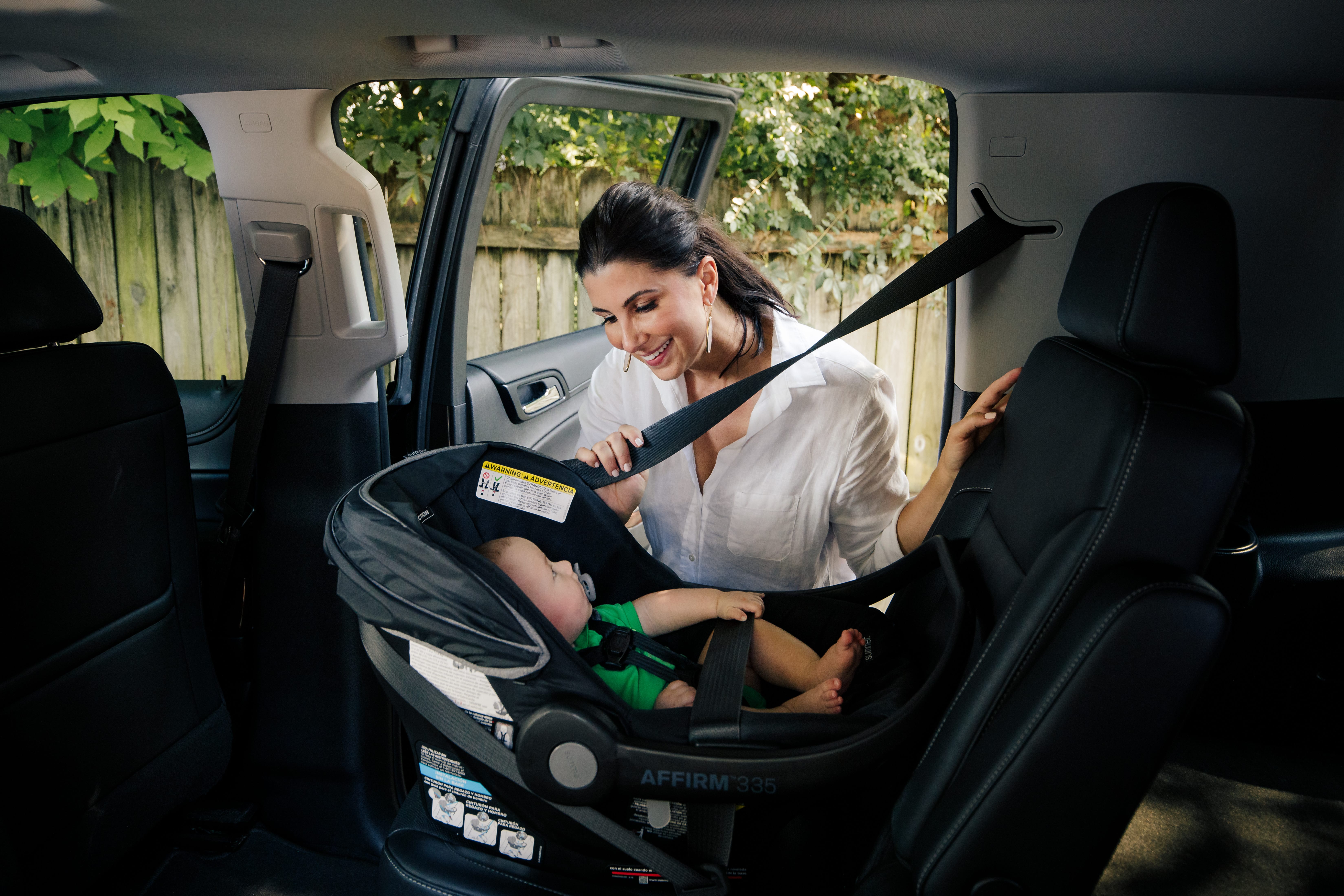
Check car seats often to maintain proper fit and function. Look for cracks, loose straps, or broken parts. Make sure harnesses are snug and chest clips stay at armpit level. Verify the seat is installed tightly with no side-to-side movement. Regular inspections help spot problems early before they become dangerous.
Credit: www.safeintheseat.com
Frequently Asked Questions
When Is It Safe For Kids To Face Forward In Car Seats?
Children can face forward after reaching at least 2 years old. They should also meet the car seat’s height and weight limits for forward-facing use. Always follow local laws and car seat manufacturer guidelines for safety.
Why Keep Kids Rear-facing Longer In The Car?
Rear-facing seats better protect a child’s head, neck, and spine in crashes. Staying rear-facing until age 2 or beyond significantly reduces injury risk. Experts recommend rear-facing as long as possible within car seat limits.
What Are The Height And Weight Limits For Forward-facing?
Forward-facing limits vary by car seat model but usually start around 20-22 pounds. Height limits often range from 30 to 49 inches. Check your specific car seat’s manual to ensure your child fits safely before switching forward.
How Do Laws Affect When Kids Face Forward?
Child passenger safety laws differ by state or country. Many require kids to remain rear-facing until age 2 or older. Always verify your local regulations to comply and keep your child safe on the road.
Conclusion
Kids should stay rear-facing until at least age two. This keeps them safer in car crashes. Parents must follow car seat guidelines carefully. Every child grows at a different pace. Watch their weight and height limits closely. Forward-facing too soon can cause serious injuries.
Always use the right car seat for your child’s size. Safety matters more than convenience or speed. Protect your kids by making smart car seat choices. It’s a simple step that saves lives every day. Keep them safe, no matter how short the trip.