
Are you wondering when it’s safe to turn your child’s car seat to face forward? It’s a question many parents ask, and the answer can keep your little one safer on every ride.
Making the switch at the right time isn’t just about convenience—it’s about protecting your child’s fragile neck and spine during sudden stops or accidents. You’ll discover exactly when and why to face your child forward, helping you make confident choices that keep your family secure.
Keep reading to learn the key signs and expert advice you don’t want to miss.
Rear-facing Vs Forward-facing Seats
Deciding when to switch your child from a rear-facing to a forward-facing car seat is crucial for their safety. Both options serve different purposes and protect your little one in unique ways. Understanding these differences can help you make the best choice for your child’s growth and well-being.
Benefits Of Rear-facing Seats
Rear-facing seats offer the best protection for infants and toddlers. They support your child’s head, neck, and spine during sudden stops or crashes by distributing the force across the entire back.
Research shows that children in rear-facing seats are significantly less likely to suffer serious injuries. Many parents find peace of mind knowing their child is shielded in the safest position possible.
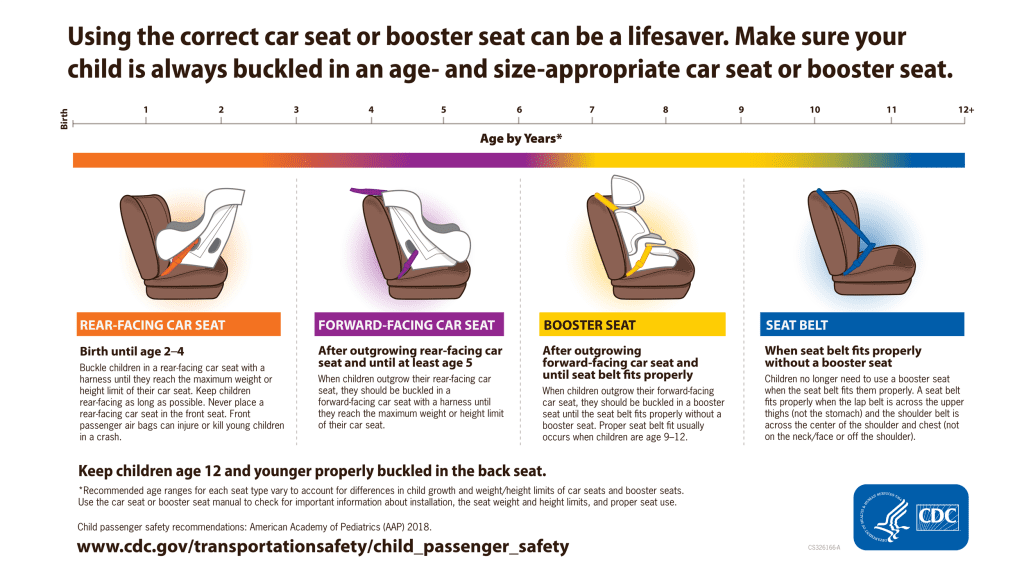
Did you know that most experts recommend keeping kids rear-facing until at least age 2? This advice helps ensure your child is protected during their most vulnerable years.
When To Switch Forward-facing
It’s tempting to turn your child forward-facing early, especially when they want to see the world around them. But safety guidelines suggest waiting until your child reaches the height or weight limit of their rear-facing seat.
Once you switch, use a forward-facing seat with a harness designed for toddlers. This setup keeps your child secure while allowing more mobility and visibility.
Ask yourself: Is your child ready to sit forward-facing? Check the car seat manual and your child’s growth to make an informed decision. Remember, staying rear-facing longer is usually safer.
Credit: mommyhood101.com
Age And Weight Guidelines
Understanding the age and weight guidelines for switching your child to a forward-facing car seat is crucial for their safety. These guidelines help you know the right moment to make the change without compromising protection. Let’s break down what you need to watch for in terms of age and weight limits.
Recommended Age For Forward-facing
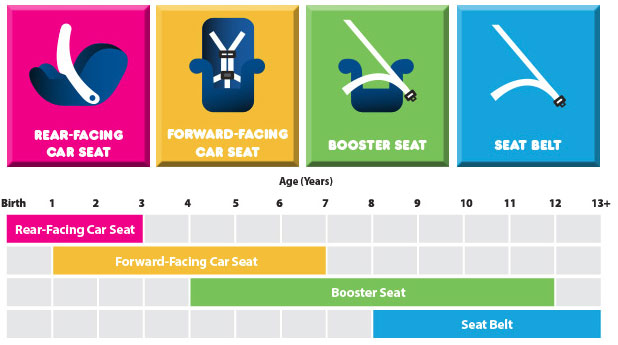
Experts suggest keeping your child rear-facing for as long as possible, usually until at least 2 years old. However, some children can safely remain rear-facing up to age 4, depending on their size and car seat model.
Have you noticed how quickly your little one grows? This growth affects when they’re ready to face forward. Always check your car seat manual for specific age recommendations, as manufacturers may differ.
Weight Limits To Consider
Weight is just as important as age. Most rear-facing car seats support children up to 40 pounds, but this varies. Once your child exceeds the rear-facing weight limit, it’s time to switch forward-facing.
Here’s a quick look at typical weight limits:
| Car Seat Type | Weight Range |
|---|---|
| Rear-Facing Only Seats | Typically up to 30-35 lbs |
| Convertible Seats (Rear to Forward) | Rear-facing up to 40 lbs; Forward-facing up to 65 lbs |
Have you checked your child’s current weight against these limits? If your child is close to the maximum rear-facing weight, prepare to switch soon. This ensures you stay within safety guidelines without rushing the transition.
Safety Standards And Regulations
Safety standards and regulations guide parents on when to turn their kids forward in a car seat. These rules protect children from injury during travel. They are based on research and tested for maximum safety. Understanding these standards helps parents make smart choices for their children.
Current Car Seat Laws
Each state sets its own rules for car seat use. Many states require children to ride rear-facing until at least age 2. Some states have laws based on weight and height limits. These laws aim to keep children in the safest position longer. Parents must follow local laws to avoid fines and keep kids safe.
Manufacturer Recommendations
Car seat makers give clear advice on forward-facing ages. Most recommend keeping children rear-facing until they reach the seat’s weight or height limit. This can be between 30 to 40 pounds for many models. Using the seat as directed helps protect a child’s head and neck. Always read the manual before switching the seat forward.

Credit: orbitbaby.com
Proper Installation Tips
Proper installation of a car seat is key for child safety when facing forward. Every detail matters to keep your child secure. Understanding how to install the seat correctly prevents injuries during sudden stops or crashes. Follow clear steps to make sure the seat fits tightly and stays in place.
Securing The Car Seat Correctly
Start by reading the car seat manual carefully. Check the seat belt or LATCH system for tightness. The car seat should not move more than one inch side to side or front to back. Use your body weight to press the seat firmly against the vehicle seat. Buckle the child securely with the harness straps at or above shoulder level. Make sure the harness is snug, allowing no slack.
Common Installation Mistakes
- Using the wrong belt path for a forward-facing seat.
- Leaving excess slack in the harness straps.
- Installing the seat loosely or allowing it to move too much.
- Placing the chest clip too low or too high on the child.
- Not checking the vehicle’s manual for specific car seat rules.
- Forgetting to secure the tether strap at the top of the seat.
Avoiding these errors improves safety and comfort for your child. Double-check each step before driving.
Harness And Strap Adjustments
Adjust harness and straps to fit snugly against your child’s body before turning them forward. Proper adjustment ensures safety and comfort during the transition. Check straps regularly as your child grows to maintain the right fit.
Harness and Strap Adjustments Ensuring your child’s car seat is properly adjusted is crucial for their safety and comfort during car rides. Many parents wonder about the right time to make these adjustments, especially as their child grows and eventually faces forward. Making sure the harness and straps are correctly positioned and adjusted can make a significant difference in how secure your child is in their seat. So, how do you know when and how to adjust these components?Correct Harness Positioning
The harness should snugly fit against your child’s body. It should be positioned at or just below your child’s shoulders in a rear-facing seat and at or just above the shoulders in a forward-facing seat. A helpful tip is to try the “pinch test”—try pinching the strap at your child’s shoulder. If you can pinch any excess strap, it’s too loose. Ensuring the harness is correctly positioned is the first step to keeping your child safe.When To Tighten Or Loosen Straps
Strap tightness is just as crucial as positioning. Straps should be snug, allowing no more than a finger’s width between the strap and your child’s chest. Adjust the straps based on your child’s clothing. Bulky coats can make the harness seem tight when it’s not, so always adjust with the clothes they’ll be wearing in the car. Regularly checking the strap tightness ensures your child’s safety. Have you ever noticed how kids seem to grow overnight? Their growth can change the fit of the harness, so keep an eye on it regularly.Signs To Transition Forward
Knowing the right time to switch your child from a rear-facing to a forward-facing car seat is crucial for their safety. It’s not just about hitting a certain age or weight but watching for clear signs that your child is ready. Understanding these indicators helps you make a confident decision that prioritizes your child’s well-being.
Physical Growth Indicators
Your child’s size plays a key role in when to transition forward. Look for these physical signs:
- Height:When your child’s head is within 1 inch of the top of the rear-facing seat, it’s time to think about moving forward.
- Weight:Check the car seat manual for the maximum rear-facing weight limit. If your child is close or has surpassed it, consider the switch.
- Leg Length:While legroom is less important for safety, extremely cramped legs may signal your child’s comfort is compromised.
I noticed my toddler’s head was almost touching the top of the seat, which made me realize it was time to change. It’s easy to overlook these signs when you’re focused on age alone.
Behavioral Signs
Physical growth isn’t the only factor. Your child’s behavior can also tell you when they’re ready for a forward-facing seat.
- Restlessness:If your child frequently squirms or tries to turn around, they might be uncomfortable in the rear-facing position.
- Visibility:Older toddlers often want to see more of the road and interact with parents or siblings in the front seat.
- Self-Support:Kids who can sit upright without support for long periods are usually ready to face forward safely.
One day, my child kept trying to twist around to face me, making the ride stressful. That behavior was a clear sign it was time to transition. Have you noticed similar cues from your child during car rides?
Common Myths About Forward-facing
When deciding the right time to turn your child’s car seat forward, you might hear a lot of conflicting advice. Many of these ideas are rooted in myths that can confuse and worry parents. Understanding what’s true and what’s not can help you make safer choices for your child’s car seat transition.
Debunking Safety Misconceptions
One common myth is that forward-facing seats are just as safe as rear-facing seats for infants. The truth is, rear-facing seats offer better protection for a child’s head, neck, and spine during a crash. Experts recommend keeping your child rear-facing until at least age 2 or until they reach the car seat’s height or weight limits.
Another misconception is that kids get bored or uncomfortable in rear-facing seats, which leads parents to switch too early. Safety should always come first, even if your little one fusses a bit. Many parents find that using toys or mirrors designed for rear-facing seats helps keep their child entertained and content.
Impact On Child Comfort
Some parents worry that forward-facing seats are more comfortable because children can see out the window and interact more. While this can be true, comfort doesn’t override safety needs. If you switch your child forward-facing too soon, you might be sacrificing crucial protection.
Comfort can be improved in rear-facing seats with simple adjustments like proper padding or a sunshade. Have you tried adding a cozy neck pillow or a soft blanket? These small changes can make a big difference in your child’s ride experience without compromising safety.
Tips For A Smooth Transition
Children should stay rear-facing until they reach the car seat’s height or weight limit. Gradually introduce forward-facing when they show readiness signs. Always follow the car seat manual for safe adjustments.
Transitioning your child to a forward-facing car seat is a significant moment. It requires careful planning to ensure safety and comfort. Here are some valuable tips to make this change smooth and stress-free.Preparing Your Child
Talk to your child about the new seating position. Explain how they will now be able to see more outside the window. This can make them excited about the change. Involve them in the process. Let them help choose a car seat cover or a small toy for the ride. This involvement can ease any anxiety they might have.Adjusting To New Seating Positions
Once you install the new car seat, check its position. Ensure it’s securely fastened and fits well in your car. Adjust the harness to fit snugly around your child’s shoulders. It shouldn’t be too tight or too loose. Test the seatbelt to confirm it clicks firmly into place. This ensures your child’s safety during travel. Encourage your child to sit comfortably and explore the new view. This can make the transition more enjoyable for them. These small steps can make the forward-facing experience safer and more pleasant.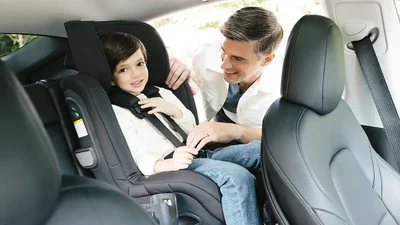
Credit: uppababy.com
Frequently Asked Questions
When Should Kids Face Forward In A Car Seat?
Kids should face forward once they outgrow rear-facing limits. Usually, this is around age 2 or when the child exceeds the seat’s height or weight limits. Staying rear-facing longer offers better protection for the head, neck, and spine during crashes.
What Age Is Safe To Turn A Car Seat Forward?
The safest age to turn a car seat forward is at least 2 years old. However, it depends on the child’s size and the car seat’s specifications. Always follow manufacturer guidelines and local laws for the best safety practices.
How Long Should A Child Stay Rear-facing?
Children should remain rear-facing until they reach the maximum height or weight allowed by their car seat. This is typically until age 2 to 4. Rear-facing seats provide superior protection by distributing crash forces more evenly across the body.
What Are The Benefits Of Rear-facing Car Seats?
Rear-facing car seats protect a child’s head, neck, and spine better in a crash. They reduce injury risk by supporting the entire body during sudden stops. Experts recommend keeping kids rear-facing as long as possible for maximum safety.
Conclusion
Kids should stay rear-facing as long as possible for safety. Most experts say keep them rear-facing until at least age two. Check your car seat’s height and weight limits. Once your child outgrows those limits, you can switch to forward-facing.
Always follow the car seat manual and local laws. Proper installation and correct harness use matter most. Safety comes first, no matter how excited kids are to face forward. Keep your child secure and comfortable on every ride. Safety rules help protect your little ones on the road.