
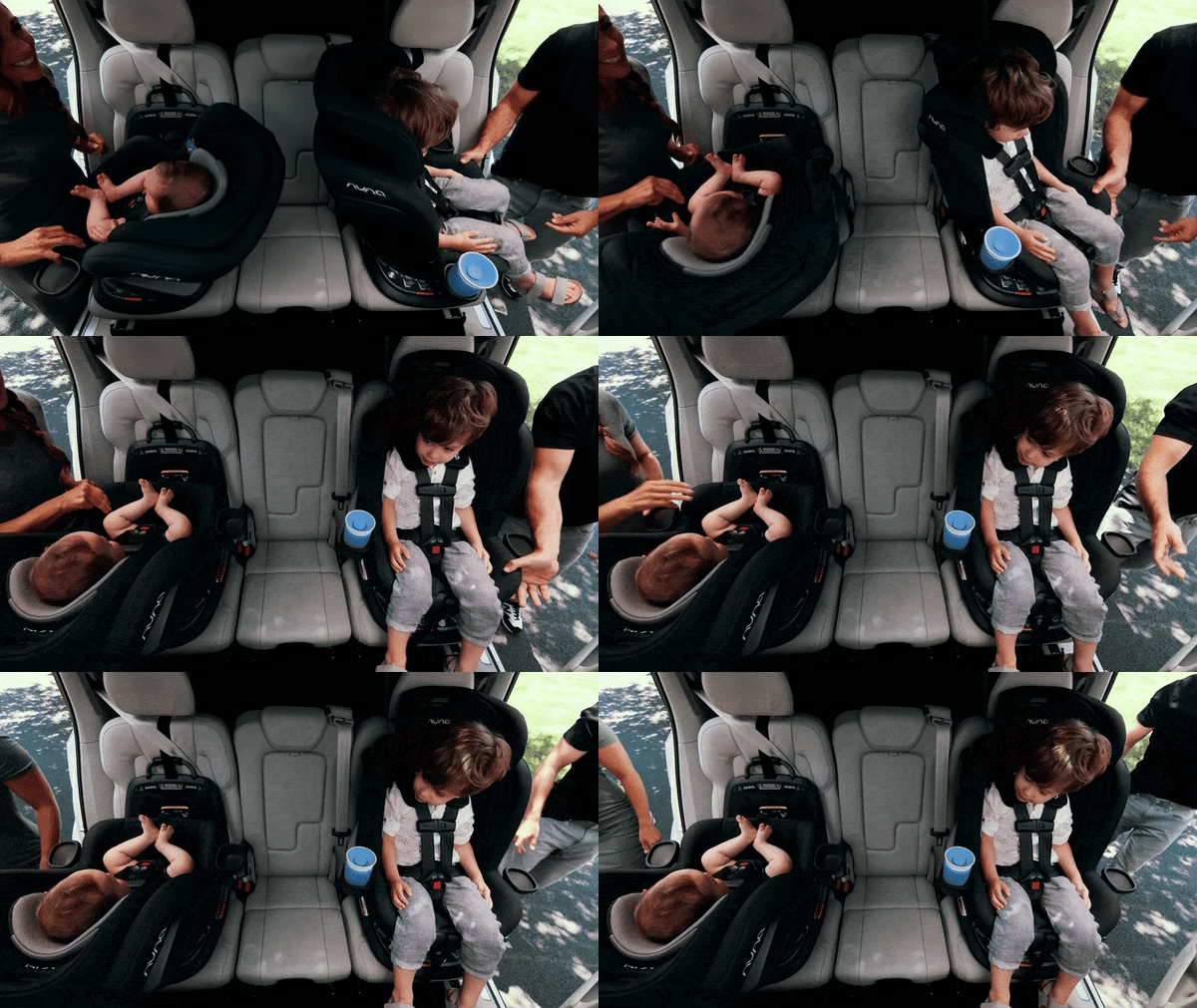
Are you wondering when your baby is ready to turn around in their car seat? It’s a common question for many parents who want to keep their little one safe and comfortable during every ride.
Making the switch at the right time isn’t just about convenience—it can make a big difference in your baby’s safety. You’ll discover the key signs to watch for and expert advice on the perfect moment to turn your baby forward.
Keep reading to ensure every trip is a safe and smooth one for you and your child.

Credit: www.anbbaby.com
Recommended Age For Turning Forward
Deciding when to turn your baby forward in their car seat is more than just checking the calendar. The recommended age for this change depends on several factors that ensure your child’s safety and comfort. Understanding these guidelines helps you make the best choice for your little one’s well-being during every car ride.
Growth Milestones To Watch
Before switching your baby to a forward-facing car seat, observe key growth milestones. Your child should have good head and neck control, which usually develops around 2 years old. This strength is crucial because a forward-facing position offers less support during sudden stops.
Also, watch for your baby’s ability to sit up unassisted for extended periods. This skill indicates readiness for the change. Have you noticed your toddler sitting steadily without slumping? That’s a good sign to start thinking about turning the seat forward.
Weight And Height Limits
Car seat manufacturers set specific weight and height limits for rear-facing and forward-facing positions. Most seats recommend keeping your child rear-facing until at least 40 pounds. This limit varies, so check your car seat’s manual closely.
Height is just as important as weight. Your child’s head should remain at least one inch below the top of the seat when rear-facing. If your toddler is approaching or exceeding these limits, it might be time to consider the forward-facing option. Have you measured your child recently to confirm these details?
Risks Of Early Transition
Turning your baby around in their car seat too early can increase the risk of injury in a crash. Rear-facing seats are designed to protect a baby’s head, neck, and spine by distributing crash forces across the entire back. When you switch to forward-facing too soon, these vital protections weaken, leaving your child more vulnerable.
Injury Statistics
Studies consistently show that children in rear-facing car seats have a significantly lower risk of serious injury. According to data from the National Highway Traffic Safety Administration (NHTSA), toddlers are 75% less likely to suffer severe injuries when kept rear-facing longer.
Many injuries happen because parents switch to forward-facing seats right after the minimum age, not considering the child’s size or development. Can you imagine how many injuries could be prevented if more caregivers understood these numbers?
Common Accident Scenarios
In frontal crashes, which make up the majority of car accidents, a forward-facing child’s head can be violently thrown forward, causing severe neck and spinal injuries. Rear-facing seats cradle the head and neck, reducing this dangerous motion.
Side-impact collisions also pose a higher risk when a child is forward-facing. The structure of rear-facing seats offers better side protection, which is often overlooked in the rush to switch.
- Sudden stops can cause whiplash; rear-facing seats help absorb this impact.
- Even minor collisions can result in significant injury if the child is facing forward too early.
- Proper harness use is crucial, but it can’t fully compensate for the increased risks of early transition.
Think about your own daily drive. Is it worth the risk to turn your baby around before they are ready? Keeping them rear-facing longer is a simple step that can make a big difference in their safety.
Car Seat Types And Orientation
Babies should stay rear-facing in their car seats until at least 2 years old or until they reach the height and weight limits. Rear-facing seats protect their head and neck better during a crash. Turning forward too soon can increase the risk of injury.
Understanding the different types of car seats and their orientations is crucial for your baby’s safety during car rides. As your child grows, transitioning them to the appropriate car seat type not only ensures compliance with safety laws but also enhances their comfort and security. Let’s dive into the details of each car seat type and when it’s appropriate to switch.Rear-facing Seats
Rear-facing seats are typically the first car seat your baby will use. They are designed to protect your infant’s head, neck, and spine in the event of a collision. Experts recommend keeping your child in a rear-facing seat until at least the age of two. During a car ride with my niece, I saw firsthand how secure she was in her rear-facing seat. It gave me peace of mind knowing she was protected. Wouldn’t you agree that ensuring their safety is worth it?Forward-facing Seats
Once your child outgrows the rear-facing seat, it’s time for the forward-facing seat. These seats come with a five-point harness to keep your child safely secured. Typically, children transition to forward-facing seats when they reach a certain weight or height, as specified by the seat manufacturer. It’s surprising how fast kids grow! You might find yourself amazed at how quickly your little one reaches this milestone. Are you prepared for this next step?Convertible Car Seats
Convertible car seats offer flexibility as they can switch from rear-facing to forward-facing. These seats can be a cost-effective option since they grow with your child. You can start using a convertible seat in a rear-facing position and later switch it to forward-facing as your child grows. A friend once shared how investing in a convertible car seat saved them time and money. Have you considered the convenience this option might offer your family? When deciding on the right car seat and orientation, it’s vital to consider your child’s size and the specific guidelines of the car seat model. Take your time to make informed decisions that prioritize your child’s safety and comfort.Safety Guidelines From Experts
Choosing the right time to turn your baby forward in their car seat is more than just a milestone—it’s a critical safety decision. Experts agree that following clear guidelines can protect your child better during travel. Let’s look at what pediatricians and safety organizations recommend to help you make an informed choice.
Recommendations From Pediatricians
Pediatricians emphasize keeping your baby rear-facing as long as possible. The American Academy of Pediatrics suggests children remain rear-facing until at least 2 years old or until they reach the highest weight or height allowed by the car seat manufacturer.
This advice is based on studies showing that rear-facing seats better support your baby’s head, neck, and spine during a crash. Have you noticed how much more flexible and delicate your baby’s neck still is in those early years? That flexibility makes rear-facing crucial for absorbing impact safely.
If your child outgrows the rear-facing limits before age 2, consult your pediatrician for personalized advice. They can help you weigh the safety benefits against your child’s size and development.
Advice From Safety Organizations
Organizations like the National Highway Traffic Safety Administration (NHTSA) and Safe Kids Worldwide provide clear, actionable guidance on car seat use. They recommend using a convertible car seat that accommodates rear-facing up to the maximum limit, often around 40 pounds.
- Check the car seat labels carefully for height and weight limits.
- Ensure the harness fits snugly and the chest clip is at armpit level.
- Never rush to turn your baby forward just because they seem uncomfortable or restless.
These organizations stress that convenience should never override safety. Have you ever felt pressured to turn your baby forward because of fussiness? Remember, a properly installed rear-facing seat with frequent breaks can make trips safer and more comfortable for everyone.
Signs Baby Is Ready To Turn
Knowing when your baby is ready to turn their car seat from rear-facing to forward-facing is crucial for their safety. Certain physical milestones signal that your little one is developing the strength and stability needed for this change. Watching for these signs helps you make a confident decision rather than guessing or rushing the process.
Neck And Head Control
Strong neck and head control is a key sign that your baby might be ready to turn their car seat. When your baby can hold their head steady without wobbling, it shows their muscles have grown stronger.
You might notice they can look around easily and keep their head aligned with their body during movement. If your baby still struggles to lift or hold their head up, it’s best to wait a bit longer before turning the seat.
Sitting Stability
Sitting stability is another important indicator. Babies who can sit up well without support usually have the balance needed for a forward-facing seat.
Try watching if your baby can sit independently on the floor or in a high chair. If they can stay upright without toppling over, it’s a sign their core muscles are ready for a new car seat position.
Have you noticed your baby suddenly sitting up more confidently? That moment often means they’re physically prepared for the next step in car seat safety.
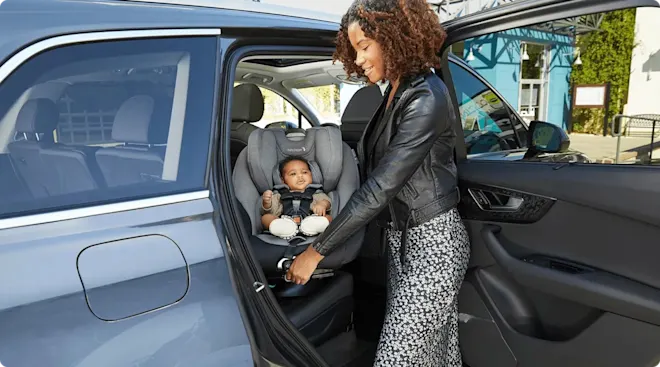
Credit: www.thebump.com
Proper Installation Tips
Proper installation of a car seat is vital for your baby’s safety. Every detail matters, from tightening the harness to positioning the seat. Correct installation helps protect your child during travel. Below are key tips to ensure the car seat fits securely and comfortably.
Securing The Harness
Check the harness straps for any twists or slack. The straps should lie flat against your baby’s body. Buckle the harness snugly, allowing no more than one finger’s width of space. The chest clip must be at armpit level to keep the straps in place. Regularly inspect the harness for wear or damage. Adjust the harness height as your baby grows to keep a proper fit.
Positioning The Seat Correctly
Place the car seat at the correct recline angle to support your baby’s head. Use the vehicle’s seat belt or LATCH system to secure the seat tightly. The seat should not move more than an inch side-to-side or front-to-back. Install the seat in the back seat of the car, away from airbags. Check the car seat manual and your vehicle’s guide for specific instructions. A well-positioned seat enhances protection during sudden stops or crashes.
Common Mistakes To Avoid
Knowing when to turn your baby forward in their car seat is important, but equally important is avoiding common mistakes that can compromise their safety. Many parents rush this transition or overlook critical details that keep their little ones secure. Let’s look at some frequent errors and how you can steer clear of them to protect your child better.
Premature Forward Facing
One of the most common mistakes is turning the car seat forward too soon. Babies should stay rear-facing as long as possible, ideally until they exceed the height or weight limits set by the car seat manufacturer.
Rear-facing seats support your baby’s head, neck, and spine during sudden stops. When you switch to forward-facing too early, you increase the risk of injury in a crash.
Ask yourself: Is your baby really ready? Check the car seat manual and consult your pediatrician. Patience here can make a huge difference in safety.
Loose Harness Straps
Another critical mistake is not tightening the harness straps properly. Loose straps can allow your baby to move too much, reducing the effectiveness of the car seat during a collision.
The harness should be snug enough that you can’t pinch any slack at the shoulders. It’s a simple check, but it can save your baby’s life.
Are you double-checking the fit every time? Make it a habit to adjust the straps as your baby grows. This small step helps keep your child secure on every ride.
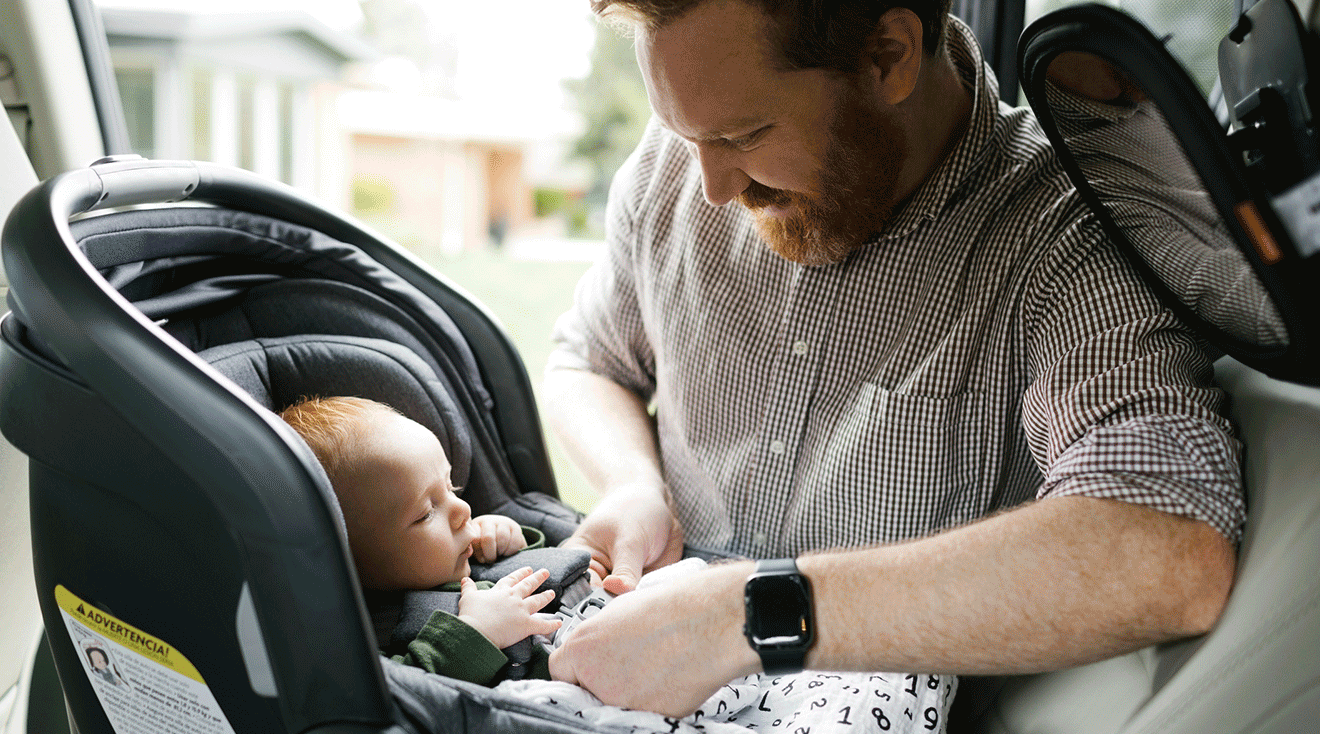
Credit: www.thebump.com
Additional Safety Measures
Ensuring your child’s safety in the car is paramount, and while knowing when to turn your baby’s car seat around is crucial, it’s equally important to implement additional safety measures. These measures can significantly enhance the protection your car seat provides. Let’s dive into practical steps that can make car travel safer for your little one.
Using Car Seat Accessories Safely
Adding accessories to your baby’s car seat can be tempting, especially when they promise extra comfort. However, not all accessories are safe. Only use items that are specifically crash-tested and approved by the car seat manufacturer.
Think about how a seemingly harmless mirror could become a projectile in an accident. Always prioritize safety over convenience. Check with the car seat manual or the manufacturer before adding anything new.
Regular Seat Inspections
When was the last time you checked your car seat for wear and tear? Regular inspections can catch issues before they become dangerous. Look for frayed straps, cracks in plastic, or any loose components.
Consider setting a monthly reminder for these checks. This simple habit can make all the difference in an emergency. You might be surprised at how much peace of mind a quick inspection can provide.
Are you confident that your child’s car seat is installed correctly? Many parents aren’t. Take advantage of local car seat inspection stations to ensure everything is secure. It’s a small step that can have a big impact on your child’s safety.
Frequently Asked Questions
When Should Babies Switch To Forward-facing Car Seats?
Babies should stay rear-facing until at least 2 years old. This position offers better protection for their head and neck. Many safety experts recommend keeping them rear-facing as long as possible within the car seat’s weight and height limits.
Why Is Rear-facing Car Seat Safer For Babies?
Rear-facing car seats support the baby’s head, neck, and spine during a crash. This position distributes crash forces more evenly. It reduces the risk of serious injury compared to forward-facing seats.
What Are The Signs To Turn Baby Forward-facing?
Switch to forward-facing when your child outgrows the rear-facing height or weight limits. Also, when they can sit up straight and hold their head steadily. Always check your car seat manual for specific recommendations.
Can Premature Babies Use Rear-facing Car Seats?
Yes, premature babies should use rear-facing car seats. Their fragile neck and spine need extra protection. Ensure the car seat fits properly and consult your pediatrician for any special advice.
Conclusion
Babies should stay rear-facing as long as possible. Most experts suggest until at least age two. This position protects their head and neck better in crashes. Always follow your car seat’s weight and height limits. Check your car seat manual for exact guidelines.
Safety matters most when deciding to turn around. Keep your child secure and comfortable on every trip. Regularly inspect the car seat for proper installation. Remember, turning your baby forward too soon can increase risk. Stay informed and prioritize your child’s safety on the road.