
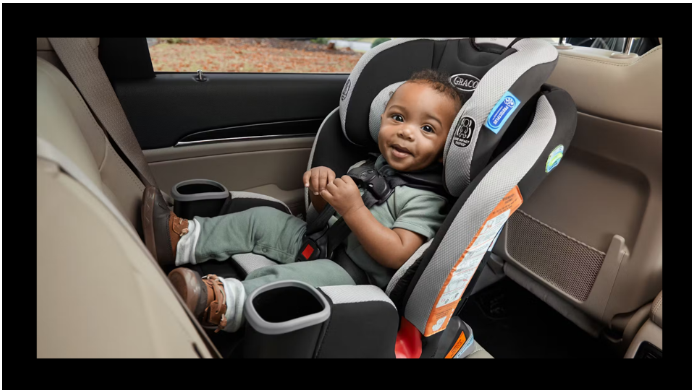
Are you wondering when your baby is ready to sit forward in their car seat? It’s a question every parent asks, because safety comes first.
You want to keep your little one secure while making car rides comfortable. But how do you know the right time to switch from rear-facing to forward-facing? You’ll find clear, simple answers that help you make the best choice for your child’s safety and comfort.
Keep reading to discover the key signs and expert tips that will give you confidence every time you buckle up.
Car Seat Rear-facing Guidelines
Understanding the guidelines for rear-facing car seats is crucial for your baby’s safety. Rear-facing seats provide the best protection during the early months and well into toddlerhood. Knowing when to transition your child forward can feel overwhelming, but focusing on clear guidelines helps you make confident decisions.
Recommended Age And Weight Limits
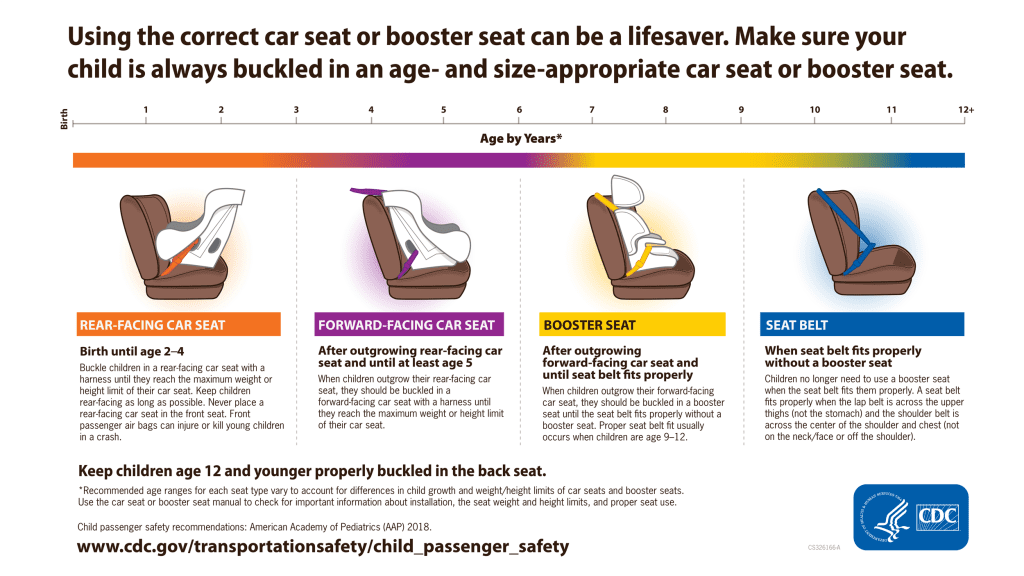
Experts recommend keeping your baby in a rear-facing car seat at least until they reach 2 years old. However, age isn’t the only factor; weight and height limits set by the car seat manufacturer are equally important. Many convertible car seats support rear-facing use up to 40 pounds or more, allowing you to keep your child rear-facing longer.
Have you checked the label on your car seat lately? It usually lists exact weight and height limits. Staying within these limits ensures your baby remains safe and comfortable. Remember, transitioning too early can increase the risk of injury in a crash.
Benefits Of Rear-facing Seats
Rear-facing seats protect your baby’s head, neck, and spine better than forward-facing seats. In a collision, the seat absorbs the force and distributes it across the back of the car seat, which is safer for your little one’s developing body. This positioning significantly reduces the chance of serious injuries.
As a parent, I once felt impatient to switch my child forward at 18 months, thinking it was time. But after reading the safety reports and seeing how snug and secure my child was rear-facing, I chose to wait longer. That decision gave me peace of mind every time we hit the road.
Are you ready to keep your child rear-facing as long as possible? It might mean some extra effort now, but the safety payoff is worth every mile traveled.
Signs Baby Is Ready To Sit Forward
Knowing when a baby is ready to sit forward in a car seat is important for safety. Babies develop at different speeds. Watching for certain signs helps parents decide the right time to change car seat direction.
Physical Milestones To Watch
- Baby can hold head up steadily without support.
- Strong neck muscles to control head movement.
- Ability to sit up well with little or no help.
- Good trunk control to keep body upright.
- Weight and height meet car seat manufacturer’s guidelines.
Behavioral Indicators
- Baby shows discomfort or fussiness when rear-facing too long.
- Increased curiosity about surroundings during rides.
- Attempts to turn body or look forward while seated.
- Long periods of calmness when sitting upright.
- Baby enjoys engaging with toys or people in front.
Risks Of Early Forward-facing
Moving your baby to a forward-facing car seat too early can expose them to serious risks. Their bodies, especially the neck and spine, are still developing and aren’t ready to handle the forces of a crash in a forward-facing position. Understanding these risks can help you make safer choices for your child’s car seat use.
Injury Statistics
Studies show that children under the age of 2 are significantly safer in rear-facing seats during car crashes. According to safety data, toddlers in forward-facing seats are up to five times more likely to suffer severe neck and head injuries.
The American Academy of Pediatrics recommends keeping children rear-facing until at least 2 years old because it better distributes crash forces across the stronger parts of their bodies. Ignoring this advice increases the chance of injury.
Common Mistakes To Avoid
- Switching too soon:Many parents move their child forward-facing right after they can sit up, not realizing the added risks.
- Ignoring height and weight limits:Car seats have specific limits, and moving forward-facing before your child reaches these can be dangerous.
- Poor harness adjustments:Incorrectly tightened straps or loose harnesses reduce protection during a crash.
- Using second-hand seats without checking:Some seats may have outdated guidelines or hidden damage, compromising safety.
Have you checked your car seat’s manual lately? Following the exact instructions can make all the difference in keeping your child safe on the road.

Credit: www.thule.com
Choosing The Right Car Seat
Choosing the right car seat for your baby is more than just picking a stylish design. It’s about ensuring their safety and comfort during every ride. Knowing when to transition your baby to a forward-facing seat depends heavily on the type of car seat you choose and its features.
Convertible Vs. Forward-facing Seats
Convertible car seats offer flexibility. They can be used rear-facing for infants and then switched to forward-facing as your child grows. This means you don’t have to buy a new seat immediately when your baby reaches the forward-facing age.
Forward-facing seats are designed specifically for toddlers who have outgrown rear-facing seats. They typically come with harnesses suited to keep your child secure once they sit facing forward. But how do you decide when to switch?
Many parents find convertible seats more convenient because they cover multiple stages. However, some prefer dedicated forward-facing seats for better comfort once their child is ready. Think about your daily routine and how long you plan to use each seat.
Safety Ratings And Features
Always check the safety ratings before buying any car seat. Look for seats tested by recognized organizations like the National Highway Traffic Safety Administration (NHTSA). Higher ratings mean better protection in case of an accident.
Features such as side-impact protection, adjustable harnesses, and energy-absorbing foam can make a big difference. Some seats also have easy installation systems that reduce the risk of incorrect setup. Have you tested how easy it is to install the seat in your car?
Don’t forget to review the height and weight limits. These determine when your baby should transition to the next stage. Choosing a seat that fits your child’s current size and allows for growth saves you from frequent replacements.
Installing Forward-facing Seats Safely
Babies usually sit forward in a car seat after they reach the right age and weight. Ensuring the seat is installed correctly keeps your child safe on every trip. Always follow the car seat instructions carefully.
Installing Forward-Facing Seats Safely Transitioning your little one to a forward-facing car seat is a significant milestone. It’s crucial to ensure their safety during this change. Proper installation can make all the difference. You might wonder if your seat is installed correctly. This is a common concern among parents. Let’s explore some essential tips to make sure your child’s forward-facing seat is secure.Proper Harness Adjustment
Adjusting the harness correctly is vital for safety. Make sure the harness straps are at or just above your child’s shoulders. This prevents them from slipping out during sudden stops. The harness should be snug against your child’s body. You should not be able to pinch any excess webbing. If you can, tighten it further. Check the harness each time you place your child in the seat. Kids grow quickly, so adjustments may be needed regularly. Have you checked yours lately?Using Tether Straps Correctly
Tether straps are a key component of forward-facing seats. They help prevent the seat from tipping forward in a crash. Always attach the tether strap to the designated anchor point in your vehicle. Ensure the tether strap is tight. It should not have slack once attached. This provides additional stability to the car seat. Look up your car’s manual for the correct anchor location. Every car model is different, so knowing yours is important. Have you located your vehicle’s tether anchor?
Credit: maxicosi.com
Additional Safety Tips
Ensuring your baby’s safety when they start sitting forward in a car seat goes beyond just choosing the right seat. There are everyday habits you can adopt to keep your little one secure. Paying attention to small details can make a big difference during every ride.
Regular Seat Checks
How often do you check your baby’s car seat? It’s easy to assume once it’s installed, it’s good to go. But regular inspections are key to safety.
Look for loose straps, worn padding, or any damage to the seat. Even a small shift in installation can affect how well the seat protects your child. Try to check the seat before every trip, especially if you switch it between vehicles.
Remember, car seats can become less effective if not maintained properly. Have you ever found a strap twisted or a buckle that didn’t click right? Fixing these instantly can prevent serious risks.
Avoiding Loose Objects
Loose objects in the car can turn into dangerous projectiles during sudden stops. Think about what’s in your back seat right now. Is there anything that could fly forward and hit your baby?
Keep toys, bags, and other items secured or stored away. Use organizers or compartments to hold essentials safely. This habit not only protects your baby but also keeps your car tidy and stress-free.
Have you ever had a toy suddenly hit the back of your seat? Taking a moment to clear loose objects can save more than just your nerves—it could save your child’s safety.
Credit: tncim.com
Frequently Asked Questions
When Can Babies Sit Forward In A Car Seat?
Babies can sit forward in a car seat after reaching 2 years old. They must meet height and weight limits set by the car seat manufacturer. Rear-facing is safest until these milestones are reached.
Why Is Rear-facing Recommended For Infants?
Rear-facing seats provide better support for a baby’s head, neck, and spine. They reduce injury risk in crashes by distributing force more evenly. Experts recommend rear-facing until at least age 2 or until the seat’s limits are met.
What Are The Signs Baby Is Ready To Face Forward?
Signs include baby’s neck strength and ability to sit unsupported. Babies typically develop these skills around 2 years. Always check car seat guidelines and pediatrician advice before switching to forward-facing.
How Long Should A Baby Stay Rear-facing?
Babies should stay rear-facing as long as possible, ideally until age 2 or longer. Rear-facing seats offer the best protection in crashes and are recommended by safety experts and organizations.
Conclusion
Babies should sit forward in a car seat only when ready. This usually happens after they reach the right age and weight. Parents must follow safety rules and car seat instructions. Keep your child rear-facing as long as possible. It protects their head and neck during a crash.
Always check your car seat’s manual for guidance. Safety comes first, no matter what. Remember, every child grows at their own pace. Stay patient and keep your little one secure on every ride.