
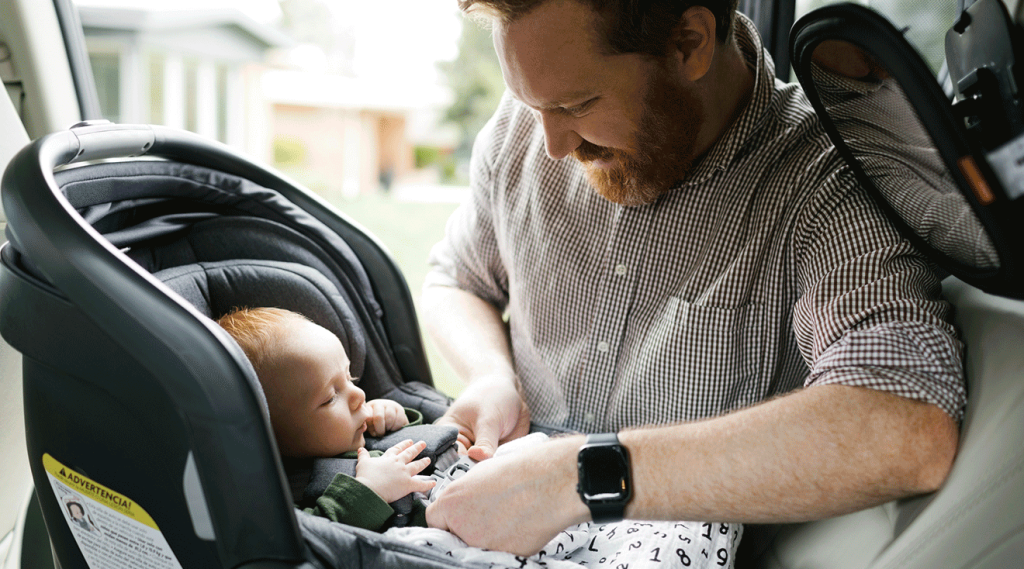
Are you wondering when your little one will outgrow their infant car seat? It’s a question every parent asks as their baby grows faster than you expect.
Knowing the right time to switch isn’t just about comfort—it’s about your child’s safety on every trip. You’ll discover clear signs and simple guidelines to help you make the best choice for your baby’s car seat. Keep reading to ensure your child stays secure and comfortable on the road.
Infant Car Seat Basics
Choosing the right infant car seat is crucial for your baby’s safety and comfort. Understanding the basics helps you know when your little one has outgrown their seat and it’s time for an upgrade. Let’s break down what makes infant car seats special and how to recognize their limits.
Design And Safety Features
Infant car seats are designed to fit newborns and small babies snugly. They typically include a removable infant insert that supports your baby’s head and body, ensuring proper posture during rides.
Most seats have a five-point harness system to keep your child secure. Side-impact protection is another key feature, offering extra safety in case of a collision from the side.
Have you noticed how some seats come with a carry handle? This allows you to easily move your baby without disturbing their sleep. It’s a small detail but makes a big difference in busy parents’ daily routines.
Age And Weight Limits
Infant car seats are generally made for babies from birth up to about 12 months old. However, age is less important than weight and height when deciding if your baby has outgrown the seat.
Most infant seats have weight limits ranging from 22 to 35 pounds. Your baby might reach this limit before their first birthday, especially if they’re growing fast.
Height limits usually mean your baby’s head should be at least one inch below the top of the car seat. If your baby’s head is too close to the top, it’s time to consider a larger car seat.
Have you checked your baby’s car seat labels lately? These details tell you exactly when to switch to the next size for safety and comfort.

Credit: incarsafetycentre.co.uk
Signs Baby Outgrows Car Seat
Knowing when your baby outgrows their infant car seat is crucial for safety and comfort. It’s not just about the age or time spent using the seat but paying close attention to specific signs. These signs help you decide the right moment to switch to a bigger car seat, keeping your little one secure during every ride.
Height And Weight Milestones
Every car seat has a maximum height and weight limit set by the manufacturer. You should check your baby’s current measurements against these limits regularly. If your child is approaching or has exceeded these milestones, it’s a clear sign to consider the next stage seat.
For instance, many infant car seats accommodate babies up to around 30 pounds and 32 inches tall. If your baby weighs 28 pounds but is already 33 inches tall, their head may be too close to the top of the seat, which is unsafe. Don’t wait until these limits are exceeded—plan ahead to keep your baby protected.
Head And Shoulder Positioning
Watch how your baby’s head and shoulders fit within the car seat. If your child’s head is at or above the top edge of the car seat, it means they have outgrown the seat height-wise. This positioning can reduce protection during a crash.
Similarly, your baby’s shoulders should fit comfortably under the harness slots. If the straps are too low or you have to force them into a higher slot, the seat is no longer the right fit. Proper harness placement is key to keeping your baby safe.
Comfort And Mobility Issues
Is your baby fussier than usual or trying hard to move around in the car seat? Limited mobility or discomfort might indicate that the seat is too small. Babies grow fast, and if the seat feels cramped, it can cause restlessness and even affect their posture.
Notice if your baby’s legs are pressed tightly or if they can’t sit back fully. These discomfort signs mean it’s time to upgrade. A seat that allows your child to sit comfortably supports safer, calmer trips.
Transitioning To Convertible Car Seats
Babies usually outgrow infant car seats by 12 to 15 months or when they exceed the seat’s height or weight limit. Switching to a convertible car seat offers more space and safety as your child grows. Always check your car seat’s guidelines for the right time to transition.
Transitioning to convertible car seats can feel like a significant milestone in your child’s journey from babyhood to toddlerhood. As your baby grows, their needs and the safety measures you take must evolve. But when is the right time to make this switch, and what should you consider?When To Switch
Determining the right time to transition your baby from an infant car seat to a convertible car seat depends largely on your child’s weight and height. Infant car seats generally accommodate babies up to around 30 pounds or 30 inches in height. Check the manufacturer’s guidelines on your current seat to ensure your baby hasn’t outgrown it. If their head is within an inch of the top of the seat or they’ve surpassed the weight limit, it’s time to switch.Benefits Of Convertible Seats
Convertible car seats offer flexibility and longevity, making them a wise investment. They can be used in both rear-facing and forward-facing positions, accommodating your child as they grow. Many parents find that these seats offer more room and comfort for their child. Plus, their ability to adapt to different stages means you won’t need to purchase another seat for a few years.Installation Tips
Installing a convertible car seat correctly is crucial for your child’s safety. Always read the instruction manual that comes with your seat, as installation methods can vary between models. Ensure the seat is tightly secured with either a seatbelt or LATCH system and that it doesn’t move more than an inch side-to-side or front-to-back. It’s also vital to adjust the harness to fit snugly against your child’s body, keeping them secure during travel. Have you checked if your vehicle’s seat is compatible with the car seat model you’ve chosen? This is a critical step that some parents overlook.Safety Guidelines And Regulations
Understanding safety guidelines and regulations is vital for knowing when babies should stop using infant car seats. These rules protect children and guide parents on correct car seat usage. Following them ensures your child stays secure during every trip.
Legal Requirements By Region
Each country has its own laws for infant car seat use. These laws set minimum standards for height, weight, and age limits. For example:
- In the United States, rear-facing seats are required until at least 2 years old or until they reach weight and height limits.
- In the European Union, children must use approved car seats until 12 years old or 135 cm tall.
- Australia mandates rear-facing seats for infants up to 6 months, with specific weight and height guidelines.
Check your local laws to ensure compliance and safety.
Manufacturer Recommendations
Car seat makers provide clear instructions on seat limits. They list maximum weight and height for infant seats. Ignoring these can risk your child’s safety. Most infant seats support babies up to 22 to 35 pounds. Always read the manual before use.
Remember, manufacturer guidelines may differ from legal requirements. Follow the stricter rule to keep your child safer.
Common Mistakes To Avoid
- Switching to a toddler seat too early. This may reduce protection.
- Not checking height and weight limits regularly.
- Installing the seat incorrectly or loosely.
- Using expired or damaged car seats.
- Ignoring recalls and safety updates from manufacturers.
Stay vigilant and update car seats as your baby grows.
Maximizing Car Seat Longevity
Maximizing the life of your infant car seat keeps your baby safe for a longer time. Taking care of the seat ensures it works properly and lasts through many trips. Simple steps can protect your investment and maintain safety standards.
Proper Maintenance
Keep the car seat clean by wiping it regularly with a damp cloth. Avoid harsh chemicals that can damage the fabric or plastic. Check straps and buckles for wear or damage. Tighten loose parts and replace broken ones immediately. Store the seat in a dry place away from direct sunlight to prevent material breakdown.
Expiration Dates
Every car seat has an expiration date printed on it. This date shows the end of the seat’s safe use period. Plastic and fabric weaken over time, reducing protection. Use the seat only before this date to ensure safety. Do not extend use past expiration, even if the seat looks fine.
Handling Recalls
Check if the car seat has any recalls by visiting official safety websites. Recalls happen if a product has a safety fault. Follow instructions from the manufacturer to fix or replace the seat. Ignoring recalls can put your child at risk. Register your car seat to get recall alerts directly.

Credit: uppababy.com
Alternative Options After Infant Seats
Once your baby outgrows the infant car seat, it’s time to explore other options that keep them safe and comfortable on the road. Transitioning to a new seat can feel overwhelming, but knowing what choices are available helps you make the best decision for your child’s age, size, and developmental stage.
Think about your toddler’s daily routines and travel habits. Will you mostly drive short distances, or do you plan longer trips? These questions can guide you toward the right seat and features.
Forward-facing Seats
Forward-facing car seats are the natural next step after an infant seat. They usually come with a five-point harness to secure your toddler safely.
Many parents find these seats offer more room and comfort, especially for toddlers who want to look around and engage with their surroundings during the ride. Check the seat’s height and weight limits to ensure your child fits properly.
Do you know your vehicle’s compatibility with forward-facing seats? Some models have features like easy latch systems that make installation quicker and safer.
Booster Seats
Booster seats are designed for older toddlers and preschoolers who have outgrown forward-facing seats but are not yet tall enough for seat belts alone.
They raise your child so the car’s seat belt fits correctly across the shoulder and lap, which is crucial for safety. Many boosters come with armrests and cup holders, making rides more enjoyable for your little one.
Consider whether you want a high-back booster for extra head and neck support or a backless booster for portability. Your child’s height, weight, and comfort will help you decide.
Choosing The Right Seat For Toddlers
Choosing the right car seat means focusing on safety, comfort, and ease of use. Look for seats that meet or exceed safety standards and fit well in your vehicle.
Think about how easy it is to install and adjust the seat, especially if you switch it between cars or frequently remove it. Some seats grow with your child, offering adjustable harnesses and multiple recline positions.
Have you tested the seat yourself before buying? Sometimes, hands-on experience can reveal what feels right for both you and your child.

Credit: orbitbaby.com
Frequently Asked Questions
When Should Babies Stop Using Infant Car Seats?
Babies should stop using infant car seats once they exceed the height or weight limit. This is usually around 1 year old or 20-35 pounds. Always check your car seat’s manual for specific limits to ensure safety and proper fit.
How Long Can Babies Safely Ride In Infant Car Seats?
Babies can safely ride in infant car seats up to their height or weight limit. Typically, this lasts until the baby is 12 to 15 months old. Using the seat beyond limits risks improper protection during travel.
What Signs Show A Baby Outgrows An Infant Car Seat?
Signs include the baby’s head touching the top of the seat or legs extending beyond the base. Also, if the baby’s weight surpasses the car seat’s limit, it’s time for a bigger seat. Always prioritize safety over convenience.
Can Newborns Use Convertible Car Seats Instead Of Infant Seats?
Yes, convertible car seats can be used from birth and last longer. They accommodate babies rear-facing and later forward-facing. However, infant car seats are more portable and designed specifically for newborns.
Conclusion
Babies grow out of infant car seats at different times. Most move to a bigger seat around one year old. Always check the car seat’s height and weight limits. Safety is the top priority for every ride. Using the right seat helps protect your child well.
Watch your baby’s size, not just their age. This keeps travel safe and comfortable. Choose a seat that fits your child’s current needs. Remember, a proper car seat saves lives every day. Stay informed and keep your little one secure.