
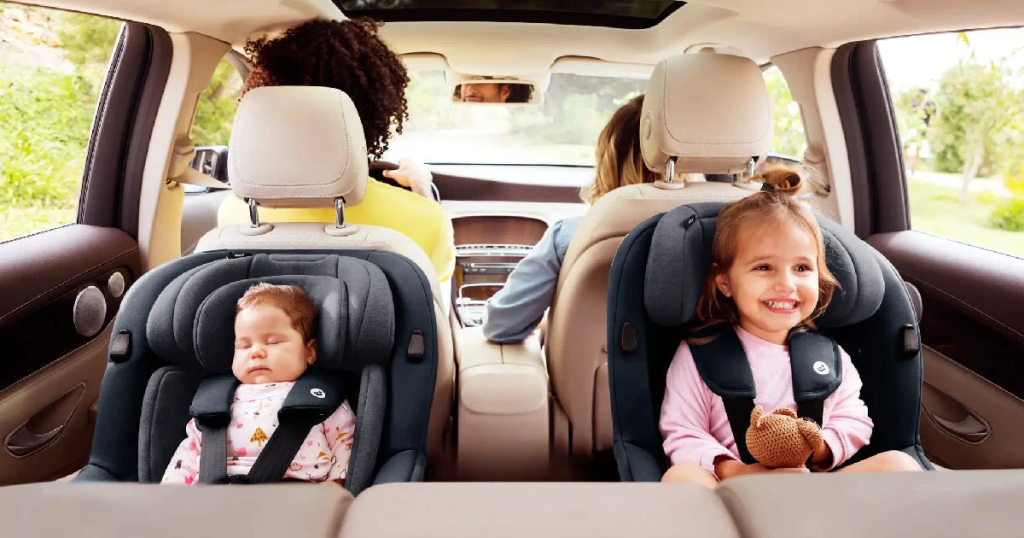
Are you wondering when it’s safe to turn your baby’s car seat to face forward? You want to keep your little one safe and comfortable, but the rules and recommendations can feel confusing.
Making the right choice now could protect your child in ways you might not expect. Keep reading to discover the best time to switch your baby’s car seat forward and how to do it safely—because your child’s safety is worth every careful step you take.
Rear-facing Car Seat Basics
Understanding the basics of rear-facing car seats is essential for every parent or caregiver. This knowledge helps you make safer choices for your baby’s car travel. Rear-facing seats are not just a recommendation; they are a critical safety feature designed to protect your child in the event of an accident.
Why Rear-facing Matters
Rear-facing car seats provide the best protection for your baby’s head, neck, and spine. In a crash, the seat absorbs the force and spreads it across the child’s body, reducing injury risk. Since babies have proportionally larger heads and weaker neck muscles, facing backward offers crucial support.
Think about your own experiences with safety. Would you want your child exposed to higher risks just to switch seats early? Many parents realize the difference only after understanding how much safer rear-facing seats are, which often leads them to keep their babies rear-facing longer than initially planned.
Recommended Age And Weight Limits
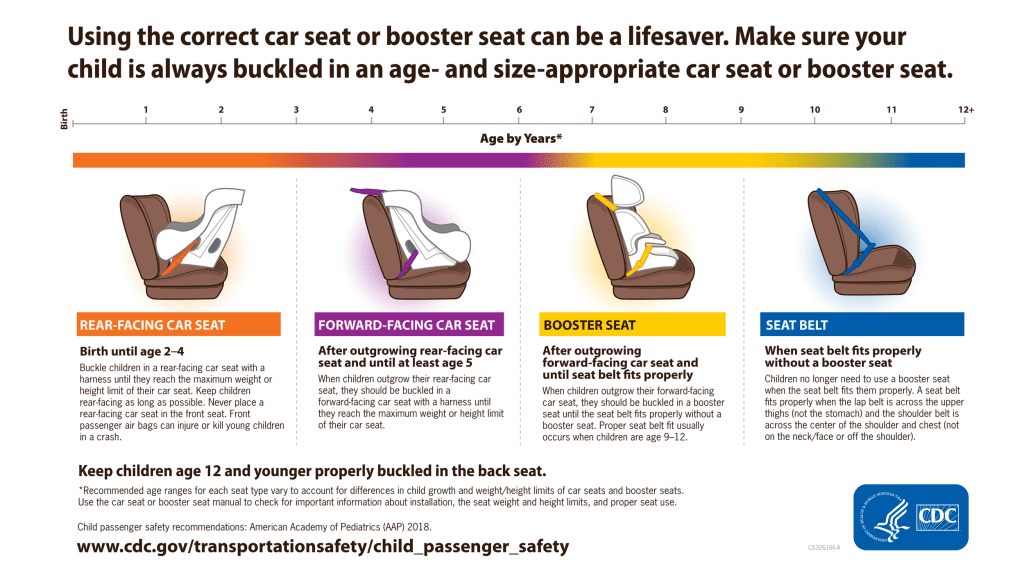
Most safety experts suggest keeping your baby in a rear-facing seat until at least 2 years old. However, the exact timing depends on your car seat’s specific weight and height limits. Many convertible seats allow rear-facing use up to 40 pounds or more, giving you flexibility.
| Age | Approximate Weight | Car Seat Position |
|---|---|---|
| Birth to 2 years (or beyond) | Up to 40+ lbs | Rear-facing |
| Over 2 years | Depends on seat limits | Forward-facing |
Check your car seat manual carefully to find these limits. Many parents are surprised to learn that their seat supports rear-facing well past the one-year mark. Could keeping your baby rear-facing longer be the simplest way to improve their safety on every ride?

Credit: orbitbaby.com
Signs To Switch To Forward-facing
Knowing the right time to switch your baby to a forward-facing car seat is important for safety. Parents watch for clear signs that show readiness. These signs come from your baby’s physical growth and behavior. They help you decide when to make the change without rushing or delaying.
Physical Growth Indicators
- Your baby’s neck muscles are strong enough to hold the head steady.
- The child reaches the car seat’s height limit for rear-facing seats.
- Weight exceeds the maximum allowed for rear-facing positions.
- Shoulders pass the top harness slots of the rear-facing seat.
- Baby can sit up well without support.
These markers show your child can handle the new seat position safely. Always check the car seat manual for specific size and weight rules.
Behavioral Cues
- Your child looks uncomfortable or restless in the rear-facing seat.
- They try to turn around or face forward while strapped in.
- Signs of frustration during rides become frequent.
- Improved ability to follow directions helps with seatbelt use.
- Curiosity about the world outside encourages forward-facing views.
Behavioral clues often indicate your child’s readiness beyond just physical growth. Listening to these signs helps ensure a smooth transition.
Safety Standards For Forward-facing Seats
Safety is the top priority when choosing a forward-facing car seat for your baby. These seats must meet strict standards to protect little ones during travel. Understanding these safety standards helps parents make smart choices. This section explains key rules and tests that ensure forward-facing seats offer maximum protection.
Current Regulations In 2025
In 2025, all forward-facing car seats must follow updated safety rules. These regulations focus on harness strength, seat stability, and impact protection. Seats must pass tests for frontal and side crashes. The rules also require clear labels and instructions for proper installation and use.
States vary in their laws about when to switch from rear-facing to forward-facing. Many recommend keeping babies rear-facing until at least 2 years old or until they reach height and weight limits. Following these guidelines helps reduce injury risk.
Crash Test Ratings
Crash tests rate how well a car seat protects a child in a crash. Independent labs use crash dummies to simulate real accidents. They check forces on the head, neck, and chest. Seats with higher ratings offer better protection.
Look for seats that have passed both government and independent crash tests. These scores give peace of mind that the seat will work well in emergencies. Choosing highly rated seats helps keep your child safer on every trip.
Choosing The Right Forward-facing Seat
Choosing the right forward-facing car seat is important for your child’s safety and comfort. The seat must fit your child’s size and weight. It should also be easy to install and use every day. Many seats offer different harness types and safety features. Knowing these helps you pick a seat that works best for your child.
Harness Types And Features
A good forward-facing seat has a secure harness system. Most use a 5-point harness, which has straps over the shoulders, hips, and between the legs. This design keeps your child safe in a crash. Some seats have adjustable harness heights to grow with your child.
Look for padded straps for extra comfort. A no-rethread harness lets you adjust the height without removing straps. This saves time and keeps the fit snug. Quick-release buckles help with easy fastening and unfastening.
Installation Tips
Proper installation is key to safety. Always read the car seat manual and your vehicle’s guide. Use either the seat belt or LATCH system to secure the seat tightly. The seat should not move more than one inch side to side or front to back.
Place the car seat on the vehicle seat and lock it firmly. Check the angle of the seat to ensure your child sits upright but comfortably. Regularly inspect the seat for wear and tear. Replace any parts if needed to keep the seat safe.
Common Mistakes To Avoid
Transitioning your baby to a forward-facing car seat is an important step. Mistakes during this process can affect your child’s safety. Knowing common errors helps you keep your baby secure and comfortable.
Errors often happen with harnessing and seat positioning. These mistakes reduce the protection the car seat provides. Avoiding them is crucial for every parent or caregiver.
Incorrect Harnessing
One frequent mistake is not securing the harness properly. The straps should be snug, lying flat without twists. Loose harnesses allow too much movement during a crash.
The chest clip must be at armpit level. Too high or low placement can cause injury. Always check the harness fit each time your child rides.
Improper Seat Angle
Placing the car seat at the wrong angle is common. Too upright or too reclined positions affect safety and comfort. The seat should follow the manufacturer’s recommended angle.
An incorrect angle can cause your baby’s head to fall forward. This position may block airways and cause breathing problems. Use angle indicators or adjusters to set the seat correctly.
Transitioning Smoothly
Transitioning smoothly to a forward-facing car seat is crucial for your baby’s safety. Most children are ready when they reach the age of two or meet the weight and height limits of their current seat. Always check guidelines to ensure a safe and comfortable journey for your little one.
Transitioning your baby from a rear-facing to a forward-facing car seat is a significant milestone. It marks a new phase in your child’s journey where comfort and safety continue to be paramount. A smooth transition doesn’t just happen; it requires thoughtful preparation and adjustments to ensure your child’s continued protection on the road.Preparing Your Baby
Begin by assessing if your baby is ready for the transition. While age is a factor, weight and height are more critical to determine readiness. Refer to your car seat’s guidelines to confirm your baby meets the recommended size for forward-facing. Introduce the concept gradually. Allow your baby to explore the new position by sitting in the car seat indoors. This helps them get familiar with the forward-facing perspective before you hit the road.Adjusting The Car Seat
Ensure the car seat is installed correctly. A tight fit is crucial, so check the seat’s manual for specific instructions. Use the LATCH system or seat belt to secure the seat firmly. Adjust the harness to fit snugly against your child’s body. A properly adjusted harness is essential for safety, so make sure there are no twists and it’s at the correct height. A good rule of thumb is that you shouldn’t be able to pinch any excess strap material. Think about your child’s comfort. Small adjustments like the recline angle can make a big difference in their comfort and willingness to stay seated. Test different settings to find what works best for your child. Are you ensuring that the car seat is positioned in the safest part of the car? Typically, the middle seat in the back is the safest, but your car’s design might dictate a different choice. Always prioritize the safest installation possible. By focusing on these practical steps, you ensure a smooth and safe transition for your little one.Expert Tips For Ongoing Safety
Keeping your baby safe in a forward-facing car seat requires ongoing attention. Safety does not stop after the initial installation. Regular checks and updates help maintain the best protection for your child. Here are expert tips to ensure safety as your baby grows.
Regular Seat Checks
Check the car seat every time before travel. Look for loose straps or buckles. Make sure the seat is tightly installed in the car. Inspect the seat for any damage or wear. Clean the seat regularly to keep it in good shape. A secure seat means better safety for your baby.
Updating Seat As Baby Grows
Adjust the harness straps as your child gets bigger. Raise the headrest to fit your baby’s height. Follow the car seat manufacturer’s weight and height limits. Move to the next seat type only when your child meets these limits. Proper fit keeps your child safe and comfortable during rides.
Credit: dceastleigh.org

Credit: uppababy.com
Frequently Asked Questions
When Can Babies Safely Face Forward In Car Seats?
Babies can face forward after reaching the car seat’s rear-facing weight or height limit. This varies by seat but is usually around 2 years old. Always follow the manufacturer’s guidelines and local safety laws for the safest transition.
Why Is Rear-facing Better For Infants?
Rear-facing seats support a baby’s head, neck, and spine during crashes. They provide better protection in frontal collisions, which are most common. Experts recommend keeping babies rear-facing as long as possible for maximum safety.
How To Know If Baby Is Ready To Face Forward?
Check your car seat’s weight and height limits first. Your baby should also have good head and neck control. If unsure, consult your pediatrician or car seat manual before switching to forward-facing.
What Are The Risks Of Early Forward-facing?
Turning a baby forward too soon increases injury risk in crashes. Their neck muscles are too weak to handle sudden impacts. Delaying forward-facing reduces serious injuries and improves overall child passenger safety.
Conclusion
Babies should stay in rear-facing car seats as long as possible. Most experts say until at least age two or when they reach the seat’s height or weight limit. Forward-facing seats offer less protection in crashes. Keep your child safe by following these guidelines carefully.
Check your car seat manual and local laws for exact rules. Always install the seat properly and use the harness correctly. Safety matters most when traveling with young children. Remember, patience and care protect your little one every trip.