
You want to keep your baby safe every time you hit the road. One big question many parents have is: When do babies face forward in a car seat?
It’s not just about comfort—it’s about protecting your little one in the best way possible. Getting this right can give you peace of mind and help you avoid costly mistakes. Keep reading, and you’ll learn exactly when and why it’s important to switch your baby’s car seat to face forward.
Your child’s safety depends on it.
Car Seat Basics
Choosing the right car seat is important for every child’s safety. Car seats protect babies during travel and reduce injury risks. Knowing the basics helps parents keep children safe on the road.
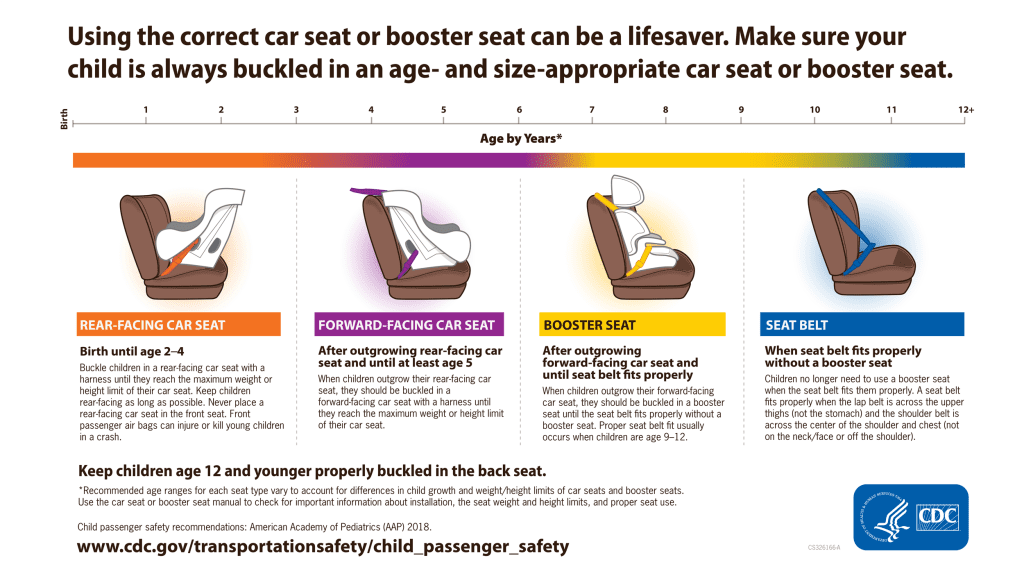
Car seats come in two main types: rear-facing and forward-facing. Each has specific uses based on the child’s age, weight, and height. Understanding these types helps parents decide when to switch seats.
Rear-facing Vs Forward-facing Seats
Rear-facing seats face the back of the car. Forward-facing seats face the front. Babies should use rear-facing seats as long as possible.
Rear-facing seats support the head, neck, and spine better. Forward-facing seats are for older toddlers who outgrow rear-facing limits.
- Rear-facing seats are for infants and toddlers.
- Forward-facing seats are for toddlers and young children.
- Weight and height limits guide when to change seats.
Why Rear-facing Is Safer
Rear-facing seats spread crash forces across the child’s body. They protect the head and neck from sudden stops. This reduces the chance of serious injury.
The child’s body rests against the seat, which cushions impact. Forward-facing seats do not provide this same level of protection.
Experts recommend rear-facing seats until at least age 2 or until the child reaches the seat’s limit. Safety always comes first in travel decisions.
Age And Weight Guidelines
Understanding the age and weight guidelines for switching your baby to a forward-facing car seat is crucial for their safety. These guidelines help you know exactly when your child is ready to face forward without compromising protection. Let’s break down the key points to help you make the best decision for your little one.
Recommended Age For Forward-facing
Most safety experts suggest keeping your child rear-facing until at least 2 years old. Some states and countries have laws requiring children to remain rear-facing until this age or even longer. Your baby’s neck and spine are still developing, so rear-facing offers better support in case of sudden stops or collisions.
Think about your own experience or those around you—did you switch too early or wait too long? Your child’s comfort and safety should guide your timing more than convenience. Ask yourself: Is your child physically ready, or are you just eager for a change?
Weight And Height Limits
Each car seat has specific weight and height limits for rear-facing and forward-facing modes. Usually, a child can switch to forward-facing once they exceed the rear-facing seat’s weight limit, often between 20 to 40 pounds. Height limits vary but typically range around 30 to 40 inches for rear-facing seats.
Check your car seat manual carefully. If your child is still within the rear-facing weight and height limits, keep them rear-facing. Some parents find it helpful to track their child’s growth monthly to know exactly when to switch.
- Rear-facing weight limit:Usually 20-40 pounds
- Rear-facing height limit:Around 30-40 inches
- Forward-facing weight limit:Starts after rear-facing limits are exceeded
Have you measured your child recently? Small changes in weight or height can make a big difference in safety. Don’t rush the switch just because your toddler wants to face forward; let their size and development guide you.
Signs Baby Is Ready
Knowing when your baby is ready to face forward in a car seat is important for safety. Watch for clear signs that show your child can handle the change. Two key signs are neck and head control, along with sitting stability. These help ensure your baby is strong enough to ride facing forward without risk.
Neck And Head Control
Your baby must hold their head steady without support. This means they can keep their head up during sudden stops or turns. Good neck control helps prevent injury in case of a crash. Test this by gently letting go for a moment while your baby is sitting. If they keep their head steady, they are ready for the next step.
Sitting Stability
Babies need to sit well without slumping or leaning. Sitting stability means they can stay upright in the seat for the whole ride. This skill shows muscle strength and balance. Try sitting your baby on the floor or in a chair. If they can sit unsupported for a few minutes, they may be ready to face forward safely.

Credit: orbitbaby.com
Safety Standards And Laws
Understanding safety standards and laws around when babies can face forward in a car seat is crucial for every parent. These rules are designed to protect your child from injury during travel. Knowing the specifics helps you make safer choices and avoid costly mistakes.
Federal Regulations
The National Highway Traffic Safety Administration (NHTSA) sets the federal guidelines for car seat use in the U.S. According to their recommendations, babies should remain in rear-facing car seats until at least age 2 or until they reach the highest weight or height allowed by the car seat manufacturer.
These federal regulations are based on extensive crash testing and research. Rear-facing seats better support a baby’s head, neck, and spine in a crash. Ignoring these guidelines puts your child at greater risk of serious injury.
- Rear-facing until 2 years old or manufacturer limits
- Follow car seat weight and height restrictions
- Use federally approved car seats only
State-specific Rules
While federal rules set the minimum safety standards, individual states often have their own laws about when you can turn your baby forward-facing. These laws may require children to stay rear-facing longer or include specific age and size limits.
For example, some states require children to remain rear-facing until age 2 or even 3, regardless of the car seat’s limits. Others might allow forward-facing at an earlier age but only if certain conditions are met. It’s important to check your state’s DMV or transportation website for exact details.
- State laws may be stricter than federal guidelines
- Penalties for non-compliance can include fines
- Some states require booster seats after forward-facing
Have you checked your local rules lately? Your baby’s safety depends on following both federal and state regulations, so staying informed is your best defense on the road.
Choosing The Right Car Seat
Babies should face backward in a car seat until at least two years old. Rear-facing seats offer better protection for young children. Always check the car seat manufacturer’s guidelines for specific age and weight limits.
Choosing the right car seat for your child is a critical decision, especially when transitioning to a forward-facing position. It’s not just about comfort, but more importantly, safety. With numerous options available, making the best choice requires understanding the types of seats, ensuring proper installation, and considering your child’s unique needs.Types Of Forward-facing Seats
When selecting a forward-facing car seat, you’ll typically encounter three main types: convertible, combination, and all-in-one seats. – Convertible seats: These are incredibly versatile. They can transition from rear-facing to forward-facing, accommodating your child’s growth. Many parents appreciate their long-term use, though they might be bulkier than other options. – Combination seats: Starting as a forward-facing seat with a harness, these can eventually transform into a booster seat. They’re an excellent choice for parents looking for a seat that grows with their child. – All-in-one seats: Offering the most flexibility, these seats can convert from rear-facing to forward-facing and then to a booster. They promise longevity but can be heavier and more complex to install. Understanding these options helps you make an informed decision that suits both your vehicle and your child’s needs.Installation Tips
Proper installation of a car seat is paramount for safety. Even the best seat is ineffective if not installed correctly. – Read the manual: It might seem obvious, but the car seat manual is your best friend. It contains essential installation instructions that can vary between models. – Check the angle: Ensure the seat is at the correct angle. Many seats have built-in indicators to assist you. A seat that’s too upright or reclined can compromise safety. – Secure the harness: The harness should be snug against your child’s chest. You should not be able to pinch any excess webbing. A secure harness ensures your child is protected in case of sudden stops or accidents. Are you confident in your ability to install the seat correctly? If not, many local fire departments and children’s hospitals offer free car seat inspections. Taking the time to ensure your seat is installed properly can make a world of difference in your child’s safety.
Credit: incarsafetycentre.co.uk
Common Mistakes To Avoid
Knowing when to turn your baby’s car seat forward is crucial, but just as important is avoiding the common mistakes that can put your child’s safety at risk. Many parents rush the transition or misuse harnesses, thinking it’s okay as long as the baby fits in the seat. These errors can have serious consequences, so understanding what to avoid will help you make the safest choice for your child.
Premature Transition
One frequent mistake is turning the car seat forward too early. Babies should stay rear-facing until they reach the maximum height or weight limit set by the car seat manufacturer, not just when they seem big enough.
I remember a friend who switched her toddler to forward-facing because he could sit up well, but she hadn’t checked the seat’s limits. Luckily, a quick review saved her from a costly mistake that could’ve endangered her child in a crash.
Ask yourself: Are you basing the switch on your child’s age or physical readiness? Following the manufacturer’s guidelines and your pediatrician’s advice is key to avoiding this error.
Improper Harness Use
Using the harness incorrectly is another common pitfall. A harness that’s too loose or positioned wrongly can fail to protect your baby, even if the seat is installed correctly.
- Make sure the harness straps lie flat without twists.
- Position the chest clip at armpit level.
- Tighten the straps so you can’t pinch any slack at the shoulders.
Many parents think as long as the baby is strapped in, it’s safe. But an improperly adjusted harness can cause serious injury in a crash. Double-checking these details every time you drive can make a huge difference in your child’s safety.
Additional Safety Tips
Ensuring your baby’s safety in the car goes beyond choosing the right time to face them forward. There are extra safety steps that help protect your child during every ride. These tips keep the car seat secure and your baby comfortable. Simple checks and proper installations make a big difference.
Using Tethers And Anchors
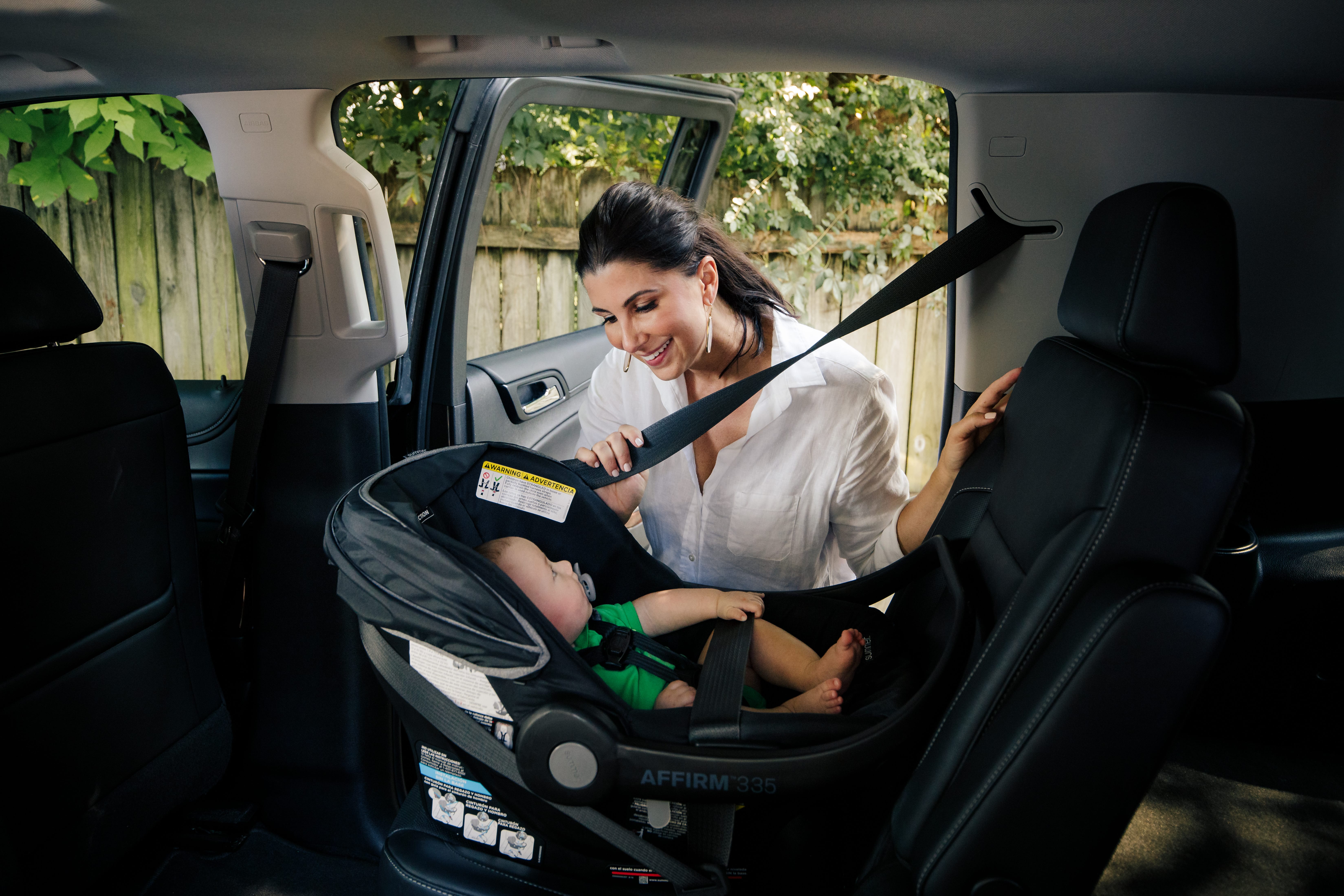
Car seats often come with tethers and anchors to keep them stable. These parts attach the seat firmly to the car. Using them reduces seat movement during sudden stops. Always connect the tether strap to the anchor point. Check your car’s manual to find anchor locations. Secure tethers and anchors tightly for the best hold.
Regular Seat Checks
Car seats can loosen over time. Regular checks ensure the seat stays tightly installed. Test the seat by trying to move it side to side. It should not shift more than one inch. Inspect harness straps for frays or twists. Make sure the harness fits snugly on your child. Tighten straps as your baby grows to keep them safe.
Credit: www.safeintheseat.com
Frequently Asked Questions
When Is The Safest Age To Face Babies Forward?
Experts recommend keeping babies rear-facing until at least 2 years old. This position best protects their head and neck during crashes.
What Weight Allows Babies To Face Forward In Car Seats?
Most car seats permit forward-facing when babies weigh between 20 to 30 pounds. Always check your seat’s specific weight limit.
How Does Rear-facing Car Seat Protect Babies Better?
Rear-facing seats support a baby’s head, neck, and spine by distributing crash forces evenly. This reduces injury risk in accidents.
Can Premature Babies Face Forward Earlier Than Full-term Babies?
No. Premature babies should remain rear-facing until meeting age and weight guidelines. Their fragile bodies need extra protection.
Conclusion
Babies should face forward only when they reach the right age and weight. Keep them rear-facing as long as possible for safety. Car seat rules protect your child during every trip. Always check the car seat manual and local laws.
Safety comes first, no matter how short the drive. Your careful choices help keep your baby safe and sound. Trust your instincts and stay informed about car seat guidelines. Safe travels start with the right car seat position.