
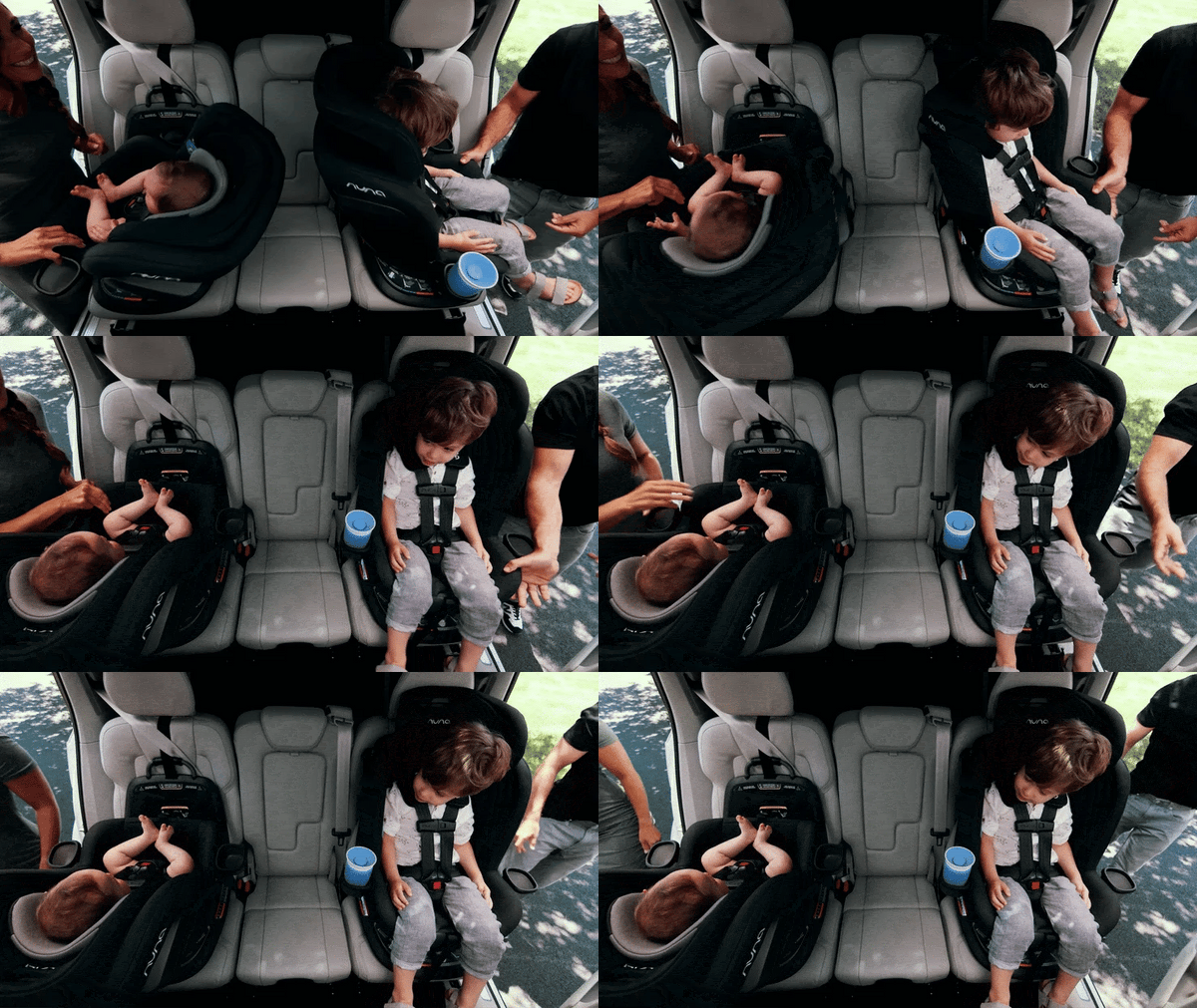
You want to keep your baby safe every time you hit the road. But when is the right time to turn your baby’s car seat around?
It’s a question many parents ask, and the answer can make a big difference in your child’s safety. Knowing the right moment to switch from rear-facing to forward-facing isn’t just about following rules—it’s about protecting your little one in the best way possible.
Keep reading to discover the signs, guidelines, and expert tips that will help you make the safest choice for your baby. Your child’s safety depends on it.
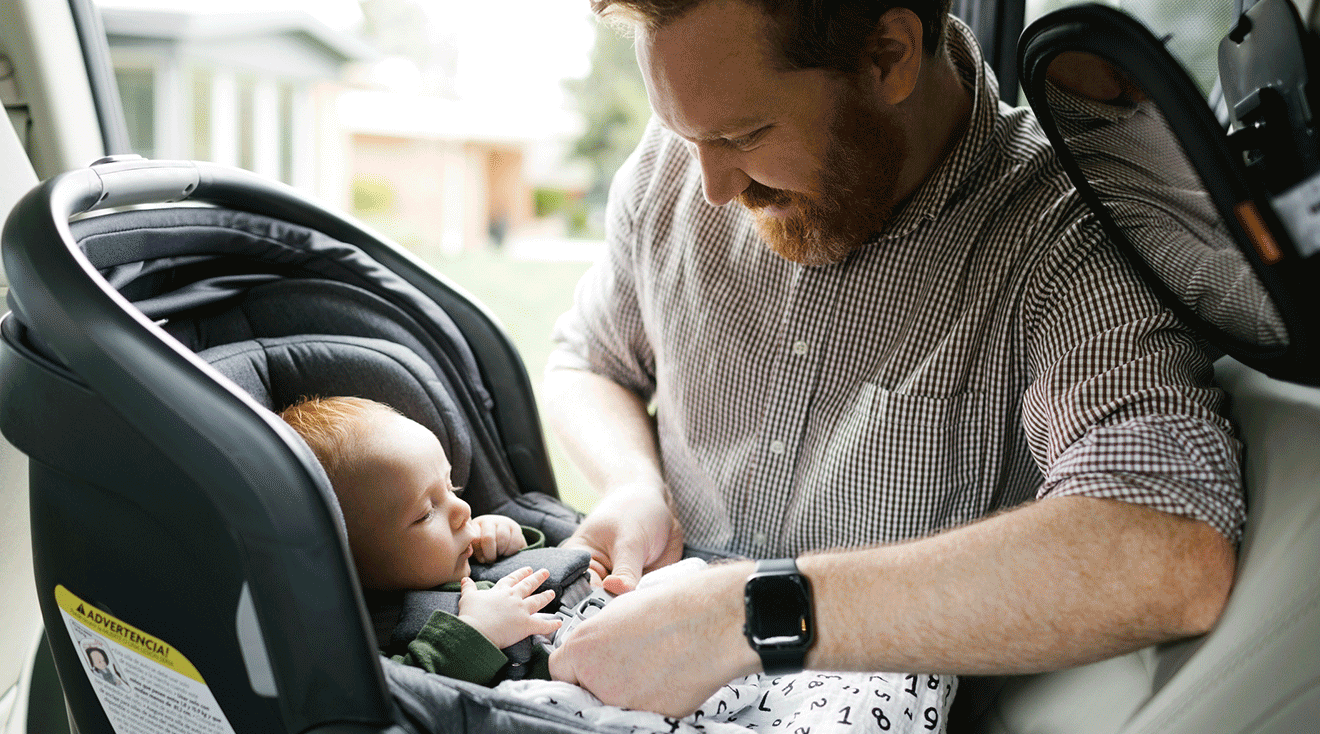
Credit: www.thebump.com
Rear-facing Vs Forward-facing
Choosing between rear-facing and forward-facing car seats is important for your child’s safety. Each position offers different protection levels. Understanding their benefits helps you decide the right time to switch your baby’s car seat direction.
Benefits Of Rear-facing Seats
Rear-facing seats support the head, neck, and spine better during a crash. They spread crash forces over the whole body, reducing injury risk. Babies’ bodies are fragile, and rear-facing seats provide extra protection.
Safety experts recommend keeping children rear-facing as long as possible. This position cushions the child and prevents sudden jerks. Many car seats allow children to stay rear-facing up to 40 pounds or more.
When To Consider Turning Forward
Forward-facing seats are for older, bigger children who meet height and weight limits. Once your child outgrows the rear-facing seat, switching is necessary. Check your car seat manual for specific weight and height guidelines.
Children often turn forward-facing after two years old. Ensure the seat has a harness and tether for safety. Always follow manufacturer instructions and local laws to keep your child safe.
Age And Weight Guidelines
Knowing when to turn your baby car seat around is crucial for your child’s safety. Age and weight guidelines are the primary factors that determine the right time to switch from rear-facing to forward-facing. Understanding these guidelines helps you make informed decisions that protect your little one on every ride.
Manufacturer Recommendations
Every car seat comes with specific instructions about age and weight limits for rear-facing and forward-facing positions. These recommendations often vary between brands and models, so reading the manual carefully is essential.
Most manufacturers suggest keeping your baby rear-facing until at least 2 years old or until they reach the maximum weight or height allowed for rear-facing. Some seats support rear-facing up to 40 pounds or more, giving your child extra protection.
Have you checked your car seat’s label recently? It might surprise you how much longer your baby can safely stay rear-facing.
Legal Requirements By Region
Legal rules about car seat orientation differ depending on where you live. Some regions mandate rear-facing seats until a certain age or weight, while others focus mainly on weight limits.
For example, in many U.S. states, the law requires children to remain rear-facing until at least 2 years old. In contrast, some European countries recommend rear-facing until 15 months or longer.
| Region | Rear-facing Age Minimum | Rear-facing Weight Limit |
|---|---|---|
| United States (varies by state) | 2 years (minimum) | Up to 40 lbs or more |
| United Kingdom | 15 months | Up to 18 kg (~40 lbs) |
| Canada | 2 years (minimum) | Up to 22 kg (~48 lbs) |
Are you aware of your local laws? Following them is not just about compliance but ensuring your child’s best protection.
Signs Baby Is Ready To Turn
Knowing when to turn your baby’s car seat can keep them safe and comfortable. Babies grow at their own pace, so watch for clear signs of readiness. These signs help parents decide the right time to switch from rear-facing to forward-facing.
Physical Development Indicators
- Your baby can hold their head up steadily without support.
- They sit well without help for longer periods.
- Weight and height match your car seat’s forward-facing limits.
- Neck muscles are strong enough to handle forward motion safely.
Behavioral Cues
- Your baby shows curiosity by looking forward and around.
- They seem uncomfortable or restless in the rear-facing position.
- Baby tries to push or lean forward during rides.
- They reach for toys or objects in front of them eagerly.

Credit: maxicosi.com
Common Safety Mistakes
Turning your baby’s car seat around is a significant milestone for many parents. However, navigating this transition can be tricky, and there are common safety mistakes that can put your child at risk. Understanding these mistakes will help ensure your little one’s safety on the road.
Turning Too Early
One of the most frequent mistakes is turning the car seat around too soon. Many parents are eager to switch from rear-facing to forward-facing as a sign of growth. But experts recommend keeping the car seat rear-facing until your child is at least two years old or reaches the maximum height and weight limit of the seat.
Why is this important? Rear-facing seats distribute crash forces more evenly across the child’s body, reducing the risk of injury. Before making the switch, double-check the specifications of your car seat.
It’s crucial not to rush this transition. Have you considered how this decision impacts your child’s safety?
Incorrect Installation
Incorrect installation of the car seat is another common mistake. Many parents assume they’ve got it right, but small errors can compromise safety. Always refer to the car seat manual for installation instructions specific to your model.
Securing the car seat tightly is key. If the seat moves more than an inch side-to-side or front-to-back, it’s not secure enough. Regularly check the seat’s stability, especially after long trips or changes in temperature.
Installing a car seat might seem straightforward, but it can be trickier than it appears. When was the last time you checked your car seat’s installation?
- Ensure the seat belt or LATCH system is used correctly.
- Verify that the harness is snug and positioned at the correct height.
- Check for manufacturer recalls on your car seat model.
These measures are small steps that make a big difference in protecting your child. Don’t underestimate the importance of a correctly installed car seat.
Tips For A Smooth Transition
Changing your baby’s car seat direction is a big step. It needs care and planning to keep your little one safe and calm. Use these tips for a smooth switch. They help both you and your baby adjust easily and safely.
Gradual Adjustment Strategies
Start by letting your baby get used to the new seat position slowly. Try short rides in the turned seat first. Watch how your baby reacts. Comfort is key. If your baby cries, pause and try again later.
Use familiar toys or blankets in the car seat. This helps your baby feel safe. Talk softly during the ride to keep your baby calm. Keep the seatbelt snug but comfortable. Make sure your baby’s head and neck are well supported.
Choosing The Right Car Seat
Pick a car seat that fits your baby’s size and age. Read the label for height and weight limits. Look for seats with good padding and support. Check if the seat easily switches from rear to forward-facing.
Make sure the car seat meets safety standards. Choose one with easy installation instructions. A seat that fits well in your car keeps your baby safer. Also, consider seats with adjustable harnesses for a better fit.

Credit: www.anbbaby.com
Expert Recommendations
Knowing when to turn your baby’s car seat around can feel confusing. Many parents wonder if it’s safe to switch from rear-facing to forward-facing and when exactly to make that change. Expert recommendations provide clear guidance to help you make the best decision for your child’s safety.
Pediatrician Advice
Pediatricians often recommend keeping your baby in a rear-facing car seat for as long as possible. This position offers better support for the head, neck, and spine during sudden stops or accidents.
Most doctors suggest waiting until your child reaches at least 2 years old before turning the seat forward. Some even advise keeping it rear-facing until the child outgrows the car seat’s height or weight limits.
Do you know your car seat’s specific limits? Checking these can help you align with your pediatrician’s advice and ensure your child stays safe.
Safety Organization Guidelines
Leading safety organizations, like the American Academy of Pediatrics (AAP) and the National Highway Traffic Safety Administration (NHTSA), emphasize rear-facing seats for toddlers.
They recommend keeping children rear-facing until they reach the maximum height or weight allowed by the car seat manufacturer. This often means children stay rear-facing beyond their second birthday.
These guidelines are based on crash data showing significantly lower injury rates for rear-facing toddlers. Following these recommendations can reduce your child’s risk in a crash.
- Check the car seat manual for height and weight limits.
- Keep your child rear-facing as long as the seat allows.
- Consult with your pediatrician if you’re unsure about timing.
Frequently Asked Questions
When Is The Right Age To Turn Baby Car Seat Around?
You can turn the baby car seat around after your child is at least 2 years old. Always follow weight and height limits set by the car seat manufacturer for safety.
What Are Safety Guidelines For Rear-facing Car Seats?
Keep your child rear-facing as long as possible, ideally until age 2 or longer. Rear-facing seats provide better head and neck protection during crashes.
How Do I Know When To Switch Car Seat Direction?
Switch when your child exceeds the rear-facing height or weight limits. Check your car seat manual for exact limits to ensure safe transition.
Can Turning Car Seat Forward Increase Accident Risk?
Yes, turning forward too early raises injury risk. Rear-facing seats absorb crash forces better, so keep your child rear-facing as long as possible.
Conclusion
Turning your baby’s car seat around depends on age, weight, and height. Always follow the car seat manufacturer’s instructions carefully. Keep your child rear-facing as long as possible for safety. Most experts suggest waiting until your baby is at least 2 years old.
Check local laws, as they may have specific rules. Safety is the top priority, not convenience. Remember, proper car seat use protects your child in every trip. Stay informed and adjust the seat only when your child meets all requirements.
Your careful decisions keep your baby safe on the road.