
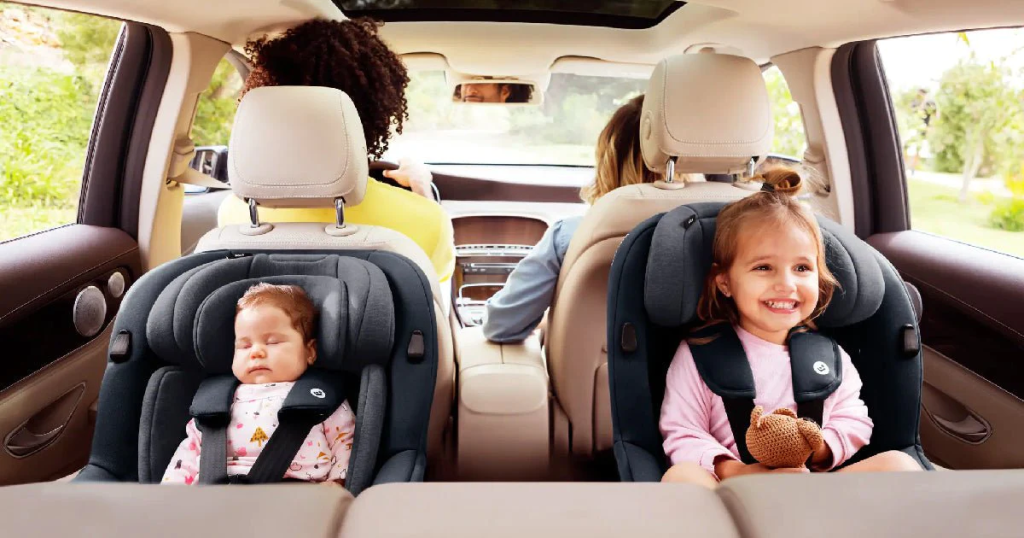
Are you wondering when it’s safe to front face your baby in the car? You want to keep your little one as safe as possible, but knowing the right time to switch seats can be confusing.
Making this decision too early or too late could affect your baby’s safety during every trip. You’ll discover clear, simple guidelines to help you protect your child while driving. Keep reading to learn exactly when you can front face your baby and what you need to watch for to make the best choice for your family.

Credit: babyallergyprevention.com.sg
Car Seat Basics
Choosing the right car seat and knowing when to switch your baby to front-facing can be confusing. Understanding the basics helps keep your child safe during every ride. Car seats protect babies by absorbing crash forces and preventing injuries. Each seat type suits different ages and weights, so picking the correct one is essential.
Rear Vs Front Facing Seats
Rear-facing seats support a baby’s head, neck, and spine better in a crash. Babies should stay rear-facing as long as possible, at least until age 2 or until they reach the seat’s height and weight limits. Front-facing seats are for older toddlers who have outgrown rear-facing limits. They offer a harness system that keeps children secure but provide less protection than rear-facing seats.
Types Of Car Seats
- Infant car seats: Rear-facing only, designed for newborns and small babies.
- Convertible car seats: Can be used rear-facing and later turned front-facing.
- Booster seats: For older children who have outgrown harness seats.
Choosing the right type depends on your child’s age, weight, and height. Follow manufacturer guidelines carefully.
Importance Of Proper Installation
Even the best car seat is unsafe if installed incorrectly. Tight installation limits seat movement during a crash. Use the car’s seat belt or LATCH system to secure the seat firmly. Check the angle for rear-facing seats to keep your baby’s airway open. Read the car seat manual and vehicle owner’s manual for specific instructions. Regularly inspect the seat for wear and adjust straps as your child grows.
Age And Weight Guidelines
Understanding the right age and weight to switch your baby to a front-facing car seat can be confusing. These guidelines ensure your child stays safe during every ride. Paying close attention to age, weight, and height requirements helps you make the best decision for your little one’s safety.
Recommended Age For Front Facing
Experts generally recommend keeping your child rear-facing until at least 2 years old. This position supports your baby’s head, neck, and spine better during sudden stops. Some parents find it surprising how quickly kids grow, so waiting until your child is clearly ready can make a big difference.
Many safety organizations suggest staying rear-facing as long as possible within the car seat’s limits. When your child outgrows the rear-facing seat by height or weight, it’s time to consider turning them forward. Have you checked your car seat manual recently to confirm these limits?
Weight And Height Limits
Weight limits for front-facing car seats typically start around 20 pounds (9 kg) and can go up to 65 pounds (29.5 kg) or more, depending on the model. Height limits usually range from 30 to 49 inches (76 to 124 cm). It’s important to follow these numbers exactly, not just your child’s age.
Here’s a quick table to visualize common limits:
| Car Seat Type | Minimum Weight | Maximum Weight | Height Range |
|---|---|---|---|
| Rear-Facing | 5 lbs (2.3 kg) | 40 lbs (18 kg) | Up to 40 inches (102 cm) |
| Forward-Facing | 20 lbs (9 kg) | 65 lbs (29.5 kg) | 30 to 49 inches (76 to 124 cm) |
Remember, every car seat is different. Always check your specific seat’s manual for exact limits.
Legal Requirements By Region
Legal rules about front-facing babies vary widely depending on where you live. Some places require children to remain rear-facing until 2 years old, while others have different age or weight thresholds. These laws are designed to keep your child safe on the road but can be confusing if you travel or move.
For example, in California, children must stay rear-facing until at least 2 years old or until they reach the highest weight or height allowed by their seat. Meanwhile, in the UK, the recommendation is similar, but legal requirements may differ for toddlers above 15 months.
Have you checked your local laws recently? Staying informed helps you avoid fines and keeps your child protected.
Safety Benefits Of Rear Facing
Choosing the right car seat position keeps babies safe during travel. Rear facing seats offer important safety benefits. They protect the baby’s body better in a crash. Understanding these benefits helps parents make smart choices.
Impact On Baby’s Neck And Spine
Babies have weak neck muscles and soft bones. Rear facing seats support their head and neck fully. This reduces stress on the spine during sudden stops. Front facing seats put more pressure on the neck. Rear facing cushions the impact, lowering injury risks.
Crash Protection Features
Rear facing seats spread crash forces across the baby’s back. This design absorbs energy safely. It keeps the head, neck, and spine aligned. Front facing seats focus force on the baby’s chest and neck. Rear facing reduces the chance of severe injuries by protecting vital areas.
Studies Supporting Rear Facing
Research shows rear facing seats lower injury rates in crashes. Studies find babies are up to five times safer rear facing. Experts recommend keeping babies rear facing until at least age two. This advice comes from real crash data and child safety research.
When To Transition To Front Facing
Transitioning your baby to a front-facing car seat is an important step. It marks a new stage in their growth and development. Parents often wonder about the right time to make this switch. Safety experts recommend waiting until your child meets specific criteria before turning forward. Understanding these signs helps keep your baby safe on every ride.
Signs Baby Is Ready
- Baby can sit up well without support.
- They have good head and neck control.
- Baby reaches the car seat’s height and weight limits for rear-facing.
- They show curiosity about the world outside the car.
Consulting Pediatricians
Doctors know your baby’s health and growth best. Ask your pediatrician for advice on the right time to switch. They can assess your baby’s physical readiness and safety needs. This guidance ensures your child transitions at the safest moment.
Avoiding Common Mistakes
- Do not rush to turn your baby forward too early.
- Avoid ignoring the car seat’s weight and height limits.
- Never place a front-facing seat in the front seat with an active airbag.
- Always follow the car seat manufacturer’s instructions carefully.
Choosing The Right Front Facing Seat
Choosing the Right Front Facing Seat Parents often wonder when to switch their baby to a front-facing car seat. Safety experts recommend waiting until the child is at least two years old or exceeds the height and weight limits of their rear-facing seat.
Always follow the car seat manufacturer’s guidelines for the best protection.
Choosing the right front-facing car seat for your baby is a crucial decision that ensures their safety while traveling. As your child transitions from a rear-facing position, you need to consider various factors to find the best seat. This decision is not just about comfort but also about providing maximum protection.Convertible Car Seats
Convertible car seats are a popular choice among parents because of their versatility. They can be used as rear-facing for infants and then switched to front-facing as your child grows. This dual functionality can save you money in the long run and is a practical choice if you’re looking for longevity. When selecting a convertible seat, check the weight and height limits to ensure it accommodates your growing child. Many parents find that investing in a high-quality convertible car seat provides peace of mind and convenience.Harness Systems
The harness system is a critical component of any car seat as it directly impacts your child’s safety. A five-point harness is often recommended, as it provides the best fit and security. Ensure that the harness is easy to adjust and fits snugly against your child’s body. You might recall a time when you struggled with a complicated harness system, emphasizing the importance of a user-friendly design.Additional Safety Features
Modern car seats come equipped with a variety of additional safety features, which can greatly enhance your child’s protection. Look for features like side impact protection, energy-absorbing foam, and easy installation systems. These features are not just marketing gimmicks; they provide an added layer of safety during unexpected situations. Have you ever considered how these features can make a difference in an accident? It’s worth thinking about their real-world implications when choosing a seat. Choosing the right front-facing seat is about more than just meeting legal requirements. It’s about ensuring your child’s safety and your peace of mind.
Credit: orbitbaby.com
Installation Tips For Front Facing Seats
Installing a front-facing car seat correctly is crucial for your child’s safety and comfort. Small mistakes can reduce the seat’s effectiveness during a sudden stop or accident. Paying attention to the right installation techniques ensures your baby stays secure and happy on every ride.
Using Latch Vs Seat Belt
You have two main options to install a front-facing seat: LATCH (Lower Anchors and Tethers for Children) or the vehicle’s seat belt. LATCH is often easier and offers a more secure fit without twisting the belt. However, some cars limit the weight for LATCH use, so check your car manual before deciding.
If you use the seat belt, make sure it’s locked tightly and routed correctly according to the car seat instructions. Sometimes, the belt can loosen during travel, so giving it a firm pull after installation helps keep everything snug. Have you ever felt the seat move more than you expected? That usually means the belt isn’t tight enough.
Securing The Harness
The harness is your child’s lifeline in the car seat. Adjust it so it fits snugly against your baby’s body without any slack. The chest clip should be at armpit level to keep the straps in the correct position.
When tightening the harness, make sure you can’t pinch any excess webbing at the shoulder. If you can, it’s too loose. Remember, a loose harness can cause serious injury in a crash, so double-check every time you buckle up.
Checking Seat Stability
After installing the seat, test its stability by giving it a firm shake at the base. The seat should not move more than one inch side to side or front to back. If it moves more, tighten the installation or try a different attachment method.
Many parents overlook this step, but a wobbly seat compromises safety. Ask yourself: would you feel secure with this seat if you were your child? If not, keep adjusting until it feels rock solid.
Travel Tips For Front Facing Babies
Traveling with a front-facing baby requires extra attention to comfort and safety. Your little one’s position, how often you stop, and watching their behavior all play a big role in making trips smoother. These tips help you keep your baby happy and safe while on the road.
Proper Seating Position
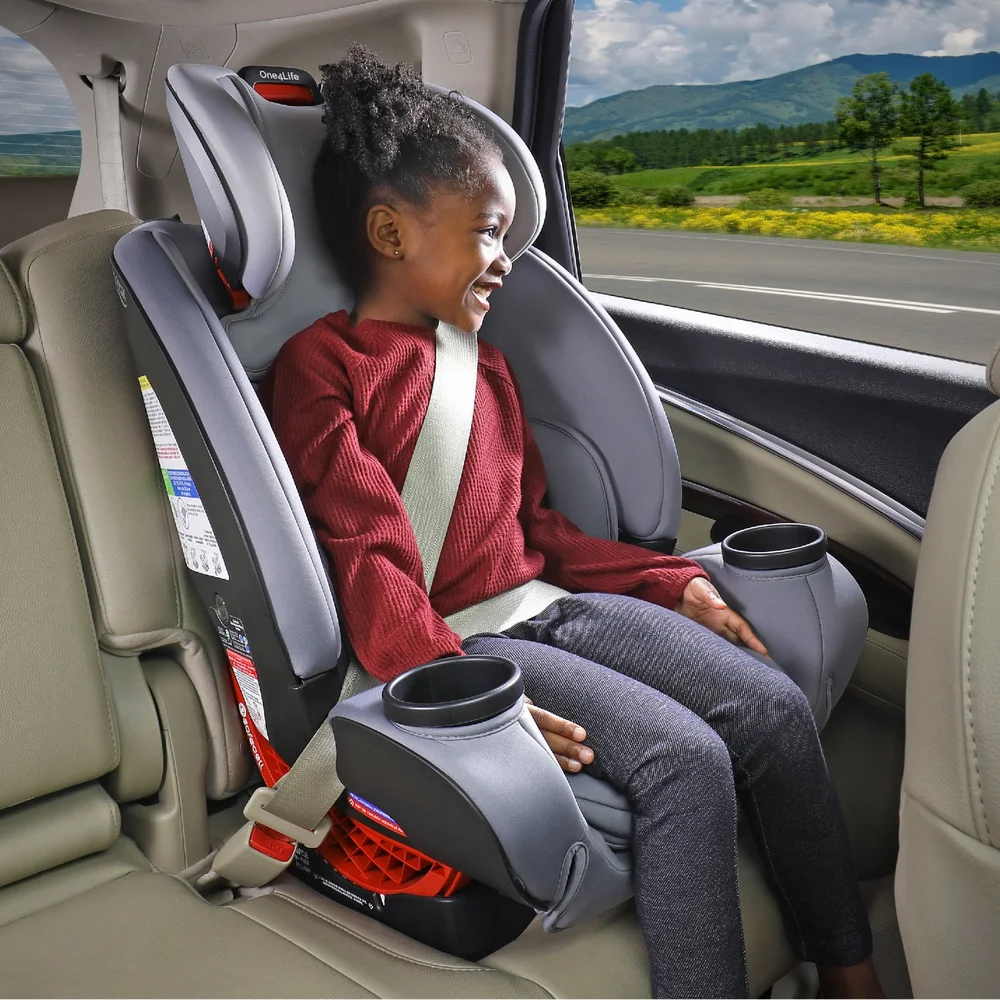
Ensure your baby’s car seat is installed correctly and fits their size and weight. The harness should be snug but not too tight, with straps at or above your baby’s shoulders in the front-facing position. Adjust the seat recline to keep your baby’s head supported and avoid slumping forward during the ride.
Have you checked the car seat manual lately? Even small adjustments can improve comfort and safety dramatically. A well-positioned seat reduces fussiness and makes travel less stressful for everyone.
Frequent Breaks
Babies get restless quickly, especially when facing forward with more stimulation. Plan to stop every 1 to 2 hours to give your baby a break from the seat. Use these breaks to stretch, change diapers, and let your baby move around safely outside the car.
Think about how a short walk or a few minutes of play can reset your baby’s mood. These pauses help prevent crankiness and give you a chance to check that your baby is comfortable and secure.
Monitoring Baby During Trips
Keep an eye on your baby’s expressions and sounds to catch signs of discomfort early. Use a mirror designed for rearview seats so you can watch your baby without turning around. If your baby starts fussing, check the temperature, hunger, or if the harness is too tight.
Have you noticed how a quick check-in can stop a meltdown before it starts? Staying alert to your baby’s needs allows you to adjust and keep the journey calm and safe.
Credit: www.upgrademystatus.com
Frequently Asked Questions
When Is It Safe To Front Face A Baby In Car?
You can front face your baby after they reach at least 2 years old. Always follow your car seat manufacturer’s weight and height limits. Rear-facing is safer for infants and toddlers, so switch only when the seat guidelines allow.
Why Keep A Baby Rear Facing In The Car?
Rear-facing seats support the baby’s head, neck, and spine during a crash. This position reduces injury risk by distributing crash forces across the body. Experts recommend rear-facing until age 2 or as long as the seat permits.
What Are The Risks Of Front Facing Too Early?
Front facing a baby too early increases head and neck injury risks. Babies have fragile bones and muscles that rear-facing protects better. Prematurely turning forward can lead to severe harm in a collision.
How Do Car Seat Laws Affect Front Facing Timing?
Car seat laws vary by region but generally require rear-facing seats until age 2. Always check local regulations and follow the car seat’s specific guidelines. Compliance ensures your baby’s safety and legal protection.
Conclusion
Always keep your baby’s safety as the top priority. Follow car seat rules carefully. Most experts say wait until your baby is at least two years old. Make sure your child meets the weight and height limits. Check the car seat manual for specific guidelines.
Remember, rear-facing seats protect your baby’s head and neck best. Changing to front-facing too soon can increase risks. Stay informed and choose what is safest for your child. Safety first, peace of mind always.