

Are you wondering when it’s safe to front face your baby in their car seat? This is a question every parent or caregiver asks at some point.
You want to keep your little one safe, comfortable, and happy during every ride. But with so many opinions and rules, it can get confusing. Understanding the right time to turn your baby forward can protect them from serious injuries and give you peace of mind.
Keep reading to discover exactly when and why you should make this important switch for your child’s safety.
Rear-facing Vs Front-facing Seats
Choosing between rear-facing and front-facing car seats is crucial for your baby’s safety. Each option offers different levels of protection. Understanding these differences helps parents make the best decision for their child’s age and size.
Benefits Of Rear-facing Seats
Rear-facing seats support your baby’s head, neck, and spine in a crash. They spread crash forces across the strongest parts of the body. This position reduces the risk of serious injuries. Experts say rear-facing is safest for as long as possible.
Risks Of Early Front-facing
Switching to front-facing too soon increases injury risks. The baby’s body is still fragile and less protected. Front-facing seats allow more forward movement during crashes. This can cause severe neck and spine injuries. Early transition puts the child at higher danger.
Recommended Age And Weight Limits
- Keep babies rear-facing until at least 2 years old.
- Follow the car seat manufacturer’s weight and height limits.
- Many seats allow rear-facing up to 40 pounds or more.
- Always check local laws and safety guidelines.
Waiting until your child outgrows these limits keeps them safer. The longer the rear-facing use, the better the protection.

Credit: orbitbaby.com
Signs Your Baby Is Ready
Knowing when to front face your baby in a car seat is important for safety. Babies develop at different speeds. Watching for signs can help you decide the right time. These signs come from physical growth, behavior, and expert advice.
Physical Milestones
- Your baby can hold their head up steadily without support.
- They can sit up well with little or no help.
- Their neck muscles are strong enough to control head movement.
- They reach or exceed the minimum weight and height for front-facing seats.
Behavioral Indicators
- Your baby shows interest in the outside world by looking around.
- They can stay calm and comfortable in different positions.
- The child resists rear-facing by trying to turn or look forward.
- They can follow moving objects with their eyes smoothly.
Consulting Your Pediatrician
Always ask your pediatrician before changing your baby’s car seat position. Doctors can check your baby’s growth and muscle strength. They provide personalized advice based on health and safety. This step ensures your baby’s journey is as safe as possible.
Car Seat Safety Standards
Babies should face the rear until they reach the car seat’s weight or height limit. Turning forward too soon can increase injury risks. Always check your car seat’s manual and local safety laws before switching to front-facing.
Ensuring your child’s safety while traveling in a car is paramount. Car seat safety standards are designed to protect your little one and give you peace of mind. Understanding these standards can help you make informed decisions about when to front face your baby in a car seat.Understanding Safety Labels
Safety labels on car seats provide crucial information. They indicate the appropriate weight and height limits for each seating position. Always check these labels before making any adjustments. Remember, these labels are there to guide you and ensure your child’s safety.Expiration Dates And Recalls
Did you know that car seats have expiration dates? Over time, materials can degrade, and safety standards evolve. It’s essential to check the expiration date on your car seat and stay informed about any recalls. This ensures your car seat is up-to-date with the latest safety features.Proper Installation Techniques
Proper installation is as vital as the car seat itself. A staggering number of car seats are incorrectly installed. Follow the manufacturer’s instructions carefully and consider visiting a local car seat inspection station. Expert guidance can offer you the confidence that your car seat is securely and correctly installed.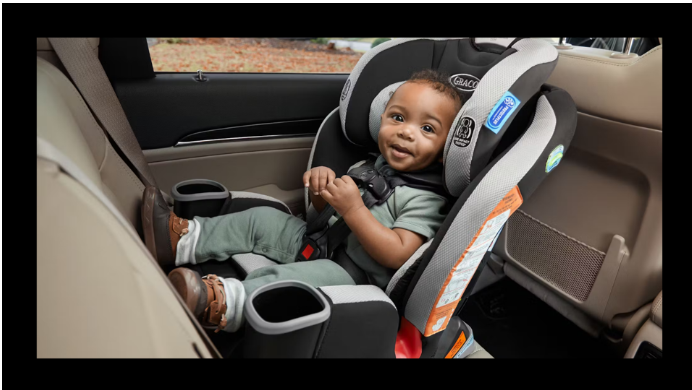
Credit: tncim.com
Transitioning To Front-facing
Transitioning your baby to a front-facing car seat is a big step. It signals growing independence but also comes with new safety considerations. You want to make sure the switch is smooth and secure for your child’s comfort and protection.
Adjusting Harness And Straps
The harness and straps need careful adjustment when changing to front-facing mode. Check that the harness fits snugly over your child’s shoulders without any slack. Straps should lie flat and not twist, ensuring maximum safety.
Remember, the harness slots used for rear-facing might be different for front-facing. Move the straps to the correct height—usually at or just above your child’s shoulders. Double-check the chest clip position; it should be at armpit level to keep your baby secure.
Choosing The Right Car Seat
Not every car seat supports front-facing use at the same stage. Look for seats that clearly state weight and height limits for front-facing positions. Some convertible seats handle both rear and front-facing easily, while others require additional adjustments.
Think about how long you plan to keep your child front-facing. If you want a seat that grows with your baby, consider a model with extended weight limits. This can save money and hassle in the long run.
Ensuring Secure Fit
Once you switch to front-facing, the car seat must be tightly installed. Test the seat by trying to move it side to side and front to back—less than one inch of movement is safe. Using a seatbelt lock-off or LATCH system correctly can make a big difference.
Ask yourself: Is the angle of the seat appropriate? Front-facing seats often have recline options to keep your child comfortable and safe. Adjust these settings based on your child’s age and size to avoid slumping or discomfort during rides.
Common Mistakes To Avoid
Choosing when to front face your baby in a car seat is important for safety. Many parents make common mistakes that can put their child at risk. Knowing what to avoid helps keep your baby secure during every ride.
Premature Transition Risks
Turning your baby to face forward too soon can cause serious injury. Babies’ neck muscles are weak and need extra support. Rear-facing seats protect their head and spine better. Experts recommend waiting until your baby meets the height and weight limits. Patience is key to keeping your child safe.
Incorrect Harness Positioning
Proper harness use is crucial in any car seat position. The straps should fit snugly without slack. When front facing, the harness must sit at or above your baby’s shoulders. Loose straps can cause your baby to slip out during a crash. Make sure the chest clip is at armpit level. Double-check every trip to avoid harness errors.
Ignoring Manufacturer Guidelines
Each car seat has unique rules for front facing use. Ignoring these guidelines can void safety features. Always read the manual carefully before switching positions. Weight, height, and age limits vary by seat model. Follow instructions to ensure proper installation and use. Manufacturer advice is designed to protect your baby.
Additional Safety Tips
Keeping your baby safe in the car requires more than just knowing when to front face. Following extra safety tips helps protect your child every trip. These tips ensure the car seat works as it should and caregivers stay informed. Small actions can make a big difference in safety.
Regular Car Seat Checks
Car seats can wear out or get damaged over time. Check the seat for cracks, frayed straps, or broken parts. Make sure the seat is installed tightly and does not move more than an inch. Check the harness and buckles for proper function. Regular checks keep the seat safe and secure.
Using Booster Seats Appropriately
Booster seats are for older children who outgrow car seats but are not tall enough for seat belts alone. Use a booster only when your child meets the height and weight rules. The booster must fit the car’s seat belt correctly. A poor fit can cause injury during a crash.
Educating Caregivers
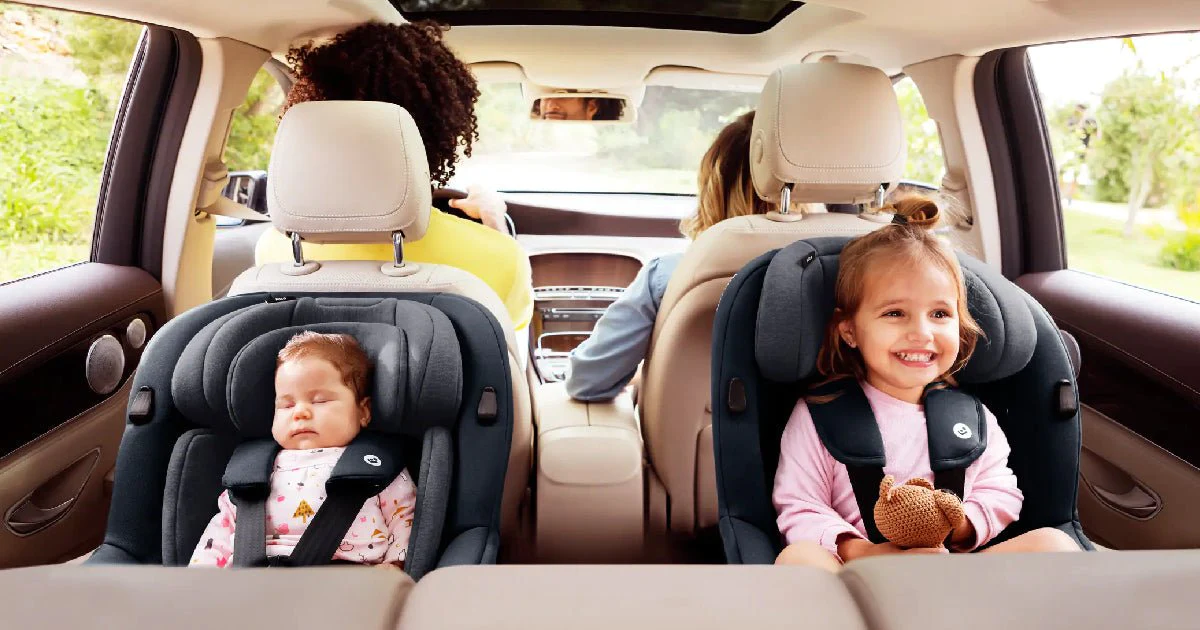
Everyone who drives your child should know the car seat rules. Teach family, friends, and babysitters how to install and use the seat properly. Share safety tips and the child’s specific needs. Educated caregivers help keep your baby safe every ride.
Credit: www.usafawol.com
Frequently Asked Questions
When Is It Safe To Front Face A Baby In A Car Seat?
It is safe to front face a baby after they reach at least 2 years old. The child must also exceed the car seat’s rear-facing height and weight limits. Always follow the car seat manufacturer’s guidelines and local safety laws.
Why Keep Babies Rear-facing In Car Seats Longer?
Rear-facing car seats better protect a baby’s head, neck, and spine during crashes. They reduce injury risk by distributing crash forces evenly. Experts recommend rear-facing until at least age 2 or until the seat’s limit is reached.
What Are Risks Of Front Facing Too Early?
Front-facing too early increases risk of severe injury in collisions. Babies’ neck muscles are weak, making them vulnerable to whiplash. Early front-facing can cause spinal injuries, so waiting for proper age and size is crucial.
How Do I Know When To Switch To Front Facing?
Switch to front-facing when your child outgrows rear-facing limits. Check the car seat manual for height and weight requirements. Your child should be at least 2 years old before changing orientation.
Conclusion
Babies should ride rear-facing as long as possible. This helps protect their head and neck. Most experts say keep them rear-facing until at least age two. Check your car seat’s weight and height limits. Always follow safety guidelines from trusted sources.
Turning your baby forward too soon can increase injury risk. Safety comes first in every car ride. Stay informed and adjust the seat as your child grows. Your careful attention keeps your little one safe and sound.