
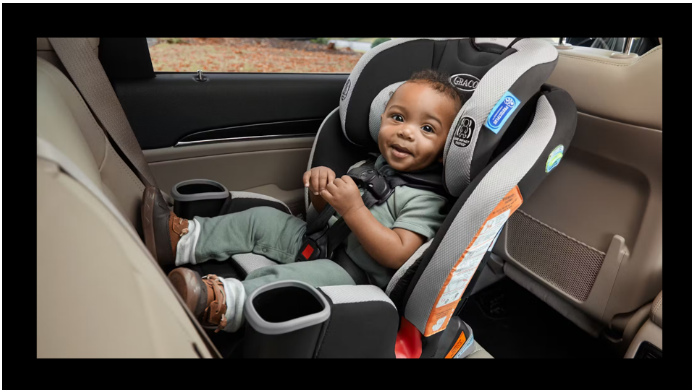
You want to keep your baby safe every time you get in the car. But when is it the right time to turn your baby’s car seat from rear-facing to forward-facing?
This decision can feel confusing, and making the wrong choice might put your little one at risk. Understanding the right moment to switch can protect your child and give you peace of mind. You’ll discover exactly when and how to forward face your baby in the car safely.
Keep reading to learn the key signs and expert tips that every parent needs to know.
Rear Facing Importance
Keeping your baby rear-facing in the car is very important for safety and development. It offers the best protection during travel. Understanding why rear-facing matters helps parents make smart choices for their child’s car seat.
Safety Benefits
Rear-facing seats protect the baby’s head, neck, and spine. They spread crash forces over the whole body. This reduces injury risk in sudden stops or accidents. The car seat acts like a shield, holding the baby safely in place. Studies show rear-facing seats lower serious injury chances compared to forward-facing seats.
Developmental Considerations
Babies have fragile bones and muscles. Their neck muscles are weak and need support. Rear-facing seats support the baby’s head and neck better. They fit the natural curve of a baby’s spine. This position also helps the baby stay calm and comfortable during rides. It supports healthy physical development while keeping the child safe.
Age And Weight Limits
Understanding the age and weight limits for forward-facing car seats is crucial for your baby’s safety. Each child grows at their own pace. This means timing the switch from rear-facing to forward-facing carefully. The right moment depends on specific guidelines and laws designed to protect children during car travel.
Manufacturer Guidelines
Car seat makers provide clear rules on age and weight limits. Most recommend keeping babies rear-facing until at least 2 years old. Weight limits vary but often range from 20 to 40 pounds for rear-facing seats.
Once your child exceeds these limits, the seat can face forward. Check your car seat manual for exact numbers. Each model has unique requirements. Following these helps ensure the seat works as designed.
Legal Requirements
Every state or country sets laws about car seat use. Many require children to stay rear-facing until a certain age, often 2 years or older. Some laws focus on weight and height limits instead of age.
Failing to follow these laws can lead to fines and unsafe rides. Always verify your local rules before switching your baby to a forward-facing seat. Keeping your child safe is the top priority.
Signs Baby Is Ready
Knowing when your baby is ready to face forward in the car seat is important for safety. Babies develop at their own pace. Watching for clear signs helps make the right decision. These signs fall into two main groups: physical milestones and behavioral indicators.
Physical Milestones
- Your baby can hold their head up steadily without support.
- They have good neck strength and control.
- Your baby can sit up well with little or no help.
- Their weight and height meet the car seat manufacturer’s recommendations.
- Legs are long enough to bend comfortably at the seat edge.
Behavioral Indicators
- Your baby shows curiosity about the world around them.
- They reach for toys or objects while sitting in the car seat.
- Your baby seems comfortable sitting upright for longer periods.
- They no longer try to slouch or lean heavily to one side.
- Your baby appears calm and happy when seated facing forward.
Credit: www.thebump.com
Transitioning Steps
Transitioning your baby from a rear-facing to a forward-facing car seat is a big step that requires careful thought. It’s not just about flipping the seat around; it involves choosing the right seat and installing it properly to keep your child safe. Let’s break down these essential parts to help you make the switch confidently.
Choosing The Right Seat
Your child’s comfort and safety depend heavily on the car seat you pick. Look for seats that meet or exceed current safety standards and have clear weight and height limits. Some seats are convertible, allowing you to switch from rear-facing to forward-facing without buying a new one.
Think about your vehicle too. Does the seat fit well in your car? Is it easy to buckle your child in? Check reviews from parents with similar cars to get real-life insights. Don’t hesitate to visit a store and test how the seat feels when installed.
Installation Tips
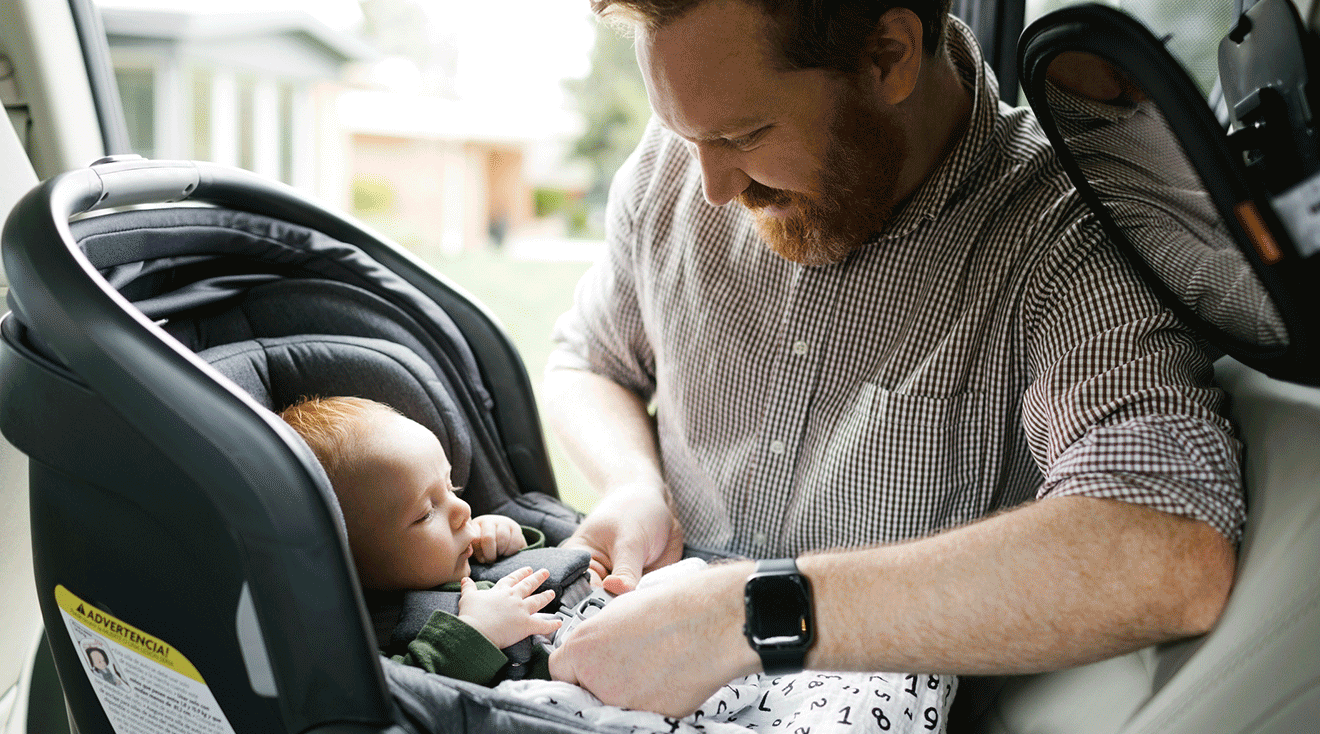
Installing the car seat correctly is critical. Always follow the manufacturer’s instructions closely. Use either the seat belt or the LATCH system—never both at the same time unless the manual says it’s okay.
Make sure the seat doesn’t move more than an inch side-to-side or front-to-back. A loose seat can be dangerous in a crash. If you’re unsure, many local fire stations or children’s hospitals offer free car seat checks.
Common Mistakes To Avoid
Turning a baby forward too soon can increase injury risk in a crash. Always follow weight and age limits set by safety experts. Checking the car seat manual helps avoid costly mistakes.
Navigating the world of car seats can be overwhelming for new parents. Transitioning your baby to a forward-facing car seat is a significant milestone, but it’s crucial to avoid common mistakes that could compromise their safety. Ensuring your child’s safety means being vigilant and informed about the correct practices.Premature Switching
Switching your baby to a forward-facing car seat too early is a common mistake. The American Academy of Pediatrics recommends keeping children in rear-facing seats until at least age two, or until they reach the maximum height and weight limit for their rear-facing seat. This might feel inconvenient, especially if your child seems cramped, but their safety is worth the slight discomfort. Consider the physics: in a crash, a rear-facing seat better supports your child’s head, neck, and spine. It’s a small price to pay for peace of mind. Are you tempted to switch just because other parents have done so? Remember, your baby’s safety is paramount.Incorrect Harness Use
Proper harness use is another critical aspect often overlooked. A harness that is too loose or improperly positioned can be dangerous. Always ensure the harness is snug, with no slack. You should not be able to pinch any excess strap material at the shoulder. The chest clip should be at armpit level, not on the stomach or neck. A correctly positioned harness provides the best protection in an accident. Take a moment to double-check every time. Is your rush worth the potential risk? Avoid using bulky clothing like puffy jackets that can interfere with harness tightness. Instead, opt for layers and blankets over the harness for warmth. Small adjustments can make a big difference in your child’s safety.
Credit: findforbaby.com
Expert Recommendations
Knowing when to switch your baby to a forward-facing car seat is a big decision that affects their safety every day. Expert recommendations give clear guidelines that help you make the right choice. These guidelines come from trusted sources who understand child safety better than anyone else.
Pediatric Advice
Pediatricians often recommend keeping your baby rear-facing as long as possible. This is because the rear-facing position offers better support to your baby’s head, neck, and spine during sudden stops or crashes.
Many doctors suggest waiting until your child is at least 2 years old before turning them forward. If you’ve ever seen how fragile a baby’s neck is, you’ll understand why this advice matters. Pediatricians remind parents to check the car seat’s height and weight limits rather than just age.
Safety Organizations
Groups like the American Academy of Pediatrics (AAP) and the National Highway Traffic Safety Administration (NHTSA) provide clear safety guidelines. They emphasize that children should remain rear-facing until they reach the highest weight or height allowed by their car seat.
Both organizations highlight that switching too early increases the risk of serious injury. They also recommend using a convertible car seat to extend rear-facing time. Have you looked at your car seat’s manual lately? It could hold the key to keeping your baby safer on every ride.

Credit: orbitbaby.com
Frequently Asked Questions
When Is It Safe To Forward Face A Baby In Car?
It’s safe to forward face a baby after they reach at least 2 years old. They must meet height and weight limits specified by the car seat manufacturer. Always follow your local safety laws and recommendations.
What Are The Risks Of Early Forward Facing?
Turning your baby forward too early increases injury risk during a crash. Rear-facing seats better support the head, neck, and spine. Experts recommend rear-facing until age 2 or longer for maximum safety.
How Do Car Seat Laws Affect Forward Facing Age?
Car seat laws vary by region but generally require rear-facing until age 2. Some areas allow forward facing earlier with specific weight or height. Always check local regulations to ensure compliance and your child’s safety.
Can Premature Babies Forward Face Earlier Than Full-term Babies?
Premature babies should remain rear-facing as long as possible, following the same guidelines as full-term babies. Consult your pediatrician to address any special health concerns before switching to forward facing.
Conclusion
Always keep your baby’s safety as the top priority in the car. Experts recommend waiting until your child is at least two years old before turning them forward-facing. Check your car seat’s manual for specific weight and height limits. Keep your baby rear-facing longer if possible.
This position offers better protection during travel. Remember, small changes can make a big difference. Stay informed and follow safety guidelines carefully. Safe travels mean happy journeys for your family.