
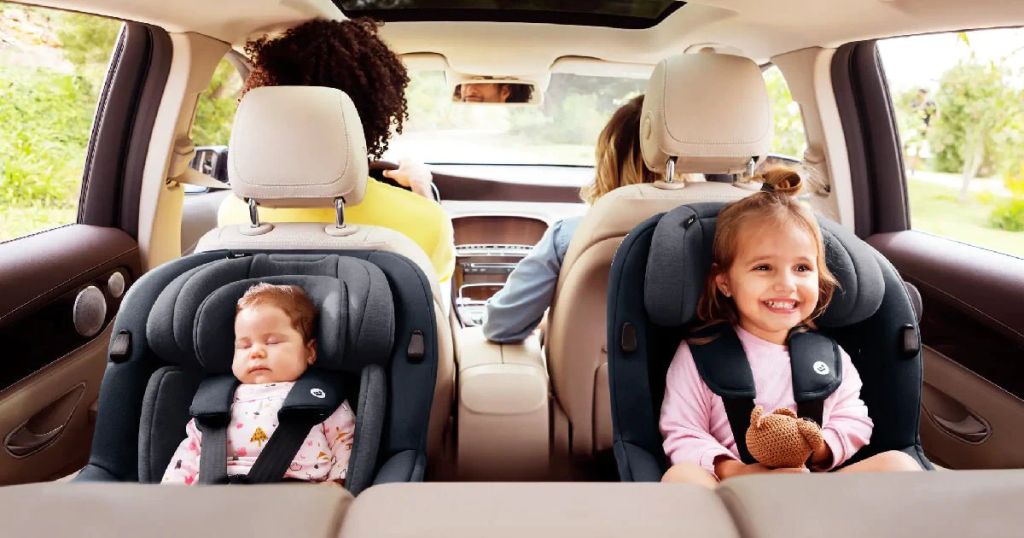
Are you wondering when it’s safe to turn your baby’s car seat to face forward? You want to keep your little one safe and comfortable, but the rules can be confusing.
Knowing the right time to switch can protect your child from serious injury during a car ride. You’ll discover exactly when and why you should face your baby forward in their car seat. Keep reading to learn how to make the best choice for your child’s safety every time you hit the road.
Rear-facing Vs Forward-facing Seats
Choosing between rear-facing and forward-facing car seats is a critical decision for your child’s safety. Many parents wonder when it’s truly safe to switch their baby from rear-facing to forward-facing. Understanding the differences and guidelines can help you make the best choice for your little one’s protection.
Safety Benefits Of Rear-facing
Rear-facing seats support your baby’s head, neck, and spine better during a crash. The force of impact spreads across the entire back, reducing injury risks. Studies show that children in rear-facing seats are up to five times safer in serious accidents.
Keep in mind, the younger and smaller your child is, the more important it is to keep them rear-facing. It’s not just a recommendation—it’s backed by real safety data. Have you ever thought about why rear-facing seats are often overlooked despite these clear benefits?
When To Consider Switching
Switching to forward-facing is tempting as your child grows, but timing matters. Wait until your child reaches the car seat’s rear-facing height or weight limit. This usually means your child is at least 2 years old, but some seats allow rear-facing longer.
Rushing the switch can expose your child to unnecessary risk. Ask yourself: Is your child ready, or is it just more convenient to turn the seat? Your child’s safety should guide this decision over convenience.
Weight And Height Limits
Every car seat comes with specific weight and height limits for rear- and forward-facing modes. Check your car seat manual carefully—these limits vary widely. Some seats accommodate children up to 40 pounds rear-facing, giving more time before switching.
| Seat Type | Typical Rear-Facing Limits | Typical Forward-Facing Limits |
|---|---|---|
| Infant-only Seat | Up to 30-35 lbs | Not applicable |
| Convertible Seat | Up to 40 lbs or more | Up to 65 lbs |
Don’t ignore these limits to avoid compromising your child’s safety. It might feel restrictive, but these numbers are based on crash test data and expert recommendations. Are you familiar with your car seat’s exact limits?
Recommended Age For Forward-facing
Deciding the right time to turn your baby’s car seat forward can feel like a big milestone. It’s not just about age, but also about your child’s safety and development. Knowing the recommended age helps ensure you protect your little one during every ride.
Guidelines From Safety Authorities
Most safety experts agree that children should remain in rear-facing car seats until at least 2 years old. The American Academy of Pediatrics recommends keeping your child rear-facing as long as possible, up to the height or weight limit of the car seat.
Rear-facing seats better protect a child’s head, neck, and spine during sudden stops or crashes. Many states have laws enforcing this minimum age, but some also require meeting specific size limits before turning forward.
- Wait until your child exceeds the rear-facing height or weight limits specified by the car seat manufacturer.
- Check your local regulations to ensure compliance with car seat laws.
- Remember, safety authorities emphasize age 2 as a baseline, not a strict cutoff.
Developmental Milestones To Watch
Age matters, but your child’s physical development also plays a key role. Can your child hold their head up steadily? Do they have good neck muscle strength? These are crucial signs your baby is ready to face forward.
Children who struggle to keep their head upright might find forward-facing seats uncomfortable or unsafe. Observe how your baby reacts during longer car rides while rear-facing.
- If your child can sit without support for extended periods, it’s a sign they might be ready.
- Strong neck control helps protect your child’s head during sudden movements.
- Consider your child’s temperament—some may be more comfortable facing forward sooner than others.
Have you noticed your child’s neck strength improving? That might be your cue to review the car seat manual and prepare for the next stage. Your attentiveness can make all the difference in your child’s safety.
Choosing The Right Car Seat
Choosing the right car seat is key to keeping your baby safe and comfortable during every trip. The decision affects when and how you can face your baby forward. It’s not just about picking any seat but selecting one that fits your child’s size, age, and developmental stage.
Convertible Seats Options
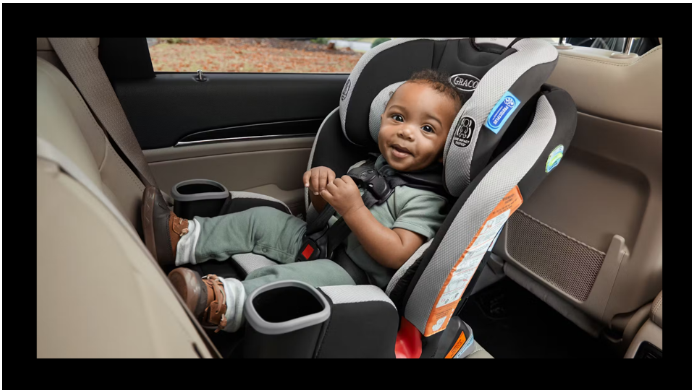
Convertible car seats give you flexibility. They start as rear-facing for infants, then convert to forward-facing as your child grows. This means you don’t need to buy multiple seats, which saves money and space.
Some models include extra features like adjustable harness heights and reclining positions. These allow you to customize the fit as your baby grows, ensuring safety and comfort. Have you checked if the seat you’re considering meets current safety standards?
Harness Vs Booster Seats
Harness seats are designed for younger children who still need a five-point harness for maximum security. They keep your child snug and protected, especially important when facing forward for the first time.
Booster seats, on the other hand, are for older kids who have outgrown harnesses but are not yet tall enough for the car’s seatbelt alone. They position the seatbelt correctly across your child’s body, reducing injury risk.
Choosing between these depends on your child’s weight and height, not just age. What’s your child’s current size compared to the seat’s limits? This question helps you decide the safest and most comfortable option.

Credit: orbitbaby.com
Installation And Fit
Proper installation and fit of a car seat are vital before facing your baby forward. A well-installed seat keeps your child safe during travel. Fit means the car seat matches your child’s size and fits tightly in your vehicle. Both factors work together to protect your baby.
Proper Seat Installation Tips
- Read the car seat manual and your vehicle’s guide carefully.
- Use the LATCH system or seat belt to secure the seat firmly.
- Check that the seat doesn’t move more than one inch side to side or front to back.
- Place the car seat at the right angle, as shown in the instructions.
- Double-check all straps and buckles for tightness and proper locking.
Ensuring A Secure Harness Fit
- Adjust the harness height to be at or above your child’s shoulders for forward-facing.
- Ensure the harness is snug with no slack; you should not pinch any webbing.
- Position the chest clip at armpit level for best protection.
- Dress your child in thin layers to avoid bulky clothing under the harness.
- Regularly check the fit as your child grows and adjust accordingly.
Common Mistakes To Avoid
Turning a baby forward too soon can risk their safety. Always wait until the child reaches the car seat’s height and weight limits. Avoid ignoring the car seat manual and safety guidelines.
Common mistakes when transitioning your baby to a forward-facing car seat can compromise their safety and your peace of mind. As you prepare to make this significant change, it’s crucial to be aware of frequent errors that parents often overlook. Understanding these mistakes can help you ensure your child’s maximum safety during every car ride.Switching Too Early
Many parents feel tempted to switch their baby to a forward-facing car seat as soon as possible. It’s a milestone that often symbolizes growing up, but doing it too soon can be risky. Experts recommend keeping your child rear-facing until they outgrow the seat’s height or weight limit, usually around the age of two. Making this switch early can reduce protection in case of a crash. Rear-facing seats support the head, neck, and spine more effectively. Always check your car seat’s manual for the manufacturer’s guidelines.Incorrect Harness Positioning
Proper harness positioning is crucial for safety. Straps should be at or above your child’s shoulders in a forward-facing seat. Many parents mistakenly place straps too low or too high, compromising the seat’s effectiveness. A snug fit is important. You shouldn’t be able to pinch any slack on the straps at your child’s shoulders. Regularly check and adjust the harness as your child grows to maintain the correct fit.Ignoring Seat Expiry Dates
Did you know car seats have expiration dates? This is one detail parents often overlook. Expired seats may not offer the same level of protection due to wear and tear or outdated safety standards. Always check the label on your car seat for the expiration date. Using an expired seat could put your child at risk in the event of an accident. Investing in a new seat when necessary is a small price for peace of mind and safety. Being vigilant about these common mistakes can make all the difference in keeping your child safe on the road. Are you ready to make these checks a regular part of your routine?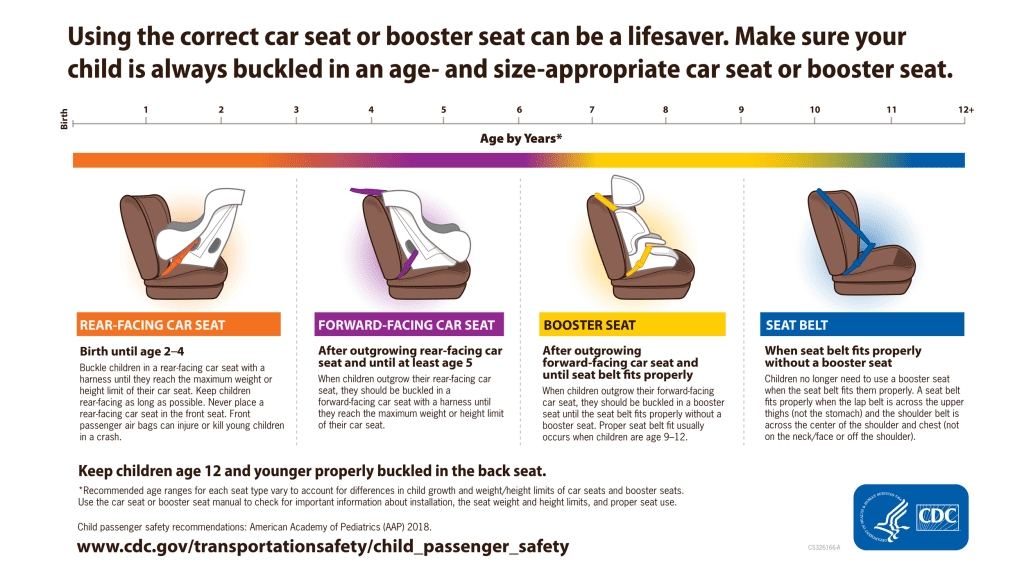
Credit: www.greensafaris.com
Additional Safety Measures
Ensuring your child’s safety when facing a car seat forward goes beyond just the direction of the seat. Additional safety measures play a crucial role in protecting your little one during every ride. Paying attention to the details can make a significant difference in how secure your child is in the car.
Using Tether Straps Correctly
Tether straps help reduce forward movement during a crash. Make sure the tether strap is attached to the correct anchor point in your vehicle. Check your car’s manual to find the designated tether anchors and avoid using seat belt slots meant for different purposes.
Pull the tether strap tight to eliminate slack. A loose tether strap can allow dangerous movement, even if the seat is installed properly. If you’re unsure about the tension, give the car seat a firm shake to confirm it stays firmly in place.
Have you ever noticed how some car seats come with confusing instructions? Don’t let unclear directions stop you from securing the tether strap properly. If you find the manual confusing, look up a video tutorial or ask a certified child passenger safety technician for help.
Regular Seat Inspections
Regularly inspect your car seat for wear and tear. Check the harness straps for fraying or damage, and ensure the buckles latch securely every time. Over time, straps can loosen or materials can degrade, which compromises safety.
Also, verify the car seat’s expiration date. Car seats don’t last forever, and using one past its expiry can be risky. Even if it looks fine, the plastic and other materials may have weakened.
Think about how often you clean your car seat. Spills and dirt can affect the functionality of buckles and straps. Taking a few minutes to clean your seat and inspect it can save you from a lot of trouble later.
Credit: v2v-logistics.com
Frequently Asked Questions
When Is It Safe To Face Baby Forward In Car Seat?
It is safe to face baby forward after they reach at least 2 years old. Also, ensure they meet your car seat’s height and weight limits. Always follow the car seat manufacturer’s guidelines and local safety laws for the best protection.
Why Keep Baby Rear-facing Longer In Car Seat?
Rear-facing seats better support a baby’s head, neck, and spine during crashes. This position reduces injury risk significantly. Experts recommend rear-facing until age 2 or until the seat’s height and weight limits are reached.
How To Know If Baby Is Ready To Face Forward?
Check if your baby is over 2 years old and meets the car seat’s forward-facing limits. They should have good head and neck control. Always refer to your car seat manual and follow safety recommendations.
What Are Risks Of Turning Baby Forward Too Soon?
Turning baby forward too soon increases the risk of serious neck and spinal injuries. Forward-facing seats offer less protection in crashes for young toddlers. It’s best to wait until your child meets age and size requirements.
Conclusion
Your baby stays safer when facing rearward for longer. Check your car seat manual for specific age and weight limits. Most experts say to keep babies rear-facing until at least 2 years old. Switching too soon can increase injury risks.
Always install the seat correctly and use the harness snugly. Remember, safety is the top priority on every trip. Take your time to follow the rules carefully. Your careful choices help protect your little one every ride.