
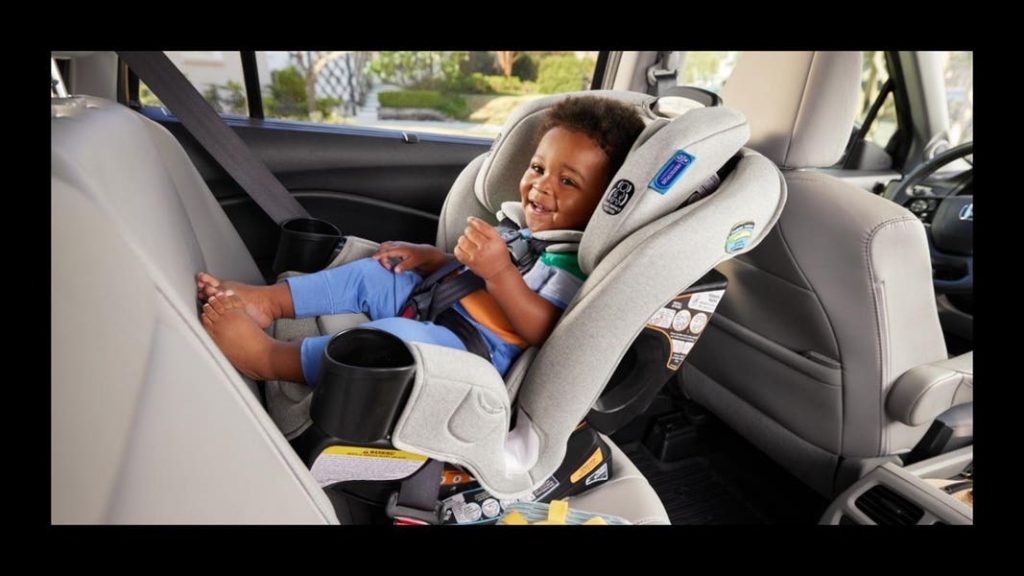
Are you wondering when your child can safely stop using a car seat? It’s a question every parent asks at some point.
You want to keep your little one safe, but you also want to know the right time to make the switch. Making this decision too soon or too late can affect your child’s safety on the road. You’ll discover clear, easy-to-follow guidelines that will help you know exactly when your child is ready to move out of their car seat.
Keep reading to protect your child and give yourself peace of mind every time you hit the road.
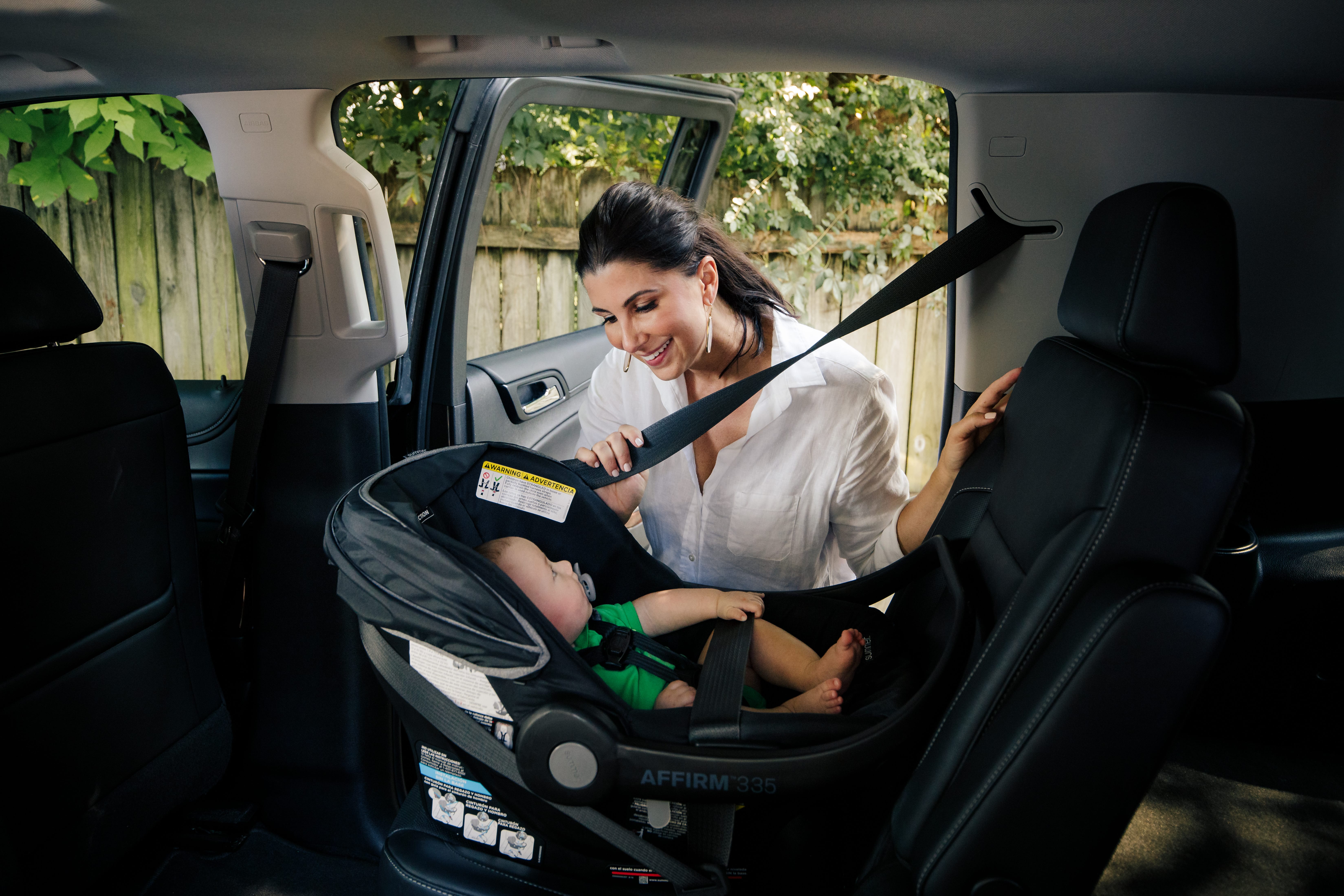
Credit: www.safeintheseat.com
Car Seat Basics
Understanding the basics of car seats is crucial for every parent and caregiver. It’s not just about following the law, but about keeping your child safe during every ride. Knowing the different types of car seats and why they matter can help you make informed decisions about when your child is ready to move out of their car seat.
Types Of Car Seats
Car seats come in several types, each designed for different ages, weights, and heights. Here’s a quick breakdown:
- Rear-facing seats:These are for infants and toddlers, usually from birth up to 2-4 years old. They provide the best protection for a child’s head, neck, and spine.
- Forward-facing seats:Used once your child outgrows the rear-facing seat, generally from ages 2-7. These seats come with a harness that keeps your child secure.
- Booster seats:For older children who have outgrown forward-facing seats but are not yet tall enough for a regular seat belt. Typically for kids 4-12 years old.
Each type has specific weight and height limits. These limits ensure that the seat fits your child properly, which is key to their safety.
Why Car Seats Matter
Have you ever wondered why car seats are such a big deal? The truth is, car seats reduce the risk of injury by up to 80% in crashes. They’re designed to protect your child’s vulnerable body parts during sudden stops or accidents.
Using the right car seat the right way can mean the difference between a minor injury and a serious one. I remember a close call when my child’s car seat saved them from harm during a sudden stop. That experience made it clear how important it is to follow guidelines strictly.
Are you confident your child’s car seat fits them perfectly? Checking the seat’s fit regularly can prevent dangerous mistakes that many parents unknowingly make.
Age And Size Limits
Understanding the age and size limits for car seats is crucial for your child’s safety. Each stage has specific guidelines based on both age and physical measurements like weight and height. Knowing when to switch from one seat to another can protect your child in the event of a crash and ensure they are comfortable during every ride.
Rear-facing Seat Rules
Children should remain in a rear-facing seat as long as possible. Experts recommend keeping your child rear-facing until at least age 2, or until they reach the maximum weight or height limit set by the car seat manufacturer.
Rear-facing seats support the head, neck, and spine better during sudden stops. If your child is growing fast, check the label on the seat regularly to see if they have outgrown it.
Have you measured your child’s height and weight recently? This simple check can help you know if it’s time to switch seats.
Forward-facing Seat Rules
Once your child outgrows the rear-facing seat, it’s time to move to a forward-facing seat with a harness. Typically, this means your child is at least 2 years old, but size is more important than age.
Most forward-facing seats have weight limits up to 65 pounds. Height limits usually range from 49 to 57 inches, depending on the model.
Adjust the harness snugly every time you buckle your child in to ensure maximum safety. If your child’s shoulders are above the top harness slots, it’s a clear sign they’ve outgrown this seat.
Booster Seat Guidelines
Booster seats are the next step after forward-facing seats with a harness. Your child should be at least 4 years old and weigh a minimum of 40 pounds before moving to a booster.
Height is critical here; your child needs to be tall enough for the vehicle’s seat belt to fit properly, generally around 4 feet 9 inches.
Keep asking yourself: Does the seat belt fit across your child’s shoulder and lap correctly? If not, your child isn’t ready for the seat belt alone without a booster.
Signs Kids Are Ready To Transition
Knowing when your child is ready to move out of their car seat can be tricky. It’s not just about age but a mix of physical and behavioral signs. Watching for these signs helps keep your child safe while giving them more comfort during car rides.
Physical Growth Milestones
Your child’s height and weight are key factors in deciding if they can transition from a car seat. Most car seats have weight and height limits listed by the manufacturer. If your child has outgrown these limits, it’s a clear sign they need to move on.
Also, check if their shoulders are above the top harness slots or if their head is too close to the top of the seat. These indicators show that the seat no longer fits properly and could compromise safety.
Behavioral Readiness
Besides size, your child’s behavior matters. Are they able to sit still for the entire ride? Do they understand the importance of staying buckled? If your child frequently tries to unbuckle or wiggle out of the seat, it might be time to consider the next step.
Some kids feel cramped and resist the car seat, signaling they want more freedom. You know your child best—if they seem uncomfortable or frustrated, listen to those cues and assess their readiness.
Seat Belt Fit Test
The seat belt fit test is a practical way to check if your child can safely use a seat belt without a booster. Here’s what to look for:
- The lap belt should lie flat across the upper thighs, not the stomach.
- The shoulder belt must cross the chest and rest snugly on the shoulder, not the neck or face.
- Your child should be able to sit all the way back against the vehicle seat with knees bending at the edge.
If your child passes these points, they might be ready to transition. If not, sticking with a booster or car seat is safer until they grow more.

Credit: www.claimsjournal.com
Common Mistakes To Avoid
Knowing when your child can safely move out of their car seat is crucial. Many parents make avoidable mistakes that can put their kids at risk. Recognizing these errors helps you keep your child secure and comfortable during every ride.
Premature Seat Changes
Switching your child out of their car seat too early is a common mistake. Kids grow at different rates, so relying only on age can be misleading. Instead, focus on height, weight, and the car seat’s specific limits to decide when to change seats.
I once saw a parent move their toddler to a booster seat before they reached the recommended weight. It looked like a time-saver, but it actually reduced the child’s safety during a sudden stop. Are you confident your child meets all safety criteria before making that change?
Ignoring Manufacturer Instructions
Car seat instructions are not just suggestions—they are safety rules. Skipping steps or guessing on installation and usage can lead to dangerous mistakes. Each seat has its own guidelines based on design, so read them carefully every time.
One parent told me they assumed all car seats worked the same way. After checking the manual, they realized their seat had a specific harness adjustment they missed. Have you taken the time to review your car seat’s manual thoroughly?
Improper Seat Installation
Even the safest car seat fails if it’s installed incorrectly. Loose straps or a wobbly base can seriously compromise protection. Don’t hesitate to ask for help from certified technicians to ensure your seat is secured properly.
- Check that the seat doesn’t move more than an inch side-to-side or front-to-back.
- Use either the seat belt or LATCH system, not both unless allowed by the manufacturer.
- Ensure harness straps are snug and positioned at or below your child’s shoulders for rear-facing seats.
Have you tested your car seat installation recently? Sometimes a quick adjustment makes all the difference in your child’s safety on the road.
Safety Tips After Car Seats
Safety Tips After Car Seats Children can transition out of car seats when they reach the height and weight limits set by the manufacturer. Typically, this happens around 8 to 12 years old, and when they can sit with their back against the seat and knees bent at the edge.
Transitioning your child from a car seat to using the vehicle’s seat belt is a significant milestone. However, it also brings new responsibilities to ensure their safety. Once your child is ready to move on from the car seat, there are several safety tips you should consider to maintain their safety on the road.Using Seat Belts Correctly
Proper use of seat belts is crucial for your child’s safety. Ensure the seat belt fits snugly across the lap and shoulder, not the neck or stomach. The lap belt should lie across the upper thighs, while the shoulder belt should cross the chest and shoulder. Children often find seat belts uncomfortable and may try to adjust them. Teach your child the importance of wearing the seat belt correctly every time. Remind them that a correctly worn seat belt can make a big difference in case of an accident.Choosing The Right Vehicle Seat
Selecting the right seat in the vehicle can further enhance safety. The back seat is generally the safest place for children to sit. If possible, place your child in the middle seat, as it is often the safest spot. Ensure that your child can sit comfortably with their back against the seat and their knees bent at the edge of the seat. This position helps the seat belt to fit properly and provides the best protection.Encouraging Safe Riding Habits
Developing safe riding habits is as essential as using seat belts correctly. Encourage your child to sit upright and remain seated throughout the journey. Explain the importance of not leaning out of the window or playing with door handles. Engage your child in conversations about road safety and the importance of setting a good example for others. You might ask, “What can we do to make our car rides safer?” Involving them in safety discussions can make them more mindful passengers and help foster lifelong safe habits.Legal Requirements By Region
Understanding the legal requirements for when kids can transition out of car seats is essential for every parent and caregiver. These rules vary widely depending on where you live, reflecting local safety priorities and research. Knowing the specifics for your region helps you keep your child safe and avoid fines or penalties.
United States Regulations
In the U.S., car seat laws differ from state to state, but most follow guidelines based on a child’s age, weight, and height. Typically, children must use a rear-facing car seat until at least age 2, then move to a forward-facing seat with a harness. Many states require booster seats until kids reach 8-12 years old or a certain height, usually around 4’9”.
Have you checked your state’s specific rules lately? States like California and New York have strict laws, while others may be more lenient. Remember, following the minimum legal standards doesn’t always mean maximum safety—consider keeping your child in each stage longer if possible.
European Standards
Europe follows regulations set by the United Nations Economic Commission for Europe (UNECE), which are often stricter than U.S. laws. Children must use appropriate car seats up to 135 cm in height (approximately 4’5”).
These standards emphasize using rear-facing seats for as long as possible, often until age 4. You might find it surprising how many European countries require booster seats well into a child’s early teens, reflecting a strong focus on safety.
Other International Rules
Outside the U.S. and Europe, rules can vary a lot. In Canada, laws are similar to the U.S., but provinces set their own requirements, such as minimum ages and heights for car seat transitions.
Countries like Australia and New Zealand have detailed laws requiring children to use car seats or booster seats until they reach 7 years or a certain size. Meanwhile, some developing countries may lack strict regulations, making it even more important for you to take the lead on your child’s safety.
Resources For Parents
Finding the right resources can make a big difference when deciding the right time to transition your child out of a car seat. Parents often feel overwhelmed by safety guidelines and product options. Having reliable support and information helps you make confident choices that protect your little one on every trip.
Where To Get Help
Many communities offer free car seat inspection stations where certified technicians check installation and fit. Hospitals, fire stations, and local police departments often provide these services. You can also connect with parenting groups online for real-life advice and experiences.
Have you tried reaching out to a certified Child Passenger Safety Technician (CPST)? They offer personalized guidance tailored to your child’s size and age. This hands-on help can clarify confusing rules and reassure you that your child’s car seat is used correctly.
Recommended Products
Choosing the right car seat or booster can feel like a maze. Look for products that meet or exceed safety standards like those from the National Highway Traffic Safety Administration (NHTSA). Brands such as Graco, Britax, and Chicco often receive high marks for safety and ease of use.
- Convertible car seats that grow with your child
- High-back boosters for added head support
- Backless boosters for older kids who meet height requirements
Have you checked the expiration date on your car seat? Using a product past its expiration compromises safety. Always verify this before making a purchase or continuing use.
Educational Materials
Many websites offer clear, updated information about car seat safety and transitioning guidelines. The NHTSA website provides easy-to-understand charts and videos. Safe Kids Worldwide also has downloadable guides that break down age and size requirements.
Consider subscribing to newsletters or following parenting blogs focused on child safety. These sources often share timely tips and product recalls that you won’t want to miss. What’s the most useful safety tip you’ve learned recently?
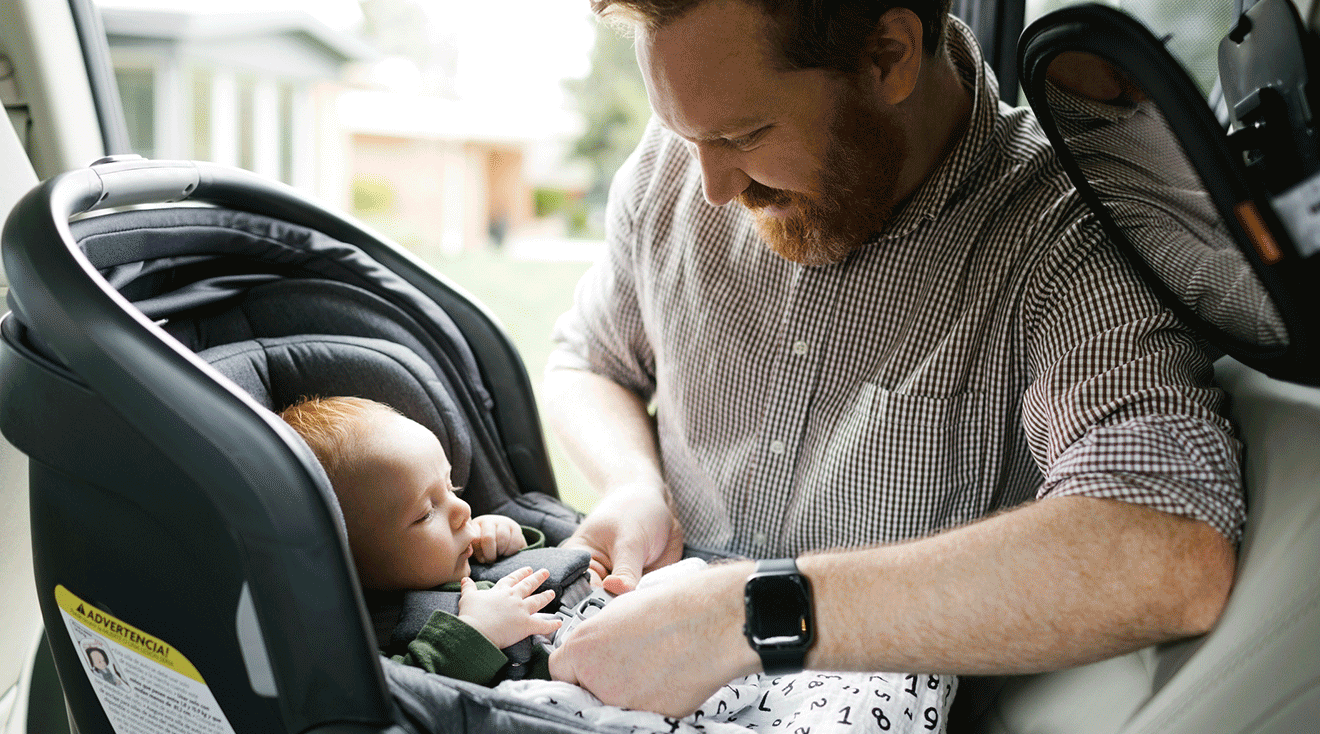
Credit: www.thebump.com
Frequently Asked Questions
When Is It Safe For Kids To Stop Using A Car Seat?
Kids can stop using a car seat once they reach 4 feet 9 inches tall and are between 8 to 12 years old. They must fit properly in a seat belt without a booster. Always follow local laws and safety guidelines for best protection.
What Age Should Children Transition From Car Seats?
Children usually transition from car seats to booster seats around ages 4 to 8. This depends on their height and weight. Proper fit is essential to ensure the seat belt sits correctly on their body for maximum safety.
How Do I Know If My Child Fits A Seat Belt?
A child fits a seat belt if the lap belt lies snug across the upper thighs. The shoulder belt should cross the chest and shoulder, not the neck or face. Feet should touch the floor while sitting comfortably in the seat.
Are There Legal Requirements For Car Seat Use By Age?
Yes, car seat laws vary by state but generally require use until at least age 8 or until the child reaches a certain height. Check your state’s specific laws to ensure compliance and your child’s safety.
Conclusion
Kids should stay in car seats until they meet safety rules. Height, weight, and age matter most for moving on. Always follow your state’s laws and car seat instructions. Safety comes first when deciding to change seats. Keep kids secure in the right seat for their size.
This helps prevent injuries during car rides. Remember, every child grows differently, so check often. Safe travel means peace of mind for parents and kids alike. Stay informed and keep your little ones protected on every trip.