
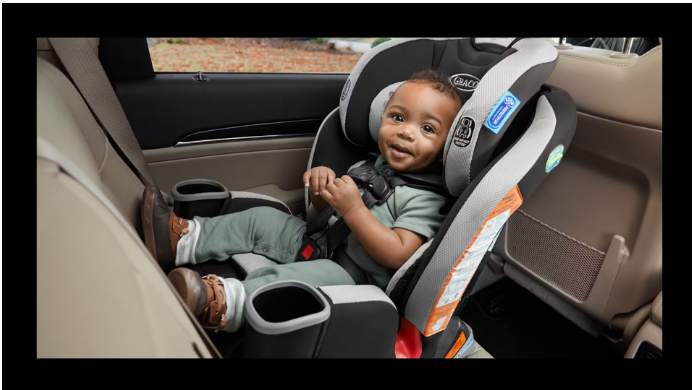
You want to keep your child safe every time you drive. One big question many parents have is: When can kids face forward in the car?
It’s more than just a rule—it’s about protecting your little one’s fragile body. Making the switch too soon can put them at risk. But waiting too long might feel uncomfortable for your child. You’ll learn exactly when and why it’s best to turn your child’s car seat forward.
Keep reading to find out how to make the safest choice for your family.
Rear-facing Car Seat Basics
Understanding rear-facing car seat basics is vital for child safety. Rear-facing seats offer the best protection for babies and toddlers during travel. They support the child’s head, neck, and spine in a crash, reducing injury risks. Many parents wonder when it is safe to switch their child to a forward-facing seat. Knowing the right age and weight limits helps make that decision easier and safer.
Why Rear-facing Seats Matter
Rear-facing seats absorb crash forces better than forward-facing seats. They cradle the child and distribute impact across the back of the seat. This design keeps the child’s head and neck aligned, preventing severe injuries. Experts say children are safest in rear-facing seats for as long as possible. The American Academy of Pediatrics recommends keeping kids rear-facing until at least age 2.
Recommended Age And Weight Limits
Most rear-facing car seats have specific age and weight limits. These limits are set by the manufacturer and tested for safety. Typically, children should stay rear-facing until they reach:
- At least 2 years old, or longer if possible
- The maximum weight limit of the rear-facing seat, often 40 pounds or more
- The maximum height limit specified by the seat’s instructions
Parents should always check their car seat manual. Follow the exact guidelines to keep kids safe. Waiting to turn the seat forward until the child outgrows the rear-facing limits is best.
Signs To Switch Forward
Knowing when to switch your child’s car seat to face forward is important for safety. Several signs show your child is ready for this change. Watching for these clues helps keep your child secure during travel.
Checking Height And Weight Limits
Every car seat has specific height and weight rules. These limits tell you when a child can safely face forward. Check the car seat label for the exact numbers.
Most rear-facing seats fit children up to 40 pounds. If your child weighs more or is taller than the limit, it’s time to consider forward-facing.
Child’s Neck And Head Control
Strong neck muscles help a child handle forward-facing seats. Your child should sit up without support for some time. Good head control means they can keep their head steady in a crash.
Watch your child’s posture during rides. If they hold their head steady and do not slump, they may be ready to face forward.
Choosing The Right Forward-facing Seat
Choosing the right forward-facing seat is key to your child’s safety in the car. This choice depends on your child’s age, weight, and height. A proper seat keeps your child secure and comfortable. Understanding the types of seats helps in making a smart decision. Safety features and ease of use also matter.
Types Of Forward-facing Seats
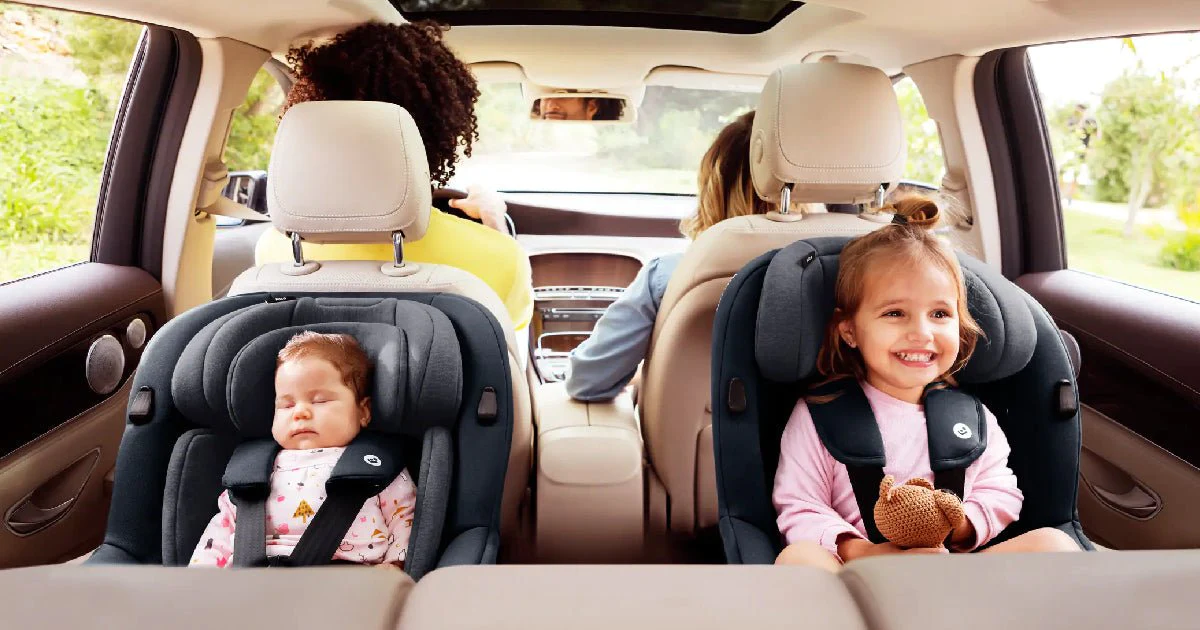
Forward-facing seats mainly come in two types: harness seats and booster seats. Harness seats have built-in straps that hold your child in place. Booster seats raise your child so the car’s seat belt fits correctly. Both types meet safety standards but suit different stages of growth.
- Harness Seats:Designed for younger children, usually from 2 to 7 years old.
- Booster Seats:Suitable for older children who have outgrown harness seats but are too small for seat belts alone.
Harness Vs. Booster Seats
Harness seats use a five-point harness to secure the child. This system spreads crash forces over the strongest parts of the body. It reduces movement and provides better protection. Harness seats often have adjustable straps to fit growing kids.
Booster seats position the car’s seat belt properly over the child. They rely on the vehicle’s seat belt for restraint. Boosters help prevent injuries by ensuring the belt fits the shoulder and lap correctly. Children must meet size and age requirements before switching to a booster.
| Feature | Harness Seat | Booster Seat |
|---|---|---|
| Age Range | 2 to 7 years | 4 to 12 years |
| Weight Limit | Up to 65 lbs | Typically 40 to 100 lbs |
| Restraint Type | Built-in five-point harness | Uses vehicle seat belt |
| Safety Focus | Secure fit and controlled movement | Proper seat belt positioning |
Credit: www.lotuscampus.co.in
Installation Tips For Forward-facing Seats
Making the transition to a forward-facing seat is a significant milestone in your child’s journey. Ensuring the seat is installed correctly is crucial for their safety. Let’s explore some practical installation tips that will help you secure your child’s seat with confidence.
Using Latch System Correctly
The LATCH system, which stands for Lower Anchors and Tethers for Children, simplifies the process of securing your child’s seat without using the vehicle’s seatbelt. Check your car’s manual to locate the LATCH anchors; they’re usually at the base of the seat. Make sure the seat is tightly secured by pressing down with your weight while pulling the LATCH strap to tighten.
Have you ever tugged on the seat after installation? If it moves more than an inch in any direction, it’s too loose. Adjust until you achieve a snug fit. Remember, the top tether should always be connected to reduce forward movement during a crash.
Securing The Seatbelt
If your car doesn’t support the LATCH system or your child has outgrown the weight limit, it’s time to use the vehicle’s seatbelt. Place the seat in the forward-facing position and thread the seatbelt through the path indicated by the seat manufacturer. Buckle it and pull the seatbelt all the way out to switch it to the locked mode.
Can you hear the seatbelt clicking when you pull on it? That’s a good sign. It ensures the seat stays in place. Always double-check by pushing and pulling at the base; it should not move more than an inch.
Remember, your child’s safety depends on the correct installation of their car seat. Have you checked yours lately?
Common Mistakes To Avoid
Knowing when to turn your child’s car seat to face forward is crucial, but many parents make mistakes that can put their little ones at risk. Avoiding these common errors helps keep your child safer and ensures you follow the best safety practices. Let’s look at two frequent mistakes and how you can prevent them.
Switching Too Early
One of the biggest mistakes is turning your child’s seat forward before they meet the recommended age and weight. Many parents feel eager to switch once their toddler seems restless or wants to face forward, but this can be dangerous.
Rear-facing seats provide better protection for the head, neck, and spine during a crash. Experts suggest keeping kids rear-facing until at least 2 years old or until they reach the car seat’s height and weight limits. Ask yourself: Is your child really ready, or are you giving in to impatience? Waiting longer can significantly reduce injury risk.
Loose Harness Straps
Another common issue is not tightening the harness straps properly. If the straps are loose, your child can slip out or move too much in the seat during sudden stops or accidents.
Make sure the harness fits snugly against your child’s body. You should not be able to pinch any slack at the shoulder. Imagine how a loose strap feels if you tried to hold a small object securely—it just wouldn’t work well. Checking the straps every time you buckle up can make a big difference in safety.

Credit: orbitbaby.com
Legal Requirements And Recommendations
Understanding when kids can face forward in a car is not just about comfort—it’s about safety and following the rules set to protect your child. Legal requirements and expert recommendations guide parents on the right time to switch car seat positions. Knowing these rules helps you make informed decisions and avoid fines or penalties.
State Laws On Car Seats
Each state has its own laws about when children can face forward in a car. These laws usually set minimum age, weight, or height limits. For example, some states require kids to remain rear-facing until they are at least 2 years old, while others focus more on weight limits.
Check your state’s specific regulations before making the switch. You can often find this information on your state’s Department of Motor Vehicles (DMV) website. Ignoring these laws can lead to fines and, more importantly, put your child at risk.
Guidelines From Safety Organizations
Safety organizations like the American Academy of Pediatrics (AAP) and the National Highway Traffic Safety Administration (NHTSA) offer clear guidance on this topic. They strongly recommend keeping kids rear-facing as long as possible, usually until at least age 2 or until they reach the maximum height and weight allowed by the car seat manufacturer.
These experts highlight that rear-facing seats provide better support for a child’s head, neck, and spine in a crash. Have you ever noticed how fragile a toddler’s neck is? This is why the rear-facing position is safer during those early years.
Remember, the legal minimum might not always be the safest option. Following these expert guidelines can give your child extra protection during car rides. When was the last time you reviewed your car seat’s instructions? It’s worth checking regularly to keep your child safe.
Additional Safety Tips For Kids In Cars
Keeping kids safe in cars goes beyond just facing them forward. Proper safety measures help reduce injury risks. Parents must understand how to secure children correctly during every ride. Simple steps improve safety and comfort for young passengers.
Proper Seatbelt Fit
A seatbelt must fit your child correctly to work well. The lap belt should lie low on the hips, not the stomach. The shoulder belt should cross the chest and shoulder, not the neck or face. Avoid using seatbelt clips or placing the belt behind the back. Check the fit every time your child rides in the car.
Positioning In The Vehicle
The back seat is the safest place for children under 13 years. Position your child in the middle seat when possible. This spot offers extra protection in side-impact crashes. Avoid placing car seats in front of active airbags. Keep children away from airbags to prevent injury during collisions.

Credit: findforbaby.com
Frequently Asked Questions
When Is It Safe For Kids To Face Forward In A Car?
Kids can face forward once they reach age 2 or exceed rear-facing height and weight limits. Always follow your car seat manufacturer’s guidelines and local laws for safety.
What Are The Height And Weight Limits For Forward-facing Seats?
Forward-facing seats typically accommodate children over 20 pounds and up to 65 pounds, depending on the model. Check your specific car seat’s limits for exact requirements.
Why Should Kids Ride Rear-facing Longer?
Rear-facing seats better protect a child’s head, neck, and spine during crashes. Experts recommend rear-facing until at least age 2 for maximum safety.
Are There Laws About When Kids Face Forward?
Yes, most regions require kids to ride rear-facing until at least age 2. Always verify your local laws to ensure compliance and child safety.
Conclusion
Kids should ride facing forward only after meeting safety rules. Keep them rear-facing as long as possible for better protection. Check your car seat’s height and weight limits carefully. Follow your state’s laws about car seat use. Always secure the child’s harness snugly and correctly.
Safety matters most during every trip, no matter the distance. Parents and caregivers must stay informed and cautious. Safe car rides help protect your child’s growing body. Simple steps can make a big difference in safety. Remember, patience and care keep kids safer on the road.