
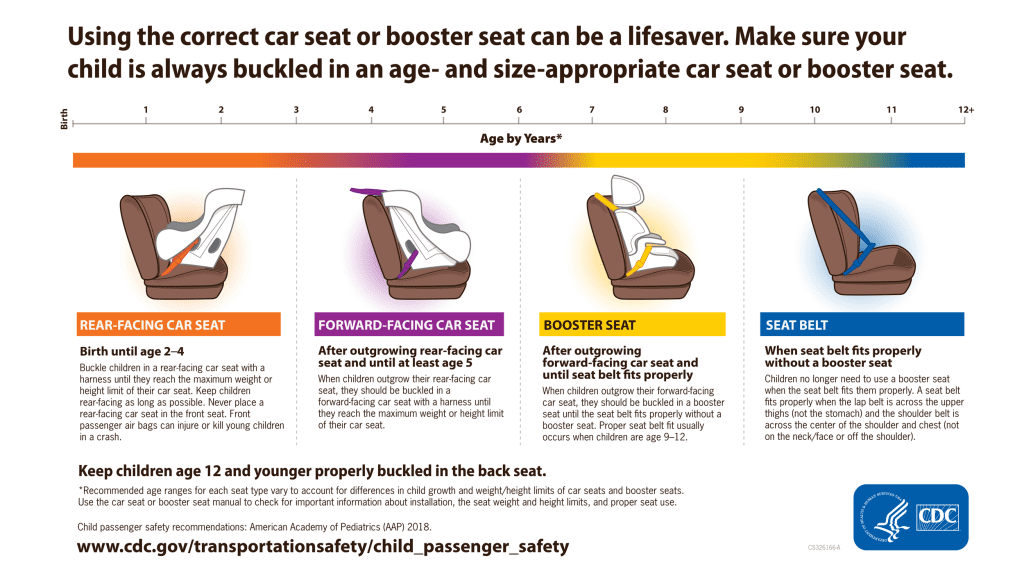
You want to keep your child as safe as possible during every car ride. But when is the right time to turn your little one’s car seat from rear-facing to face-forward?
This decision isn’t just about convenience—it’s about your child’s safety and comfort. Knowing exactly when to make the switch can protect your child from serious injuries and give you peace of mind. Keep reading to discover the key signs and expert guidelines that will help you make the best choice for your child’s car seat.
Credit: www.greensafaris.com
Rear-facing Vs Forward-facing
Choosing between rear-facing and forward-facing car seats can be confusing for many parents. Both options have specific safety benefits and guidelines that affect when your child should transition from one to the other. Understanding these differences helps you make the safest choice for your child’s protection during every car ride.
Benefits Of Rear-facing Seats
Rear-facing seats provide the best protection for your child’s head, neck, and spine in a crash. When the car stops suddenly, these seats spread the crash forces across the child’s entire body, reducing the risk of serious injury.
Experts recommend keeping your child rear-facing for as long as possible—usually until they reach the maximum height or weight limit of the seat. I remember when my niece turned two and we hesitated to switch her forward-facing, but keeping her rear-facing gave me peace of mind knowing she was safer.
When To Switch Forward
Switching your child to a forward-facing seat depends largely on their age, weight, and height. Most safety experts suggest waiting until your child is at least two years old and has outgrown the rear-facing seat limits.
Check the car seat manual carefully. Many convertible car seats have clear guidelines on when to make the switch. Have you noticed how quickly kids grow? That’s why it’s important to monitor your child’s size regularly to decide the right time to change seats.
Age And Weight Recommendations
Knowing the right time to turn your child’s car seat forward is crucial for their safety. Age and weight recommendations help guide this decision. Paying close attention to these details can protect your child from serious injuries in a crash.
Minimum Age Guidelines
Most safety experts suggest keeping your child in a rear-facing car seat until at least 2 years old. Some recommend waiting until they reach the maximum height or weight limit of the rear-facing seat. This is because rear-facing seats better support the head, neck, and spine during sudden stops.
Have you noticed how some kids seem eager to face forward early? It’s tempting, but patience here is key. Waiting until your child meets the minimum age ensures they get the best protection possible.
Weight And Height Limits
Each car seat has specific weight and height limits that you must follow. Generally, children should stay rear-facing until they weigh between 20 to 40 pounds, depending on the seat model. Check your car seat manual carefully to confirm these limits.
| Car Seat Type | Typical Weight Range (lbs) | Height Considerations |
|---|---|---|
| Rear-Facing Infant Seat | 5 – 35 | Up to 32 inches |
| Convertible Rear-Facing Seat | 5 – 40 | Up to 40 inches |
Have you measured your child’s height lately? A few inches can make a big difference. It’s easy to overlook, but height often determines when the harness straps fit correctly.
Remember, turning your child forward too early can increase their risk of injury. Always prioritize the seat’s limits over convenience or your child’s comfort preferences.
Car Seat Types And Features
Choosing the right car seat for your child is more than just picking a model off the shelf. It’s about understanding the types and features that best fit your child’s age, weight, and safety needs. Knowing these details helps you decide the perfect moment to turn your child’s seat forward, keeping them safe and comfortable on every ride.
Convertible Car Seats
Convertible car seats are a popular choice because they adapt as your child grows. They start as rear-facing seats for infants and then convert to forward-facing seats for toddlers. This flexibility means you don’t need to buy multiple seats as your child gets bigger.
Many parents find convertible seats convenient since they can use one seat for several years. The rear-facing position provides better support for your child’s head and neck during early months. Once your child reaches the manufacturer’s weight or height limit, you can safely switch to forward-facing.
Have you checked your convertible seat’s weight and height limits lately? Those numbers are key to knowing when to make the switch.
Harness Vs Booster Seats
When your child outgrows a forward-facing car seat with a harness, it’s time to think about booster seats. Harness seats use a built-in harness system to secure your child and are designed for younger kids. Booster seats, on the other hand, help position your child so the car’s seat belt fits properly.
Harness seats typically keep kids rear- or forward-facing up to around 40-65 pounds, depending on the seat. Booster seats are usually for older children who weigh more but aren’t quite big enough for adult seat belts alone.
Choosing between a harness and booster seat depends on your child’s size and maturity. Do they sit still enough for a booster? Are they tall enough to wear the seat belt correctly? These questions help you decide the safest next step.
Safety Risks Of Early Transition
Switching your child to a forward-facing car seat too soon can put them at serious risk. Many parents want their kids to face forward early, thinking it’s more comfortable or practical. But safety experts warn that this early transition can lead to increased injury during crashes.
Impact On Child’s Neck And Spine
When kids are younger, their neck muscles and spine aren’t fully developed. Facing forward too early puts extra pressure on these fragile areas during sudden stops or accidents.
In a crash, a rear-facing seat supports the entire body and absorbs impact forces more evenly. Forward-facing seats, however, let the child’s head snap forward, which can cause severe neck injuries.
Have you noticed how toddlers’ heads seem disproportionately large? This makes their necks more vulnerable. Keeping them rear-facing helps protect these delicate structures until they are stronger.
Crash Test Findings
Crash tests consistently show that rear-facing seats reduce the risk of serious injury by up to 75% compared to forward-facing seats.
These tests reveal that early forward-facing increases the chance of head and chest injuries. The child’s body moves forward violently, and the harness may not properly restrain them.
Think about the last time you saw a crash test video: the difference in impact on a child’s body when rear-facing versus forward-facing is striking. Would you want to take that risk with your own child?
Legal Requirements By Region
Legal requirements for when kids can face forward in car seats differ by region. Many places recommend rear-facing until age two. Always check local laws to ensure safety.
Understanding the legal requirements by region for when kids can face forward in car seats is crucial for ensuring your child’s safety and compliance with the law. Regulations can vary significantly, influencing when you can make the switch from rear-facing to forward-facing. Knowing these differences can give you peace of mind as you travel across states or countries.Laws In The United States
In the United States, car seat laws are determined by each state, which means they can vary widely. Some states require children to remain rear-facing until they are two years old, while others are less stringent. Always check your state’s specific laws to ensure you are compliant and your child is safe. The American Academy of Pediatrics recommends keeping children rear-facing until they reach the maximum height or weight limit of the car seat. This can often be around 40 pounds or more. Personal experience might tell you that transitioning too early can feel tempting, especially as your child grows impatient. But staying informed about your state’s laws can guide you to make safer choices.International Regulations
Outside the United States, car seat regulations can differ even more. Many European countries have strict laws, requiring children to stay rear-facing until at least age four. Sweden, known for its rigorous safety standards, often mandates rear-facing travel until age five. If you travel internationally with your child, understanding these regulations is crucial. Imagine planning a family vacation only to find out your car seat doesn’t meet the local legal requirements. This not only affects safety but can also lead to fines or complications. Have you checked the car seat laws before a trip abroad? An unexpected regulation might change how you plan your travel itinerary. Always research ahead, ensuring you have the right equipment for the safest journey possible.
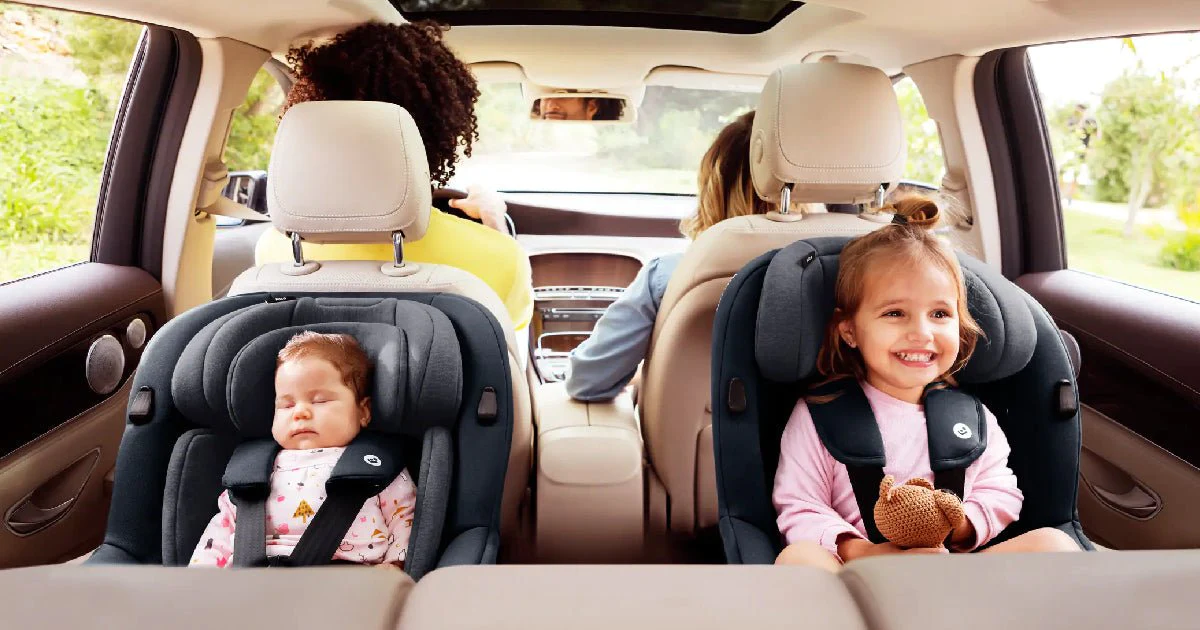
Credit: maxicosi.com
Tips For Proper Installation
Proper installation of a car seat is vital for your child’s safety. It ensures the seat fits securely and protects your child in case of sudden stops or accidents. Taking time to install the seat correctly reduces risks and keeps your child comfortable.
Follow these tips to install a car seat for forward-facing use with confidence and care.
Checking Seat Belt Fit
Make sure the seat belt fits your car seat tightly. The belt should lie flat without twists. Pull the belt firmly to remove slack. A loose seat belt can cause dangerous movement.
The lap belt must sit low on the hips, not the stomach. The shoulder belt should cross the chest, not the neck or face. Adjust the belt position if needed. Always read your car seat manual for specific belt paths.
Using Latch Systems
Many cars have LATCH anchors for easy seat installation. These anchors connect directly to your car seat. Attach both lower anchors first. Push or pull the seat to remove any movement.
Use the top tether strap to secure the upper part of the car seat. Tighten it to reduce forward motion in a crash. Check that all attachments are firm. Loose connections reduce the seat’s protection.
Signs Your Child Is Ready
Knowing when to turn your child’s car seat forward can feel confusing. Watching for clear signs that your child is ready helps you make a safe choice. These signs come in two main forms: physical cues and behavioral indicators.
Physical Cues
Your child’s size is the first clue. Most experts recommend keeping kids rear-facing until they reach the height or weight limits set by the car seat manufacturer.
Look for these physical signs:
- Head control:Can your child hold their head up steadily without support?
- Height and weight:Have they outgrown the rear-facing seat limits? Check your car seat manual for exact numbers.
- Leg comfort:Are their legs cramped or pressed uncomfortably against the seat? Some discomfort might not mean it’s time, but extreme tightness could be a sign.
When my daughter reached about 30 pounds and could sit up confidently without wobbling, I knew it was time to consider turning her forward. Watching her physical growth helped me feel confident about this big change.
Behavioral Indicators
Besides size, your child’s behavior offers clues about readiness. Notice how they react during car rides.
- Increased restlessness:Do they fuss or try to turn around while rear-facing?
- Curiosity:Are they eager to look out the window and engage with their surroundings?
- Comfort level:Do they seem unhappy or uncomfortable after longer trips?
Children who show signs of frustration or discomfort might benefit from the switch. But remember, behavior alone isn’t enough—you want to combine these signs with physical readiness to keep safety first.
Have you noticed your child’s behavior shifting during rides? Sometimes their mood tells you more than size charts do.

Credit: orbitbaby.com
Frequently Asked Questions
When Is It Safe For Kids To Face Forward In Car Seats?
Kids can face forward after reaching the age, weight, and height limits set by their car seat. Most experts recommend waiting until at least 2 years old. Always follow the car seat manufacturer’s guidelines for safe transitions.
What Are The Risks Of Forward-facing Too Early?
Forward-facing too early increases the risk of injury during a crash. Toddlers’ neck muscles and bones are not fully developed. Rear-facing seats provide better support and protection for young children in accidents.
How Do I Know If My Child Is Ready To Face Forward?
Check your child’s weight, height, and age against the car seat limits. Most convertible seats have specific rear- and forward-facing requirements. Consult your car seat manual and pediatrician for personalized advice.
Can Rear-facing Car Seats Fit Children Up To Age 4?
Yes, many convertible car seats support rear-facing for children up to 40 pounds. This often covers kids up to 3 or 4 years old. Rear-facing seats provide optimal safety during these early developmental years.
Conclusion
Kids should stay rear-facing until they reach the car seat’s weight or height limit. This keeps them safer during a crash. Most experts say to keep children rear-facing for as long as possible. Once they outgrow the rear-facing seat, you can turn them forward-facing.
Always check your car seat manual for specific rules. Safety comes first on every trip. Remember, proper car seat use saves lives. Keep kids secure, no matter the journey. Simple steps make a big difference.