
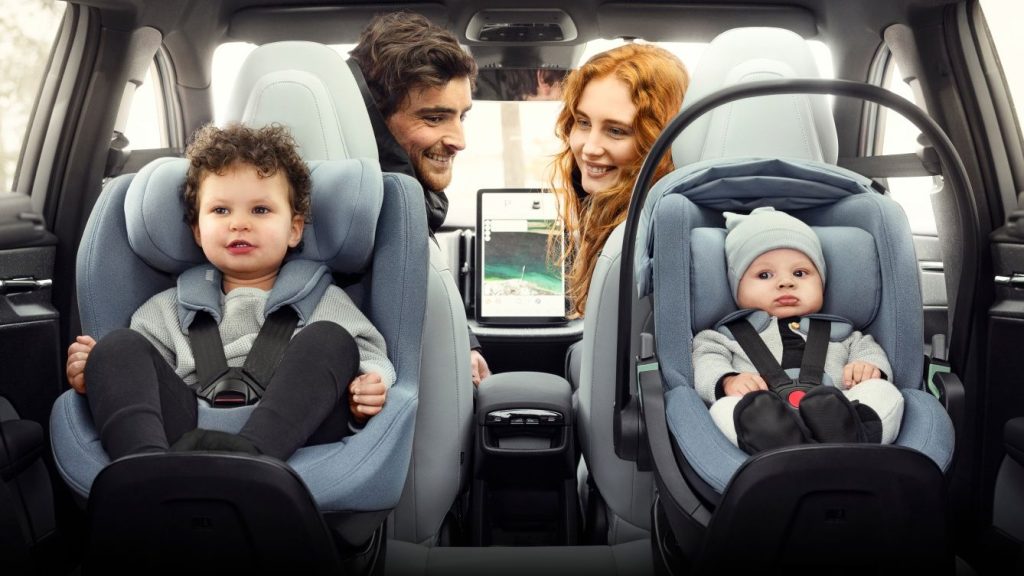
You want to keep your child safe every time they ride in the car. One big question many parents face is: When can kids car seats face forward?
It’s not just about convenience; it’s about making the best choice for your child’s safety. Knowing the right time to switch can protect your little one from serious injury. You’ll discover clear, easy-to-follow guidelines that help you make that decision confidently.
Keep reading to learn exactly when and why turning your child’s car seat forward is the right move.
Credit: www.safeintheseat.com
Car Seat Directions And Age Limits
Understanding the directions and age limits for car seats is essential for your child’s safety. Knowing when to switch from rear-facing to forward-facing can prevent serious injuries during a car accident. Let’s break down the key points to help you make the right choice for your child’s car seat setup.
Rear-facing Vs. Forward-facing Seats
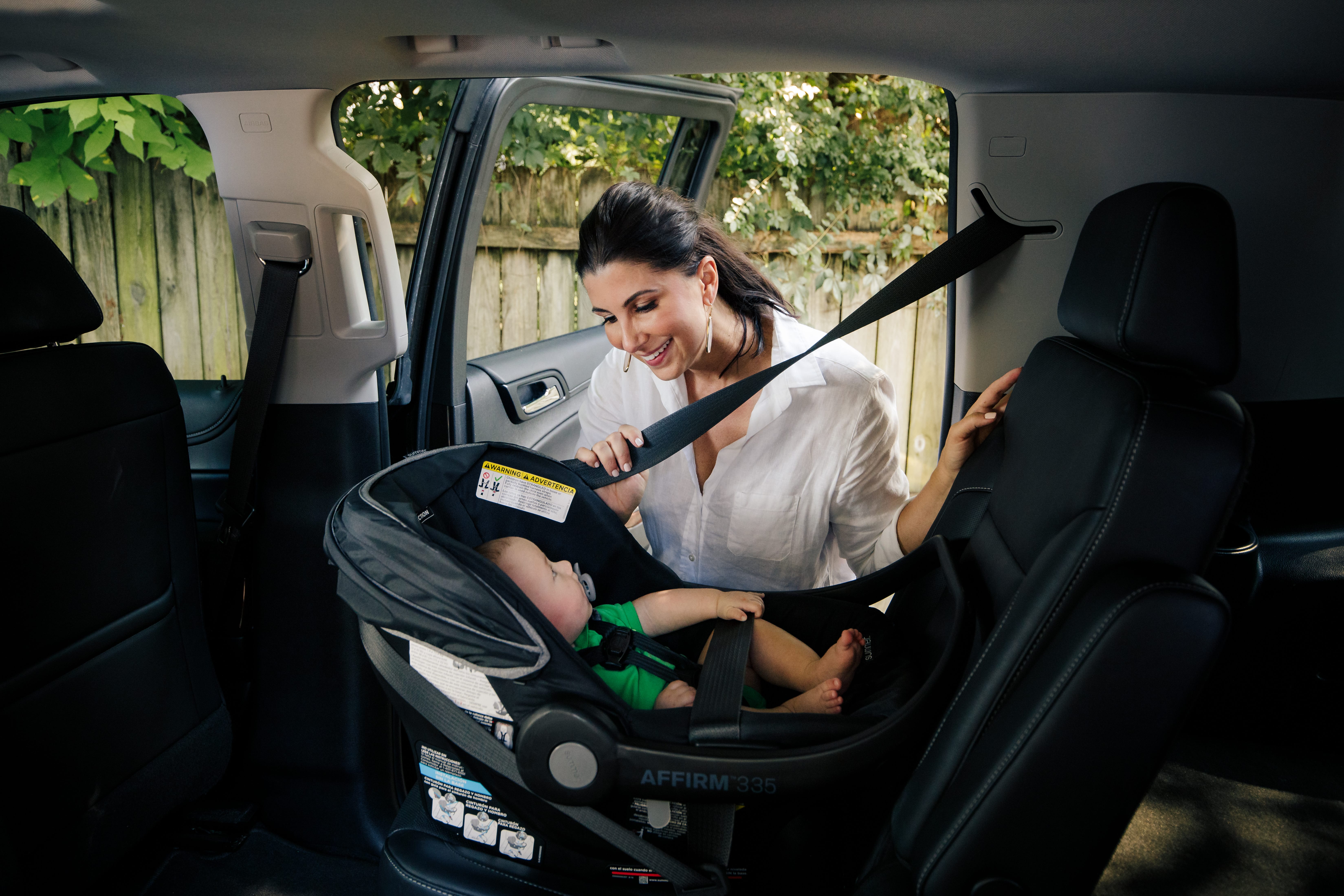
Rear-facing seats cradle your child’s head, neck, and spine better in a crash. They are designed to spread the crash forces over the entire body, which is why experts recommend keeping your child rear-facing as long as possible.
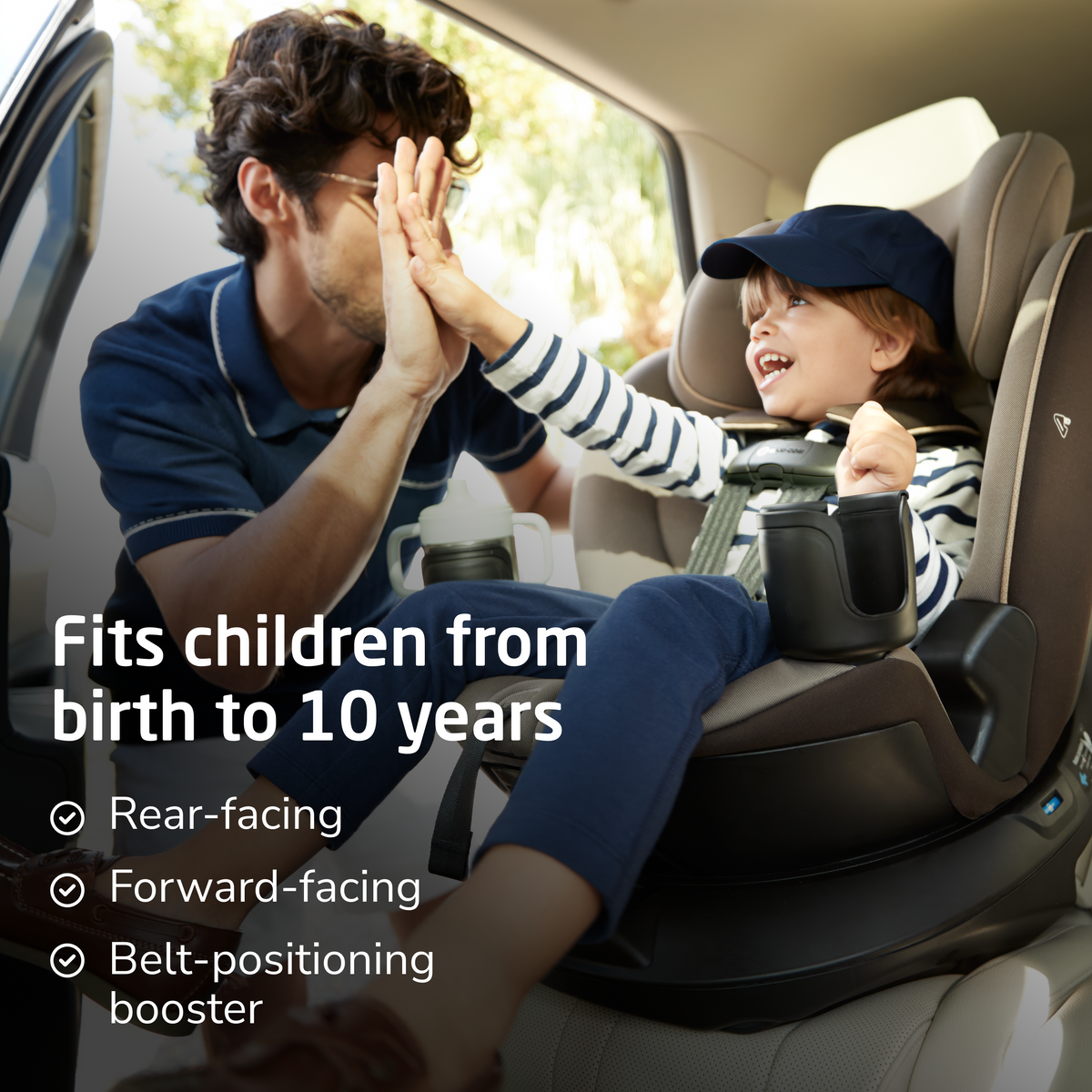
Forward-facing seats, on the other hand, are for older children who have outgrown the rear-facing limits. These seats have harnesses that secure the child and usually come with a tether that reduces forward movement during a crash.
Have you noticed how many parents switch their kids to forward-facing too early? Staying rear-facing longer can significantly increase your child’s protection.
Recommended Age And Weight For Forward Facing
The American Academy of Pediatrics suggests children remain rear-facing until at least 2 years old or until they reach the highest weight or height allowed by their car seat. Many convertible seats support rear-facing up to 40 pounds or more.
Once your child outgrows the rear-facing limits, it’s time to move them to a forward-facing seat with a harness. This typically happens between ages 2 and 4, depending on your child’s size and the seat’s specifications.
Check your car seat manual carefully—you’ll find clear weight and height limits. Ignoring these can increase the risk of injury. Are you following these guidelines strictly, or is convenience tempting you to switch earlier?
Safety Benefits Of Rear-facing Seats
Choosing when to turn your child’s car seat forward can be tricky, but understanding the safety benefits of keeping them rear-facing helps you make the best decision. Rear-facing seats offer unique protections that forward-facing seats simply can’t match. Let’s look at why keeping your child rear-facing is a powerful choice for their safety.
Impact Protection
Rear-facing car seats provide superior impact protection during a crash. When a collision occurs, the force spreads across the entire back of the seat, absorbing the energy and protecting your child’s head and chest.
This setup reduces the risk of severe injuries by cradling your child instead of forcing their body forward. Have you noticed how a rear-facing seat acts like a shield rather than a barrier? That’s exactly why safety experts recommend it as long as possible.
Spine And Neck Support
Your child’s spine and neck are extremely vulnerable, especially in early years. Rear-facing seats support the natural curve of your child’s spine and keep their neck aligned during sudden stops or crashes.
Turning your child forward too soon puts extra strain on these delicate areas, increasing the risk of injury. Think about how much your own neck needs support when you’re in a fast car stop—your child needs even more protection because their bones are still developing.
Signs Your Child Is Ready To Face Forward
Knowing when your child is ready to face forward in their car seat is important. It keeps them safe and comfortable during rides. Certain signs show that your child can make this transition safely.
Watching for these signs helps avoid risks. It ensures your child’s car seat position matches their growth and development.
Meeting Weight And Height Requirements
Check the car seat manual for weight and height limits. Each seat has specific numbers for rear-facing use. Your child should reach these limits before turning forward.
Commonly, kids face forward after they weigh at least 20 pounds. Height limits vary but usually range between 26 to 30 inches. Staying within these limits helps the seat protect your child well.
Ability To Sit Upright Unassisted
Your child must sit up without support. This skill is important because forward-facing seats need good posture. It keeps the seatbelt and harness in the right place.
Observe if your child can stay seated during the whole trip. If they slump or lean often, wait longer before switching. Sitting upright reduces injury risk in case of sudden stops or crashes.

Credit: www.bambibaby.com
Choosing The Right Forward-facing Car Seat
Choosing the right forward-facing car seat is crucial for your child’s safety. It ensures proper support and protection during every ride. Parents must consider several factors to pick the best option for their child’s age and size.
Forward-facing seats come in many styles and designs. Selecting one with the right features helps keep your child secure and comfortable. Understanding harness types and installation methods is essential before making a purchase.
Harness Types And Adjustability
Car seats use different harness systems to hold children safely. The most common is the five-point harness. It secures your child at the shoulders, hips, and between the legs. This type offers the best restraint and distributes crash forces evenly.
Adjustability is important to fit your child as they grow. Look for harness straps that can move higher or lower. A seat with easy strap tightening and loosening saves time and effort. Some models have quick-adjust features for better convenience.
- Five-point harness for maximum safety
- Adjustable strap heights to match child’s growth
- Easy-to-use tightening and loosening mechanisms
Installation Tips
Proper installation is key to the car seat’s effectiveness. Always follow the manufacturer’s instructions carefully. Use either the vehicle’s seat belt or the LATCH system, not both at once unless allowed.
Check that the seat does not move more than an inch side to side or front to back. Tighten the straps firmly to keep the seat stable. The seat should sit at the correct angle to support your child’s head and neck.
- Follow instructions for seat belt or LATCH installation
- Ensure minimal seat movement after installation
- Maintain the recommended seat angle for comfort and safety
Common Mistakes To Avoid
Ensuring your child’s safety in the car is essential. Yet, many parents unknowingly make mistakes with car seats. Understanding these common errors can help keep your child safe.
Turning Too Early
Many parents turn the car seat forward too soon. It’s tempting as your child grows. But experts recommend keeping seats rear-facing until age two. Rear-facing seats provide better support for young children. Their neck and spine are still developing. Turning too early can increase injury risk in crashes.
Incorrect Harness Usage
Proper harness usage is crucial for safety. Many parents make mistakes with the harness. Straps should lie flat, not twisted. They should be snug against the child’s body. The chest clip should be at armpit level. A loose harness can’t protect your child well. Always check for proper fit before each trip.
Legal Regulations By Region
Legal rules about when children can face forward in car seats vary widely. These laws aim to keep kids safe during travel. Understanding the rules in different regions helps parents follow the law and protect their children.
Us Guidelines
In the United States, most states require children to ride rear-facing until at least 2 years old. Some states allow forward-facing after the child reaches the car seat’s height or weight limit for rear-facing. The American Academy of Pediatrics suggests keeping children rear-facing as long as possible. This method offers better protection for a child’s head, neck, and spine in a crash.
- Minimum age to face forward: usually 2 years
- Weight and height limits vary by car seat model
- States enforce different laws with fines for violations
International Standards
Worldwide, rules about car seat direction differ based on safety research and culture. Many European countries require children to ride rear-facing until 15 months or older. Australia mandates rear-facing until at least 6 months. Some Asian countries have less strict laws but recommend rear-facing for infants. International safety groups encourage rear-facing as a best practice for young children.
| Region | Minimum Rear-Facing Age | Notes |
|---|---|---|
| Europe | 15 months+ | Strong recommendations for rear-facing |
| Australia | 6 months+ | Legal requirement for infants |
| Asia | Varies | Less strict, but rear-facing advised |
Tips For Smooth Transition
Changing your child’s car seat to face forward is a big step. It needs care and planning to keep your child safe and happy. These tips help make the switch easier for both you and your child.
Preparing Your Child
Talk to your child about the change. Explain the new seat and why it is important. Show pictures or videos of kids sitting forward. Let your child try sitting in the seat before the trip. Make it fun and positive.
Ensuring Comfort And Safety
Check the car seat manual for correct installation steps. Adjust the straps so they fit snugly but comfortably. Use soft padding if needed for extra support. Dress your child in comfortable clothes that do not interfere with the straps. Always double-check the seat’s angle and harness before driving.
Credit: maxicosi.com
Frequently Asked Questions
When Is It Safe For Kids To Face Forward In Car Seats?
Children can safely face forward after reaching age 2 and meeting height and weight limits. Always follow your car seat manufacturer’s guidelines for transition timing.
What Are The Risks Of Early Forward-facing Car Seats?
Turning a car seat forward too soon increases injury risk during crashes. Rear-facing seats better support a child’s head, neck, and spine in impacts.
How Long Should Kids Stay Rear-facing In Car Seats?
Experts recommend rear-facing until at least age 2 or until the child exceeds the seat’s height or weight limit. This position offers maximum protection.
What Height And Weight Allow Forward-facing Car Seats?
Most forward-facing seats require children to weigh 20-40 pounds and be 30-40 inches tall. Check your specific car seat manual for exact requirements.
Conclusion
Kids should face forward only when they meet weight and age rules. Rear-facing seats protect young children better during crashes. Check your car seat’s manual for exact limits. Always use the right seat for your child’s size. Safety is the top priority on every trip.
Follow these guidelines to keep your child safe. Remember, every child grows at their own pace. Adjust the car seat as your child changes. Stay informed to make the best choice for your family. Safe travels start with the right car seat direction.