
Wondering when it’s safe to face your baby forward in the car? You’re not alone.
Every parent wants to keep their little one safe and comfortable during every ride. But making the switch from rear-facing to forward-facing can feel confusing and even a bit scary. You’ll discover exactly when and why experts recommend turning your baby forward.
Knowing the right time can protect your child and give you peace of mind on every trip. Keep reading to learn the simple signs and safety tips that will help you make the best decision for your family.
Car Seat Directions
Understanding car seat directions is crucial for your baby’s safety during every car ride. The decision to switch from rear-facing to forward-facing isn’t just about convenience—it’s about protecting your child in the event of a crash. Let’s break down what you need to know to make the best choice for your little one.
Rear-facing Benefits
Rear-facing car seats provide superior protection for your baby’s head, neck, and spine. In a sudden stop or collision, the seat absorbs the impact forces, reducing injury risk.
Studies show that children are much safer rear-facing until they reach certain size limits. Staying rear-facing longer helps prevent serious injuries during those critical early years.
When To Switch Forward
Switching your child to a forward-facing seat too early can increase the risk of injury. But how do you know the right time?
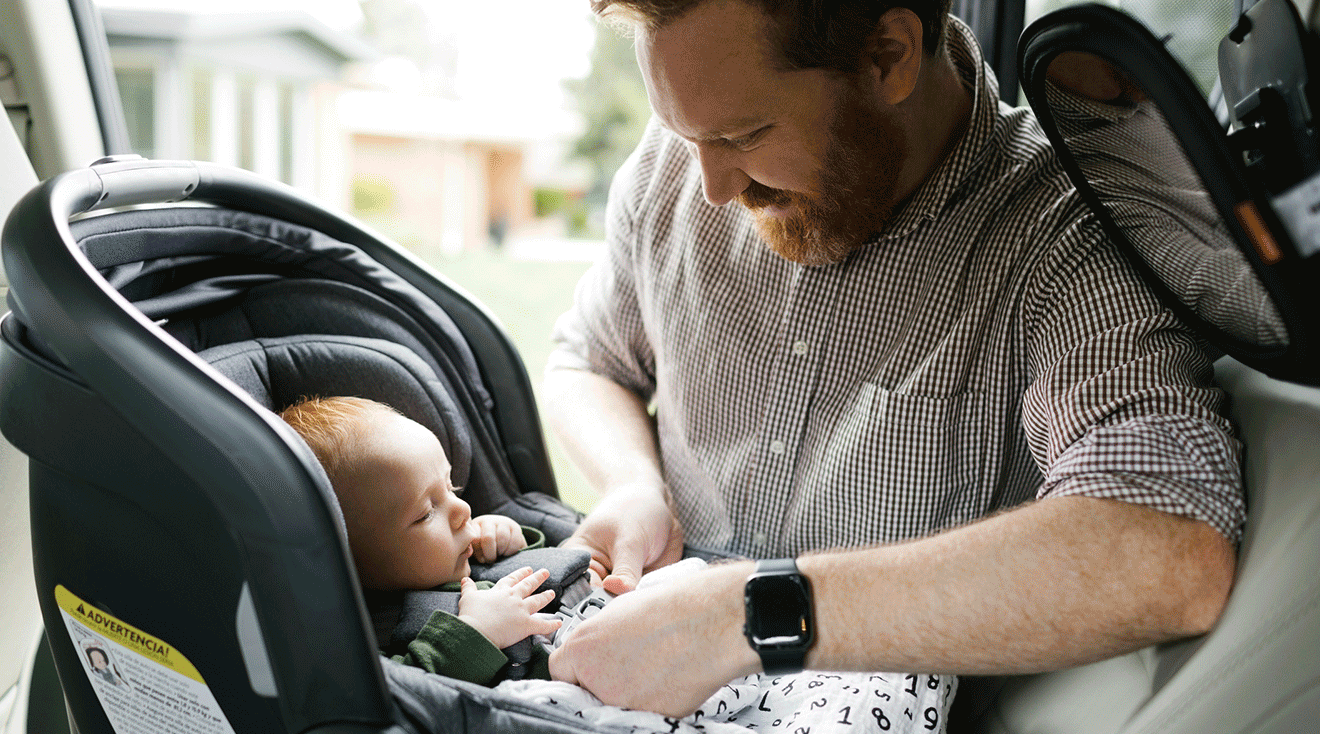
Look for specific signs on the car seat’s label and your child’s development milestones rather than guessing. If your child’s head is above the top of the rear-facing seat or their weight hits the limit, it’s time to switch.
Recommended Age And Weight
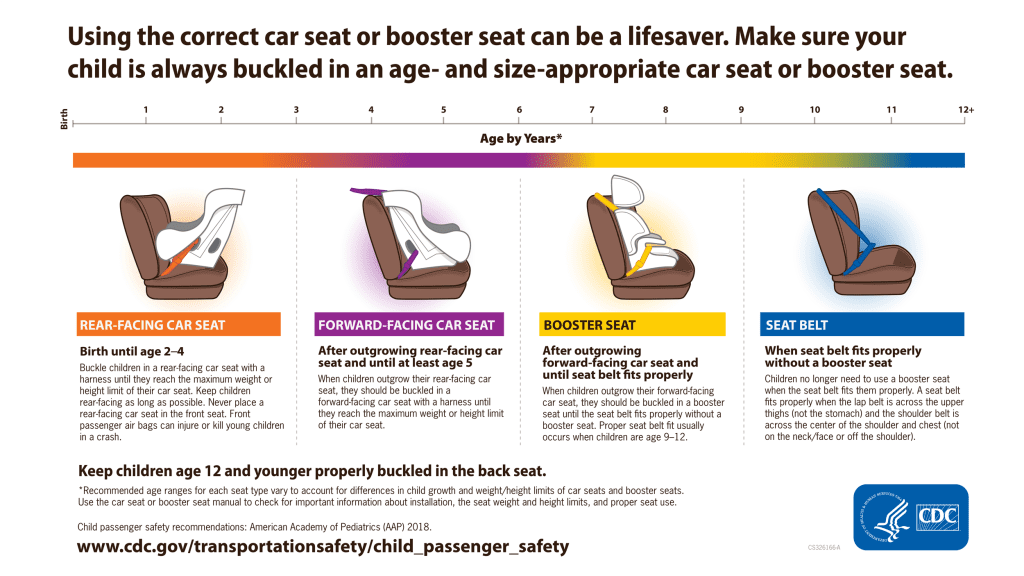
Most safety experts recommend keeping your baby rear-facing until at least 2 years old. However, some convertible seats allow rear-facing up to 40 pounds or more.
| Age | Weight | Direction |
|---|---|---|
| Birth to 2 years | Up to 40 lbs | Rear-Facing |
| 2 years and older | Above 20-22 lbs | Forward-Facing |
Does your current car seat allow extended rear-facing? If not, consider upgrading for added safety. Your child’s well-being is worth the investment.
Safety Guidelines
Safety guidelines are key to deciding when to face your baby forward in the car seat. Each child grows at a different pace, so following rules helps keep them safe. Car seats have limits based on weight and height. Always check these limits before changing the seat’s direction.
Manufacturer Instructions
Car seat makers provide clear instructions for use. These instructions include when to switch from rear-facing to forward-facing. Read the manual carefully every time you install the seat. The manual also explains the weight and height limits for forward-facing mode. Ignoring these guidelines can increase injury risk during a crash.
Local Laws And Regulations
Every place has laws about child car seats. These laws set the minimum age, weight, or height for forward-facing seats. Check your local rules before making changes. Following laws ensures legal safety and protects your child. Some regions require rear-facing until age two or more.
Proper Installation Tips
Correct installation is vital for safety. Use the car seat’s base or seat belt as instructed. Check that the seat is tightly secured and does not move more than one inch side-to-side. Adjust the harness to fit snugly around your child. Ensure the chest clip is at armpit level for best protection.
Choosing The Right Car Seat
Choosing the right car seat ensures your baby’s safety and comfort. It also helps you follow the rules about when to face your baby forward. Not all car seats work the same way or fit every child. Picking the right one depends on your child’s age, weight, and height. Safety features and ease of use matter too. Understanding types of seats and key details can make this choice easier.
Convertible Seats
Convertible seats switch from rear-facing to forward-facing. They fit babies and toddlers of different sizes. Babies start rear-facing for better protection. When they reach the seat’s limits, switch to forward-facing. This type saves money and space. Check the seat’s weight and height limits before switching. Always follow the manufacturer’s instructions for safe use.
Harness Types
Harnesses keep your baby secure in the seat. Most car seats use a five-point harness. It has straps over both shoulders, both hips, and between the legs. This design spreads crash forces evenly. Some seats have adjustable harness heights. Make sure the harness fits snugly and is at the right level. The straps should lie flat and not be twisted.
Expiration Dates
Car seats do not last forever. Materials can weaken over time. Manufacturers add expiration dates to every seat. Usually, they last six to ten years from the production date. Using an expired seat can be unsafe. Always check the label or manual for the expiration date. Replace the seat if it is past this date or after a crash.
Credit: www.thebump.com
Common Mistakes To Avoid
Knowing when to face your baby forward in the car is crucial, but just as important is avoiding common mistakes that can put your child’s safety at risk. Many parents rush the transition or overlook key safety checks, which can have serious consequences. Let’s look at some frequent errors and how you can steer clear of them to keep your little one secure.
Early Transition Risks
Switching your baby to a forward-facing car seat too soon increases the risk of injury during a crash. Babies’ neck muscles and spines aren’t ready to handle the forces from a frontal impact until they reach the right age and weight limits. Have you checked your car seat manual to confirm your child meets those specific guidelines?
One parent I spoke to shared how they moved their toddler forward at 12 months, thinking it was fine because the child was “big enough.” Unfortunately, their child sustained a minor injury in a fender bender. The lesson? Always follow the manufacturer’s recommendations and your pediatrician’s advice.
Incorrect Harness Use
Even if your baby is facing forward at the right time, improper harness use can undermine safety. The harness should lie flat without twists and be snug enough that you cannot pinch any slack at the shoulder. Loose or twisted straps can cause the child to slip out or increase injury risk during sudden stops.
Check the harness height carefully—too high or too low compromises protection. When was the last time you reviewed the fit? Regularly adjusting the harness as your baby grows is critical for maximum safety.
Loose Installation
Installing the car seat loosely is a common but dangerous mistake. A seat that moves more than an inch side to side or front to back at the belt path is not secure enough. Did you test the installation after every setup?
Using the correct seat belt or LATCH system and tightening it properly makes all the difference. If you’re unsure, many local fire stations and hospitals offer free car seat safety checks that can give you peace of mind.
Additional Safety Measures
Ensuring your baby’s car seat is installed correctly adds extra protection. Check the seat’s weight and height limits before facing forward. Always use the harness snugly to keep your child secure during the ride.
Ensuring your child’s safety in the car is a top priority, especially when transitioning to a forward-facing car seat. Beyond the basic guidelines, additional safety measures can make a significant difference. Here are a few crucial tips to enhance your child’s safety on the road.Proper Seat Belt Use
The seat belt is your child’s lifeline in the event of a sudden stop or accident. Make sure it’s snug and correctly positioned. The harness should be at or above the child’s shoulders when forward-facing. Have you ever noticed how a loose seat belt can slip off your shoulder? This is even more critical for your child. Always double-check the belt’s fit before starting your journey.Rear Seat Placement
Your car’s rear seat is the safest spot for your child. Why risk the front when the back offers better protection? Place the car seat in the middle of the back seat if possible. This position reduces the risk of injury during a side-impact collision.Regular Seat Checks
Car seats aren’t a set-it-and-forget-it solution. Regular checks ensure everything stays secure and functional. Have you considered setting a reminder to inspect the seat every few months? Ensure the seat isn’t loose and the harness remains in good condition. Keeping the seat clean also helps maintain its longevity and safety features. Taking these additional safety measures will give you peace of mind, knowing you’ve done everything to protect your little passenger. Are there any other safety tips you’ve found helpful? Share your thoughts in the comments below!
Credit: www.thule.com

Credit: incarsafetycentre.co.uk
Frequently Asked Questions
When Is It Safe To Turn My Baby Forward In The Car?
It is safe to turn your baby forward-facing when they reach at least 2 years old. Also, your child must meet the height and weight limits of the rear-facing car seat. Always follow the car seat manufacturer’s guidelines for the best safety.
Why Keep My Baby Rear-facing Longer In The Car?
Rear-facing seats provide better protection for a baby’s head, neck, and spine during a crash. Experts recommend keeping children rear-facing until at least age 2 or until they outgrow the seat’s limits. This position reduces injury risk significantly.
What Are The Height And Weight Limits For Forward-facing Seats?
Forward-facing seats usually have height limits around 40-49 inches and weight limits between 20-65 pounds. Check your car seat’s manual for exact numbers. Meeting these limits ensures your child’s safety and proper seat function.
How Do I Transition My Baby To A Forward-facing Seat?
Wait until your baby meets age, weight, and height requirements. Install the forward-facing seat using a harness system. Ensure the harness fits snugly and the seat is tightly secured in the car. Always follow manufacturer instructions carefully.
Conclusion
Always keep your baby’s safety as the top priority in the car. Experts say to keep babies rear-facing until at least 2 years old. This position protects their head and neck better in a crash. Check your car seat’s height and weight limits before turning your baby forward.
Follow the laws in your area for child car seat rules. Remember, every child grows differently, so adjust timing to your baby’s needs. Safe travel means peace of mind for you and comfort for your child. Stay informed and drive carefully.