
Are you wondering when it’s safe to face your baby forward in their car seat? You’re not alone.
Every parent wants to keep their little one safe and comfortable during car rides. But the rules about when to switch from rear-facing to forward-facing can be confusing. Making the right choice matters because it can protect your child in ways you might not realize.
Keep reading to find out exactly when you can turn your baby forward and how to do it safely—your child’s safety depends on it.
Credit: www.thebump.com
Rear-facing Vs Forward-facing Seats
Choosing between rear-facing and forward-facing car seats is a crucial decision for your child’s safety. Understanding the differences and knowing when to switch can protect your baby during every trip. Let’s break down what makes rear-facing seats safer and when you might consider moving to forward-facing.
Safety Benefits Of Rear-facing
Rear-facing seats support your baby’s head, neck, and spine better in a crash. Since infants have weaker neck muscles, facing the back reduces the risk of serious injury. Studies show that children in rear-facing seats are up to five times safer in a frontal collision.
I remember when my niece was in a car accident. Her parents kept her rear-facing longer than many others recommend, and she walked away with minor bruises. That real-life example made me realize how critical it is to keep babies rear-facing as long as possible.
Rear-facing seats also distribute crash forces evenly across the body. This alignment cushions your baby much better than forward-facing seats, where the head can whip forward dangerously.
Age And Weight Guidelines
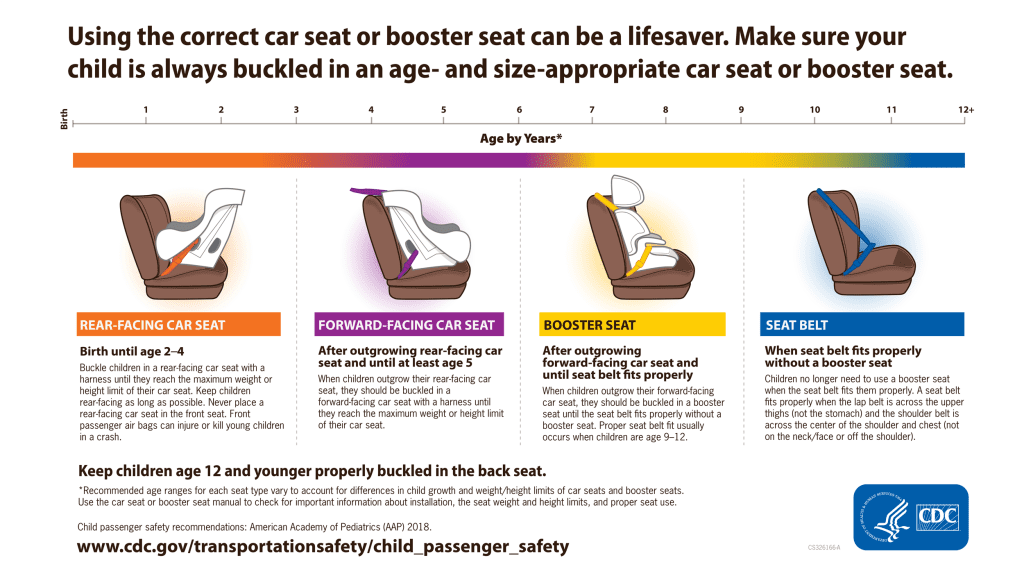
Most safety experts advise keeping your child rear-facing until at least age 2 or until they reach the maximum weight or height allowed by the car seat manufacturer. This usually means your baby will be rear-facing longer than many parents expect.
- Weight limits:Many rear-facing seats support up to 40 pounds or more.
- Height limits:Look for the top of your child’s head being below the top of the car seat shell.
- Age recommendation:The American Academy of Pediatrics suggests rear-facing until age 2 or beyond.
Switching to forward-facing too soon can expose your child to unnecessary risks. Have you checked your car seat’s manual lately? Ensuring your child meets the exact guidelines helps you avoid premature transitions.
Recommended Age To Switch
Knowing the right time to turn your baby forward in their car seat is important for safety. The recommended age to switch depends on several factors. It is not just about age but also about your baby’s growth and development. Understanding these points helps keep your child safe during travel.
Minimum Age Recommendations
Experts suggest keeping babies rear-facing until at least 2 years old. Some safety groups recommend even longer. The American Academy of Pediatrics advises rear-facing as long as possible.
Many car seats have minimum age and weight limits for forward-facing. Usually, babies can switch after they:
- Reach 2 years of age
- Meet the car seat’s height and weight limits
Always check your car seat manual for specific guidance.
Growth And Development Factors
Your baby’s physical growth plays a key role. Strong neck muscles help support the head in a forward-facing position. Some babies develop these muscles later than others.
Watch for signs your baby is ready:
- Can hold their head steady without support
- Can sit upright unassisted
These milestones show your baby can handle the new position safely. Each child grows at a different pace. Patience and observation are important before making the switch.
Weight And Height Limits
Understanding the weight and height limits is key to knowing when to face your baby forward in a car seat. These limits ensure the child’s safety during car rides. Every car seat has rules about the size of the child it can hold. Following these rules helps protect your baby and makes sure the seat works as designed.
Manufacturer Guidelines
Each car seat brand sets its own weight and height limits for forward-facing use. These rules are in the manual and on the seat labels. Some seats allow forward-facing at lower weights, while others require more weight or height first. Reading these guidelines helps you avoid mistakes. Always check the exact numbers before changing your baby’s seat position.
Common Thresholds
Most forward-facing car seats recommend a minimum weight around 20 pounds (9 kg). The height limit often falls near 29 to 32 inches (74 to 81 cm). Children usually reach these sizes between 1 and 2 years old. Still, every child grows differently. Waiting until your baby meets these thresholds keeps them safer in the car.

Credit: www.walmart.ca
Choosing The Right Car Seat
Choosing the right car seat is crucial for your baby’s safety and comfort. It also affects when you can turn your baby forward. Different seats offer various features that suit your child’s age, weight, and height. Understanding these options helps you make a smart choice.
Convertible Seats
Convertible seats adapt as your baby grows. They start as rear-facing for infants. Once your baby reaches the seat’s limit, you can switch to forward-facing. These seats usually fit babies from 5 to 40 pounds rear-facing. Forward-facing mode can hold children up to 65 pounds or more.
Convertible seats offer long use and good protection. They often have higher weight limits for rear-facing. This allows babies to stay rear-facing longer, which is safer. Most safety experts advise keeping your child rear-facing as long as possible.
Combination Seats
Combination seats start as forward-facing with a harness. They don’t have a rear-facing option. These seats work for toddlers who outgrow their convertible seat’s rear-facing limits. They can hold children from about 22 pounds up to 65 pounds or more.
Once your child outgrows the harness, combination seats convert to booster seats. Booster mode helps children use the car’s seat belt properly. These seats suit older toddlers and preschoolers. They are not suitable for infants or newborns.
Installation Tips For Forward-facing Seats
Transitioning your child to a forward-facing car seat is a big step. Ensuring proper installation is crucial for safety. Follow these tips to keep your little one secure.
Harness Positioning
Check that the harness is at or above your child’s shoulders. This helps secure your child firmly in the seat. Tighten the harness so you cannot pinch any strap. A snug harness prevents excess movement.
Securing The Seat Properly
Use the car’s seat belt or LATCH system to secure the seat. Ensure the seat does not move more than one inch side to side. Double-check the seat’s angle to ensure proper recline. This can vary based on your child’s age and size.
Common Mistakes To Avoid
Parents often make mistakes when deciding to turn their baby’s car seat forward. These errors can reduce safety and increase risk during travel. Understanding common pitfalls helps keep your baby secure. Avoiding these mistakes ensures proper car seat use and protection.
Switching Too Early
Many parents switch their baby to a forward-facing seat before the child is ready. Experts recommend keeping babies rear-facing until at least age two or until they reach the height and weight limit of their rear-facing seat. Turning forward too soon can increase injury risk in crashes. Always check the car seat manual for specific age, height, and weight limits. Patience is key for your baby’s safety.
Incorrect Harness Use
Incorrect harness use is a common problem with car seats. The harness should be snug, with no slack, and the chest clip must be at armpit level. Loose harness straps can cause serious injury during sudden stops. Using the wrong harness slots for your baby’s size also reduces safety. Always adjust the harness to fit your child’s current size. Proper harness use keeps your baby secure and comfortable.
Expert Safety Recommendations
Knowing when to turn your baby’s car seat forward is a crucial decision that affects their safety during every ride. Experts agree that keeping your child rear-facing for as long as possible provides better protection. But what exactly do safety authorities advise? And how do real-life stories back up these guidelines?
Guidelines From Safety Organizations
Major safety organizations like the American Academy of Pediatrics (AAP) and the National Highway Traffic Safety Administration (NHTSA) recommend keeping your child rear-facing until at least 2 years old. This position better supports your baby’s head, neck, and spine in a crash.
Here are key points they emphasize:
- Age and Weight Limits:Follow your specific car seat’s rear-facing height and weight limits, which often allow kids to stay rear-facing well beyond age 2.
- Check Your Car Seat Manual:Always refer to the manufacturer’s instructions, as some seats have different guidelines.
- Transition Only When Ready:Turn your child forward-facing only when they outgrow the rear-facing limits, not just based on age.
Have you reviewed your car seat’s limits recently? Many parents switch too early, thinking it’s more comfortable, but safety experts warn against rushing this step.
Real-life Safety Cases
Stories from parents who followed expert advice highlight the importance of patience. One mother shared how her 3-year-old stayed rear-facing until just before turning 3 and walked away unharmed after a serious car crash. The car seat’s rear-facing position absorbed the impact, protecting her child’s head and neck.
Conversely, cases where children were turned forward-facing early often show more severe injuries in accidents. Emergency responders frequently stress that rear-facing seats reduce the chance of life-threatening damage during sudden stops or collisions.
Can you imagine the difference a few extra months could make in your child’s safety? These real experiences back up the safety guidelines and remind you why following expert recommendations matters.

Credit: incarsafetycentre.co.uk
Monitoring Your Child’s Readiness
Check your child’s neck strength and head control before turning the car seat forward. Most babies are ready around 2 years old or when they reach the car seat’s height and weight limits. Always follow the car seat manufacturer’s guidelines for safety.
Monitoring Your Child’s Readiness Transitioning a baby to a forward-facing car seat is a significant step. Parents often wonder about the right time for this transition. Monitoring your child’s readiness involves observing specific signs. These signs ensure a safe and comfortable journey for your little one. Below are some indicators to help guide your decision.Behavioral Signs
Observe your child during car rides. Does your child show curiosity about the outside world? This interest can indicate they might enjoy a forward-facing view. Notice if your child frequently tries to turn around in their rear-facing seat. It could be a sign they’re ready for a change.Physical Development Indicators
Physical growth is crucial in determining readiness. Check if your child has outgrown the height or weight limits of the rear-facing seat. Every car seat comes with specific guidelines. Ensure your child meets the forward-facing requirements. A taller child might find more comfort in a forward-facing position. Always follow the car seat manufacturer’s instructions for safety.Frequently Asked Questions
When Is It Safe To Turn Baby Car Seat Forward?
Most experts recommend keeping babies rear-facing until at least age 2 or until they reach the car seat’s height and weight limits. Rear-facing offers better protection for a baby’s head, neck, and spine during a crash.
What Age Should Baby Face Forward In Car Seat?
Babies should face forward only after they are at least 2 years old and meet the car seat’s size requirements. Forward-facing seats provide less crash protection than rear-facing for younger infants and toddlers.
How Do I Know If Baby Is Ready To Face Forward?
Check your car seat’s height and weight limits. If your child exceeds rear-facing limits and is over 2 years old, they may be ready to face forward. Always follow the specific car seat manufacturer guidelines.
Are Forward-facing Seats Safer For Toddlers?
Forward-facing seats are safe when used correctly but offer less protection than rear-facing seats for toddlers under age 2. Rear-facing seats better support the head and neck in a crash.
Conclusion
Always keep your baby rear-facing as long as possible. This position offers the best protection in crashes. Check your car seat’s weight and height limits carefully. Switch to forward-facing only when your child meets these limits. Follow the car seat manual and safety guidelines every time.
Safety is the top priority on every trip. Remember, a secure baby means peace of mind for you. Keep learning and updating your knowledge about car seat safety. Your careful choices help protect your little one.