
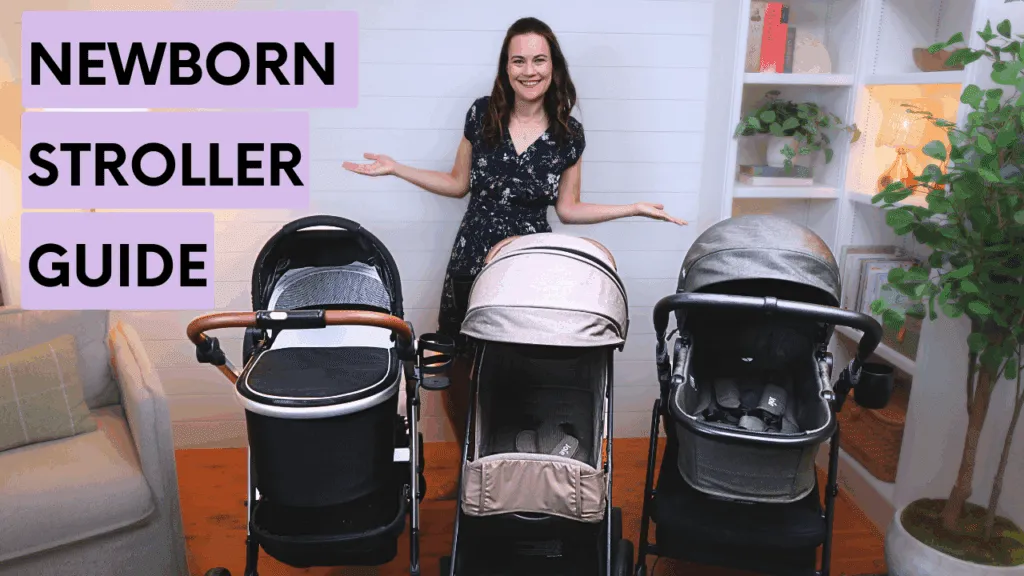
Are you wondering when your baby can safely use a stroller without a car seat? It’s a question many parents ask as their little one grows.
You want to keep your baby comfortable and secure, but also make outings easier for yourself. Knowing the right time to switch can save you stress and help your baby enjoy stroller rides more. Keep reading to discover the key signs and expert tips that will guide you through this important parenting step.
Age To Use Stroller Without Car Seat
Choosing the right time for your baby to use a stroller without a car seat is important for safety and comfort. Babies develop at different rates, so age alone is not the only factor. Parents should consider both the baby’s physical readiness and the stroller’s design. Understanding when a baby can safely sit in a stroller without extra support helps ensure a smooth experience for everyone.
Minimum Age Recommendations
Most experts suggest waiting until the baby is at least 6 months old. At this age, babies usually have better neck and head control. Strollers without car seats often lack full recline, which is necessary for newborns. Some stroller models have specific age guidelines. Always check the manufacturer’s instructions before use.
Signs Baby Is Ready
Look for these signs before moving your baby to a stroller without a car seat:
- Baby can sit up without support.
- Head and neck control is strong and steady.
- Baby shows interest in surroundings and can stay alert.
- Baby can hold their head up for several minutes.
These signs indicate your baby is ready for a stroller seat. Always observe your child’s comfort during the ride. Safety and support are the top priorities.
Stroller Types Suitable For Older Babies
Choosing the right stroller for your older baby can make outings more enjoyable and comfortable. Once your baby can sit up steadily and has good head control, you might consider using a stroller without a car seat. Different stroller types offer various benefits depending on your lifestyle, baby’s needs, and how long you plan to be out. Understanding these options helps you pick what fits best for both you and your little one.
Standard Strollers
Standard strollers are versatile and often come with seats designed to recline fully or partially. They provide ample support for babies who can sit up but may still need occasional reclining for naps. Many models include storage baskets and adjustable handles, making them practical for everyday use.
Have you noticed how your baby’s comfort improves with a stroller that offers multiple recline positions? That flexibility can be a game-changer during longer walks or errands.
Jogging Strollers
If you enjoy staying active, jogging strollers are built to handle faster speeds and rougher terrain. They usually feature three large wheels and enhanced suspension to keep your baby comfortable during runs or hikes. These strollers require babies to have good head and neck control, so they’re suitable for older infants and toddlers.
Think about your daily routine—would a jogging stroller support your pace without compromising your baby’s safety and comfort?
Lightweight Strollers
Lightweight strollers are easy to carry and perfect for quick trips or travel. They often fold compactly and weigh less than standard models. While they may not have all the bells and whistles, they offer sufficient support for babies who can sit upright and want to explore the world around them.
Do you need a stroller that’s simple to manage but still keeps your baby secure during short outings?
Safety Features To Look For
Choosing a stroller for your baby without a car seat means paying close attention to safety features. These features ensure your little one stays secure and comfortable during every stroll. Understanding what to look for can save you from unnecessary risks and help you feel confident when using the stroller.
Secure Harness Systems
A reliable harness system is essential for keeping your baby safely in place. Look for strollers with a 5-point harness, which secures your child at the shoulders, waist, and between the legs. This setup minimizes the chance of slipping or climbing out, even if your baby is active or curious.
Adjustability is another key factor. A harness that can be tightened or loosened easily ensures a snug fit as your baby grows. Have you tested how simple it is to buckle and unbuckle the harness? Convenience for you matters just as much as safety for your child.
Stable Frame Design
The stroller’s frame should feel sturdy without being too heavy. A stable base reduces the risk of tipping, especially when navigating uneven surfaces or curbs. Pay attention to the wheelbase width—wider frames generally offer better balance.
Material quality affects stability as well. Aluminum frames provide strength while keeping the stroller lightweight. Consider how the design affects maneuverability; a well-balanced frame will give you smoother control on all terrains.
Brake Mechanisms
Effective brakes are crucial for preventing accidents when the stroller is stationary. Test both foot and hand brake options to see which you can operate quickly and confidently. Some models feature linked brakes that stop both rear wheels simultaneously, adding extra security.
Look for brakes that lock firmly but release smoothly without requiring excessive force. Can you easily engage the brake with one step? This feature can make a big difference when you’re managing a baby and other bags at the same time.
Credit: www.thebump.com
Proper Positioning In The Stroller
Proper positioning in the stroller is essential for your baby’s comfort and safety. It supports healthy growth and prevents strain on tiny muscles and bones. A well-positioned baby feels secure and enjoys the ride more.
Parents should check how their baby sits and uses the stroller’s features. Adjustments can make a big difference in support and posture. Let’s explore key aspects of proper positioning.
Seated Posture
Ensure your baby sits upright with a straight back. Avoid slouching or leaning to one side. The stroller seat should support the natural curve of the spine. Head and neck need steady support, especially for younger babies. Use straps to keep your baby safely in place. This prevents slipping or sliding during movement.
Footrest Usage
Footrests help keep your baby’s legs comfortable and supported. Adjust the footrest to fit your baby’s height. Feet should rest flat or slightly angled for better blood flow. Avoid dangling feet, which can cause discomfort or pressure. A proper footrest helps maintain balance and posture while strolling.
Common Safety Mistakes To Avoid
As your baby grows, transitioning from a car seat to a stroller is exciting. But there are common safety mistakes parents often make. Avoiding these can ensure a safe and happy stroll for your baby. Let’s explore some of these mistakes.
Leaving Baby Unattended
Never leave your baby alone in the stroller. Even for a moment. Babies are curious and can wiggle or tip the stroller. Always keep an eye on them. This ensures their safety and your peace of mind.
Overloading Stroller
Strollers have weight limits. Exceeding them can cause the stroller to tip. Avoid hanging heavy bags on the handles. Use the designated storage areas. This keeps the stroller balanced and safe for your baby.
Ignoring Manufacturer Guidelines
Always read the stroller’s manual. Follow the manufacturer’s guidelines. Each stroller is different. Knowing the specific instructions prevents accidents and ensures proper use. This includes how to fold, unfold, and adjust the stroller.
Additional Safety Accessories
Adding extra safety accessories to your baby’s stroller can make a big difference when transitioning away from the car seat. These accessories help protect your child from weather, improve visibility, and keep them securely in place. Paying attention to these details ensures your strolls are both safe and comfortable for your little one.
Sun Shades And Covers
Sun shades and covers shield your baby from harsh sunlight and harmful UV rays. They create a cozy, shaded spot that helps prevent overheating and sunburn. When I first used a stroller cover on a sunny day, I noticed my baby stayed calm and content much longer, avoiding fussiness caused by bright light.
Look for covers that are breathable and easy to attach. Some models even offer rain protection, so you’re prepared for sudden weather changes. Have you checked if your stroller’s sunshade blocks enough light to keep your baby cool?
Reflective Strips
Reflective strips add visibility during early morning or evening walks. These small additions catch car headlights and street lamps, alerting drivers to your presence. Adding reflective tape to your stroller frame or wheels is a simple way to boost safety without much effort.
Some strollers come with built-in reflective details, but you can also buy strips separately. Think about your walking schedule—are you often out when it’s dim? Reflective strips could be a lifesaver when visibility is low.
Safety Straps
Safety straps keep your baby firmly in place, preventing slips and sudden movements. Many strollers include a five-point harness, but adding extra straps or padding can improve comfort and security. I once saw a parent add soft covers to the straps, making them gentle on the baby’s skin while keeping the harness tight.
Always check that straps are snug but not too tight. Do you regularly inspect your stroller’s straps for wear and proper function? This small habit can prevent accidents and give you peace of mind during every outing.
Tips For Transitioning From Car Seat To Stroller
Transitioning your baby from a car seat to using a stroller alone is a big step. It helps your baby get used to the new motion and feel of the stroller. Taking it slow makes the change easier and safer for your child. These tips will guide you in making the switch comfortable and smooth.
Gradual Adjustment Period
Start by placing your baby in the stroller for short times. Let your baby get used to sitting without the car seat. Slowly increase the time spent in the stroller each day. Try using the stroller in calm places to avoid extra stress. This helps your baby feel safe and relaxed.
Monitoring Baby’s Comfort
Watch your baby closely for signs of discomfort or fussiness. Check if the stroller’s seat supports your baby well. Make sure the straps are snug but not too tight. Look for any redness or marks on the skin after stroller use. Always adjust the stroller’s position for your baby’s comfort.

Credit: momcozy.com

Credit: www.reddit.com
Frequently Asked Questions
When Can A Baby Use A Stroller Without A Car Seat?
Babies can use a stroller without a car seat once they can sit up unassisted. This usually happens around 6 months. Always check the stroller’s age and weight guidelines before use for safety.
Is It Safe For Newborns To Use A Stroller Alone?
No, newborns should not use a stroller alone. They need a fully reclined seat or a car seat attachment. This provides proper head and neck support for newborns.
How To Transition From Car Seat To Stroller Use?
Transition when your baby can hold their head up and sit unsupported. Start with short stroller rides. Ensure the stroller seat reclines comfortably and supports your baby well.
What Features Should A Stroller Have For Babies Without Car Seats?
Look for strollers with adjustable reclining seats and strong head support. Padded straps and smooth suspension are also important. These features ensure comfort and safety for babies.
Conclusion
Babies need extra support and safety in strollers at first. Most can use a stroller without a car seat after six months. At this age, they can sit up well and hold their head steady. Always check the stroller’s instructions and follow safety guidelines.
Make sure the stroller has good straps and a comfortable seat. Watching your baby closely during walks is important too. Choosing the right time helps keep your baby safe and happy outside. Enjoy your strolls with confidence and care.