
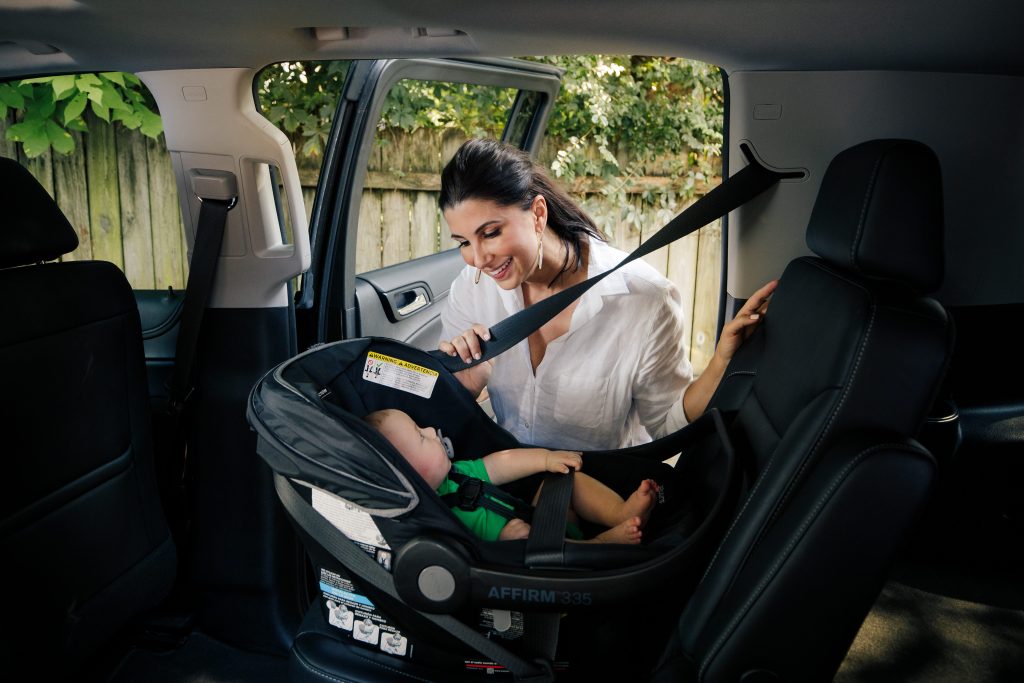
Are you wondering when your baby can safely sit in a stroller without a car seat? It’s a common question for many parents who want to make outings easier and more comfortable.
You want to keep your little one safe while enjoying the convenience of a stroller. But how do you know the right time to make that switch? Keep reading, because understanding the key signs and safety tips will help you feel confident every time you head out with your baby.
Age And Weight Guidelines
Knowing the right age and weight for your baby to sit in a stroller without a car seat is crucial for their safety and comfort. Each child develops at their own pace, so understanding general guidelines can help you make informed decisions. These guidelines not only protect your baby but also give you peace of mind during outings.
Recommended Age For Sitting Upright
Babies typically start sitting upright on their own between 4 to 7 months. Before this stage, their neck and back muscles are not strong enough to support sitting without assistance.
Try observing your baby’s ability to hold their head steady and sit without slumping. If they can do this comfortably, they might be ready to sit in a stroller without needing the car seat attachment.
Have you noticed your little one sitting unsupported? That’s a good sign they can handle the stroller seat safely.
Weight Limits For Stroller Use
Most stroller manufacturers set specific weight limits for using the seat without a car seat. These limits usually start around 15 pounds and go up to 50 pounds or more.
| Stroller Type | Minimum Weight | Maximum Weight |
|---|---|---|
| Standard stroller seat | 15 lbs (6.8 kg) | 50 lbs (22.7 kg) |
| Jogging stroller seat | 20 lbs (9 kg) | 60 lbs (27.2 kg) |
Always check your stroller’s manual to confirm these limits. If your baby’s weight falls below the minimum, the seat may not provide enough support. Going over the maximum weight can strain the stroller and become unsafe.
Think about your daily routine and how often you’ll use the stroller seat alone. Is your baby’s size suitable for those trips?
Stroller Types And Features
Choosing the right stroller for your baby is more than just picking a style or color. It’s about matching the stroller’s features to your baby’s age and needs. Understanding different stroller types and their key features can help you decide when your baby can safely ride without a car seat attached.
Strollers Designed For Older Babies
Some strollers are specifically made for older babies who can sit up on their own. These models usually have sturdy seats and secure harnesses built for toddlers. If your baby can hold their head steady and sit without support, these strollers might be a good fit without needing a car seat.
Look for strollers labeled as “toddler strollers” or “seat-only strollers.” They often feature upright seats and may not recline fully flat, so they aren’t suitable for newborns. Think about when your baby started sitting up—does your stroller match that stage?
Importance Of Reclining Seats
Reclining seats are crucial when considering stroller use without a car seat. Babies who can’t sit up yet need a seat that reclines fully or nearly flat to keep their airway open. A stroller that doesn’t recline enough can cause discomfort or even pose safety risks.
When I switched to a stroller without a car seat, I noticed my baby was more comfortable in a model that reclined smoothly. This allowed naps on the go without fussiness. Does your stroller offer multiple recline positions? That flexibility can make a big difference in your baby’s comfort and safety.
Safety Harness And Restraints
Safety harnesses and restraints keep babies secure in strollers. They prevent sudden falls or slips while moving. Choosing the right harness and adjusting it properly is key to your baby’s safety and comfort. Always check the stroller’s harness system before use.
Using Five-point Harnesses
A five-point harness secures your baby at five points:
- Both shoulders
- Both hips
- Between the legs
This type holds the baby firmly in place. It stops them from sliding or climbing out. Many strollers come with this harness for maximum safety. Use it every time your baby sits in the stroller without a car seat.
Adjusting Straps For Proper Fit
Straps must be snug but not too tight. Loose straps let the baby wiggle free. Tight straps cause discomfort or restrict movement.
- Place straps over shoulders and hips evenly
- Fasten buckle securely between legs
- Adjust length so straps fit snugly without pinching
- Make sure baby can move arms and legs comfortably
Check straps before every stroll. Adjust as your baby grows or changes clothes. Proper fit ensures safety and comfort on every outing.
Signs Baby Is Ready To Sit In Stroller
Determining the right time for your baby to sit in a stroller without a car seat can be crucial. Each baby develops at their own pace. Understanding key developmental signs can help make this transition smooth and safe.
Head And Neck Control
Your baby should have strong head and neck control. This usually happens around 4 to 6 months. Strong head control ensures your baby can handle the stroller ride. Observe your baby holding their head steady when upright. This is a good indication of readiness.
Ability To Sit Without Support
Another key sign is the ability to sit without support. Babies typically achieve this milestone by 6 to 8 months. Sitting independently means your baby can balance themselves. This skill is important for the stroller’s seating position. Make sure your baby can sit steadily before making the switch.
Common Risks Without Car Seat
Using a stroller without a car seat might seem convenient, but it comes with significant risks you need to be aware of. Babies need more than just a place to sit—they require proper protection and support to stay safe. Ignoring these needs can lead to accidents and discomfort that could have been avoided.
Potential For Falls
Without a car seat, your baby is more likely to slip or fall from the stroller. Strollers are designed to hold a car seat securely, which keeps your child in place. When you skip the car seat, your baby might move around too much, increasing the chance of tipping or falling out.
Have you ever noticed how quickly a baby can squirm? This natural movement can be dangerous without the right restraints. It’s not just about keeping your baby inside the stroller—it’s about preventing serious injuries from unexpected falls.
Lack Of Proper Support
Babies need strong head and neck support, especially in their first months. A car seat provides this crucial support by keeping their body aligned and stable. Without it, the stroller seat may not offer enough protection, leading to uncomfortable or even harmful positions.
Imagine your baby’s head tipping forward or to the side while you’re walking. This can block their airway or cause strain on their neck muscles. Proper support isn’t a luxury—it’s a necessity for your baby’s safety and comfort.

Credit: www.chiccousa.com
Tips For Safe Stroller Use
Using a stroller safely is important for your baby’s comfort and protection. Strollers without car seats can be safe when used correctly. Follow these simple tips to keep your baby secure and happy during strolls.
Always Use Safety Straps
Secure your baby with the stroller’s safety straps every time. Straps prevent your baby from slipping or falling out. Adjust them to fit snugly but comfortably around your child. Never leave the stroller without fastening the straps.
Avoid Rough Terrain
Choose smooth, even paths for walking with the stroller. Rough or bumpy surfaces can jolt your baby and tip the stroller. Avoid gravel, steep hills, and uneven sidewalks. A smooth ride keeps your baby calm and safe.
Supervise Constantly
Always keep an eye on your baby while in the stroller. Stay close and watch for any signs of discomfort or danger. Never leave the stroller unattended, even for a short time. Your attention helps prevent accidents and ensures your baby’s well-being.
When To Transition From Car Seat To Stroller
Deciding when to move your baby from the car seat to the stroller is important for safety and comfort. Babies grow quickly, and their needs change as they develop. Transitioning too early or too late can affect their posture and well-being. Parents should watch for clear signs that their baby is ready for this change.
Choosing the right time helps your baby enjoy stroller rides and stay safe.
Signs Baby Prefers Sitting Up
- Your baby tries to lift their head and chest while lying down.
- They show interest in the world around by looking around more actively.
- Baby becomes fussy or uncomfortable in the reclined car seat position.
- They can hold their head steady without support for several seconds.
- Baby reaches for toys or objects while sitting up.
These signs indicate your baby might enjoy sitting up in a stroller instead of lying back.
Consulting Pediatrician Advice
Always ask your pediatrician before changing your baby’s seating arrangement. They can check your baby’s muscle strength and overall health. The doctor can give personalized advice based on your baby’s growth and development.
Pediatricians also provide safety tips for using strollers without car seats. This helps avoid any risks linked to early transitions. Following medical guidance ensures your baby stays safe and comfortable.

Credit: www.riverbabygroup.com
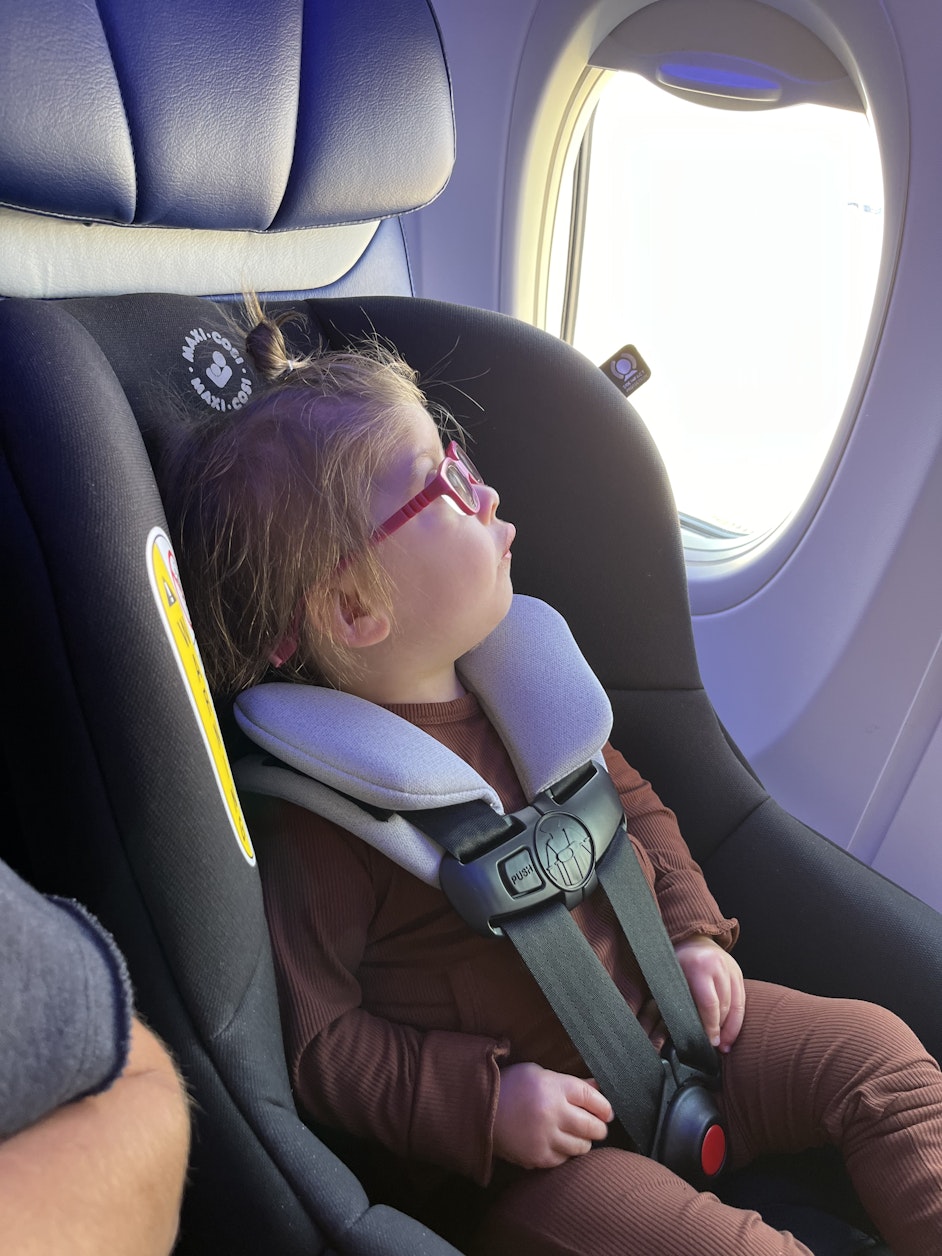
Credit: www.safeintheseat.com
Frequently Asked Questions
When Can A Baby Sit In Stroller Without Car Seat?
A baby can sit in a stroller without a car seat when they can sit up unassisted, usually around 6 months. Always ensure the stroller has proper support and safety straps to prevent falls.
Is It Safe For Newborns To Use Strollers Alone?
Newborns should not use strollers alone without a car seat. They need head and neck support that only car seats provide until they develop muscle control.
How To Know If Baby Is Ready For Stroller Alone?
Look for strong head control and ability to sit unsupported. Typically, babies reach this milestone between 6 to 9 months, making stroller use without a car seat safer.
What Stroller Features Support Sitting Babies Safely?
Strollers with reclining seats, padded harnesses, and adjustable footrests provide safety and comfort for sitting babies. These features help maintain proper posture and reduce injury risks.
Conclusion
Babies can sit in a stroller without a car seat once they have good head and neck control. This usually happens around six months old. Always check the stroller’s instructions for weight and age limits. Keep your baby safe by using straps and proper support.
Watch your child closely when they sit without a car seat. Comfort and safety matter most. Choosing the right time helps your baby enjoy stroller rides safely and happily.