
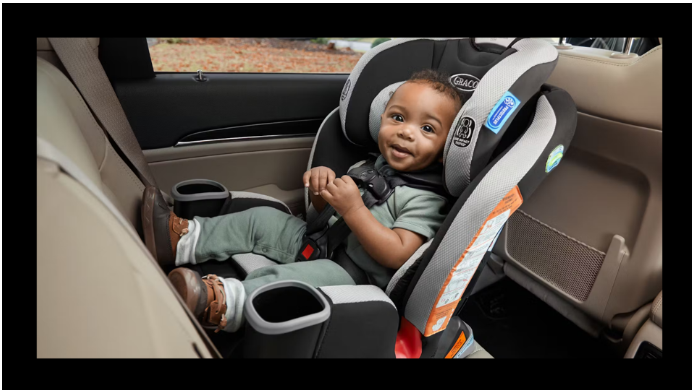
You want to keep your baby safe every time you travel. One big question many parents face is: When can your baby sit forward in a car seat?
It’s not just about convenience—it’s about your child’s safety and comfort. Making the switch too early can be risky, but waiting too long might feel frustrating. You’ll discover the right signs and important guidelines to know exactly when your little one is ready to face forward.
Keep reading to protect your baby and make every ride a safe one.
Rear-facing Vs. Forward-facing Seats
Choosing between rear-facing and forward-facing car seats can feel overwhelming. Understanding the key differences helps you make safer choices for your child. Let’s look closely at why rear-facing seats are often recommended and when it’s appropriate to switch to forward-facing.
Safety Benefits Of Rear-facing
Rear-facing seats provide better support for your baby’s head, neck, and spine during sudden stops or crashes. Since infants have proportionally larger heads and weaker neck muscles, this position spreads crash forces over the entire body rather than concentrating them on the neck.
Many parents notice that their babies seem more comfortable and secure in rear-facing seats. Have you ever seen a baby calmly sleeping in a rear-facing seat during a drive? This comfort also adds to safety by reducing fussiness and distractions.
Age And Weight Recommendations
Most experts advise keeping your child rear-facing until at least age 2 or until they reach the maximum height or weight limit of the rear-facing seat. These limits vary by seat model but generally range from 30 to 40 pounds.
Switching to forward-facing too early can increase injury risk. Check your car seat manual carefully and think about your child’s growth rather than just their age. Are you confident your child fits safely in the forward-facing seat you plan to use?
.jpg)
Credit: www.thule.com
When To Switch To Forward-facing
Deciding when to switch your baby to a forward-facing car seat is a big moment. It’s not just about age; safety is the top priority. Knowing the right time helps protect your child better during every ride.
Manufacturer Guidelines
Every car seat comes with specific instructions from the manufacturer. These guidelines tell you the minimum weight and height your child should reach before switching to forward-facing.
Check the manual carefully. Many seats recommend keeping your child rear-facing until at least 2 years old, but some allow forward-facing earlier if size limits are met.
Ignoring these instructions can reduce the seat’s effectiveness. Have you ever noticed how confusing these labels can be? Taking a moment to understand them can make all the difference.
Child’s Physical Development
Your child’s growth plays a big role in the switch. Look for signs like steady neck control and the ability to sit up unassisted.
Strong neck muscles help support the head in a forward-facing position, which reduces injury risk in a crash.
Sometimes, children may outgrow rear-facing height or weight limits before they feel ready. Trust their physical cues, not just their age.
Legal Requirements By Region
Car seat laws vary depending on where you live. Some places require children to remain rear-facing until they reach certain ages or sizes.
Before making the switch, check your local regulations to ensure you’re compliant. This can also help you avoid fines and keep your child safe.
- Some states require rear-facing until age 2 or longer
- Others focus on weight or height limits
- International rules may differ significantly
Have you checked your region’s specific laws recently? Rules can change, and staying updated protects your child and gives you peace of mind.
Choosing The Right Forward-facing Seat
Choosing the right forward-facing car seat is crucial to keep your child safe and comfortable once they outgrow their rear-facing seat. It’s not just about picking the latest model; it’s about finding a seat that fits your child’s size, your vehicle, and your lifestyle. Understanding the different types of seats and their harness systems will help you make an informed decision that prioritizes safety without sacrificing ease of use.
Types Of Forward-facing Seats
Forward-facing car seats come in various styles designed to accommodate children at different growth stages. The most common types include:
- Convertible Seats:These can be used rear-facing initially and then switched to forward-facing as your child grows. They offer flexibility and often last longer.
- Combination Seats:Designed to be forward-facing with a harness and then converted into a booster seat once your child outgrows the harness.
- All-in-One Seats:These seats grow with your child from rear-facing to forward-facing and eventually to a booster seat, minimizing the need to buy multiple seats.
Choosing the right type depends on how long you want to use the seat and what fits best in your car. Have you checked how much space you have for a larger convertible or all-in-one seat?
Harness Systems And Adjustments
A secure harness system is vital for your child’s protection in a forward-facing seat. Most seats use a 5-point harness that secures your child at the shoulders, hips, and between the legs.
Look for seats with easy-to-adjust harness heights and tightness. This allows the seat to grow with your child and ensures a snug fit every time.
- Check if the harness straps can be adjusted without re-threading to save time and avoid mistakes.
- Ensure the harness clip sits at armpit level for proper restraint.
- Test the harness’s tightness by making sure you cannot pinch any slack at the shoulders.
Have you ever struggled with tightening a harness quickly while juggling your child’s impatience? A well-designed harness system can make that task much easier, reducing stress for both you and your little one.

Credit: www.thule.com
Installation Tips For Forward-facing Seats
Installing a forward-facing car seat correctly is vital for your child’s safety. Proper installation reduces injury risks during sudden stops or accidents. Careful attention to details ensures the seat fits securely in your vehicle.
Follow these tips to install forward-facing seats effectively. Each step helps create a safe and comfortable ride for your baby.
Using Latch And Seat Belt
Many forward-facing seats use the LATCH system or a seat belt for installation. Check your car’s manual to find the right anchor points. Attach the seat’s lower anchors firmly to the LATCH connectors.
If using the seat belt, thread it through the seat’s belt path. Lock the belt by pulling it tight. Ensure there is no slack to keep the seat stable. Both methods prevent excessive movement during travel.
Ensuring Proper Seat Angle
Adjust the seat angle according to the manufacturer’s instructions. Forward-facing seats should sit upright but not too vertical. This angle supports your child’s head and neck safely.
Most seats have built-in angle indicators or adjusters. Use these tools to set the correct tilt. A proper angle also keeps the harness snug and your child comfortable.
Securing The Harness
Place your child in the seat and buckle the harness securely. The straps should lie flat without twists. Position the harness at or above your child’s shoulders.
Tighten the harness until you cannot pinch any slack at the shoulder. The chest clip should rest at armpit level. Proper harnessing keeps your child safe and snug during every trip.
Common Mistakes To Avoid
Choosing the right time for your baby to sit forward in a car seat is crucial. Many parents make the mistake of transitioning too early, which can compromise safety. Always follow the car seat manufacturer’s guidelines and local regulations to ensure your child’s safety.
When transitioning your baby to a forward-facing car seat, it’s crucial to ensure their safety by avoiding common mistakes. A simple oversight can compromise your child’s safety on the road. Understanding these common pitfalls can make a significant difference in keeping your little one secure.Premature Transition
Switching to a forward-facing car seat too early is a common error. Many parents are eager to make the transition, but it’s essential to wait until your child meets the manufacturer’s age, height, and weight recommendations. Rear-facing seats offer better protection for a young child’s head and neck in the event of a collision.Incorrect Harness Position
Positioning the harness incorrectly can jeopardize your child’s safety. Ensure the harness straps are at or just above the shoulders when forward-facing. The chest clip should be at armpit level, not too low or too high.Loose Installation
A loosely installed car seat can lead to dangerous movement in an accident. Use your car’s seatbelt or LATCH system to secure the seat tightly. The car seat should not move more than an inch side-to-side or front-to-back. Double-checking the installation can make a significant difference in safety. Are you confident in your car seat installation? Taking a few extra minutes to ensure everything is secure can provide peace of mind for every journey.Signs Your Child Is Ready For Forward-facing
Knowing when your baby is ready to sit forward in a car seat is important for their safety and comfort. Watching for specific signs helps you decide the right time to make the switch. Let’s look at key indicators that show your child is prepared for forward-facing travel.
Head And Neck Control
Strong head and neck control is a crucial sign your child can handle forward-facing. Babies who can sit upright without their head flopping forward or to the side are developing the muscles needed to stay safe in this position.
Try observing your baby while they sit unsupported. Can they hold their head steady for several minutes? If yes, this shows good control, which reduces injury risk in case of sudden stops or impacts.
Height And Weight Limits
Each car seat has specific height and weight limits for rear-facing and forward-facing modes. Check the label on your car seat to see these numbers clearly.
- Your child should meet or exceed the minimum weight and height for forward-facing.
- Keep in mind, some seats allow children to stay rear-facing longer for added safety.
Are you familiar with your car seat’s guidelines? Following them ensures you don’t move your child too early or too late.
Behavioral Readiness
Beyond physical growth, your child’s behavior can hint at readiness. Children who try to climb out of rear-facing seats or seem uncomfortable might be ready for a change.
However, impatience alone isn’t enough. Combine this with physical signs to make a safe decision.
Ask yourself: Is your child calm and secure in their current seat, or are they restless and pushing boundaries? This can guide your timing.
Additional Safety Tips
Ensuring your baby’s safety in a forward-facing car seat goes beyond just knowing when to switch directions. Paying attention to small details can make a big difference in protection during travel. Here are some key safety tips to keep in mind as you make this transition.
Regular Seat Checks
Car seats can shift or loosen over time, especially after long trips or bumpy roads. Make it a habit to check the seat’s installation every few weeks. A tight seat means less movement during sudden stops or accidents, which keeps your child safer.
Also, inspect the harness straps for any signs of wear or fraying. Replace the seat if you notice any damage or if it has been involved in a crash, even a minor one. Your child’s safety depends on a properly maintained seat.
Avoiding Bulky Clothing
Think twice before bundling your baby in thick coats or bulky outfits while in the car seat. These can prevent the harness from fitting snugly against your child’s body. Instead, dress your child in thinner layers and cover them with a blanket after securing the harness.
I once tightened the harness over a winter jacket, believing my child was safe, but realized the straps were too loose to protect properly. That moment taught me to prioritize fit over comfort in thick clothing.
When To Move To Booster Seats
Knowing when to transition from a forward-facing car seat to a booster seat is just as important as the earlier switch. Your child should be ready when they outgrow the height or weight limits of their car seat. Generally, this means reaching about 4 feet 9 inches tall and being between 8 and 12 years old.
Ask yourself: Does your child sit with their back against the seat and knees bent at the edge? If not, they might still need the safety of a forward-facing seat. A booster seat helps position the seat belt correctly on a smaller child, preventing injuries.

Credit: www.upgrademystatus.com
Frequently Asked Questions
When Is It Safe For Baby To Sit Forward In Car Seat?
Babies can sit forward after reaching the car seat’s height and weight limits for rear-facing. Usually, this is around 2 years old. Rear-facing is safest until then to protect the head and spine during crashes.
What Are The Risks Of Forward-facing Too Early?
Forward-facing too early increases injury risk in crashes. A baby’s neck and spine are still developing. Rear-facing provides better support. Always follow car seat manufacturer and safety guidelines to reduce risk.
How Do I Know If My Car Seat Supports Forward-facing?
Check the car seat manual for forward-facing weight and height limits. Most convertible seats allow forward-facing after rear-facing limits are met. Always ensure proper installation and harness fitting before switching positions.
Can Premature Babies Sit Forward Earlier Than Full-term Babies?
Premature babies usually need longer rear-facing time for neck support. Always consult your pediatrician before switching to forward-facing. Safety guidelines apply equally, regardless of birth term.
Conclusion
Babies should ride rear-facing as long as possible. This position protects their head and neck better. Most experts suggest waiting until the child reaches the car seat’s height or weight limit. Then, you can switch to forward-facing safely. Always check your car seat manual for specific rules.
Safety comes first when making this change. Keep your child comfortable and secure during every trip. Remember, following these guidelines helps prevent serious injuries. Your child’s safety depends on your careful decisions.