
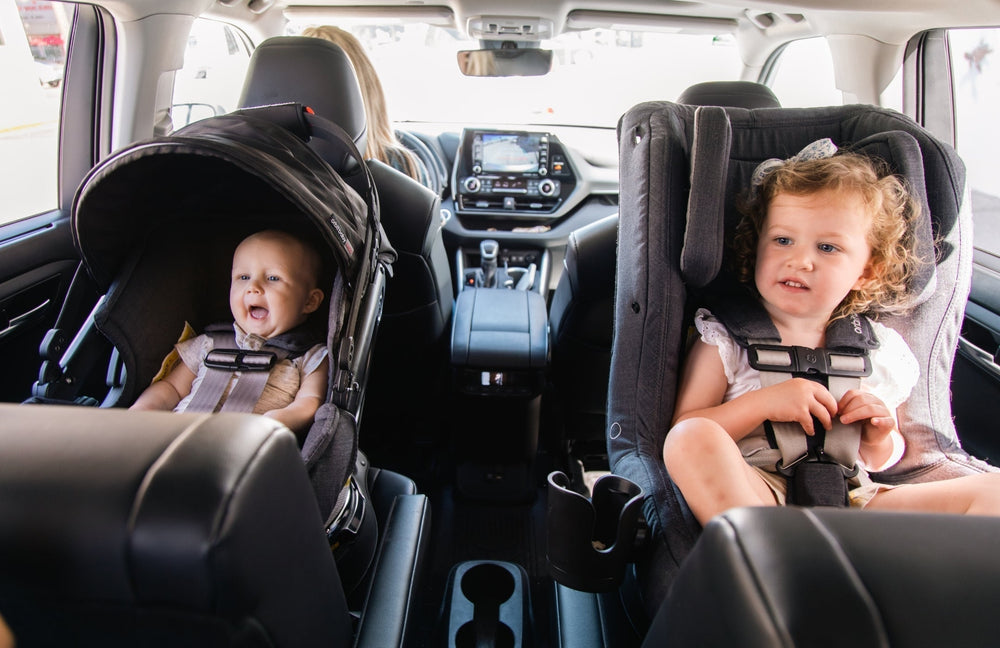
Wondering when your baby can safely face forward in their car seat? You’re not alone.
Every parent wants to keep their little one safe while making travel easier and more comfortable. But knowing the right time to switch your baby’s car seat direction isn’t always clear. Keep reading, because understanding this crucial step can protect your child and give you peace of mind every time you hit the road.
Recommended Age For Front Facing
Choosing the right time to turn your baby’s car seat to face forward is important. It ensures your child’s safety during every trip. The recommended age depends on expert advice, laws, and your baby’s growth. Knowing these factors helps parents make the best decision.
Guidelines By Pediatric Experts
Pediatricians suggest keeping babies rear-facing as long as possible. Most recommend at least until age 2. Rear-facing seats protect the head, neck, and spine better in crashes. Some children may stay rear-facing until they outgrow the car seat’s height or weight limits. Always check the seat’s manual and follow expert advice.
Legal Requirements By Region
Car seat laws differ by country and state. Many places require children to remain rear-facing until age 2. Some regions allow forward-facing after 1 year but with strict weight limits. Parents should check local laws to avoid fines and keep children safe. Knowing legal rules ensures compliance and proper protection.
Developmental Milestones To Consider
Physical growth affects when to switch to front-facing. Your child needs good head and neck control. Sitting up well without support is a key sign. Weight and height also matter. Most front-facing seats have minimum limits. Watch for these milestones before changing the seat direction.
Credit: www.usafawol.com
Risks Of Early Front Facing
Turning a baby to face forward in a car seat too early can be risky. Babies’ bodies are not ready for the forces in a crash when facing forward. Their necks and spines are still fragile and need support. Following safety guidelines helps protect babies from serious injury.
Injury Statistics And Studies
Studies show babies in rear-facing seats have fewer injuries. The risk of severe head and chest injuries drops by 75% when rear-facing. Data from crash tests reveals forward-facing babies have a higher chance of trauma. Experts recommend keeping children rear-facing until at least age two.
Impact On Neck And Spine
A baby’s neck muscles and bones are weak. Facing forward exposes the neck to strong forces during a crash. The spine may bend unnaturally, causing damage. Rear-facing seats spread crash forces over the back and head. This reduces strain on the neck and spine significantly.
Common Accident Scenarios
- Frontal collisions push the baby forward quickly.
- Side crashes hit the head and neck directly.
- Sudden stops cause the baby’s head to snap forward.
- Improper seat installation increases injury risk.
Rear-facing seats protect babies in these common crashes. Facing forward too soon leaves babies vulnerable to serious harm.
Choosing The Right Car Seat
Choosing the right car seat is crucial for your baby’s safety and comfort during every ride. It’s not just about picking the newest model but understanding what fits your child’s current needs and growth stages. The right seat supports your baby’s development while keeping them secure on the road.
Rear-facing Vs Front-facing Seats
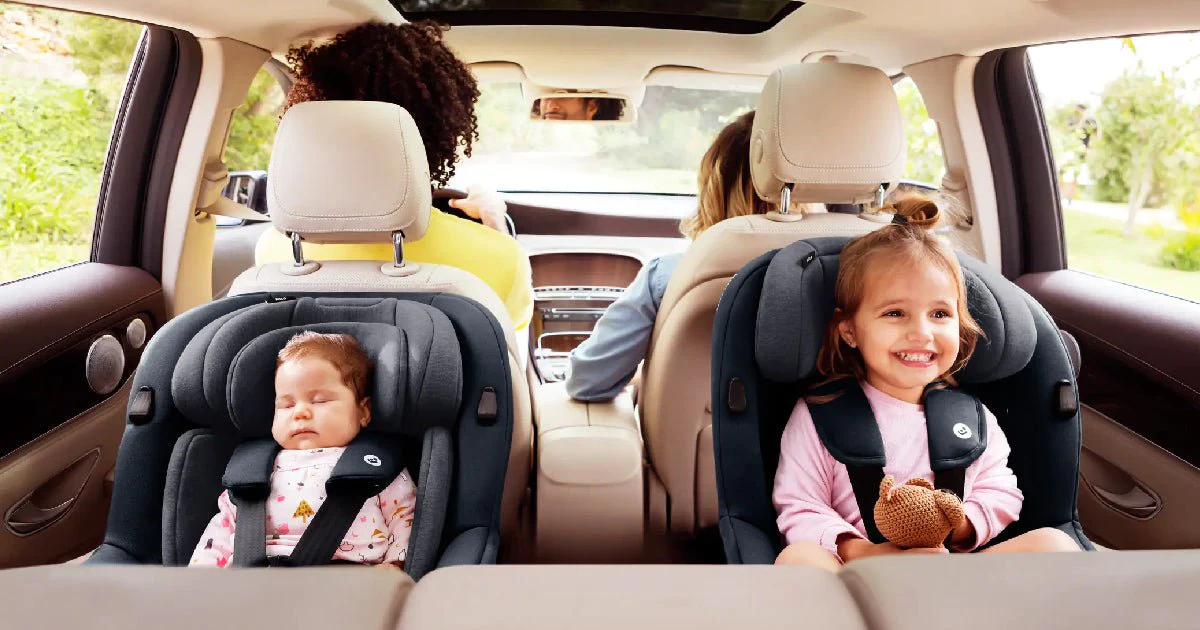
Rear-facing seats provide the best protection for infants and toddlers because they support the head, neck, and spine in a crash. Experts recommend keeping your child rear-facing as long as possible, usually until at least age 2 or until they hit the seat’s height or weight limits.
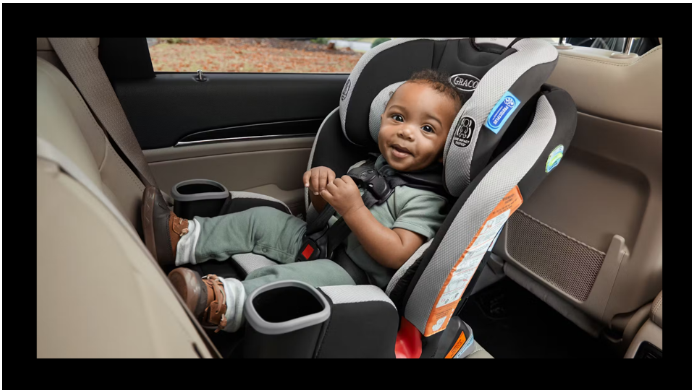
Front-facing seats are designed for older toddlers and preschoolers who have outgrown rear-facing requirements. But switching too early can increase the risk of injury. Ask yourself: Is your child physically ready for the switch, or are you rushing because it’s more convenient?
Convertible Car Seats
Convertible car seats offer flexibility by serving as both rear-facing and front-facing seats. This means you can use the same seat as your child grows, which can save money and hassle.
When choosing a convertible seat, check how easy it is to switch between modes and whether it fits well in your vehicle. My experience showed that some models are bulky and hard to install, which can lead to incorrect use.
Weight And Height Limits
Every car seat has specific weight and height limits for both rear-facing and front-facing positions. These limits are key to knowing when your baby can safely face forward.
Always refer to the manufacturer’s guidelines and measure your child regularly. A simple tape measure can prevent premature transitions that may compromise safety. Have you checked your child’s height and weight against the car seat manual recently?
Transitioning Safely To Front Facing
Transitioning your baby to a front-facing car seat is a big step. It requires care and attention to keep your child safe during every car ride. Knowing the right time and how to make the switch helps protect your baby’s growing body.
Safety experts suggest keeping babies rear-facing as long as possible. This position offers better support for the head, neck, and spine in case of sudden stops or crashes. When your baby meets certain milestones, you can consider turning the seat forward.
Signs Your Baby Is Ready
- Your baby has reached the car seat’s maximum rear-facing weight or height limit.
- Your child can sit up well without support.
- Your baby’s head stays steady and does not flop forward.
- Your child shows good neck and head control.
These signs mean your baby’s body can handle front-facing safely.
How To Adjust The Car Seat
- Check the car seat manual for front-facing instructions.
- Turn the seat to face the front of the car.
- Secure the seat tightly using the car’s seat belt or LATCH system.
- Adjust the recline angle to keep your child comfortable and upright.
Proper installation reduces risks and keeps the seat stable during travel.
Proper Harnessing Techniques
- Place the harness straps at or above your child’s shoulders.
- Ensure the harness fits snugly without twists.
- Use the chest clip at armpit level for best restraint.
- Check that you cannot pinch any slack in the harness.
A secure harness protects your baby from injury in a crash.
Additional Safety Tips
Ensuring your baby’s safety in a car seat goes beyond just knowing when to turn them front-facing. Paying attention to additional safety measures can make a significant difference in protecting your little one. These tips help you create the safest environment possible while traveling.
Positioning In The Vehicle
Always place the car seat in the back seat of your vehicle. This position offers the best protection in case of a crash. If your car has a middle back seat, that’s often the safest spot because it’s farthest from any point of impact.
Make sure the car seat is installed tightly. It shouldn’t move more than an inch side to side or front to back. You can test this by grabbing the base near the belt path and giving it a firm shake.
Avoiding Common Mistakes
Many parents make simple errors that can reduce the car seat’s effectiveness. One common mistake is leaving the chest clip too low. It should rest at armpit level to keep the harness straps positioned correctly.
Another mistake is dressing your baby in bulky coats or blankets before strapping them in. This can create slack in the harness, making it less secure. Instead, dress your child in thinner layers and cover them with a blanket after buckling up.
Regular Seat Inspections
Check your car seat regularly for wear and tear. Look at the harness straps for fraying and the buckles to ensure they latch and unlatch properly. If you notice any damage, it’s time to replace the seat or parts.
Also, verify the expiration date of your car seat. Older seats may not meet current safety standards or could have weakened materials. Do you know how old your car seat is? Checking this can save you from unexpected risks.
Credit: v2v-logistics.com
Resources For Parents
When you’re navigating the world of parenting, understanding when your baby can safely switch to a front-facing car seat can feel overwhelming. Thankfully, there are abundant resources available to guide you. From expert advice to community support, you can find the help you need to make informed decisions.
Safety Organizations And Websites
Turn to established safety organizations for trustworthy information. Websites like the American Academy of Pediatrics (AAP) offer detailed guidelines on car seat safety. You can also explore the National Highway Traffic Safety Administration (NHTSA) site, which provides user-friendly tools and videos.
These resources often update their recommendations, so it’s worth bookmarking them. Have you checked out their latest advice?
Professional Car Seat Checks
Did you know that many local fire stations and police departments offer free car seat checks? Certified technicians can ensure your seat is installed correctly. It’s a quick, easy way to gain peace of mind.
Consider scheduling a check before your child transitions to a front-facing seat. It’s always better to be safe than sorry, right?
Community Support Groups
Parenting forums and local community groups can be invaluable. Sharing experiences with other parents can provide practical insights you might not find elsewhere. Have you ever learned something unexpected from another parent’s story?
These groups often host events or discussions about car seat safety. They can be a great way to learn and connect with others on the same journey.

Credit: www.thule.com
Frequently Asked Questions
When Is The Right Age To Front Face In A Car Seat?
Babies should face forward after they reach at least 2 years old. They must meet height and weight limits for safety. Always follow your car seat manufacturer’s guidelines and local laws.
What Weight Should Baby Be To Face Forward?
Most car seats allow front-facing when babies weigh between 20 to 30 pounds. Check your specific seat’s instructions for exact weight limits before switching positions.
Can Premature Babies Face Forward Earlier?
No, premature babies should remain rear-facing until they meet age, weight, and height recommendations. Rear-facing offers better head and neck protection.
Is It Safe To Front Face Before 2 Years Old?
Experts recommend keeping babies rear-facing until at least 2 years old. Rear-facing reduces injury risk by supporting the head, neck, and spine in crashes.
Conclusion
Babies should face forward only when they reach the right age and weight. Always check your car seat’s manual for specific rules. Keeping your child rear-facing longer helps protect their head and neck. Safety is the top priority on every trip.
Remember, every child grows differently, so watch for signs they are ready. Staying informed helps you make the best choice. Your careful decisions keep your baby safe and comfortable.