
Are you wondering when it’s safe for your baby to face forward in their car seat? You want to keep your little one as safe as possible, but it’s confusing to know the right time to make this switch.
Turning your baby forward too soon can be risky, but waiting too long might feel uncomfortable for both of you. This guide will help you understand exactly when and why you should turn your baby to face forward, so you can feel confident every time you buckle them in.
Keep reading to learn the key signs and expert tips that protect your child on every ride.

Credit: orbitbaby.com
Rear-facing Vs Forward-facing Seats
Choosing between rear-facing and forward-facing car seats is crucial for your baby’s safety. The position of the seat affects how well it protects your child during a car ride. Understanding the differences helps you make the best decision.
Safety Benefits Of Rear-facing
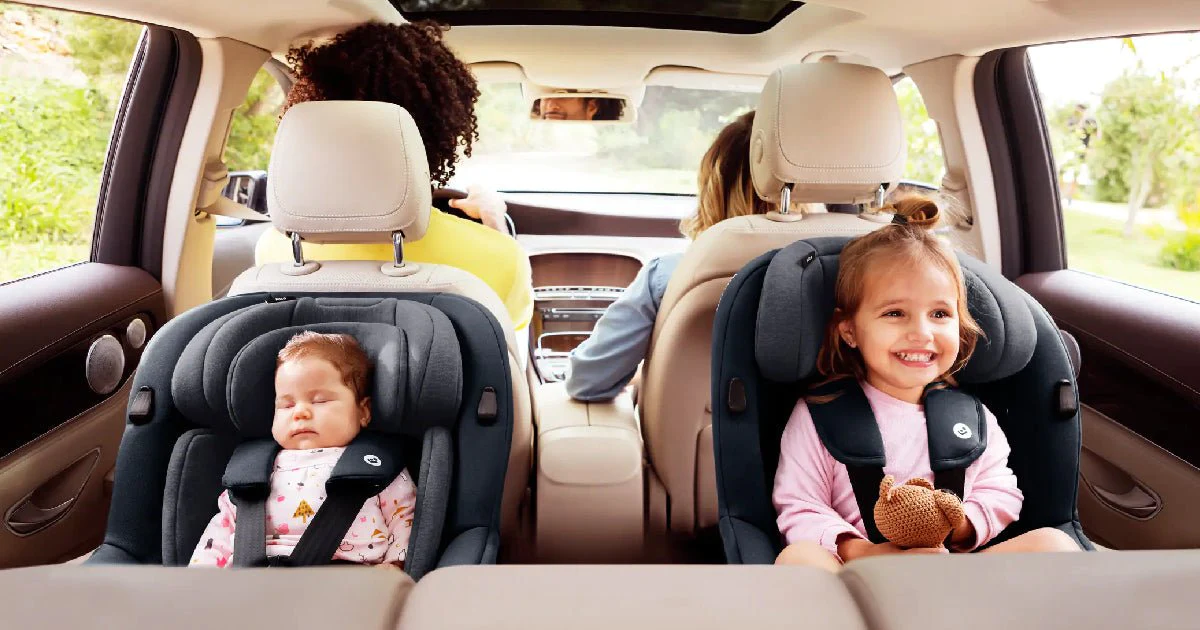
Rear-facing seats support your baby’s head, neck, and spine better. In a crash, the seat spreads the force across the entire body. This reduces the risk of serious injuries.
Babies have weaker neck muscles. Rear-facing seats help keep their heads from snapping forward. Many safety experts recommend keeping children rear-facing for as long as possible.
When To Switch Forward-facing
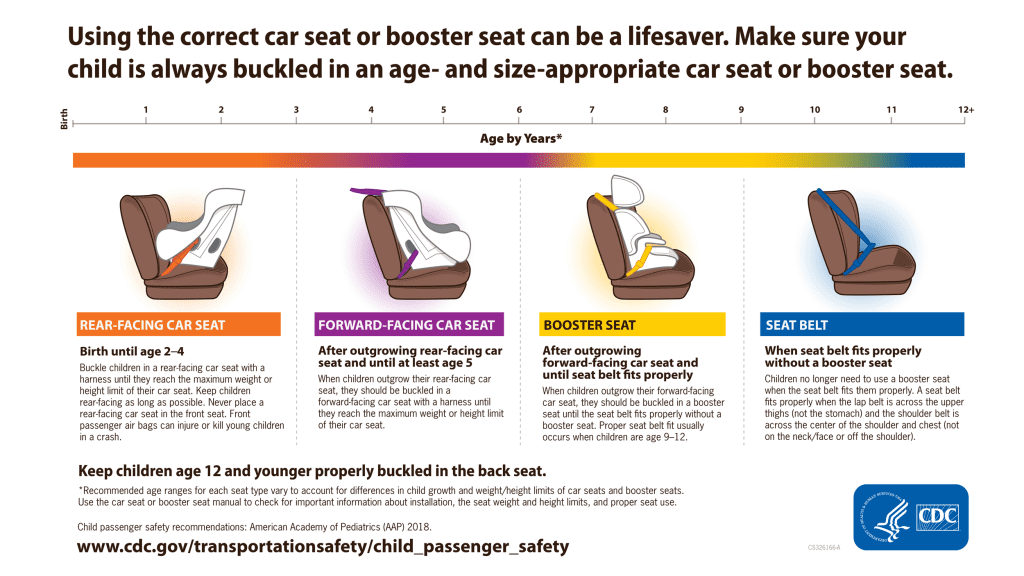
Switch your child to a forward-facing seat only after they outgrow the rear-facing limits. Check the car seat’s weight and height limits to decide.
Most children switch between 2 to 4 years old. Staying rear-facing longer offers more protection. Always follow the car seat manufacturer’s guidelines for the safest switch.
Age And Weight Guidelines
Understanding the age and weight guidelines for turning your baby forward in a car seat is crucial for their safety. Parents often wonder when exactly their little one is ready for this transition. Following the right guidelines helps prevent injuries and ensures comfort during every ride.
Recommended Age For Forward-facing
Experts typically recommend keeping your child rear-facing until at least 2 years old. This position offers better protection for the head, neck, and spine in case of a crash. Some parents might feel ready to switch earlier, but patience here can make a big difference in safety.
Have you noticed how quickly your baby grows and changes? It’s tempting to flip the seat forward as soon as they seem restless, but waiting until that 2-year mark or beyond can provide crucial protection. Always check your car seat’s manual for specific age recommendations, as some models support longer rear-facing use.
Weight And Height Limits
Beyond age, weight and height play a key role in deciding when to face your baby forward. Most forward-facing car seats support children weighing between 20 to 65 pounds. However, these numbers vary, so it’s important to check your seat’s limits carefully.
Height limits matter just as much. Your child should fit comfortably within the seat’s harness system, with the top of their head below the seat’s maximum height line. If your child outgrows these limits, it’s time to consider the next stage of car seats.
| Car Seat Position | Typical Weight Range | Typical Height Limit | Recommended Age |
|---|---|---|---|
| Rear-Facing | Up to 40-50 pounds | Up to 40 inches | Until at least 2 years old |
| Forward-Facing | 20-65 pounds | Up to 49 inches | 2 years and older |
Have you checked your car seat lately? Keep in mind that some children grow faster than others, so the best approach is to prioritize safety over convenience. Your child’s fit in the seat matters more than just hitting a specific age or weight number.
Car Seat Types And Features
Choosing the right car seat for your baby involves understanding the types and features that suit their age, size, and safety needs. Each car seat offers different benefits, especially when deciding the right time to face your baby forward. Knowing the details can help you make a confident decision that prioritizes your child’s comfort and protection.
Convertible Car Seats
Convertible car seats are popular because they grow with your child. They start as rear-facing seats for infants and then switch to forward-facing as your baby gets older and bigger. This flexibility means you don’t have to buy multiple seats, but it also means you need to pay attention to weight and height limits before turning your baby forward.
Many convertible seats have clear labels showing when it’s safe to switch directions. Often, babies can remain rear-facing until they are 2 years old or more, depending on their size. Have you checked your seat’s manual lately? It’s crucial because every model has different guidelines.
Harness Systems And Adjustments
The harness system is the heart of any car seat’s safety. It keeps your baby secure and properly positioned during the ride. Look for a seat with adjustable harness heights and multiple buckle positions—this ensures the harness fits snugly as your baby grows.
Some harnesses have easy-to-use adjustment features you can operate without rethreading straps. This saves time and reduces the risk of incorrect installation. Always aim for a harness that lies flat on your child’s chest and doesn’t twist, and make sure the straps are at or below the shoulders when rear-facing, and at or above when forward-facing.
Have you ever struggled with a complicated harness? A simple adjustment system can make daily use much easier, helping you keep your baby safe without the hassle.
Installation Tips For Forward-facing Seats
Installing a forward-facing car seat correctly is crucial for your child’s safety and comfort. You want to make sure the seat is stable and secure to protect your little one during every ride. Let’s look at key tips that help you install forward-facing seats the right way.
Securing The Car Seat Properly
Start by placing the car seat firmly on your vehicle’s seat. Use either the seat belt or the LATCH system, but never both at the same time unless the car seat manual allows it.
Pull the belt or LATCH strap tight to remove any slack. A loose installation can cause excessive movement, which is dangerous during sudden stops.
Check for movement by trying to wiggle the seat at the base. If it moves more than an inch side to side or front to back, tighten the belt or straps again.
Using The Top Tether Anchor
The top tether is an essential safety feature designed to prevent the car seat from tipping forward in a crash. Always connect the tether strap to the anchor point behind your vehicle’s seat.
Make sure the tether strap is pulled tight and not twisted. This simple step can significantly reduce head movement and potential injury.
Wondering where the tether anchor is? It’s often found on the back of the vehicle’s seat, the shelf behind the rear seats, or the floor of the cargo area. Check your vehicle’s manual if you’re unsure.
Common Mistakes To Avoid
Ensuring your child’s safety in the car is crucial. Many parents make common mistakes when transitioning their baby to a forward-facing car seat. Understanding these errors can help you keep your child safe and secure.
Switching Too Early
Many parents switch to a forward-facing seat too soon. Safety experts recommend keeping children rear-facing until at least age two. This position better protects the head, neck, and spine. Check the car seat manufacturer’s weight and height limits. Ensure your child meets them before making the switch.
Incorrect Harness Fit
An improperly fitted harness can jeopardize your child’s safety. Ensure the harness is snug and secure. The straps should lie flat and not twist. Place the chest clip at armpit level. This keeps the harness in the correct position during a crash. Regularly check and adjust the harness as your child grows.
Legal Requirements And Recommendations
Understanding the legal requirements and safety recommendations for when your baby can face forward in a car seat is crucial for every parent. These rules are designed to protect your child from injury during car rides. Knowing what the law says and what experts advise can help you make the best decision for your baby’s safety.
State Laws On Car Seat Orientation
Every state in the U.S. has its own laws about when a child can be turned to face forward in a car seat. Most states require children to remain in a rear-facing seat until at least 2 years old. Some states have stricter rules that depend on the child’s weight and height as well.
For example, in California, children under 2 must ride rear-facing unless they weigh 40 pounds or more. Meanwhile, Texas law states children should stay rear-facing until they outgrow their car seat’s limits, which could be longer than just age-based rules. You should check your state’s specific laws to avoid fines and, more importantly, keep your child safe.
Guidelines From Safety Organizations
Safety groups like the American Academy of Pediatrics (AAP) strongly recommend keeping your baby rear-facing as long as possible. The AAP suggests children remain rear-facing until at least age 2 or until they reach the highest weight or height allowed by their car seat.
Why do experts insist on this? Rear-facing seats better support a child’s head, neck, and spine during a crash. The impact is spread over the entire body rather than concentrated on vulnerable areas, reducing the risk of serious injuries.
Have you thought about how following these guidelines might save your child from harm? Many parents share stories of how rear-facing seats protected their children during accidents. Your choice to follow these recommendations could make a life-changing difference.
Signs Your Baby Is Ready To Face Forward
Knowing when your baby is ready to face forward in their car seat is crucial for their safety and comfort. While age and weight guidelines offer general advice, watching your baby’s individual signs gives you a clearer picture. These signs show that your little one is physically and behaviorally prepared for the change.
Physical Development Indicators
Your baby’s body needs to be strong enough to handle the face-forward position. Look for good head and neck control — if your baby can hold their head steady without support, that’s a strong sign. Many babies develop this between 6 to 9 months, but every child is different.
Check if your baby can sit up with minimal help. Sitting upright helps ensure they’ll be safely positioned in the car seat. Also, pay attention to their weight and height; most car seat manufacturers have minimum requirements that must be met before turning forward.
Behavioral Clues
Sometimes your baby’s behavior tells you more than physical milestones. If your baby seems uncomfortable or cramped facing backward, they might be ready to switch. Do they frequently try to twist or turn their body? This restlessness can indicate a need for a new position.
Notice if your baby shows more interest in the world ahead — reaching out or watching things outside the car window. Such curiosity can be a sign they’re ready for a face-forward ride. Have you observed your baby’s reactions during car rides? Their mood can guide your decision too.
Credit: www.humboldt.ca
Additional Safety Tips
Check the car seat manual for weight and height limits before turning your baby forward. Ensure the harness fits snugly and the chest clip is at armpit level. Keep your child rear-facing as long as possible for better protection.
Ensuring your child’s safety in the car goes beyond just choosing the right car seat. It’s about creating a secure environment every time you hit the road. As your baby transitions to face forward in their car seat, additional safety measures become crucial. Let’s explore some practical tips to enhance your child’s safety during every journey.Regular Car Seat Checks
Routine checks are vital for your child’s safety. Make it a habit to inspect the car seat regularly. Look for signs of wear and tear that could compromise its integrity. Ensure the seat is securely installed and tightly fastened. A small misalignment can have significant consequences in an accident. Would you trust a flimsy seatbelt with your child’s life?Avoiding Loose Objects In The Vehicle
Loose objects in the car can turn into dangerous projectiles. Anything not secured can pose a risk in case of sudden stops or collisions. Keep toys, bags, and gadgets safely stored. This simple action can prevent potential injuries. Imagine a heavy book flying through the air—it’s not a scenario you want to face. By integrating these safety tips into your routine, you take proactive steps in safeguarding your child’s wellbeing on the road. Safety isn’t just about the seat; it’s about the entire environment you create.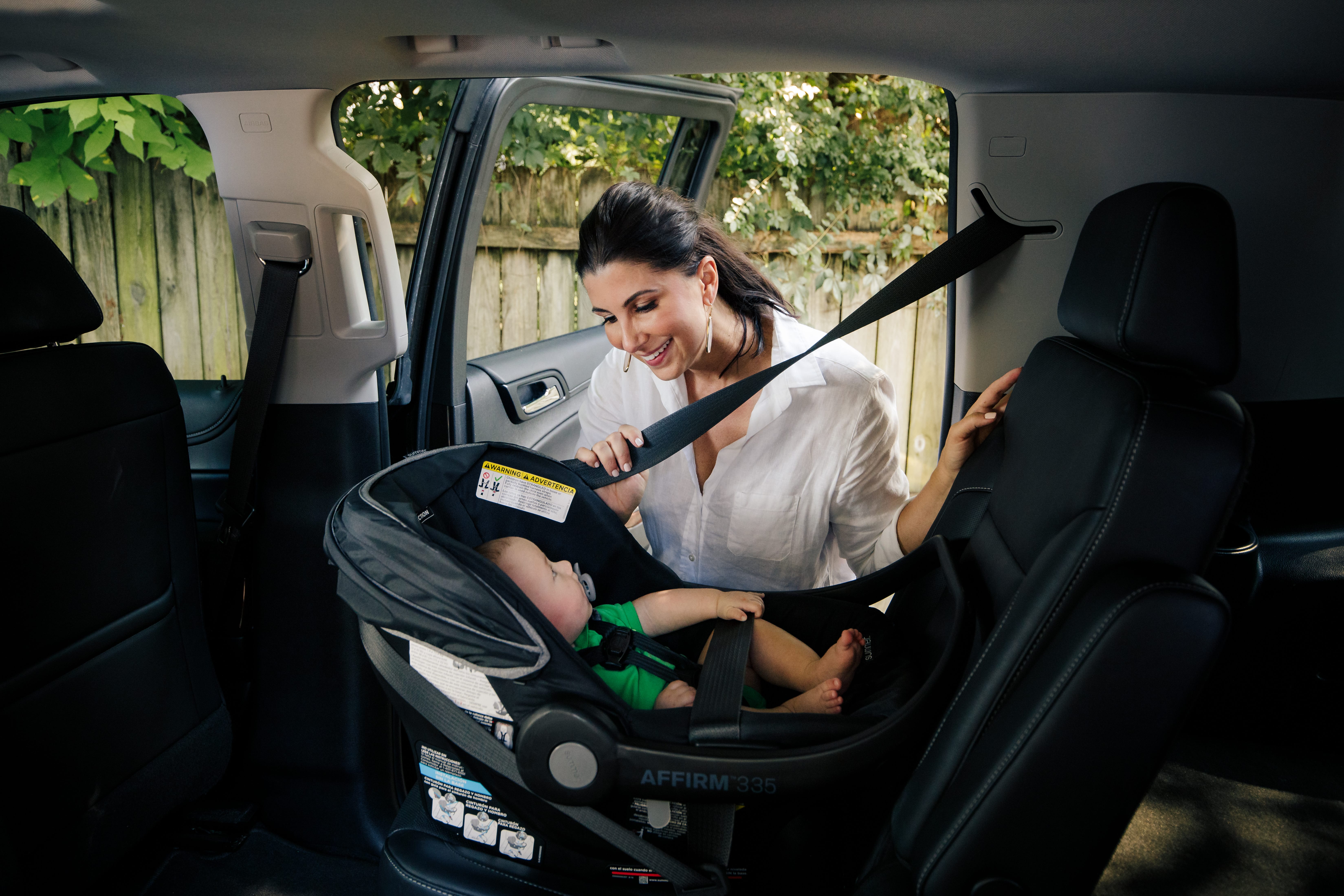
Credit: www.safeintheseat.com
Frequently Asked Questions
When Is It Safe For A Baby To Face Forward?
Babies can face forward in a car seat after reaching the minimum height and weight limits set by the seat’s manufacturer. Typically, this is around 2 years old. Keeping babies rear-facing longer is safer as it better protects their head and spine during a crash.
What Are The Height And Weight Limits For Forward-facing?
Most car seats require babies to be at least 20-22 pounds and 26-30 inches tall before facing forward. Always check your car seat’s manual for exact limits. Meeting these limits ensures the harness fits properly and the baby is secure.
Why Is Rear-facing Recommended Longer For Babies?
Rear-facing seats better protect a baby’s head, neck, and spine in a crash. It distributes crash forces more evenly across the body. Experts recommend keeping babies rear-facing until at least 2 years old for optimal safety.
Can Premature Babies Face Forward Earlier?
Premature babies should remain rear-facing until they meet the car seat’s height and weight limits, regardless of age. Their development might affect physical readiness, so following manufacturer guidelines is crucial for their safety.
Conclusion
Babies should stay rear-facing as long as possible for safety. Most experts suggest waiting until your child is at least two years old. Check your car seat’s height and weight limits before turning it forward. Always follow the car seat’s instructions carefully.
Keeping your baby rear-facing helps protect their head and neck. Safety comes first in every car ride. Trust the guidelines to keep your child safe on the road. Remember, every child grows at their own pace. Stay informed and make the best choice for your family.