

You want to keep your baby safe every time you hit the road. But when exactly is it okay to turn your baby’s car seat to face forward?
It’s a question every parent asks, and the answer isn’t always simple. Making the switch too soon can put your little one at risk, while waiting too long might feel inconvenient. You’ll discover the right time to make this important change, so you can feel confident and secure every time your baby rides with you.
Keep reading to learn the facts that can protect your child and give you peace of mind.
Rear Vs Front Facing Seats
Choosing between rear and front facing car seats is important for your baby’s safety. Each position offers different protection levels. Understanding when to use each can keep your child safer during travel.
Benefits Of Rear Facing
Rear facing seats support your baby’s head, neck, and spine better. In a crash, the seat absorbs the impact and spreads the force across the back. This reduces injury risks.
Babies have weak neck muscles. Rear facing protects these delicate areas by keeping them aligned with the body. It also helps prevent serious brain injuries.
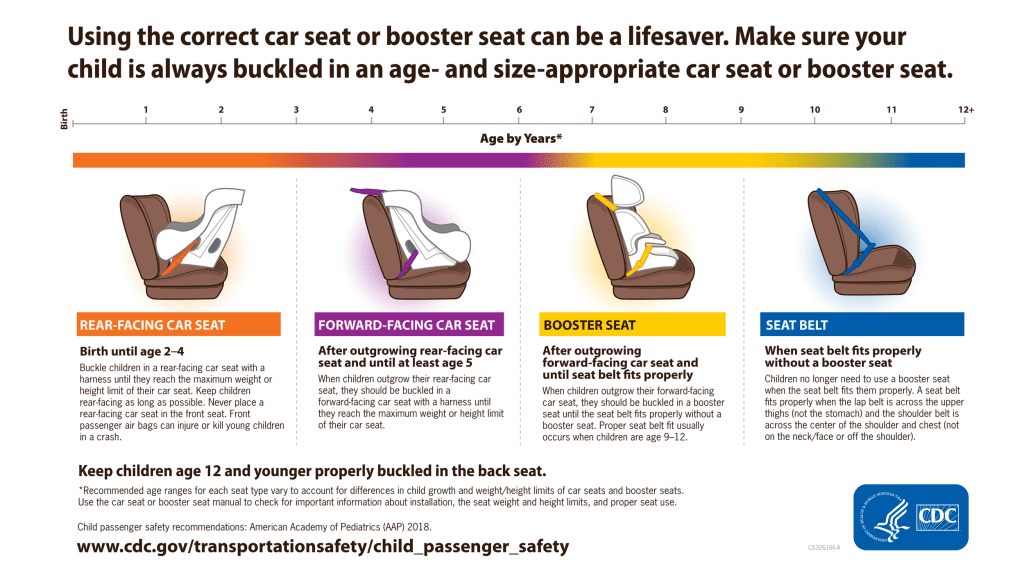
Experts recommend keeping children rear facing for as long as possible. Most car seats allow use up to 2 years or more in this position. This offers the best protection during early growth stages.
When To Switch Forward
Switch to a front facing seat only after reaching the car seat’s weight or height limit for rear facing. This is usually around 2 years old but varies by seat.
Look for signs that your child has outgrown the rear facing limits. Check both weight and height to be sure. Using a front facing seat too early increases injury risk.
Once switched, always use a harness and keep the seat in the back seat of the car. This is the safest spot for children under 13 years old.

Credit: www.2cleverinnovations.com
Age And Weight Guidelines
Knowing the right time to switch your baby to a front-facing car seat is crucial for their safety. Age and weight guidelines help you decide when this change is appropriate. These rules are based on the best practices recommended by safety experts and car seat manufacturers.
Recommended Age For Front Facing
Most safety experts recommend keeping your baby rear-facing until at least 2 years old. Some states even require children to stay rear-facing longer if possible. This is because rear-facing seats provide better support for your baby’s head, neck, and spine in a crash.
Have you checked your local laws? They might have specific age requirements that differ from general advice. Remember, age is just one part of the decision—you also need to consider your child’s size.
Weight And Height Limits
Car seats have specific weight and height limits that you must follow. Usually, a rear-facing seat can hold babies up to 40 pounds or more, depending on the model. Your child should remain rear-facing until they reach the upper weight or height limit of their seat.
Moving your child to a front-facing seat too early, even if they meet the age requirement, can increase injury risk. Check your car seat’s manual carefully for exact limits. It’s a good idea to measure your child regularly to know when they are ready to switch.
- Weight limits:Often between 20-40 pounds for rear-facing seats
- Height limits:Usually up to 40 inches, but varies by seat
- Front-facing seats:Typically start at 22-30 pounds minimum
Are you confident your child’s car seat matches their current size? Taking a moment to double-check can prevent unsafe transitions and keep your little one protected.
Car Seat Types For Front Facing
Choosing the right car seat for your child’s front-facing journey can feel overwhelming. Different types of seats offer various features and safety benefits. Understanding these options helps you decide when and how to make the switch safely.
Convertible Seats
Convertible seats are designed to grow with your child. They start as rear-facing seats and can be turned forward-facing when your child meets the height and weight limits. This flexibility means you don’t have to buy a new seat when it’s time to face forward.
Many parents find convertible seats convenient because they combine two stages in one product. You can keep your toddler rear-facing longer, which is safer, and then switch to front-facing without hassle. Have you checked your seat’s manual to confirm the exact limits for turning forward?
Combination Seats
Combination seats are another popular choice. These seats are forward-facing with a harness first and later convert to a booster seat without a harness. They are meant for children who are ready to face forward and can handle the harness restraints.
Using a combination seat means you get extended use of the seat as your child grows. It’s important to know that these seats do not convert back to rear-facing, so make sure your child is ready before making the switch. What signs will you watch for to know your child is prepared?

Credit: www.thule.com
Installation Tips For Front Facing Seats
Installing a front-facing car seat correctly is crucial to keep your little one safe on every trip. Even a small mistake can reduce the seat’s effectiveness during a sudden stop or crash. Paying close attention to how you position the harness and secure the seat can make all the difference.
Proper Harness Positioning
The harness should sit at or just above your child’s shoulders when the seat is front-facing. Adjust the straps so they lie flat without any twists. Tighten the harness until you cannot pinch any slack at the shoulder—this ensures your child won’t slip out or move too much during the ride.
Have you noticed how some parents leave the harness too loose? It might feel easier to buckle, but it puts your child at risk. Check the fit every time you install the seat because your child grows quickly, and the harness needs regular adjustment.
Securing The Seat Tightly
A front-facing car seat must not move more than one inch side to side or front to back at the belt path. Use either the vehicle’s seat belt or the LATCH system to secure the seat tightly. Make sure to lock the seat belt if you’re using it, so the car seat stays firmly in place.
Try giving the seat a firm shake after installation. If it shifts, tighten the straps or belt again. Imagine the impact in an emergency—would your child’s seat hold steady or wobble dangerously? Ensuring a snug fit every time protects your child better than any extra padding or accessories.
Common Mistakes To Avoid
Transitioning a baby to a front-facing car seat is a big step. Parents often make mistakes during this transition. These mistakes can affect a child’s safety. Knowing common errors helps keep your child safe. Below are some key mistakes to avoid.
Switching Too Early
Many parents turn the car seat too soon. The American Academy of Pediatrics advises waiting until age two. Some children should remain rear-facing longer. This depends on their size and weight. Early switching can increase injury risk. Always check the car seat’s weight and height limits. Follow guidelines to ensure safety.
Incorrect Harness Use
A harness keeps your child secure. Many parents adjust it improperly. Straps should be snug but not too tight. The chest clip should be at armpit level. Loose straps can cause harm during sudden stops. Regularly check the harness for wear and tear. Read the car seat manual for specific guidance.
Legal Requirements By Region
Knowing the legal requirements for when your baby can face forward in a car seat is crucial for their safety and your peace of mind. These rules vary widely by region, reflecting different safety research and cultural practices. Understanding these can help you avoid fines and, more importantly, keep your child protected during every trip.
Us Regulations
In the United States, the law generally requires children to ride rear-facing until at least 2 years old. However, many safety experts recommend keeping your baby rear-facing as long as possible, often until they exceed the car seat’s height or weight limits.
Each state enforces its own rules, but common guidelines include:
- Rear-facing until at least age 2 or until the car seat’s maximum rear-facing weight limit is reached.
- Forward-facing only when the child outgrows rear-facing limits.
- Use of a harness system until the child reaches a certain height or weight, often around 4 years old.
Have you checked your state’s specific laws? This simple step can save you headaches and ensure your baby rides legally and safely.
International Standards
Other countries set different age and size requirements for front-facing car seats. In much of Europe, laws often require children to remain rear-facing until age 4. Sweden stands out by recommending rear-facing seating until age 4 or even longer, based on strong safety data.
Here’s a quick look at some international rules:
| Country | Minimum Rear-Facing Age | Notes |
|---|---|---|
| Sweden | 4 years | Strong emphasis on rear-facing for safety |
| United Kingdom | 15 months | Rear-facing required until 15 months, then forward-facing allowed |
| Australia | 6 months to 1 year (varies by state) | Rear-facing recommended up to 1 year or longer |
Are you traveling internationally or moving to a new country? Knowing these differences can help you prepare and keep your child safe no matter where you go.
Additional Safety Measures
Ensuring your baby’s safety in a front-facing car seat goes beyond just the right seat choice. Additional safety measures help protect your child during every ride. These steps reduce injury risks and improve seat stability. Paying close attention to these details makes a big difference.
Using Tethers Correctly
Tethers are straps that anchor the car seat to your vehicle. Proper use of tethers limits seat movement during sudden stops or crashes. Always attach the tether to the correct anchor point in your car. Check the car manual to locate the right spot. Tighten the tether strap firmly without twisting it. This keeps the seat secure and reduces forward motion. Using the tether correctly helps protect your baby’s head and neck.
Regular Seat Inspections
Check the car seat regularly for wear and damage. Look for cracks, broken parts, or frayed straps. Ensure the harness buckles work smoothly and lock properly. Clean the seat as recommended to keep it in good condition. Regular inspections catch problems before they become dangerous. Replace any damaged parts immediately. A well-maintained seat offers the best protection for your child.
Credit: www.miocen.com
Frequently Asked Questions
When Is It Safe For A Baby To Face Forward?
Babies can face forward when they reach at least 2 years old and meet height and weight limits. Rear-facing is safest until then. Always follow your car seat’s specific guidelines for best protection.
What Are The Weight And Height Limits For Front-facing?
Most car seats allow front-facing once your child weighs around 20-22 pounds and is about 26 inches tall. Check your seat’s manual as limits vary by model and brand.
Why Keep Babies Rear-facing Longer?
Rear-facing seats protect a baby’s head, neck, and spine better during crashes. Experts recommend rear-facing until at least age 2 for optimal safety.
How To Transition From Rear To Front Facing?
Wait until your child meets age, weight, and height requirements. Secure the seat according to instructions and use the harness properly. Always double-check for snug fit and safety.
Conclusion
Babies should stay rear-facing as long as possible. Most experts say keep them rear-facing until age two. This position protects their head and neck better. Always check your car seat’s weight and height limits. Make sure the seat fits your child properly.
Safety comes first when choosing the right time. Parents can feel confident by following these simple rules. Safe travels start with the right car seat choice. Protect your little one on every ride.