
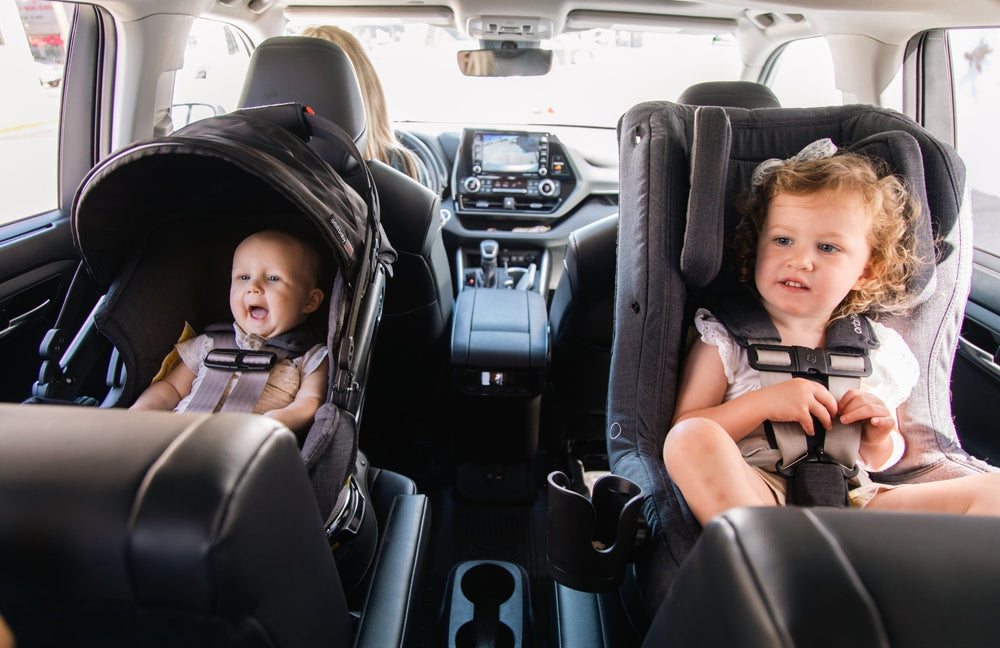
You want to keep your baby safe while on the road, but you might be wondering: When can babies face forward in the car? It’s a question every parent or caregiver asks.
The answer is more important than you think because it can affect your child’s safety in a big way. You’ll discover the right time to switch your baby’s car seat to face forward, what experts recommend, and how to make the transition smooth and safe.
Keep reading to protect your little one every time you drive.
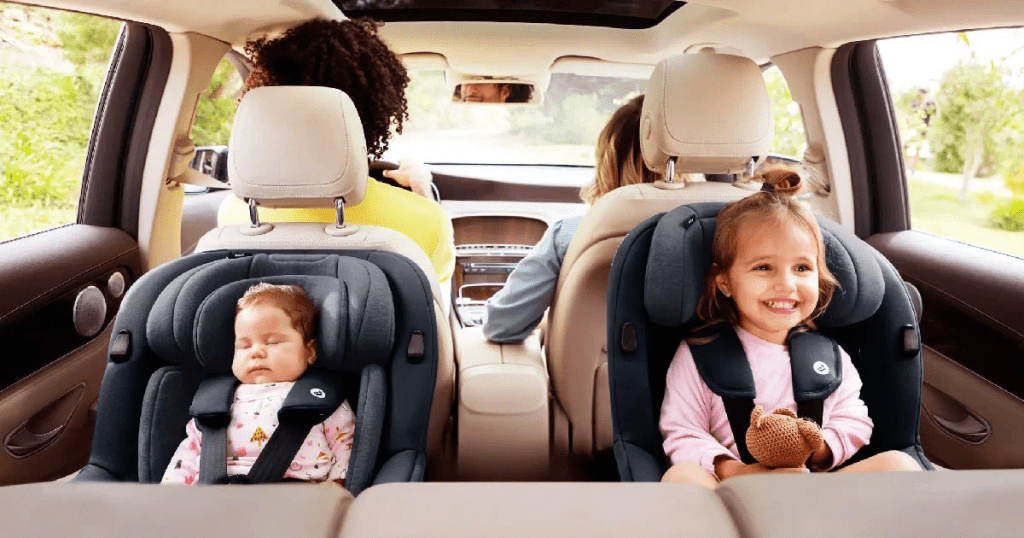
Credit: joec.dk
Rear-facing Benefits
Choosing to keep your baby rear-facing in the car is more than just a recommendation; it’s a critical safety decision. Rear-facing car seats provide unique benefits that protect your little one in ways forward-facing seats simply cannot. Understanding these benefits can help you feel confident about when to switch your baby’s seat position.
Why Rear-facing Is Safer
Rear-facing seats distribute the force of a crash across the entire back, neck, and head. This means the impact energy is absorbed more evenly, reducing stress on any one part of your baby’s body.
Research shows that children in rear-facing seats are up to 75% less likely to suffer serious injuries in a crash. Think about it: your baby’s head is proportionally larger and heavier than an adult’s, so protecting the neck is crucial.
Have you ever noticed how fragile newborns look? Their bodies are still developing, so any sudden forward movement can cause significant harm. Rear-facing seats act like a protective shell, cradling your baby safely.
Impact On Baby’s Neck And Spine
Your baby’s neck muscles and spine are very delicate during the first years. When facing forward, a sudden stop can snap their head forward, putting excessive pressure on these fragile areas.
By staying rear-facing, your child’s head, neck, and spine move together as one unit, which significantly lowers the risk of injury. This is especially important because babies have softer bones and less muscle control to protect themselves.
Imagine the difference between a gentle rocking motion and a harsh jolt—rear-facing seats help to soften that jolt. Keeping your baby rear-facing until they outgrow the height or weight limit of the seat is a smart choice that prioritizes their growing body’s needs.
Age And Weight Guidelines
Understanding the age and weight guidelines for turning your baby’s car seat forward is key to their safety. These rules ensure your child stays protected during every trip. Every child grows at their own pace, but following these guidelines helps you know the right time to switch.
Recommended Age For Facing Forward
Experts suggest keeping babies rear-facing until at least 2 years old. Rear-facing seats protect their head, neck, and spine better. Some states have laws requiring rear-facing until age 2 or longer. Waiting until your child reaches this age reduces injury risks in crashes.
Weight And Height Limits
Car seats have specific weight and height limits for forward-facing use. Typically, children should weigh at least 20 pounds before facing forward. Height limits vary, but many seats allow forward-facing up to 40 inches tall.
Check your car seat manual for exact numbers. Exceeding these limits too soon can increase injury risks. Many parents keep their child rear-facing as long as possible within these limits for added safety.
Car Seat Types
Choosing the right car seat is important for your baby’s safety. Different types of car seats offer various features and stages of use. Understanding these types helps you decide when your baby can face forward. Each car seat type has specific weight and height limits for turning your child forward.
Convertible Car Seats
Convertible car seats are popular because they grow with your child. They start as rear-facing seats for infants. This position protects the baby’s head and neck better. When the child reaches the car seat’s weight or height limit, you can turn it forward.
Most convertible seats allow children to face forward at about 2 years old. Some children may need to stay rear-facing longer. Check the car seat manual for exact limits. Rear-facing is safer for toddlers. Convertible seats offer a good mix of safety and convenience.
All-in-one Car Seats
All-in-one car seats combine several stages in one seat. They can be used as rear-facing seats for infants. Then, they convert to forward-facing seats for toddlers. Later, they can become booster seats for older children.
These seats often support rear-facing use until 40 pounds or more. After reaching the rear-facing limit, switch the seat to forward-facing. All-in-one seats save money by lasting longer than other types. They are a flexible option for many families.
Safety Standards To Check
Ensuring your baby’s safety during car rides means paying close attention to specific safety standards. These standards help you determine when it’s truly safe to switch your baby to face forward in the car seat. Knowing what to look for keeps your little one protected and gives you peace of mind.
Certification Labels
Always check for certification labels on the car seat before making any changes. Look for labels that indicate the seat meets national safety standards, such as FMVSS 213 in the United States. These labels confirm the seat has passed rigorous crash tests and safety requirements.
Don’t assume all car seats are the same. Some might look good but lack proper certification. If you don’t see a clear certification label, it’s better to choose a different seat to keep your child safe.
Expiration Dates
Car seats don’t last forever. They come with expiration dates printed on a label or molded into the plastic. Using a seat past its expiration date can be risky because materials may weaken over time.
Imagine relying on a seat that could fail in an accident because it’s too old. That’s why you should always check the expiration date before switching your baby to face forward. If the seat is expired, it’s time to replace it with a new one that meets current safety standards.
Proper Installation Tips
Babies should stay rear-facing until they reach the car seat’s height or weight limit. Turning forward too soon can increase injury risk. Always check your car seat manual for proper installation and safety guidelines.
Proper installation of a car seat is crucial for your baby’s safety. Many parents worry about when their babies can face forward. But before that, ensuring the car seat is installed correctly is key. Here are some tips to help.Securing The Car Seat
Ensure the car seat is tightly secured. Use either the seat belt or the LATCH system. Check your vehicle’s manual for guidance. The car seat should not move more than an inch. Test this by shaking it at the base. A secure seat provides better protection.Harness Adjustments
Adjust the harness to fit snugly. Make sure the straps are at or below your baby’s shoulders. The chest clip should be at armpit level. Do the pinch test on the straps. You shouldn’t be able to pinch any excess webbing. Proper adjustments ensure your baby’s safety in the seat.
Credit: incarsafetycentre.co.uk
Signs Baby Is Ready
Knowing when your baby is ready to face forward in the car seat is crucial for their safety. It’s not just about age or weight but also about key signs your baby shows that indicate readiness. Paying close attention to these signs helps you make the best decision for your child’s comfort and protection.
Physical Development
Your baby’s physical growth plays a big role in determining when they can safely face forward.
- Head and Neck Control:Your baby should be able to hold their head steady without support. This shows their neck muscles are strong enough to handle the different forces in a forward-facing seat.
- Upper Body Strength:Look for the ability to sit up independently. This indicates good trunk stability, which is necessary for facing forward safely.
- Weight and Height Limits:Check your car seat’s manufacturer guidelines. Babies usually transition after reaching the minimum weight and height, but physical readiness is just as important.
Think about how your baby reacts when you sit them upright during playtime. Do they struggle to keep their head steady, or do they sit confidently? That’s a simple way to gauge physical readiness at home.
Behavioral Cues
Besides physical signs, your baby’s behavior can hint at their readiness for facing forward.
- Discomfort in Rear-Facing Position:If your baby frequently fusses or seems uncomfortable facing backward, it might be time to consider the switch.
- Curiosity and Alertness:Babies who want to see more of the world around them and often try to turn their heads to look forward may be signaling readiness.
- Longer Tolerance for Sitting Up:Notice if your baby can sit quietly and happily in an upright position for longer periods during daily activities.
Have you noticed your baby getting restless or cranky in their rear-facing seat? This can be a clue that they are ready to face forward, but always match this with physical readiness for safety.
Common Mistakes To Avoid
Knowing when to switch your baby to a forward-facing car seat is important, but avoiding common mistakes is just as critical for their safety. Many parents rush this transition or overlook key details that keep their child secure. Understanding these errors can help you protect your little one better and give you peace of mind on every trip.
Premature Forward Facing
One of the biggest mistakes is turning your baby forward-facing too early. Experts recommend keeping your child rear-facing until at least 2 years old or until they reach the car seat’s height and weight limits. Rear-facing offers better support for your baby’s head, neck, and spine in a crash.
Have you checked your car seat manual lately? It’s easy to underestimate how fast your child is growing and switch too soon. Remember, just because your toddler can sit up well doesn’t mean they’re ready to face forward safely.
Loose Straps And Incorrect Positioning
Even if your child is in the right seat, loose straps or wrong positioning can put them at risk. Straps should be snug enough that you cannot pinch any slack at the shoulder. A loose harness won’t hold your baby securely during sudden stops or accidents.
Check where the straps lie on your child’s body. They should be at or just above the shoulders when forward-facing. Also, make sure the chest clip is at armpit level — too low or too high reduces effectiveness.
- Double-check harness tightness every trip
- Adjust straps as your child grows
- Ensure the car seat is installed at the correct recline angle
Have you ever felt unsure if your child’s harness was tight enough? Taking a moment to test it can make a huge difference in their safety.
Additional Safety Measures
Car seats should be properly installed and tightly secured. Always follow the manufacturer’s instructions for added protection. Use harness straps snugly to keep your baby safe during travel.
Ensuring your little one is safe in the car goes beyond just the correct installation of a car seat. Additional safety measures are crucial to keep them secure during every ride. Implementing these strategies can provide peace of mind while fostering a safer environment for your child.Back Seat Positioning
Placing your baby in the back seat isn’t just a recommendation—it’s a lifesaver. The back seat is typically the safest spot, away from the impact zones during a collision. Have you ever noticed that most crashes affect the front of the vehicle? By positioning your child in the back, you minimize their risk of injury. Make sure the car seat is in the middle of the back seat if possible. This central position offers the most protection. It’s like surrounding them with a cushion of safety.Using Booster Seats
Graduating to a booster seat is an exciting milestone. But it’s essential to ensure your child is ready. Booster seats are designed to elevate your child so that the car’s seatbelt fits properly. Check if the seatbelt lies flat across your child’s chest and shoulders, not their neck. A loose or poorly positioned seatbelt can cause harm in a crash. Remember, the right fit could be the difference between safety and injury. Regularly inspect your booster seat for wear and tear. A small crack or frayed strap may compromise its effectiveness. Would you want to take that chance? Always prioritize regular checks for peace of mind.
Credit: findforbaby.com
Frequently Asked Questions
When Is It Safe For Babies To Face Forward In Cars?
Babies can face forward after reaching at least 2 years old. They should meet the car seat’s height and weight limits first. Rear-facing seats offer better protection for infants and toddlers in crashes.
Why Is Rear-facing Better For Babies In Cars?
Rear-facing car seats support a baby’s head, neck, and spine during a crash. This position reduces injury risk. Experts recommend keeping children rear-facing as long as possible within car seat limits.
What Car Seat Should I Use For Forward-facing Babies?
Use a forward-facing car seat with a harness system. It must fit your child’s size and weight. Ensure it meets current safety standards for optimal protection.
Can Premature Babies Face Forward Earlier In Cars?
No, premature babies should remain rear-facing until they meet age, weight, and height guidelines. This position provides the safest support for their delicate bodies.
Conclusion
Babies should face forward only when they are ready. Most experts say wait until your child is at least two years old. Check your car seat manual for weight and height limits. Keep your baby rear-facing as long as possible.
This position protects their head and neck better in crashes. Always follow safety rules to keep your child safe on every trip. Remember, safety comes first when choosing car seat direction. Stay informed and cautious to protect your little one.