
Are you wondering when it’s safe for your baby to face forward in their car seat? You want to keep your little one safe, but it can be confusing to know the right time to make the switch.
Making this decision too early can put your baby at risk, while waiting too long might feel inconvenient. You’ll discover clear, simple guidelines to help you protect your child every time you hit the road. Keep reading to learn exactly when your baby can face forward—and how to do it safely.
Credit: greensafaris.com
Rear-facing Vs Forward-facing Seats
Choosing between rear-facing and forward-facing car seats is crucial for your baby’s safety. Each type offers different levels of protection based on your child’s age, weight, and development. Understanding these differences helps you make the best choice for your little one’s travel safety.
Benefits Of Rear-facing Seats
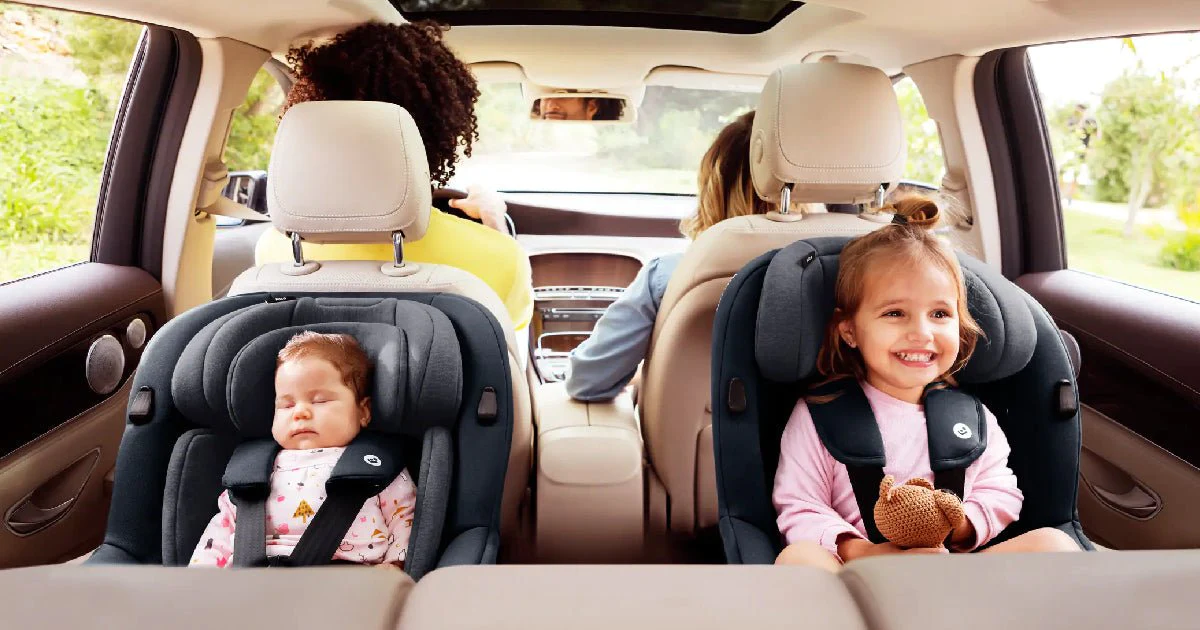
Rear-facing seats support your baby’s head, neck, and spine during a crash. They spread the force of impact over the entire body. This reduces the risk of serious injury. Babies’ bones and muscles are still soft, so rear-facing seats provide better protection. Experts recommend keeping babies rear-facing as long as possible.
Risks Of Early Forward-facing
Facing forward too soon can increase the chance of injury in a crash. The child’s head and neck are vulnerable because of weak muscles. Forward-facing seats do not absorb crash forces as well for young children. Early forward-facing may lead to severe neck and spinal injuries. It is safer to wait until your child meets size and age limits.
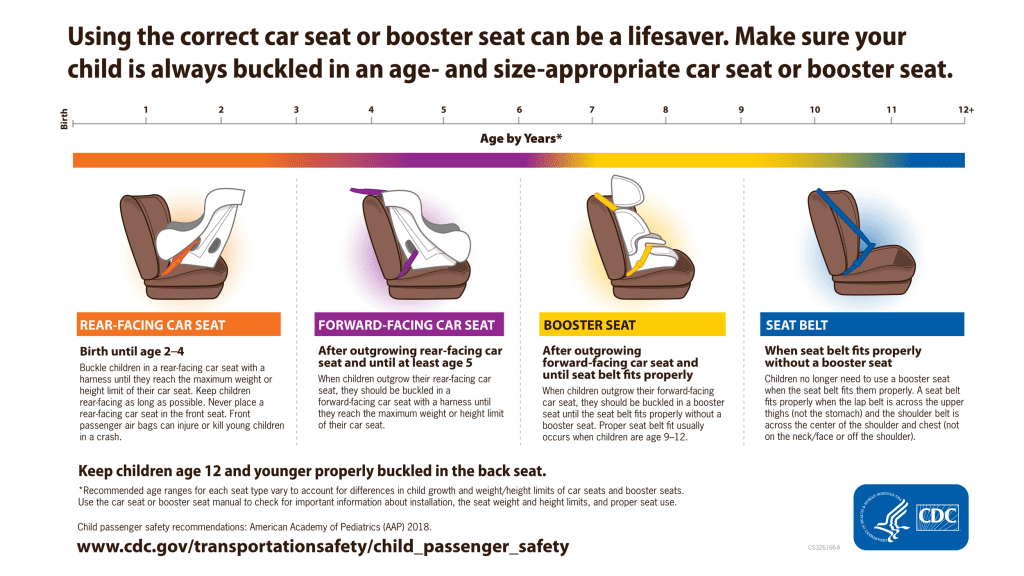
Recommended Age And Weight Limits
- Keep babies rear-facing until at least 2 years old.
- Follow the car seat manufacturer’s weight and height limits.
- Some seats allow rear-facing up to 40 pounds or more.
- Switch to forward-facing only when your child outgrows rear-facing limits.
Always check your car seat manual and local laws for specific rules.
Safety Guidelines For Forward-facing
Switching your baby to a forward-facing car seat is a big step, but safety should always guide your decision. Ensuring that the seat is installed correctly and that your child is properly secured can make all the difference during a ride. Let’s focus on key safety guidelines that help keep your little one safe and comfortable when facing forward.
Harness Positioning
Correct harness positioning is crucial for your child’s safety. The harness straps should be at or just above your child’s shoulders when forward-facing. This placement helps keep your child securely in place if there’s a sudden stop or crash.
Make sure the harness fits snugly against your child’s chest without any slack. A good test is to try sliding a finger between the harness and your child—if you can do this easily, it’s too loose. Keep the chest clip at armpit level to maintain proper strap alignment.
Proper Seat Installation
Installing the car seat correctly is not always as simple as it looks. Use your vehicle’s manual along with the car seat instructions to secure it tightly. The seat should not move more than an inch side to side or front to back when tested at the belt path.
Think about how you install the seat each time you travel—consistency matters. Double-checking the installation before every trip can prevent dangerous mistakes. Do you take a moment to confirm this every time you buckle your child in?
Using Tether Straps
Tether straps are an essential part of forward-facing car seats. They connect the top of the car seat to an anchor point in your vehicle, reducing forward movement during a crash. Always attach the tether strap securely and tighten it as much as possible.
If you’re unsure where your tether anchor is located, consult your vehicle’s manual. Not using the tether strap can increase the risk of injury, so it’s worth the extra effort to get it right. Have you checked if your car has tether anchors yet?
Signs Your Baby Is Ready
Knowing when your baby is ready to face forward in their car seat is crucial for their safety and comfort. Watching for specific signs can help you make the right decision at the right time. Let’s look at the key indicators that show your little one might be ready for this next step.
Physical Development Milestones
Your baby needs to have strong neck and head control before facing forward. This usually happens around 6 months but can vary. If your baby can sit up well without support and hold their head steady, they might be physically ready.
Look for these signs:
- Ability to sit unassisted for several minutes
- Consistent head control without wobbling
- Good muscle tone in the back and neck
These milestones show your baby’s muscles have developed enough to handle the forces of a forward-facing seat safely.
Behavioral Indicators
Beyond physical growth, your baby’s behavior can tell you if they’re ready. If they show frustration or discomfort in a rear-facing seat, it might be time to consider a change. Babies who eagerly look around and seem more interested in facing forward may be signaling readiness.
Watch for these behaviors:
- Frequent fussiness or crying when rear-facing
- Excitement or calmness when facing forward
- Increased curiosity about surroundings during rides
Remember, every baby is different. Pay attention to your child’s reactions and comfort to guide your decision.
Consulting Pediatricians
Your pediatrician is a valuable resource when deciding on car seat direction. They can assess your baby’s development and offer personalized advice. Don’t hesitate to bring up your concerns during routine check-ups.
Ask questions like:
- Is my baby physically ready to face forward?
- Are there any health considerations to keep in mind?
- What safety guidelines should I follow?
Getting professional input ensures you’re making a safe choice tailored to your baby’s needs.

Credit: orbitbaby.com
Common Mistakes To Avoid
Knowing when to turn your baby’s car seat forward is important, but equally crucial is avoiding common mistakes that can put your child at risk. Many parents rush this transition or overlook details that compromise safety. Let’s look at some pitfalls you should watch out for to keep your little one secure and comfortable on every ride.
Switching Too Soon
Turning your baby to face forward before they meet the height and weight limits can be dangerous. Babies’ neck muscles and spines aren’t ready to handle the impact from a crash in a forward-facing position too early. Think about your own child’s growth—are they really ready, or are you just eager to make car rides easier?
Staying rear-facing as long as possible is proven safer. Instead of rushing, wait until your child clearly fits the forward-facing criteria set by the car seat manufacturer.
Incorrect Harness Fit
A tight and properly positioned harness keeps your baby safe, whether rear or forward-facing. A loose harness or straps that sit too low or too high can fail to protect your child in a collision. When was the last time you double-checked the harness fit as your baby grows?
Make sure the harness is snug, with straps placed at or just above the shoulders for forward-facing seats. Regularly adjust the harness to match your baby’s size—don’t assume it’s still good just because it fit last week.
Ignoring Manufacturer Instructions
Every car seat comes with specific guidelines for installation and when to switch directions. Skipping these instructions or assuming your own judgment is enough can lead to dangerous errors. Have you thoroughly read your car seat manual lately?
Follow the manufacturer’s rules on weight, height, and installation steps closely. It might seem tedious, but those instructions are designed with your baby’s safety in mind.
Choosing The Right Car Seat
Babies should face backward in their car seat until they reach the weight or height limit set by the seat’s maker. Turning forward too soon can increase injury risk. Always follow the specific guidelines for your child’s car seat model.
Choosing the right car seat is crucial for your baby’s safety. Not all car seats are the same. Different types suit different age groups and weights. Picking the right one ensures your child’s safety during drives.Convertible Car Seats
Convertible car seats grow with your child. They start rear-facing for infants. As your child grows, you can switch them to face forward. This makes them a versatile option. They often have higher weight limits. This means your child can stay rear-facing longer. Some models even include extra padding for comfort. Parents appreciate their long-term use.Booster Seats For Toddlers
Booster seats are for older toddlers. They raise your child to use the car’s seat belt properly. They don’t have a harness system. This means they rely on the vehicle’s seat belt. Make sure your child fits well. If the belt crosses their neck, wait before using it. It’s important for your child’s safety.Budget Vs Safety Features
Budget plays a role in choosing a car seat. But never compromise safety for cost. More expensive seats often have extra safety features. These include side-impact protection and energy-absorbing foam. Check for easy installation too. A secure fit reduces risks in an accident. Always read reviews and check safety ratings.Legal Regulations And Recommendations
Understanding when your baby can safely face forward in a car seat is not just about comfort—it’s about following legal rules and expert advice designed to protect your child. These regulations and recommendations vary by location and evolve over time as new safety data emerges. Staying informed helps you make the best decision for your child’s safety on every journey.
State And Country Laws
Each state and country sets its own laws regarding when a baby can face forward in a car seat. These laws often specify a minimum age, weight, or height before allowing a forward-facing position.
For example, some U.S. states require children to remain rear-facing until at least 2 years old, while others may allow facing forward earlier if the child meets certain size requirements. In Canada, the recommendation often aligns with keeping toddlers rear-facing until they are 2 or older.
Have you checked the specific laws where you live? It’s crucial because even if your car seat allows forward-facing at a younger age, legal compliance matters for safety and avoiding fines.
Safety Organization Guidelines
Leading safety organizations like the American Academy of Pediatrics (AAP) and the National Highway Traffic Safety Administration (NHTSA) provide guidelines that often exceed legal minimums. They recommend keeping children rear-facing as long as possible, ideally until at least age 2 or until they reach the maximum height and weight for their rear-facing car seat.
These recommendations come from studies showing rear-facing seats better protect a child’s head, neck, and spine in crashes. Many parents find these guidelines helpful as they offer clear, research-backed advice rather than just legal minimums.
What’s your plan for following these guidelines? Aligning your practice with expert advice can make a real difference in your child’s safety.
Updates In Car Seat Standards
Car seat standards continue to improve, reflecting new safety research and technology. Modern seats often allow children to stay rear-facing longer by accommodating higher weight and height limits than older models.
For instance, newer convertible car seats might support rear-facing use up to 40 pounds or more, compared to older seats capped at 20-30 pounds. These updates give parents more flexibility and enhance safety without rushing to turn the seat forward.
Have you checked if your car seat meets the latest standards? Upgrading to a newer model can provide better protection and peace of mind on every ride.

Credit: incarsafetycentre.co.uk
Frequently Asked Questions
When Is It Safe For Babies To Face Forward In Car Seats?
Babies can face forward when they are at least 2 years old and meet height and weight limits. Rear-facing is safer, so keep them rear-facing as long as possible.
Why Is Rear-facing Recommended Longer For Infants?
Rear-facing better supports a baby’s head, neck, and spine during crashes. It reduces injury risk by distributing crash forces more evenly.
What Are The Height And Weight Limits For Forward-facing?
Forward-facing usually begins after a baby exceeds 40 pounds and 40 inches. Check your car seat manual for exact limits.
Can Premature Babies Face Forward Earlier Than Full-term Babies?
No, premature babies should remain rear-facing longer. Their bodies are more fragile and need extra protection.
Conclusion
Babies stay safer facing backward in their car seats. Experts say keep them rear-facing until at least age two. Check your car seat’s weight and height limits carefully. When your child outgrows those limits, you can switch forward. Always follow the car seat manual for proper use.
Remember, safety comes first on every trip. Protect your little one by choosing the right seat position. This simple step helps reduce injury risk in crashes. Stay informed and keep your baby safe every ride.