
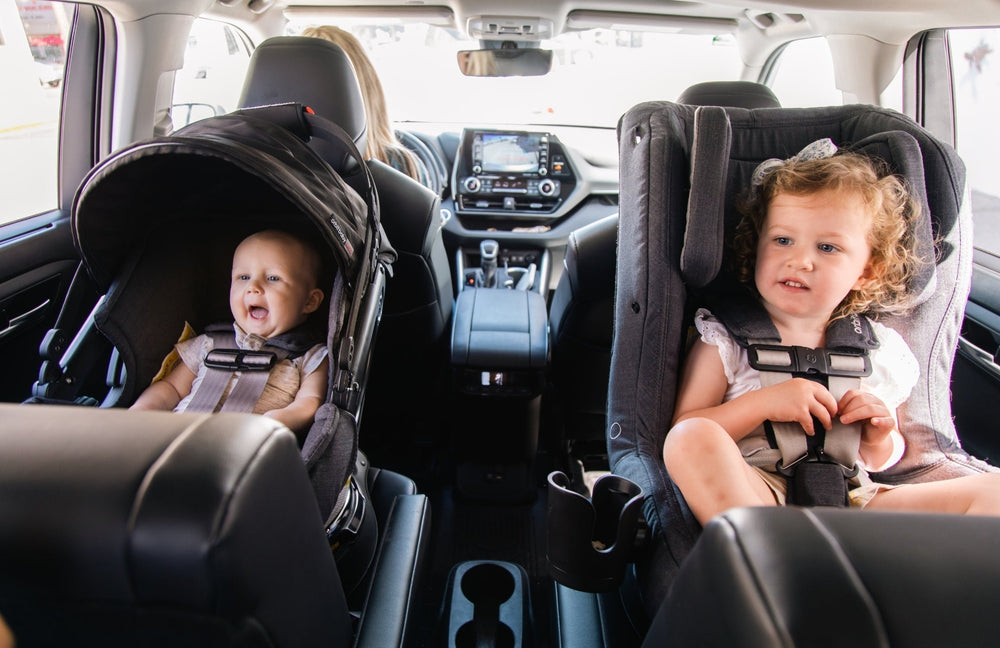
Are you wondering when it’s safe to turn your baby’s car seat to face forward? You want to keep your little one safe and comfortable on every trip.
But with so many rules and recommendations, it’s easy to feel confused or unsure. Knowing the right time to switch can protect your baby and give you peace of mind. Keep reading to find out exactly when and why you should make this important change for your child’s car seat.
Credit: greensafaris.com
Rear-facing Benefits
Choosing the right car seat position is important for your baby’s safety. Rear-facing car seats provide key benefits that protect your child during travel. Understanding these benefits helps parents make smart decisions about car seat use.
Why Rear-facing Is Safer
Rear-facing seats support your baby’s body in a crash. They spread the force of impact over the entire back, reducing injury risk.
In a front collision, the seat absorbs the crash energy. This helps protect the baby’s head, neck, and spine.
Studies show rear-facing seats lower the chance of severe injury. Experts recommend keeping babies rear-facing for as long as possible.
Impact On Baby’s Spine And Neck
Babies have soft, developing bones in their neck and spine. Rear-facing seats keep these parts aligned and safe during sudden stops.
The seat cushions the head and neck, preventing extreme bending or twisting. This reduces stress on fragile bones.
Forward-facing seats put more strain on the neck in a crash. Rear-facing helps protect the baby’s fragile spine and muscles better.
Recommended Age And Weight
Choosing the right time to turn a baby’s car seat forward is important. Parents should watch for both age and weight limits. These rules keep babies safe while traveling in the car. Following the recommended guidelines helps protect little ones from injury.
Minimum Age For Forward-facing
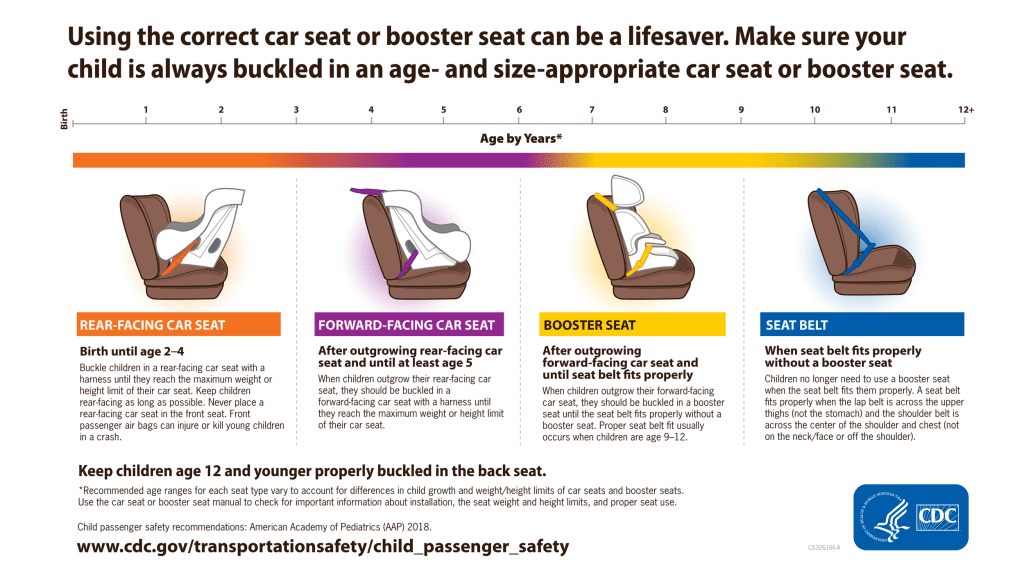
Most experts say babies should stay rear-facing until at least 2 years old. Some recommend waiting longer if the seat allows. Rear-facing seats better support a baby’s head and neck. Turning forward too soon can increase risk during a crash.
Check your car seat’s manual for specific age advice. Laws may also set minimum ages for forward-facing seats.
Weight And Height Limits
Weight is a key factor for forward-facing readiness. Many seats allow forward-facing use starting at 20 pounds. Some seats require a higher minimum weight, like 22 or 25 pounds.
Height matters too. Baby’s ears should be below the top of the car seat. Outgrowing the height limit means it’s time to switch seats.
Always follow the car seat manufacturer’s weight and height limits. This ensures maximum safety for your child.
Car Seat Types
Choosing the right car seat type plays a big role in deciding when your baby can face forward safely. Each type offers different features and weight limits that affect this transition. Knowing the options helps you make the best choice for your child’s comfort and safety.
Convertible Car Seats
Convertible car seats are designed to grow with your child. They start as rear-facing seats for infants and can be switched to forward-facing as your baby reaches the right age and weight.
Many parents appreciate how long these seats last. You don’t need to buy a new seat when your child grows because convertible seats adapt to different stages. But always check your seat’s manual for specific weight and height limits before turning it forward.
Have you checked if your convertible seat supports extended rear-facing? Some models let your baby stay rear-facing up to 40 pounds or more, which is safer. This can delay the forward-facing switch and give you peace of mind.
All-in-one Car Seats
All-in-one car seats offer even more flexibility. They work as rear-facing seats, forward-facing seats, and sometimes booster seats too. This makes them a popular choice for families wanting a single seat to cover many years.
With these seats, you can keep your child rear-facing longer, which experts recommend for better protection. When your child reaches the manufacturer’s limits, you can turn the seat forward-facing without buying a new one.
Are you considering an all-in-one seat for convenience? Remember that these seats may be bulkier and heavier than other types. Testing how it fits in your vehicle before buying can save you hassle later.
Legal Requirements
Legal requirements guide when babies can face forward in car seats. These rules protect children during travel. Each area has specific laws to follow. Knowing these helps keep babies safe and avoids fines.
Laws By Region
Different regions set various age and weight limits for forward-facing seats. Some places require babies to stay rear-facing until at least 2 years old. Others focus on height or weight measures.
- In the United States, most states follow rear-facing until age 2 or 20 pounds.
- Canada often requires rear-facing until 2 years or more, depending on province.
- European countries usually recommend rear-facing until 15 months or 13 kilograms.
Always check local laws before switching to forward-facing. These rules aim to reduce injury risks in crashes.
Penalties For Non-compliance
Ignoring car seat laws can lead to fines and legal trouble. Penalties vary but commonly include:
- Monetary fines ranging from $50 to several hundred dollars
- Points added to driving records
- Possible court appearances
Some areas may require parents to attend safety classes. Law enforcement strictly enforces these rules to protect children.
Following legal guidelines ensures safety and avoids penalties.
Transition Signs
Babies can face forward in their car seat when they turn two years old or reach the weight limit. Safety experts recommend keeping them rear-facing as long as possible for better protection. Always check the car seat manual for specific guidelines.
Transitioning your baby’s car seat from rear-facing to forward-facing is a significant milestone. This change is not solely dependent on your child’s age. It’s essential to observe certain transition signs that indicate your baby is ready for this next step. Understanding these signs ensures your child’s safety and comfort during car rides.Physical Readiness
Physical readiness is key when considering the switch to a forward-facing car seat. Your child should meet the minimum weight and height requirements specified by the car seat manufacturer. Typically, this means your child is at least two years old. Check if your child’s head is nearing the top of the rear-facing seat. This indicates they might have outgrown the seat, signaling it’s time to transition. Is your child able to sit up well without support? This is another vital aspect of physical readiness.Behavioral Cues
Behavioral cues can be just as telling as physical readiness. Has your child become increasingly curious and eager to look around during car rides? This curiosity can suggest readiness for a forward-facing position where they can see more of their surroundings. Notice if your child seems uncomfortable or fussy in the rear-facing seat. This discomfort might be due to their growing size and need for more space. Their behaviors can provide essential clues about their readiness to face forward. Trust your instincts as a parent and observe your child closely. Are there other signs you’ve noticed that suggest your little one is ready for a change? Your observations and understanding of your child’s unique needs are invaluable in making this transition safely.
Credit: www.thule.com
Installation Tips
Installing your baby’s car seat correctly is crucial, especially when transitioning to a forward-facing position. A well-secured seat keeps your child safe and comfortable during every ride. Let’s look at some practical tips to help you get it right.
Securing The Car Seat Properly
Start by choosing the right seat for your child’s weight and height. Always follow the manufacturer’s instructions—each seat can be slightly different.
Make sure the seat is tightly installed. You shouldn’t be able to move it side to side or front to back more than an inch at the belt path.
Use either the seat belt or the LATCH system, but never both at the same time unless the car seat manual allows it. LATCH connectors make installation easier and more secure for many parents.
Adjust the harness straps so they are snug and lie flat against your child’s shoulders. Loose straps can put your baby at risk during sudden stops.
Common Mistakes To Avoid
One common error is installing the seat at the wrong angle. Forward-facing seats should be upright, not reclined.
Another issue is forgetting to tighten the harness after placing your child in the seat. Always double-check the fit before hitting the road.
Don’t use old or expired car seats. Materials can weaken over time, reducing safety.
Have you checked if your vehicle’s seat belt or LATCH system is compatible with your car seat? Compatibility problems can cause improper installation without you realizing it.
Additional Safety Tips
Keeping babies safe in car seats requires more than just facing the right direction. Extra care ensures protection during every ride. These safety tips help reduce risks and keep your little one secure.
Using Harnesses Correctly
Always check the harness fits snugly against your baby’s body. Loose straps can cause injury during sudden stops. The chest clip should be at armpit level for proper positioning. Make sure straps lie flat without twists. Tighten the harness until you cannot pinch any slack.
Avoiding Loose Objects
Loose items in the car can become dangerous projectiles in a crash. Remove toys, bags, and other objects near the car seat. Store belongings in the trunk or secured compartments. Keep the car seat area clear to protect your baby from flying objects.

Credit: uppababy.com
Frequently Asked Questions
When Is It Safe For Babies To Face Forward In Car Seats?
Babies can safely face forward after they reach at least 2 years old. They must also meet the car seat’s height and weight limits before turning forward.
Why Is Rear-facing Recommended For Infants In Car Seats?
Rear-facing car seats provide better support for a baby’s head and neck during crashes. This position reduces injury risk and is safest for infants and toddlers.
What Weight And Height Limits Allow Forward-facing Car Seats?
Most forward-facing seats require babies to weigh at least 20-25 pounds and be around 28-30 inches tall. Always check your car seat’s manual for specific limits.
How Long Should Babies Stay Rear-facing In Car Seats?
Experts recommend keeping babies rear-facing until at least 2 years old or until they exceed the car seat’s rear-facing limits. This offers maximum safety.
Conclusion
Babies should stay rear-facing as long as possible for safety. Most experts say until age two or when the car seat limits are reached. Facing forward too soon can increase injury risks. Always check your car seat manual for exact rules.
Watch your child’s growth and weight closely. Choosing the right time helps keep your baby safe on every ride. Safety first, always.