
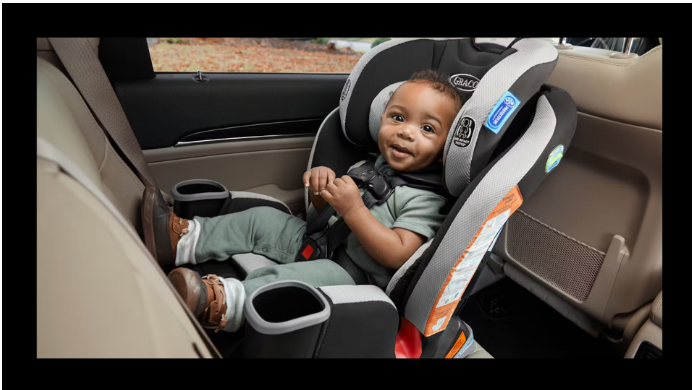
Are you wondering when it’s safe to turn your baby’s car seat to face forward? You’re not alone.
Every parent wants to keep their little one safe and comfortable during car rides. But with so much advice out there, it can be confusing to know the right time to make the switch. You’ll discover clear, easy-to-follow guidelines that help you make the best choice for your baby’s safety.
Keep reading to learn exactly when your baby can ride front facing—and why it matters more than you might think.
Rear Facing Benefits
Choosing to keep your baby rear facing in their car seat offers many safety benefits. Experts recommend this position for infants and toddlers. It provides the best protection during sudden stops or crashes. Rear facing seats support a baby’s head, neck, and spine better than front facing options.
Parents often wonder when to switch their child to front facing. Understanding the benefits of rear facing helps make safer decisions. This section explains why rear facing is safer and how it reduces injury risks.
Why Rear Facing Is Safer
Babies have fragile neck muscles and soft bones. In a crash, forward motion can cause severe neck injuries. Rear facing seats spread the crash forces across the back of the car seat. This support protects the baby’s head and spine from sudden jolts. The car seat acts like a shield during impact.
In rear facing seats, the baby’s body moves with the seat. This reduces stress on the neck and spine. It keeps the baby’s body in alignment, preventing serious injuries. Most safety experts agree this position is best until at least age two.
Impact On Injury Reduction
Data shows rear facing car seats greatly lower injury risks. Studies report that children in rear facing seats have fewer head and chest injuries. The position cushions the impact better than front facing seats. It reduces the chance of life-threatening injuries in crashes.
Rear facing seats also protect the soft brain tissue in infants. The design lowers the risk of traumatic brain injuries. Parents who keep their babies rear facing longer help ensure safer car rides. This choice can save lives and reduce hospital visits.
Age And Weight Limits
Knowing the right age and weight limits for turning your baby’s car seat to front facing is crucial for their safety. Every child grows at their own pace, so it’s important to focus on specific guidelines rather than guesswork. Understanding these limits helps you protect your child while driving and avoid common mistakes many parents make.
Recommended Age For Front Facing
Most safety experts suggest keeping your baby rear-facing until at least 2 years old. This position better supports their head, neck, and spine during sudden stops or crashes.
Some parents switch to front-facing earlier because their child seems uncomfortable or restless. However, waiting until your child reaches the right age can reduce serious injury risks significantly.
Have you checked your car seat manual lately? It usually states the minimum age recommended for front-facing, and many models require children to be at least 2 years old.
Weight And Height Guidelines
Weight and height limits vary by car seat brand and model, so reading the labels is a must. Typically, a child should weigh at least 20 pounds and be tall enough so their shoulders are above the rear-facing harness straps before turning front facing.
| Car Seat Position | Typical Weight Range | Height Considerations |
|---|---|---|
| Rear-Facing | Up to 40 pounds (varies) | Shoulders below harness slots |
| Front-Facing | 20 to 65 pounds (varies) | Shoulders above harness slots |
Measuring your child regularly helps you stay on top of these limits. Don’t rush to turn the seat just because your child seems eager to face forward—it’s about safety, not convenience.
Have you ever noticed how quickly your baby grows? That growth spurt might push them closer to the front-facing stage, but double-checking weight and height is essential before making the switch.
Car Seat Types
Choosing the right car seat type is essential for your baby’s safety and comfort. Different seats have different features and weight limits that determine when your baby can face forward. Understanding these options helps you make the best decision for your child’s needs.
Convertible Car Seats
Convertible car seats are versatile because they can be used both rear-facing and forward-facing. You start by using them rear-facing, which is safer for babies and toddlers. Once your child reaches the weight or height limit set by the manufacturer—usually around 2 years old or 20-30 pounds—you can switch the seat to face forward.
Many parents find convertible seats convenient since they grow with their child. But it’s important to check the seat’s specific guidelines. Some kids may be ready to face forward later than others, so don’t rush the change just because your child has reached a certain age.
Forward Facing Only Seats
Forward facing only seats are designed for older toddlers and preschoolers who have outgrown rear-facing seats. These seats generally have a higher minimum weight requirement, often around 20-22 pounds. They are simpler to install since they don’t convert, but they don’t offer the option to keep your child rear-facing longer.
If your baby is ready to face forward and meets the seat’s weight and height limits, this type can be a good choice. However, many safety experts suggest keeping children rear-facing as long as possible. Have you checked if your forward-facing seat has a harness system that fits your child snugly? That can make all the difference in safety.

Credit: uppababy.com
Legal Requirements
Understanding legal requirements helps keep babies safe in cars. Laws about when babies can face forward vary by state. These rules ensure children use car seats correctly. Following them reduces injury risks during accidents.
State Laws On Car Seat Position
Each state sets its own rules for car seat positions. Many states require babies to ride rear-facing until at least age 2. Some states allow front-facing seats earlier if the child meets weight or height limits.
Parents should check local laws for exact age and size requirements. Car seat manuals often reference these laws for guidance. Strict adherence keeps children protected and legal on the road.
Penalties For Non-compliance
Breaking car seat laws can lead to fines and penalties. Police may issue tickets for improper car seat use. Fines vary but can be costly and increase with repeated offenses.
Some states add points to driving records or require safety classes. Non-compliance can risk child safety and legal trouble. Always follow laws to avoid penalties and protect your child.
Transition Signs
Babies can face forward in a car seat once they reach the right weight and height limits. Signs like strong neck control and age over two years often indicate readiness. Always follow car seat manufacturer guidelines for safety.
Transitioning your baby from a rear-facing to a front-facing car seat is a significant milestone. It’s not just about reaching a certain age or weight; it’s about recognizing the right transition signs. Understanding these indicators can ensure your child’s safety and comfort during car rides.Physical Readiness
Your baby’s physical development plays a crucial role in this transition. Typically, babies should weigh at least 20 pounds and be over one year old before considering a front-facing seat. Look for signs of strong neck and head control. If your baby can sit up without support and hold their head steady, they might be physically ready for the switch.Behavioral Indicators
Apart from physical readiness, behavioral signs can also signal the right time to transition. Notice if your baby shows increased curiosity about their surroundings during car rides. Frequent fussiness or discomfort in the rear-facing position might indicate they are ready for a change. However, ensure that these behaviors are consistent and not just occasional moods. Are you noticing these signs in your baby? Being observant and responsive to these cues can make the transition smoother for both you and your little one.
Credit: www.thule.com
Installation Tips
Installing a car seat correctly is vital for your baby’s safety. Proper installation helps protect your child during every trip. Focus on seat position and harness adjustments to ensure a secure fit. These tips help keep your little one safe and comfortable.
Proper Seat Positioning
Place the car seat in the back seat, away from airbags. The center position is often safest, if it fits well. The seat must be tightly secured using the seat belt or LATCH system. Check that the car seat does not move more than one inch side to side or front to back. Adjust the recline angle to keep your baby’s head from falling forward. Follow the car seat manual for the correct angle settings.
Harness Adjustments
The harness should lie flat without twists. Position the harness straps at or above your baby’s shoulders for front-facing seats. Tighten the harness until you cannot pinch any slack at the shoulders. Use the chest clip to keep straps in place, aligning it with your baby’s armpits. Regularly check harness fit as your baby grows. A proper harness keeps your baby snug and secure.
Common Mistakes
Many parents rush to turn their baby’s car seat to face forward without fully understanding the risks involved. This common mistake can compromise your child’s safety during car rides. Knowing what to avoid helps you protect your little one better.
Premature Transition Risks
Switching your baby to a front-facing seat too early can increase the chance of injury in a crash. Babies’ neck muscles and bones are not strong enough to handle the impact from a forward-facing position until they reach the right age and size.
Think about it: are you basing the switch on your child’s age or their actual size and development? Many parents focus only on age, but weight and height limits set by the car seat manufacturer matter more.
Delaying the switch until your child meets these criteria gives them better protection. It’s worth waiting a little longer for their safety.
Incorrect Harness Use
Even if your baby is ready to face forward, using the harness incorrectly can put them at risk. A harness that is too loose, twisted, or positioned improperly won’t keep your child secure during sudden stops.
- The straps should lie flat without twists and be snug enough that you cannot pinch any slack.
- The chest clip must be at armpit level, not too low or too high.
- Using a harness set for a younger baby when facing forward is a mistake; make sure to adjust the harness height to fit your child’s current size.
Have you double-checked your harness fit recently? Small mistakes here can undo all the safety benefits of the car seat.

Credit: www.2cleverinnovations.com
Expert Recommendations
Babies should stay rear-facing in their car seats until they reach the height or weight limit. Turning front-facing too soon can increase injury risk. Always check your car seat manual for specific guidelines.
When transitioning your baby to a front-facing car seat, expert recommendations are crucial. These guidelines ensure your child’s safety while traveling. Understanding the advice from pediatricians and safety organizations can provide peace of mind.Pediatrician Advice
Pediatricians emphasize waiting until your child is at least two years old. They suggest keeping children rear-facing as long as possible. This position offers more protection for their developing neck and spine. Always consult with your child’s doctor for personalized advice.Safety Organization Guidelines
Safety organizations recommend following the car seat’s height and weight limits. The American Academy of Pediatrics suggests rear-facing until these limits are reached. Always check your car seat’s manual for specific instructions. Use a car seat that meets safety standards for your region. Proper installation is key to ensuring your child’s safety.Frequently Asked Questions
When Can Babies Start Using Front-facing Car Seats?
Babies can start front-facing in car seats at age 2 or after reaching the seat’s height and weight limits. Rear-facing is safest until then, as it better protects their head, neck, and spine during a crash.
Why Is Rear-facing Recommended Longer For Babies?
Rear-facing supports babies’ head and neck during sudden stops. It reduces injury risk by distributing crash forces along the back. Experts advise keeping babies rear-facing until at least age 2 or until they outgrow the car seat’s rear-facing limits.
What Are The Height And Weight Limits For Front-facing Seats?
Most car seats require babies to weigh at least 20-22 pounds and be about 26-30 inches tall for front-facing use. Always check the specific car seat manual for exact limits before switching to front-facing.
How To Know If My Baby Is Ready For Front-facing?
Your baby is ready when they meet the car seat’s height, weight, and age requirements. Also, ensure they have good head and neck control. Always follow manufacturer guidelines and local safety laws.
Conclusion
Babies should stay rear-facing as long as possible. This keeps them safer in crashes. Most experts say wait until your child is at least 2 years old. Check your car seat’s instructions for weight and height limits. Always follow local laws about car seat use.
Moving your baby too soon can increase injury risk. Safety comes first when deciding to switch. Remember, every child grows at a different pace. Take time, be patient, and keep your baby secure. Your careful choices protect your little one every ride.