
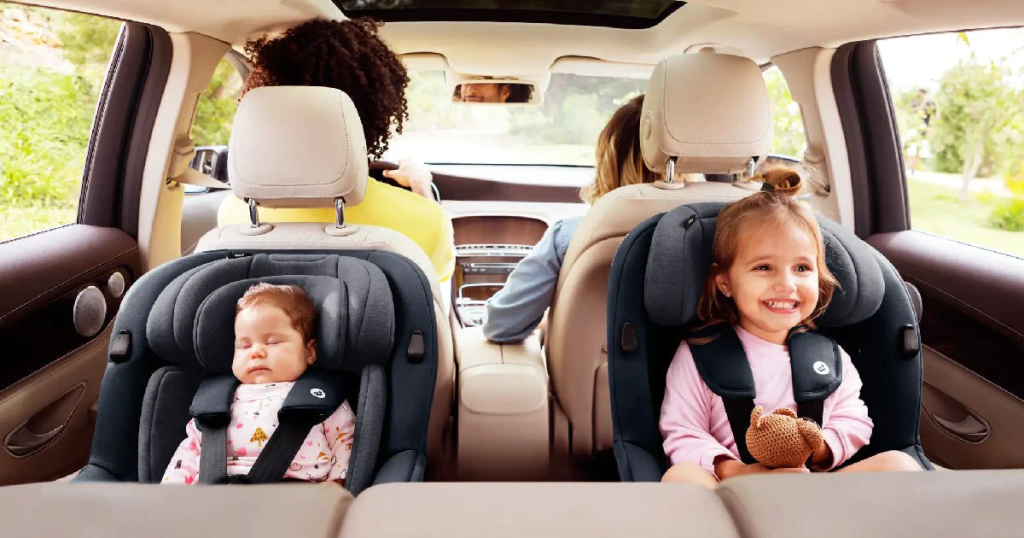
You want the best for your baby, especially when it comes to their safety in the car. One question many parents ask is, “When can my baby face forward in the car?”
It’s an important decision that can affect your child’s protection during every trip. You’ll discover the key signs and expert recommendations that tell you exactly when it’s safe to turn your baby’s car seat forward. Keep reading to ensure your little one stays as safe as possible every time you hit the road.
Car Seat Basics
Choosing the right car seat for your baby is vital for their safety. Understanding the basics helps parents make informed decisions. Car seats come in different types with specific uses and benefits. Knowing when to switch from one to another matters a lot.
Rear-facing Vs. Forward-facing Seats
Rear-facing seats support a baby’s head, neck, and spine better during crashes. They face the back of the car and are designed for infants and toddlers. Forward-facing seats face the front and are for older children. These seats have harnesses to keep kids secure. The main difference lies in the direction the child faces and the level of protection provided.
Importance Of Rear-facing Seats
Experts recommend keeping babies rear-facing as long as possible. This position reduces the risk of serious injury in a crash. The force of impact spreads across the whole body, not just the neck. Many car seats allow children to stay rear-facing up to age two or more. This extra time in a rear-facing seat greatly improves safety.
Age And Weight Guidelines
Knowing when to turn your baby’s car seat to face forward is crucial for their safety. Age and weight guidelines help you decide the right time to make this change. These guidelines are not just rules; they protect your child by matching the car seat’s design to their growth.
Recommended Age For Facing Forward
Experts recommend keeping your child rear-facing until at least 2 years old. Many safety organizations suggest even longer if your car seat allows. Rear-facing seats support a baby’s head, neck, and spine better during a crash.
Have you noticed how quickly your little one grows? It’s tempting to turn the seat forward as soon as they seem ready. But age matters more than size when it comes to protection.
Weight And Height Limits
Each car seat has specific weight and height limits for rear-facing and forward-facing positions. Typically, a child can switch to forward-facing after reaching about 20-25 pounds. However, some convertible seats support rear-facing up to 40 pounds or more.
| Position | Typical Weight Range | Height Guidelines |
|---|---|---|
| Rear-Facing | 5 to 40 lbs (varies by seat) | Up to 40 inches tall |
| Forward-Facing | 20 to 65 lbs (varies by seat) | Over 40 inches tall |
Check your car seat manual carefully. Some kids might reach the weight limit before the height limit or vice versa. Which number your child hits first should guide your decision.
Safety Risks Of Early Forward Facing
Deciding when to turn your baby’s car seat forward can feel like a balancing act between convenience and safety. However, moving to a forward-facing position too early brings significant risks that can affect your child’s well-being in a crash. Understanding these dangers can help you make choices that truly protect your little one.
Injury Risks In Collisions
Babies and toddlers have fragile necks and developing bones that are not ready to handle the forces of a forward-facing impact. When a child faces forward too soon, their head and neck are more likely to snap forward violently during sudden stops or collisions.
This can lead to serious injuries such as spinal cord damage, head trauma, or even internal injuries that might not be immediately visible. Rear-facing seats support the child’s head, neck, and spine by distributing crash forces more evenly.
Imagine your child in a car suddenly stopping; a rear-facing seat cradles their body, while a forward-facing seat leaves their neck exposed to harsh jolts. Doesn’t your child deserve that extra layer of protection?
Statistics And Studies
Research consistently shows that children under two years old are at a higher risk of injury when placed in forward-facing seats. A study by the American Academy of Pediatrics found that rear-facing seats reduce the risk of injury by up to 75% compared to forward-facing seats.
Data from crash tests reveal that children in rear-facing seats experience less force on their head and neck in collisions. The National Highway Traffic Safety Administration (NHTSA) recommends keeping children rear-facing until at least age 2 or until they reach the height and weight limits of their rear-facing seat.
Have you checked your car seat’s limits lately? Staying informed about these numbers can save your child from preventable harm.
Signs Your Baby Is Ready
Recognizing the right time for your baby to face forward in the car is important for safety. Many parents wonder how to tell if their child is ready. Certain signs can help you decide when to switch from rear-facing to forward-facing. These signs focus on your baby’s physical growth and behavior.
Physical Development Indicators
- Your baby can sit up well without support.
- The neck and head control is strong and steady.
- The child reaches the minimum weight and height recommended by car seat makers.
- Legs are long enough to bend comfortably at the car seat edge.
- Baby’s spine is sturdy enough to handle forward-facing positions.
Behavioral Cues
- Your baby shows curiosity about the world outside the car.
- They resist being in a rear-facing seat during rides.
- Baby looks more comfortable facing forward than backward.
- They can stay calm and still while facing forward in short trips.
- The child reacts less to sudden stops or turns when forward-facing.
Choosing The Right Car Seat
Babies should face backward in their car seats until they reach the right age and weight. Facing forward too soon can increase injury risk. Always check your car seat manual for specific guidelines.
Choosing the right car seat is a critical decision for your child’s safety and comfort. As your baby grows, you’ll need to consider transitioning them to a forward-facing seat. This step requires careful thought to ensure you’re making the safest choice.Types Of Forward-facing Seats
There are several types of forward-facing car seats you can choose from. Convertible seats are popular because they can be used in both rear-facing and forward-facing positions, making them a versatile option as your child grows. Combination seats, on the other hand, transition from a forward-facing seat with a harness to a booster seat, providing extended use.Features To Look For
When selecting a forward-facing car seat, there are specific features you should prioritize. Look for seats with a 5-point harness, which offers better restraint by securing your child at the shoulders, hips, and between the legs. Adjustable headrests and harness heights are also essential, allowing the seat to grow with your child and ensuring a snug fit. Ease of installation is another critical feature. A seat that’s challenging to install can compromise safety, so look for models with clear instructions and easy-to-use anchoring systems. Some seats offer additional features like cup holders and washable covers, adding convenience for both you and your child. Have you ever wondered how these features can impact your daily routine? Imagine the peace of mind knowing your child is secure and comfortable, allowing you to focus on the road ahead.
Credit: orbitbaby.com
Proper Installation Tips
Proper installation of your baby’s car seat is crucial for safety, especially when transitioning to a forward-facing position. Even the safest car seat can put your child at risk if it isn’t installed correctly. Paying close attention to installation tips ensures you protect your little one on every trip.
Securing The Seat Correctly
Make sure the car seat is tightly secured to your vehicle’s seat. The seat should not move more than an inch side to side or front to back when you test it at the base.
Use either the seat belt or the LATCH system, but never both unless the car seat manual says it’s okay. Double-check which option works best with your car model.
- Lock the seat belt or LATCH strap firmly to prevent any slack.
- Keep the car seat at the correct angle as indicated in the manual.
- Use a seat belt locking clip if your vehicle doesn’t have an automatic locking retractor.
Have you ever felt unsure if the seat was secure enough? Sometimes getting a second opinion or visiting a local car seat inspection station can give you confidence.
Harness Adjustment Guidelines
The harness must fit snugly against your baby’s body to keep them safe during a sudden stop. Loose straps can cause serious injury even if the car seat is installed perfectly.
Position the harness straps at or just above your child’s shoulders when forward-facing. This ensures they stay in place during travel.
- Pull the harness tight enough so you cannot pinch any webbing at the shoulder.
- Make sure the chest clip is at armpit level to keep the straps positioned correctly.
- Check harness fit each time before you drive, as babies grow quickly and adjustments are often needed.
Adjusting the harness can feel tricky at first, but with practice, it becomes a quick routine. How confident are you in your current harness adjustments?
Additional Safety Measures
Ensuring your baby’s safety when they face forward in the car involves more than just switching the seat direction. There are extra steps you can take to make the ride as secure as possible. These additional safety measures help protect your little one and give you peace of mind.
Using Tether Straps
Tether straps play a crucial role in stabilizing a forward-facing car seat. They attach the top of the car seat to an anchor point in your vehicle, preventing excessive forward movement during a sudden stop. Without using the tether strap, the seat can tilt or move too much, increasing the risk of injury.
Many parents overlook or forget to use the tether strap, but it’s an easy step that can make a big difference. Check your car’s manual to locate the tether anchors, and always tighten the strap firmly after installing the seat. Have you ever noticed how much safer a tightly secured car seat feels compared to a loosely installed one?
Avoiding Common Mistakes
Some common mistakes can reduce the effectiveness of a forward-facing car seat. One frequent error is leaving extra slack in the harness straps, which should fit snugly against your child’s chest and shoulders. Loose straps can allow too much movement, especially in a crash.
Another mistake is placing bulky clothing like winter coats under the harness. This creates a false sense of tightness and can lead to serious injury. Always dress your child in thinner layers and add blankets over the harness if needed.
Also, double-check that the car seat is installed at the correct angle and that it is compatible with your vehicle’s seat. Have you checked your seat installation lately? Small adjustments can greatly improve safety for your baby.
Legal Requirements By Region
Understanding when your baby can face forward in the car is crucial. Each region has specific legal requirements. These laws ensure your child’s safety during travel. Familiarize yourself with these regulations to comply and protect your child.
Laws In The Us And Canada
In the US, laws vary by state. Most states require rear-facing seats until age two. Some states extend this requirement based on weight and height. Canada has similar regulations. Provinces mandate rear-facing seats for infants under one year. Weight and height guidelines also apply. Always check local laws for specifics.
Regulations In Europe And Australia
European laws emphasize safety with clear guidelines. Many countries require rear-facing seats until age four. Weight and height are crucial factors. In Australia, the rules are strict as well. Children under six months must use rear-facing seats. After that, rear-facing is recommended until age two. Ensure your car seat meets the regional standards.
Expert Recommendations
Experts agree that keeping a baby rear-facing in the car is safest for as long as possible. This position supports the head, neck, and spine during sudden stops. Understanding expert advice helps parents make the best choices for their child’s safety. Safety guidelines focus on age, weight, and height rather than just months old.
Pediatrician Advice
Pediatricians strongly recommend keeping babies rear-facing until they reach the highest weight or height allowed by the car seat. This usually means keeping children rear-facing beyond their first birthday. The American Academy of Pediatrics suggests waiting until at least 2 years old. They highlight that rear-facing reduces injury risk by up to 75% in crashes. Pediatricians also advise checking the car seat manual and child’s growth regularly.
Child Passenger Safety Technicians
Child Passenger Safety Technicians (CPSTs) provide hands-on guidance to parents. They stress the importance of using a car seat that fits the child’s current size. CPSTs recommend waiting to face the child forward until the seat’s rear-facing limits are met. They offer free car seat inspections to ensure proper installation. Their advice includes:
- Keep the child rear-facing as long as possible.
- Follow the car seat manufacturer’s weight and height limits.
- Use a harness that fits snugly and correctly.
- Consult a CPST for personalized help and questions.

Credit: findforbaby.com

Credit: incarsafetycentre.co.uk
Frequently Asked Questions
When Is It Safe For A Baby To Face Forward?
Babies can face forward after they reach at least 2 years old. They should meet the car seat’s height and weight limits. Rear-facing is safer for infants and toddlers under 2 years.
Why Keep A Baby Rear-facing Longer?
Rear-facing seats better support a baby’s head and neck in crashes. This position reduces injury risk. Experts recommend rear-facing until age 2 or until outgrowing seat limits.
What Are Car Seat Laws For Facing Forward?
Laws vary by state but usually require rear-facing until age 2. After that, forward-facing with a harness is allowed. Always check local regulations and follow car seat manufacturer guidelines.
How To Transition Baby To Forward-facing Seat?
Transition only after meeting age, weight, and height requirements. Secure the seat using the car’s seat belt or LATCH system. Ensure the harness fits snugly and follow manufacturer instructions.
Conclusion
Babies stay safer facing backward for as long as possible. Experts say at least until age two or when they reach the car seat limit. Turning forward too soon raises injury risks in crashes. Always follow your car seat’s weight and height rules.
Check local laws for specific age or size rules. Remember, safety comes first in every car ride. Keep your child secure and enjoy peace of mind. Small steps protect your little one every trip.