
If you’re a parent or caregiver, you want to keep your baby as safe and comfortable as possible during car rides. One question you might be wondering is, “When can my baby face forward in their car seat?” This decision isn’t just about convenience—it’s about your child’s safety and well-being.
Getting the timing right can protect your little one from serious harm. Keep reading to find out the signs to look for, the expert recommendations, and how to make the switch safely. Your baby’s safety depends on knowing exactly when the time is right.
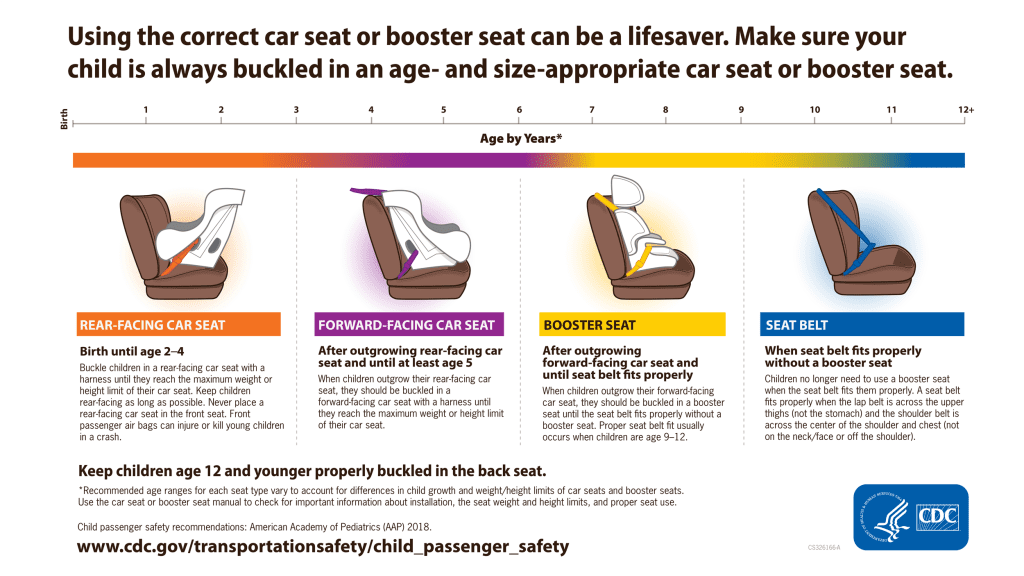
Rear-facing Vs Forward-facing
Choosing between rear-facing and forward-facing car seats is a key safety decision for parents. Each position offers different levels of protection. Understanding their differences helps keep your baby safe during every ride.
Benefits Of Rear-facing Seats
- Supports the baby’s head, neck, and spine in a crash.
- Distributes crash forces evenly across the back.
- Reduces risk of serious injuries in accidents.
- Recommended for infants and toddlers up to 2 years or more.
- Provides better protection for the baby’s developing body.
When To Consider Forward-facing
- Baby has reached the car seat’s height and weight limits for rear-facing.
- Child shows good head and neck control.
- Usually after age 2, but safety guidelines may vary.
- Forward-facing seats have harnesses to keep the child secure.
- Still use a five-point harness until the child outgrows it.

Credit: orbitbaby.com
Age And Weight Guidelines
Understanding age and weight guidelines is key to knowing when a baby can safely face forward in a car seat. These rules help protect your child during travel. Following them reduces injury risks and keeps your little one secure. Always use the car seat according to the manufacturer’s instructions and local laws.
Recommended Age Limits
Experts recommend keeping babies rear-facing for as long as possible. Most safety groups say children should remain rear-facing until at least 2 years old. Some states and countries require rear-facing until 2 or more years. This position supports the head, neck, and spine better in crashes. Facing forward too early increases the risk of injury.
Weight Requirements For Facing Forward
Weight limits vary by car seat model. Many convertible car seats allow forward-facing once a child reaches 20 to 22 pounds. Some seats have higher weight limits, up to 30 or 40 pounds. Always check your car seat’s manual for exact numbers. Exceeding weight limits may reduce the seat’s protection. Keep children rear-facing until they meet both age and weight limits.
Safety Standards And Regulations
Understanding safety standards and regulations is essential before deciding when to turn your baby’s car seat to face forward. These rules are designed to protect your little one during every car ride. Staying informed helps you make the safest choice for your child’s travel.
Current Laws By Region
Car seat laws vary widely depending on where you live. In many places, the law requires children to remain in rear-facing seats until at least 2 years old. Some regions, like certain U.S. states, set specific weight or height limits instead of a strict age.
For example, in California, the law mandates rear-facing seats until age 2, but in Florida, children must remain rear-facing until they reach the car seat’s height or weight limit. If you travel frequently, knowing these differences can prevent fines and, more importantly, keep your child safer.
Car Seat Manufacturer Recommendations
Manufacturers base their guidelines on extensive crash testing and safety data. Many recommend keeping your baby rear-facing until they exceed the maximum height or weight for the rear-facing position, which often goes beyond age 2.
Check the car seat manual carefully—some models allow children to face forward at 20 pounds, while others suggest waiting until 30 pounds or more. Your baby’s comfort and safety depend on following these specific guidelines rather than just the law.
Have you ever wondered why some parents switch their child forward-facing earlier than recommended? It’s often due to misconceptions about comfort or space. But prioritizing safety standards over convenience makes all the difference.
Signs Your Baby Is Ready
Deciding when to turn your baby’s car seat forward-facing can feel like a big step. But how do you know when the time is right? Identifying the signs that your baby is ready can make this transition smoother and safer for both of you.
Physical Development Indicators
Your baby’s physical growth is a key factor in determining readiness. Check if your baby has reached the maximum height or weight limit specified by the rear-facing car seat manufacturer. Many parents find it surprising how quickly their little one can outgrow these limits.
Observe your baby’s neck strength. They should be able to hold their head up steadily without support. This is crucial for safely enduring the forces experienced in a forward-facing position.
Behavioral Cues
Pay attention to how your baby behaves during car rides. Are they showing signs of discomfort or frustration in the rear-facing position? A forward-facing position might offer them a new view, keeping them more engaged and content.
Does your baby seem curious and eager to see the world around them? If they’re constantly trying to turn their head to look out the window, they might be ready for a forward-facing view.
Remember, safety always comes first. Are you prepared to make the switch while ensuring your baby’s safety? Trust your instincts and make informed decisions by considering these signs.
Choosing The Right Car Seat
Choosing the right car seat is crucial for your baby’s safety and comfort during every trip. It’s not just about picking one that looks good or fits your car; you need a seat that supports your child’s growth stages and keeps them secure. Understanding the types of car seats and how to install them properly will help you make the best choice.
Convertible Car Seats
Convertible car seats are a smart investment because they grow with your child. You can use them in a rear-facing position for infants and then switch to forward-facing as your baby gets older. This flexibility means you don’t have to buy multiple seats, saving money and hassle.
These seats often have higher weight and height limits for rear-facing mode, which is safer for your child. Have you checked if your convertible seat supports extended rear-facing? Many experts recommend keeping babies rear-facing as long as possible, sometimes up to age 2 or beyond.
Installation Tips
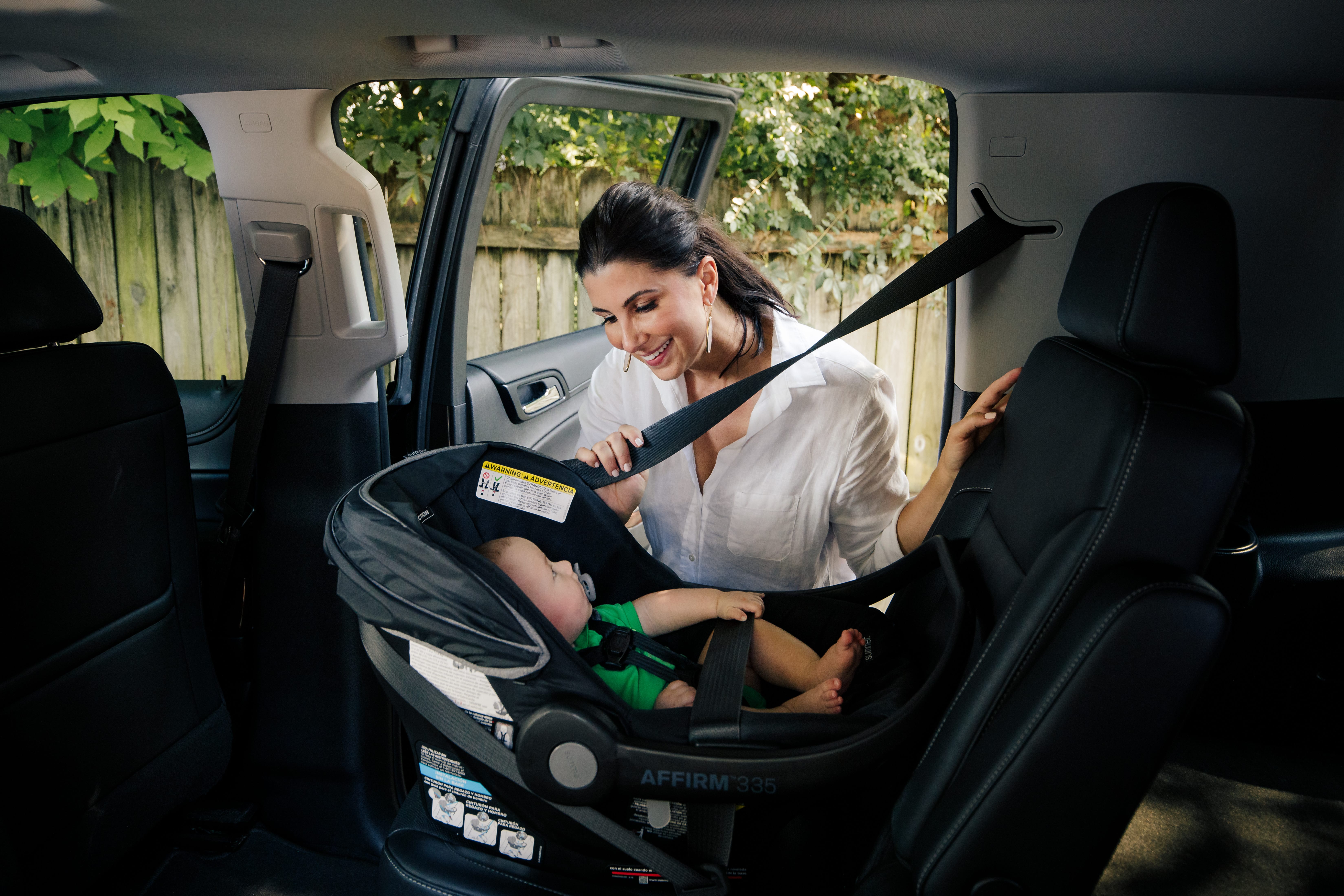
Even the best car seat won’t protect your baby if it’s not installed correctly. Take time to read the manual carefully and double-check every step. Many parents find it helpful to watch installation videos or visit a car seat inspection station for expert help.
- Make sure the car seat is tightly secured with either the seat belt or LATCH system; it shouldn’t move more than an inch side to side or front to back.
- Check that the harness fits snugly on your baby, with the clip positioned at armpit level.
- Pay attention to the angle of the seat. Too upright or too reclined can be unsafe for your little one.
Have you ever tried installing a car seat only to find it wobbly? Don’t hesitate to ask for a second opinion. Your baby’s safety is worth the extra effort to get it right.

Credit: incarsafetycentre.co.uk
Common Mistakes To Avoid
Parents often make errors that affect car seat safety when switching a baby to face forward. These mistakes can increase risk during travel. Understanding common pitfalls helps keep children safer.
Premature Forward-facing
Turning a baby forward too soon is a frequent error. Experts recommend keeping babies rear-facing until at least age 2. Rear-facing supports the head, neck, and spine better in crashes. Moving forward early exposes a baby to greater injury risk. Always check the car seat manual for height and weight limits. Never rely only on age. Safety depends on the baby’s size and development.
Incorrect Harness Use
Improper harness use is another common mistake. Harness straps must be snug and lie flat without twists. The chest clip should be at armpit level. A loose harness lets the baby move too much in a crash. Too tight straps can cause discomfort and breathing issues. Parents should adjust straps every time the baby rides. Proper harness use ensures maximum protection.
Additional Safety Tips
Beyond knowing when a baby can face forward in a car seat, safety remains the top priority. Proper use and regular care of the car seat can protect your child in every trip. Small actions ensure the seat works as it should and keeps your baby secure.
Proper Seat Belt Positioning
Make sure the seat belt fits snugly across your child’s body. The harness straps should lie flat without twists. Position the chest clip at armpit level to prevent sliding. Check that the straps are tight enough so you cannot pinch any slack. Proper belt placement reduces injury risks in crashes.
Regular Seat Inspections
Inspect the car seat often for any signs of wear or damage. Look for cracks, frayed straps, or broken parts. Confirm the seat is installed firmly and does not move more than an inch side to side. Clean the seat according to the manufacturer’s instructions. Regular checks keep the seat safe and ready to use.
Credit: www.safeintheseat.com
Frequently Asked Questions
When Is It Safe For A Baby To Face Forward In A Car Seat?
A baby can face forward once they reach the car seat’s height or weight limit for rear-facing. This is usually around 2 years old but varies by car seat model. Always follow manufacturer guidelines and local laws for safety.
Why Is Rear-facing Recommended For Infants In Car Seats?
Rear-facing seats better protect a baby’s head, neck, and spine during a crash. They distribute crash forces more evenly and reduce injury risk. Experts recommend keeping babies rear-facing as long as possible for maximum safety.
What Weight Or Height Allows Forward-facing In Car Seats?
Forward-facing is allowed when a baby exceeds the rear-facing limit, often around 20-40 pounds or 30-35 inches tall. Check your car seat manual for exact limits. Never switch to forward-facing too early to ensure safety.
Are There Legal Age Requirements For Forward-facing Car Seats?
Many regions require children to remain rear-facing until at least 2 years old. Some laws specify weight or height limits instead of age. Always verify your local car seat laws to comply and keep your child safe.
Conclusion
Babies should stay rear-facing as long as possible. This keeps their head and neck safe. Most experts say to wait until at least age two. Check your car seat’s height and weight rules too. Always follow your car seat instructions carefully.
Keep your child comfortable and secure every trip. Safety matters most when deciding car seat position. Trust official guidelines to make the best choice. Your careful attention helps protect your little one.