
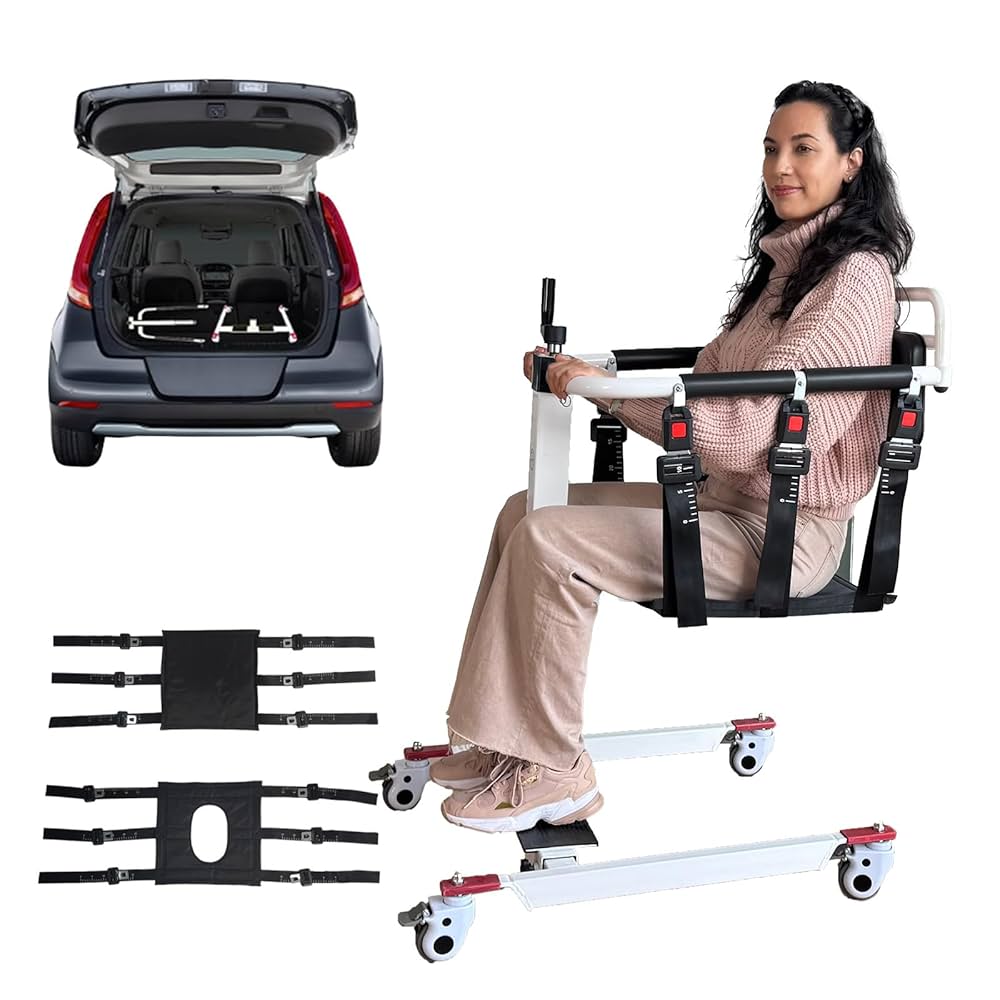
Wheelchair to Car Transfer Devices: Moving from your wheelchair to a car can feel challenging and even risky without the right help. You want a safe, smooth transfer that keeps you comfortable and confident every time.
That’s where wheelchair to car transfer devices come in. These tools are designed to make your life easier, giving you more independence and peace of mind. You’ll discover how the right device can transform your daily routine and help you get where you need to go without struggle or strain.
Keep reading to find the perfect solution for your needs.

Credit: ninelife.ch
Types Of Transfer Devices
Wheelchair to car transfer devices help people move safely and comfortably. These tools reduce strain for both the user and the helper. Each type has unique features to suit different needs and abilities.
Choosing the right device depends on the user’s strength, mobility, and the car’s design. Understanding the common types of transfer devices can guide better decisions for easier travel.
Slide Boards
Slide boards are flat, smooth boards that connect the wheelchair to the car seat. Users slide across the board from one seat to the other. They are lightweight and easy to carry. Slide boards require some upper body strength and balance. They work well for users who can sit up independently.
Transfer Belts
Transfer belts wrap around the user’s waist to provide a secure grip. Caregivers hold the belt to help lift and guide the person. These belts improve stability and reduce the risk of falls. They come in different sizes and materials for comfort. Transfer belts are useful for people who need some assistance but can stand briefly.
Mechanical Lifts
Mechanical lifts use a motor or hydraulic system to lift the user. The person is placed in a sling attached to the lift. This device moves the user safely from the wheelchair to the car seat. Mechanical lifts are ideal for those who cannot support their own weight. They require more space and are heavier to transport.
Swivel Seats
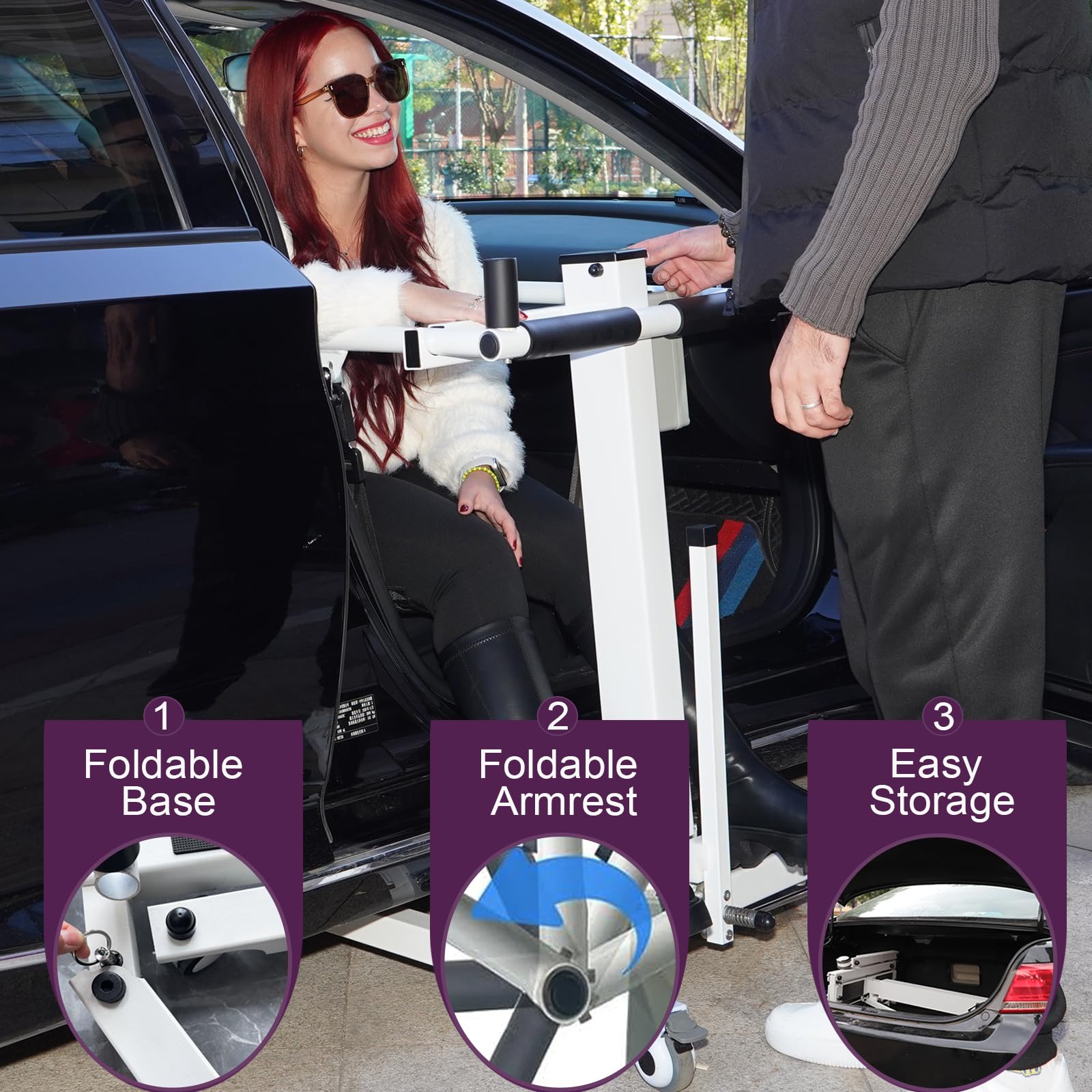
Swivel seats rotate to face the wheelchair, making transfers easier. The seat turns out of the car, allowing the user to sit down safely. After sitting, the seat rotates back into the car. These seats reduce twisting and bending during transfers. They fit many car models and improve comfort for users with limited mobility.
Credit: www.amazon.com
Choosing The Right Device
Choosing the right wheelchair to car transfer device is key for safety and ease. Each person’s needs are different. Picking a device that fits those needs helps make transfers smoother and more comfortable.
Consider several factors before making a choice. These include mobility levels, the vehicle type, and whether someone will assist during transfers. Thoughtful selection can improve independence and reduce strain.
Assessing Mobility Needs
Start by understanding the user’s physical abilities. Some devices suit people with strong upper body strength. Others work better for those needing more support.
- Check balance and weight capacity.
- Note the range of motion and flexibility.
- Consider any pain or discomfort during transfers.
Matching the device to the user’s mobility helps ensure safety and comfort.
Evaluating Vehicle Compatibility
Not all transfer devices fit every vehicle type. Measure car seat height and space available. Some devices attach to door frames, others to the seat base.
- Look at seat width and height.
- Check if the device requires permanent or temporary installation.
- Consider the ease of removing or folding the device.
Choosing a device that fits the vehicle ensures smooth transfers and avoids damage.
Considering Caregiver Assistance
Determine if a caregiver will help with transfers. Some devices need two people to operate safely. Others allow one person to manage independently.
- Assess caregiver strength and experience.
- Think about space for the caregiver to move around.
- Choose devices with easy-to-use controls if help is limited.
Devices designed for caregiver support can reduce injury risk for both parties.
Installation Tips
Installing a wheelchair to car transfer device correctly makes all the difference in safety and ease of use. Paying attention to the details during setup ensures the device works smoothly every time you need it. Let’s look at key tips to help you get it right from the start.
Securing Devices Safely
Make sure every bolt and clamp is tightened firmly. Loose parts can cause accidents or damage your vehicle and wheelchair. Use a torque wrench if the manufacturer provides specific settings—it guarantees the perfect tightness without overdoing it.
Check the device’s connection points regularly. Do they feel stable when you push or pull? If you notice any wobbling, re-secure those spots immediately. Think about how often you transfer daily; even small shifts can add up to big risks over time.
Adjusting For Comfort
Adjust the height and angle of the transfer device to match your body and wheelchair. A comfortable position reduces strain on your back and arms. Test it out by sitting down and standing up a few times during installation to find the sweet spot.
Don’t ignore the armrests or support bars. Sometimes adding small cushions or padding makes a huge difference. Have you tried adjusting these supports for better balance during transfers? Small tweaks can turn a difficult move into a smooth one.
Maintenance And Care
Regular cleaning keeps your device working flawlessly. Dirt and grime can build up in joints, making movements stiff or jerky. Wipe down the device weekly with a damp cloth and mild soap to prevent buildup.
Lubricate moving parts as recommended by the manufacturer to avoid squeaks and wear. Keep an eye out for rust or cracks—these are warning signs that parts might need replacement. How often do you inspect your device? Setting a monthly reminder can save you from unexpected breakdowns.
Techniques For Smooth Transfers
Transferring from a wheelchair to a car can feel challenging. Using the right techniques makes the process safer and easier. Smooth transfers reduce strain and increase confidence for both the user and assistant. Proper preparation and clear steps lead to better results.
Preparing The Wheelchair
Start by locking the wheelchair brakes firmly. Remove or swing away the footrests to clear space. Adjust the wheelchair seat height if possible. Make sure the wheelchair is close and aligned with the car seat. Clear any obstacles around the transfer area for safety.
Positioning The Device
Place the transfer device securely between the wheelchair and the car seat. Ensure the device is stable and will not slip during the transfer. Check that the device is at a comfortable height for sitting and moving. Confirm the device’s surface is clean and dry for better grip. Adjust any straps or supports to fit the user’s needs.
Step-by-step Transfer Process
- Ask the user to place their hands on the wheelchair armrests or car seat for support.
- Shift the user’s weight slightly forward to prepare for the move.
- Guide the user to slide smoothly across the transfer device towards the car seat.
- Keep movements slow and steady to avoid sudden shifts or falls.
- Assist the user to sit back fully and adjust their position on the car seat.
- Secure the user with a seatbelt or safety harness for travel.
- Remove or reposition the transfer device and return the wheelchair footrests if needed.
Safety Precautions
Safety is the top priority when using wheelchair to car transfer devices. These tools make moving easier, but without the right precautions, you risk injury or accidents. Understanding how to stay safe ensures every transfer is smooth and secure.
Preventing Falls
Falls are the biggest risk during transfers. Always check that the transfer device is firmly attached and stable before you start moving. Never rush the process; take your time to keep your balance steady.
Wear shoes with good grip and avoid slippery surfaces near the transfer area. If you notice any wobbling or loose parts on the device, stop immediately and fix the issue. Have you ever felt unsteady during a transfer? That’s a sign to pause and reassess your setup.
Using Assistance Properly
Assistance can come from a caregiver, family member, or a mechanical aid. Make sure your helper knows the correct way to support you without pulling or pushing abruptly. Clear communication between you and your assistant reduces the chance of sudden movements that can cause falls.
Use equipment as intended—don’t try to modify or bypass safety features. If your device has straps or handles, use them to secure yourself properly. How confident do you feel asking for help during transfers? Remember, asking is a strength, not a weakness.
Recognizing Limitations
Every person and device has limits. Know your physical strengths and weaknesses, and don’t push beyond what feels safe. If you experience pain or dizziness during transfers, stop and seek advice from a healthcare professional.
Be honest with yourself about your comfort level using the transfer device. Sometimes, a device that worked well before may need adjustment or replacement as your needs change. Are you regularly checking if your transfer device still fits your lifestyle and abilities?

Credit: www.amazon.ca
Benefits Of Transfer Devices
Transfer devices make moving from a wheelchair to a car safer and easier. They reduce strain on the body and increase independence during transfers. Users experience greater comfort and confidence while traveling.
Transferring from a wheelchair to a car can be a challenging task, but transfer devices offer remarkable benefits that make this process smoother and safer. These devices are designed to assist individuals in making such transitions with ease, providing a sense of freedom and security. Let’s explore how these devices can transform not only the experience of the individual but also the role of the caregiver.
Increasing Independence
Transfer devices empower individuals by providing the ability to manage their mobility with minimal assistance. Imagine the feeling of being able to get in and out of a car without constantly relying on others. This newfound independence can lead to more spontaneous travel and greater participation in social activities. Do you sometimes hesitate to plan outings because of transfer challenges? With these devices, you might find yourself saying yes to more adventures.
Reducing Strain On Caregivers
Caregivers often face physical strain when helping with wheelchair transfers, which can lead to fatigue or even injury. Transfer devices can significantly alleviate this burden by reducing the physical effort required. Less strain means caregivers can focus more on providing emotional support rather than worrying about physical challenges. How would your relationship with your caregiver change if both of you experienced less stress during transfers?
Enhancing Comfort
Comfort is crucial during any transfer, especially for those with mobility challenges. Transfer devices are designed to offer a smooth and secure transition, minimizing discomfort. Some devices come equipped with padded seats and ergonomic handles, ensuring that every move is as gentle as possible. Have you ever felt uneasy during a transfer? These devices may bring a comfort you haven’t experienced before, making every journey more enjoyable. By integrating transfer devices into daily routines, individuals can experience increased independence, caregivers can find relief from physical strain, and both parties can enjoy greater comfort. Consider exploring these devices to enhance your lifestyle and transform how you approach mobility challenges.
Popular Brands And Models
Choosing the right wheelchair to car transfer device can improve safety and ease during transfers. Popular brands focus on durability, comfort, and user-friendly designs. Many models fit different needs and budgets. Below are some well-known brands and models in three main categories.
Top Slide Boards
- Bruno Slide Board:Made with sturdy plastic, smooth surface, ideal for easy sliding.
- Medline Transfer Board:Lightweight, with non-slip edges for extra safety.
- Drive Medical Slide Board:Affordable option with a wide sliding surface.
Recommended Mechanical Lifts
- Harmar AL400:Compact design, strong lifting power, fits most vehicles.
- EZ Lite Cruiser:Portable and easy to operate, good for travel.
- Bruno Out-Sider:Heavy-duty lift, supports larger weight capacities.
Best Swivel Seat Options
- SpinLife Swivel Seat:Smooth rotation, simple installation, perfect for small cars.
- AutoChair Swivel:Comfortable padding with easy-to-use controls.
- Handicare 950:Durable, supports full rotation, good for tight spaces.
Cost And Insurance Options
Wheelchair to car transfer devices vary widely in cost. Many factors affect the price. These include device type, features, and brand. Understanding the cost and insurance options helps with budgeting. It also aids in finding financial support if needed.
Price Ranges
Prices for transfer devices can range from low to high. Simple transfer boards may cost under $100. Mechanical lifts and swivel seats often range from $1,000 to $5,000. Advanced power transfer systems can exceed $10,000. Installation fees may add extra costs.
Insurance Coverage
Some insurance plans cover transfer devices. Coverage depends on the policy and medical necessity. Medicare may cover devices with a doctor’s prescription. Private insurance varies in what it pays. Always check with your provider before buying.
Financial Assistance Programs
Various programs help with costs. Nonprofits sometimes offer grants or loans. State and local agencies may provide aid. Veterans may access special funding for mobility aids. Researching these options can reduce financial burden.
Frequently Asked Questions
What Are Wheelchair To Car Transfer Devices?
Wheelchair to car transfer devices help individuals move safely from a wheelchair into a vehicle. They provide support and stability during transfers. These devices reduce the risk of injury and promote independence. Common types include transfer boards, swivel seats, and lift systems.
How Do Transfer Boards Work For Car Transfers?
Transfer boards bridge the gap between the wheelchair and car seat. Users slide across the board to transfer smoothly. Boards are lightweight, portable, and easy to clean. They require some upper body strength but enhance safety and comfort during transfers.
Are Wheelchair Transfer Devices Suitable For All Vehicles?
Most transfer devices fit standard cars, SUVs, and vans. However, compatibility depends on vehicle design and device type. It’s essential to check measurements and installation instructions before purchasing. Custom solutions may be needed for unique vehicle models.
Can Transfer Devices Improve Transfer Safety?
Yes, these devices significantly reduce fall risks during transfers. They provide stability, support, and smooth movement. Proper use minimizes strain on both the user and caregiver. Transfer devices promote safer, more confident transfers every time.
Conclusion
Choosing the right wheelchair to car transfer device helps make travel easier. These tools increase safety and reduce strain for users and helpers. Comfort and convenience improve with the right device. Always consider your needs and vehicle type before buying.
Small changes can make a big difference every day. Safe, smooth transfers help maintain independence and confidence. Keep exploring options to find what fits best. Your journey matters—choose devices that support you well.