

Are you tired of seeing your car’s paint look dull and lifeless? You want your vehicle to shine like new, but with so many car wax options out there, it’s hard to know which one works best for you.
Choosing the right car wax can protect your paint, enhance the color, and give your car that showroom finish you’ve been dreaming of. Keep reading, and you’ll discover the best car wax that fits your needs, making your ride stand out wherever you go.
Types Of Car Wax
Choosing the right type of car wax helps protect your vehicle’s paint. Different waxes offer different benefits. Some focus on shine, others on durability or ease of use. Knowing the types of car wax helps you pick one that fits your needs and skills.
Natural Vs Synthetic Waxes
Natural waxes come from carnauba, a plant-based source. They give a deep, warm shine to your car. Natural waxes last for a shorter time and need more frequent application.
Synthetic waxes are made from polymers and chemicals. They create a strong, long-lasting protective layer. These waxes are easier to apply and often cost less than natural options.
Paste, Liquid, And Spray Forms
Paste wax is thick and solid. It offers a durable finish but needs more effort to apply and buff. Liquid wax is easier to spread and absorbs quickly. It suits beginners and quick jobs.
Spray wax provides the fastest application. It is perfect for light touch-ups and maintaining shine between full wax jobs. Spray forms usually last for shorter periods.
Sealants And Ceramic Coatings
Sealants are synthetic products that protect paint longer than traditional wax. They form a hard, glossy barrier against dirt and water. Sealants can last for months with proper care.
Ceramic coatings bond tightly to paint. They offer excellent protection against scratches and UV rays. Ceramic coatings provide a high gloss and last for years but require professional application.
Credit: carsell.com.bd
Key Factors To Consider
Choosing the best car wax isn’t just about picking the shiniest bottle on the shelf. Several key factors can make a huge difference in how well your car looks and how long that fresh, polished feel lasts. Understanding these elements helps you make a smart choice that fits your needs and lifestyle.
Durability And Longevity
How long does the wax keep your car protected? This is crucial because some waxes last only a few weeks, while others can shield your paint for months. Think about your driving habits and weather conditions—do you often park outside or drive in harsh environments?
For instance, I once used a wax that promised a six-month durability, but after just a month of rain and sun exposure, the shine started to fade. A wax with stronger polymers or synthetic ingredients usually offers better longevity. Don’t just look at the label; check user reviews for real-life performance.
Ease Of Application
You want a wax that doesn’t turn your car detailing into a chore. Some waxes require multiple steps and can be tricky to buff out, especially if you’re new to car care. Others glide on smoothly and wipe off quickly.
Consider your time and patience. If you’re short on both, opt for a wax that’s labeled “easy application.” I once spent hours trying to remove a paste wax that dried too fast, and it left streaks that were hard to fix. Liquid or spray waxes often provide a faster, cleaner application.
Gloss And Shine
What’s the point of waxing if your car doesn’t look stunning afterward? Different waxes deliver different levels of gloss. Some enhance the depth of your paint color, while others focus on a high-gloss mirror finish.
Think about what matters most to you. Do you want a subtle, natural look or a showroom shine? I prefer waxes that bring out a deep, wet-look shine without being overly flashy. Try testing a small area first to see the effect before applying it all over.
Protection Against Elements
Your car faces dust, UV rays, rain, and even bird droppings. A good wax acts like a shield against these elements, preventing paint damage and fading. Some waxes contain UV blockers and water repellents to boost protection.
Reflect on your local climate. If you live in a sunny area, UV protection is a must. In rainy regions, look for waxes that repel water effectively. I learned the hard way that neglecting this can lead to dull paint and expensive repairs later on.
Top Car Wax Brands
Choosing the right car wax helps protect your vehicle’s paint and keeps it shiny. Various brands offer different qualities and features. Knowing the top car wax brands guides you to the best choice for your needs.
Premium Options
Premium car waxes provide long-lasting protection and deep shine. They often use advanced formulas for better results. These waxes suit car enthusiasts who want top performance.
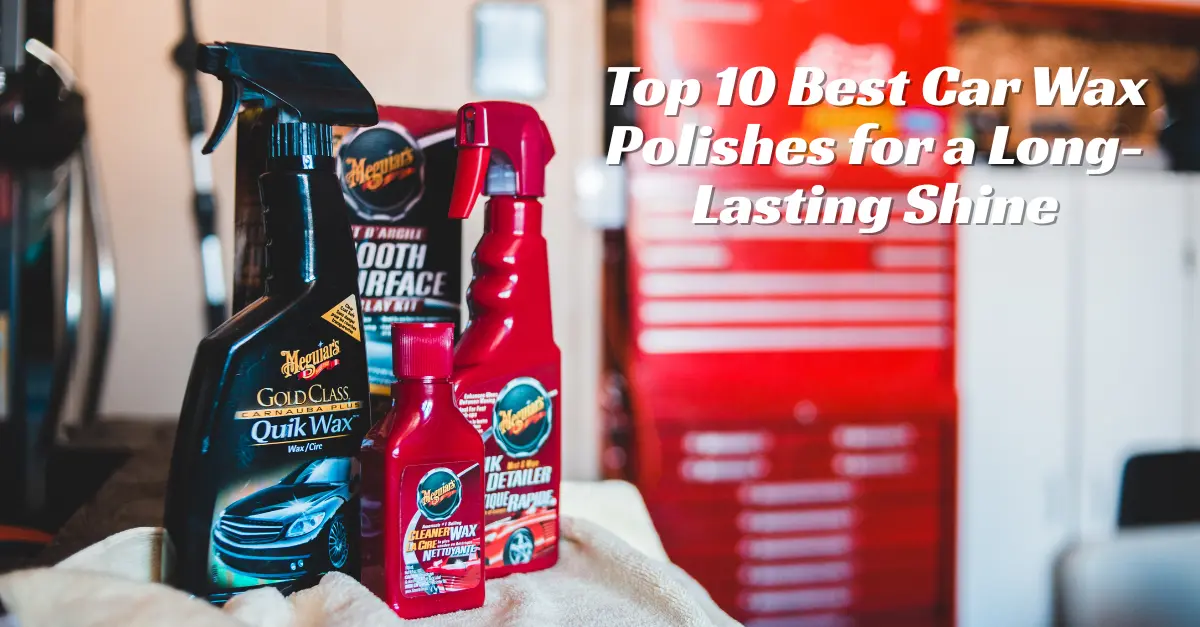
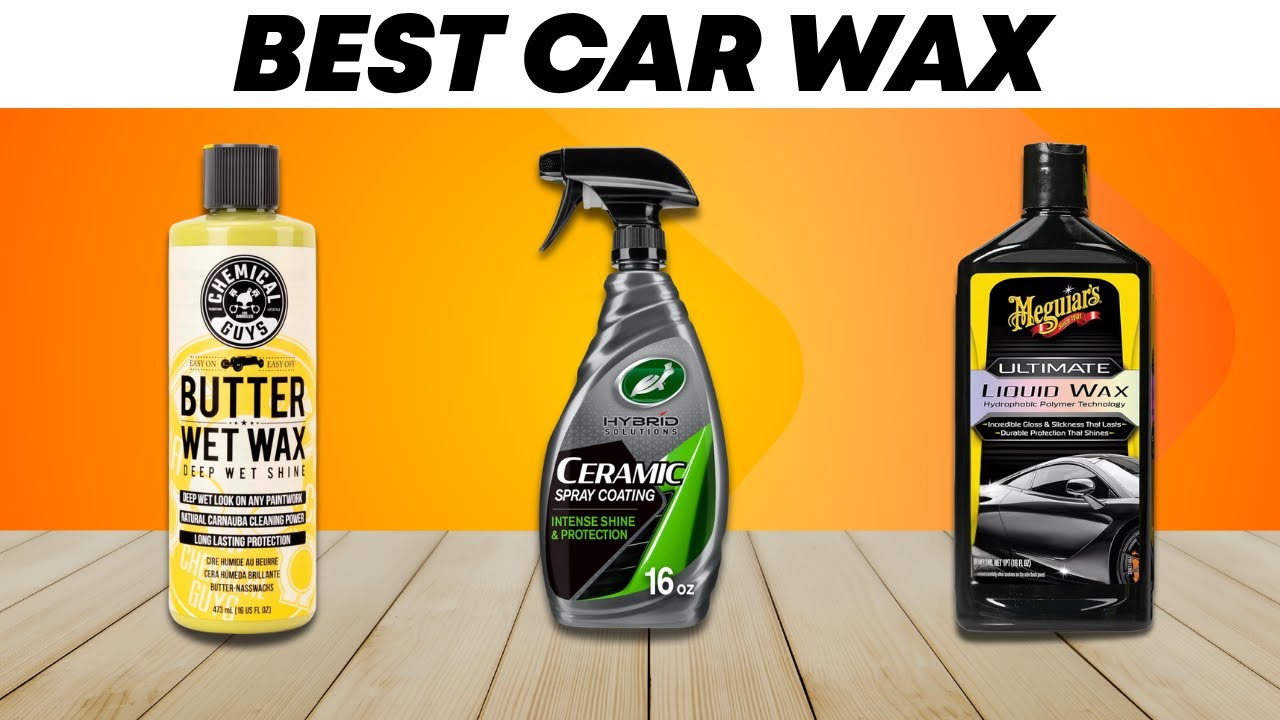
- Meguiar’s Ultimate Wax – known for rich gloss and durability.
- Chemical Guys Butter Wet Wax – easy to apply with a wet-look finish.
- Collinite No. 845 – offers strong protection, ideal for all weather.
Budget-friendly Choices
Budget waxes deliver good results without high costs. They protect paint and add shine but need more frequent applications. Great for everyday car care on a budget.
- Turtle Wax Super Hard Shell – affordable and widely available.
- Armor All Car Wax – simple to use with decent protection.
- Rain-X Original Wax – helps repel water and adds shine.
Eco-friendly Alternatives
Eco-friendly waxes avoid harsh chemicals and protect the environment. They use natural ingredients and reduce pollution. Ideal for eco-conscious car owners.
- Dr. Bronner’s Organic Wax – made with organic oils and beeswax.
- Eco Touch Waterless Wash & Wax – cleans and waxes without water.
- Mother’s California Gold Brazilian Carnauba Cleaner Wax – natural carnauba for shine and protection.

Credit: www.cleanyourcar.co.uk
Step-by-step Waxing Process
Choosing the best car wax depends on your car’s finish and protection needs. Clean the car thoroughly before applying wax in thin, even layers. Buff gently to reveal a shiny, smooth surface that lasts longer.
Achieving that showroom shine for your car is easier than you might think. The secret lies in the waxing process, which not only enhances the appearance but also protects the paintwork. Let’s break down the step-by-step process to get your vehicle gleaming like new.Preparing The Car Surface
Before you even think about applying wax, start with a clean slate. Wash your car thoroughly to remove dirt, grime, and old wax residues. Use a car shampoo and a microfiber mitt for best results. Make sure the car is dry and parked in a shaded area. Direct sunlight can cause the wax to dry too quickly, making it difficult to buff. A smooth, clean surface is essential for an even application and long-lasting results.Applying The Wax
Choose a high-quality car wax that suits your needs—liquid, paste, or spray. Each has its benefits, but paste waxes are often praised for their durability. Apply a small amount of wax to a foam applicator pad. Use small, circular motions to spread the wax evenly over a section of the car. It’s better to work in smaller sections to ensure complete coverage without rushing.Buffing Techniques
Once the wax has dried to a haze, it’s time to buff. Use a clean, soft microfiber towel to gently wipe away the haze. Buff in small sections, using light pressure to avoid scratching the surface. If you’re using an electric buffer, keep the speed low to prevent overheating the paint. Remember, patience is key here; rushing can lead to uneven shine.Maintenance Tips
Regular maintenance will keep your car looking its best for longer. Wax every three to four months, depending on your climate and driving conditions. A quick detailer spray can help maintain the shine between waxes. Protect your work by parking in covered areas whenever possible. This simple habit can extend the life of your wax job, keeping your car looking fresh and well-cared-for. Are you ready to transform your car’s appearance with these steps? The process is straightforward but incredibly rewarding.Common Mistakes To Avoid
Waxing your car seems simple, but many people unknowingly make mistakes that reduce the quality of the finish. These errors can waste your time and money, and even damage your paint. Avoiding common pitfalls will help you get the best shine and protection from your car wax.
Applying Wax In Direct Sunlight
Applying wax under the hot sun can cause it to dry too quickly, making it hard to spread evenly. I once tried waxing my car on a bright afternoon, and the wax dried in spots before I could buff it out. This left uneven patches that were difficult to fix.
Choose a shaded area or wax your car during cooler parts of the day. This gives you more control and a smoother finish.
Using Too Much Or Too Little Wax
Using too much wax can create a thick, sticky layer that’s tough to remove. Too little wax, on the other hand, won’t give your car adequate protection or shine.
Think of wax like seasoning food—you want just enough to enhance without overpowering. Apply a thin, even layer in small sections, and build up if needed.
Neglecting Surface Cleaning
Waxing over dirt, dust, or old wax can trap contaminants and cause scratches. Before waxing, always wash and dry your car thoroughly.
Even small particles can affect the smoothness and clarity of the wax finish. Take a few extra minutes to clean your car properly; your paint will thank you for it.
Faqs About Car Wax
Car waxing often raises a lot of questions, especially for those new to car care. Understanding the basics can save you time, money, and frustration. Here are some frequently asked questions that can help you get the most out of your car wax.
How Often To Wax?
The frequency of waxing depends on your car’s exposure to elements like sun, rain, and dirt. Generally, waxing every three months keeps your paint protected and shiny. If you park outdoors or in harsh climates, consider waxing more often—maybe every six to eight weeks.
Pay attention to how water behaves on your car’s surface. If water stops beading and starts spreading out, it’s a sign your wax layer is thinning and needs reapplication.
Wax Vs Sealant: Which Is Better?
Wax and sealant both protect your car’s paint but work differently. Wax is natural and gives a warm, deep shine, but usually lasts only a few weeks to a couple of months. Sealants are synthetic, offering longer-lasting protection—sometimes up to six months—but with a glossier, less natural look.
If you want a quick, beautiful shine and don’t mind reapplying often, wax is a solid choice. For longer-lasting defense with less frequent upkeep, sealants might suit your needs better. Why not try both on different sections to see what you prefer?
Can Wax Remove Scratches?
Wax can’t remove deep scratches, but it can mask minor ones by filling in tiny surface imperfections. If your car has fine swirl marks or light scratches, a good wax job can make them less noticeable and improve the overall look. However, for deeper scratches, you’ll need polishing or professional repair.
Think of wax as a cosmetic fix rather than a true scratch remover. Regular waxing keeps your paint smooth, which helps prevent new scratches from setting in.
Credit: www.youtube.com
Frequently Asked Questions
What Factors Determine The Best Car Wax?
The best car wax depends on durability, ease of application, and shine quality. Consider your car’s paint type and climate. Synthetic waxes last longer, while natural waxes give a deeper shine. Choose one that fits your maintenance routine and desired finish.
How Often Should I Apply Car Wax?
Apply car wax every 3 to 4 months for optimal protection. Frequent waxing maintains shine and shields paint from UV rays, dirt, and moisture. However, if exposed to harsh conditions, wax more often to preserve your car’s finish.
Which Car Wax Type Lasts The Longest?
Synthetic or polymer-based waxes last longer than natural carnauba waxes. They provide durable protection against environmental damage. While natural wax offers a warmer glow, synthetic waxes require less frequent application and protect better in harsh weather.
Can Car Wax Protect Against Scratches?
Car wax forms a protective layer that helps reduce minor scratches. It won’t repair deep scratches but minimizes swirl marks and surface abrasions. Regular waxing maintains the paint’s smoothness, enhancing both protection and appearance.
Conclusion
Choosing the best car wax depends on your needs and budget. Some waxes offer long-lasting shine, while others protect better. Think about how often you wash your car and the climate you live in. A good wax keeps your car looking clean and new.
Apply it carefully and enjoy the smooth finish. Regular waxing helps protect your paint from damage. Try different types to find what works best for you. Keep your car shining bright all year round. Simple care makes a big difference.