

Are your wiper blades leaving streaks or missing spots on your windshield? You might be wondering, “What wiper blades fit my car?”
Choosing the right ones isn’t as simple as picking any blade off the shelf. The wrong fit can reduce your visibility and compromise your safety. You’ll discover how to find the perfect wiper blades for your vehicle quickly and easily.
Keep reading to protect your view and drive with confidence, no matter the weather.
Types Of Wiper Blades
Wiper blades come in different types designed for various weather and driving conditions. Choosing the right type improves visibility and safety. Understanding each type helps in selecting the best fit for your car.
Conventional Blades
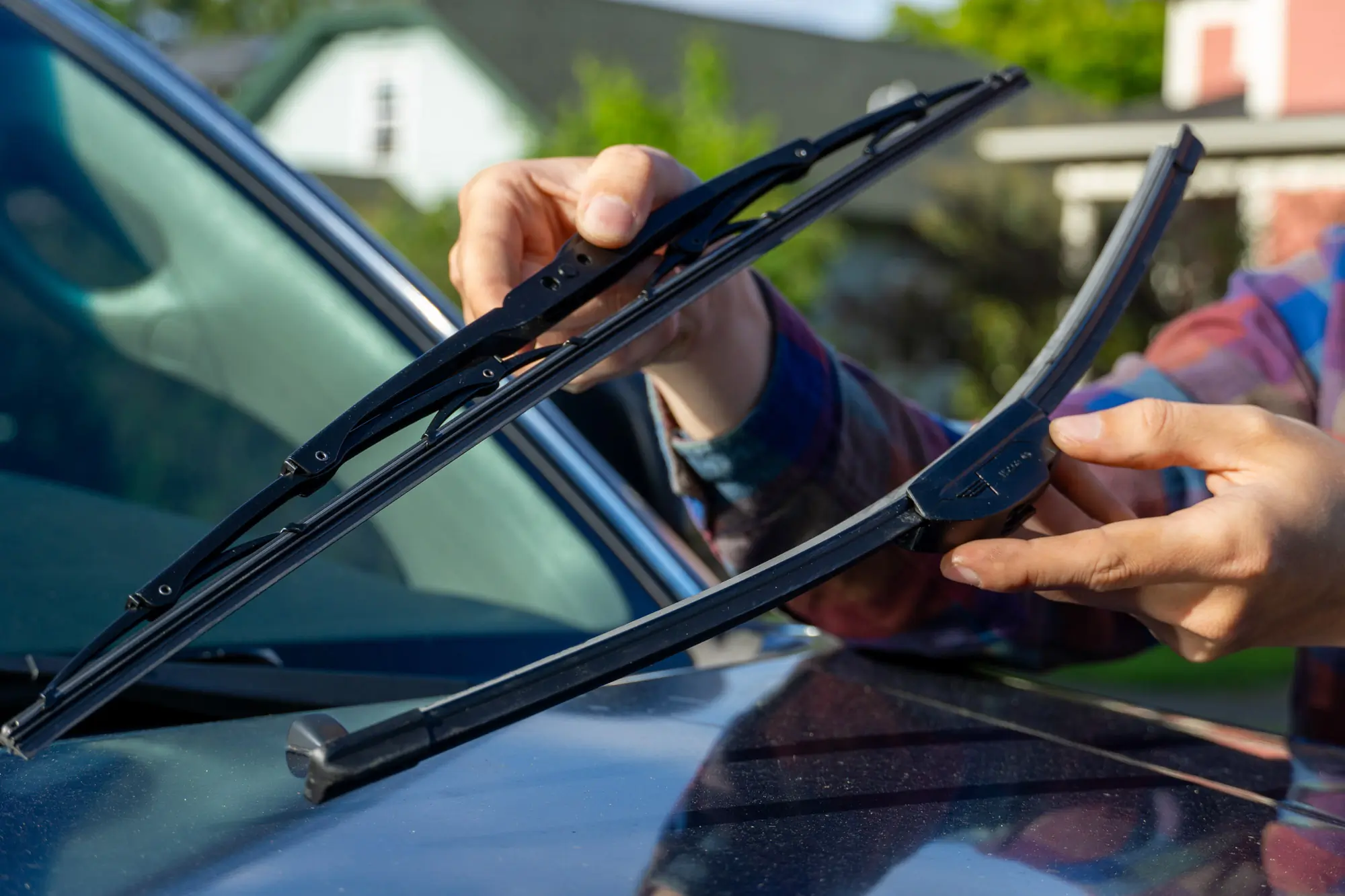
Conventional blades have a metal frame that holds the rubber strip. They are the most common and affordable type. These blades work well in mild weather and clear rain effectively.
They may wear out faster in extreme heat or cold. Regular maintenance is important for their performance.
Beam Blades
Beam blades have a sleek, one-piece design without a metal frame. This design gives better contact with the windshield. They perform well in heavy rain and snow.
Beam blades are more durable and resist ice build-up. They provide a quieter wiping action than conventional blades.
Hybrid Blades
Hybrid blades combine features of conventional and beam blades. They have a metal frame covered by a flexible rubber shell. This design offers strong wiping power and durability.
Hybrid blades work well in varied weather conditions. They fit many car models and provide smooth wiping performance.
Measuring Your Current Wiper Blades
Measuring your current wiper blades ensures you buy the right size for your car. Correct measurement helps avoid poor wiping and damage to your windshield. It is a simple process that anyone can do at home.
Tools Needed For Measurement
- A tape measure or ruler
- A clean cloth to wipe the blades
- Good lighting or natural daylight
- A notepad or phone to record measurements
Step-by-step Measurement Process
- Lift the wiper arm away from the windshield carefully.
- Use the tape measure to measure the length of the rubber blade.
- Start measuring from one end of the blade to the other end.
- Note the length in inches or centimeters for accuracy.
- Check both wiper blades, as sizes may differ front to back.
- Wipe the blades clean before measuring to avoid mistakes.
- Record the measurements clearly for reference when buying replacements.
Finding The Right Size For Your Car
Finding the right size for your car’s wiper blades is essential for clear visibility and safe driving. Using blades that are too short or too long can reduce their effectiveness and even damage your windshield. Knowing exactly what fits your vehicle helps you avoid unnecessary trips to the store or returns.
Checking The Owner’s Manual
Your car’s owner’s manual is a reliable source for the exact wiper blade size. It often lists the dimensions for both the driver’s and passenger’s side blades, and sometimes even the rear wiper.
Keep your manual handy or find a digital version online. This step saves time and ensures you don’t guess sizes that could lead to poor performance or fit issues.
Using Online Size Lookup Tools
Many websites and auto parts stores offer online tools where you enter your car’s make, model, and year to find the right wiper blade sizes. These tools simplify the process and usually provide a list of compatible blades from different brands.
These lookups can also highlight popular sizes for your vehicle, so you can compare prices and reviews quickly. Have you tried this? It’s often faster than flipping through physical catalogs.
Matching Size To Weather Conditions
Consider the weather you drive in when choosing your wiper blades. In snowy or icy areas, longer or heavy-duty blades might be necessary to clear thick ice and slush effectively.
Conversely, in mild climates, standard-sized blades often do the job well. Think about your local conditions before picking a size—could a different size improve your visibility during harsh weather?
Wiper Blade Attachment Types
Choosing the right wiper blade for your car means understanding how it attaches to your vehicle’s wiper arm. The attachment type affects not only compatibility but also how easy it is to install your new blades. Knowing the common attachment types can save you time and frustration at the store or during replacement.
Hook Arm
The hook arm is the most common wiper blade attachment. It features a simple, curved hook that holds the blade securely in place. You’ll find this type on many older and current vehicle models because it’s straightforward and reliable.
Installing a blade with a hook arm usually involves sliding the blade’s connector into the hook until it clicks. If your wiper arm has a hook, you can pick from a wide range of compatible blades easily. Have you ever struggled with a blade that just wouldn’t snap into place? Hook arms usually avoid that hassle.
Pin Arm
Pin arms use a small pin or protruding nub to secure the blade. This style is less common but appears on several European and Japanese cars. The blade has a hole that fits over the pin, locking it firmly.
Replacing pin arm wiper blades can feel tricky if you’re not expecting it. You usually need to press a small tab or release a clip to remove the old blade. If you own a car with pin arms, check your owner’s manual or measure the pin size before buying new blades to avoid guesswork.
Bayonet Arm
Bayonet arms have a flat, straight attachment with a small clip or latch that holds the blade in place. This type looks like a small, flat bar with a locking mechanism on one end. It’s common on some European cars and newer models.
Installing blades on bayonet arms requires aligning the blade’s connector with the arm and then snapping it in. This attachment feels very secure once clicked but may need a bit more force to remove. If your blades wear out frequently, double-checking the bayonet clip’s condition might help prevent sudden blade drops.
Popular Brands And Their Fitments
Many popular brands offer wiper blades designed to fit specific car models. Checking your car’s make and year helps find the right size and style. Proper fit ensures clear visibility and safe driving in all weather conditions.
Finding the right wiper blades for your car can sometimes feel overwhelming, given the variety of brands and fitments available. However, understanding the specifics of popular brands can simplify your decision-making process. Let’s explore some of the top names in the industry and their compatibility with your vehicle.Bosch
Bosch wiper blades are renowned for their durability and performance. They offer a wide range of options, from the standard blades to advanced models like the Bosch ICON. This series is designed with a beam-style blade that fits snugly on your windshield for optimal contact. Bosch provides a detailed fitment guide on their website, making it easy to find the right blade size for your car. Have you checked your car’s make and model against their compatibility chart?Rain-x
Rain-X is a favorite among drivers for its water-repelling technology. Their Latitude series features a contoured design that adapts well to different windshield shapes. This ensures clear visibility even in heavy rain. The Rain-X website offers a simple tool to match your vehicle with the correct wiper blade. It’s a handy resource if you’re unsure about which fitment is best for you. Have you tried experiencing the difference Rain-X can make during a downpour?Michelin
Michelin wiper blades are synonymous with reliability and innovation. The Michelin Stealth series, for instance, combines a conventional blade with the technology of a beam blade. This hybrid design ensures robust performance across varying weather conditions. Michelin’s online fitment guide is straightforward, allowing you to quickly identify the right blades for your car. When was the last time you considered upgrading your wipers to something more advanced and efficient? Choosing the right wiper blade brand can significantly impact your driving experience. With each brand offering unique features, there’s a perfect match for every vehicle. Have you found yours yet?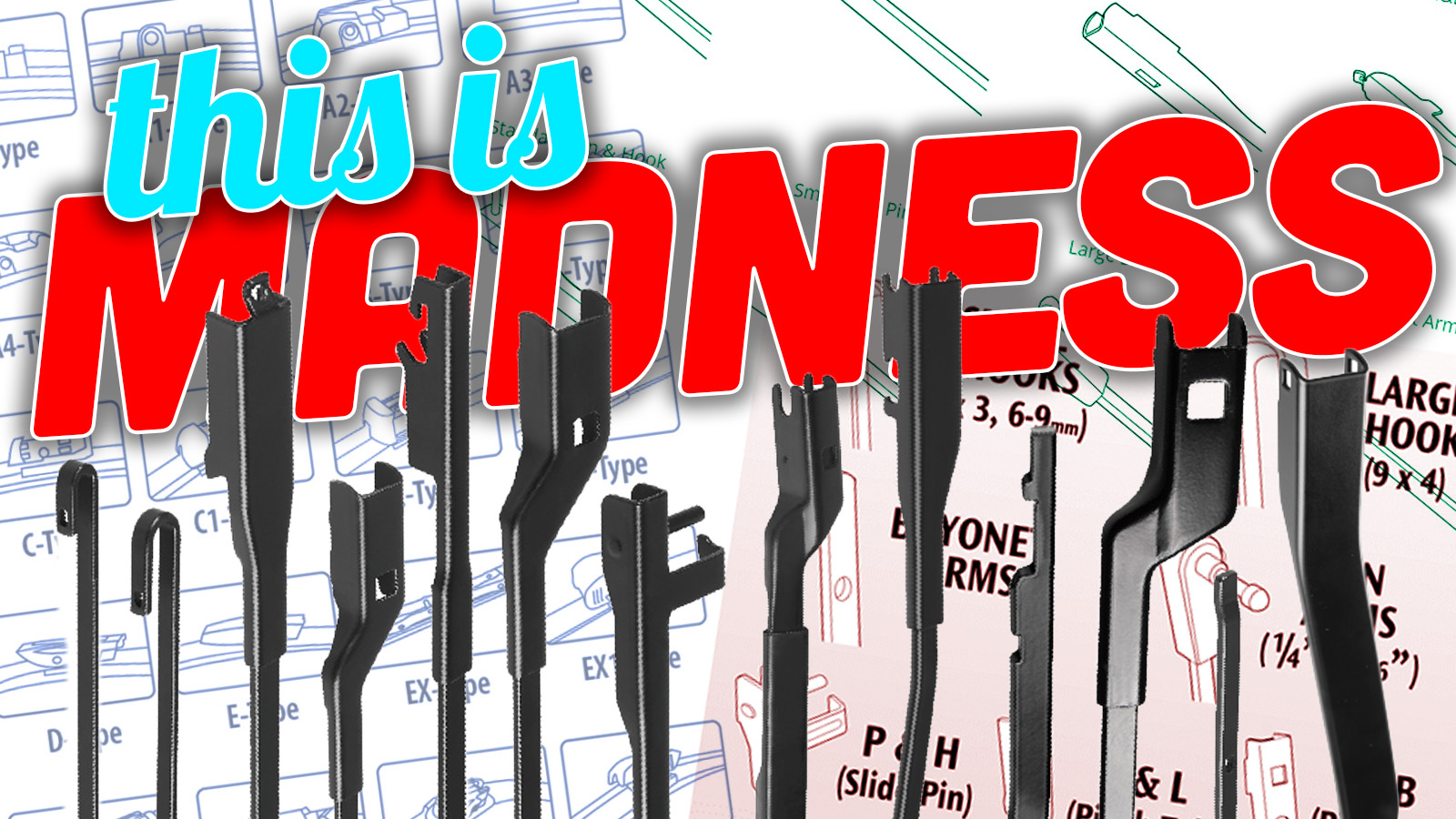
Credit: www.theautopian.com
Replacing Wiper Blades Yourself
Replacing wiper blades yourself saves time and money. It keeps your windshield clear and your drive safe. The process is simple and requires no special tools. Follow clear steps to remove old blades and install new ones.
Removing Old Blades
Lift the wiper arm away from the windshield carefully. Find the small tab or clip holding the blade in place. Press or pull the tab gently to release the blade. Slide the blade off the arm smoothly. Avoid bending the wiper arm too much to prevent damage.
Installing New Blades
Align the new blade with the wiper arm hook. Slide the blade into the arm until it clicks securely. Make sure the blade is firmly attached and does not move. Repeat the process for the other wiper blade. Use the correct size blades for your car model.
Testing For Proper Fit
Lower the wiper arms back onto the windshield slowly. Turn on the wipers to check their movement and contact. Watch for streaks or skipping on the glass. Ensure the blades clear water evenly across the windshield. Replace the blades again if they do not fit well.
Signs You Need New Wiper Blades
Keeping your windshield clear is crucial for safe driving. Wiper blades wear out over time, and noticing the signs early can save you from poor visibility and dangerous situations. Here are some clear signals that your wiper blades need replacing.
Streaking And Skipping
If your wipers leave streaks or miss spots on the windshield, it’s a sign they aren’t making proper contact. This can happen because the rubber has hardened or cracked. Have you ever driven through a rainstorm only to find your view partially blocked? That’s your wiper blades struggling to do their job.
Chattering Sounds
When wiper blades make a chattering or squeaking noise, it usually means the rubber is worn or the blade is not gliding smoothly. This sound can be distracting and indicates that the blades might scratch the glass instead of cleaning it. Listen closely next time you turn them on—does that noise interrupt your concentration?
Physical Damage
Visible cracks, tears, or missing chunks of rubber on your wiper blades are hard to ignore. Physical damage directly reduces their effectiveness, causing uneven wiping and even scratching the windshield. Take a moment to inspect your blades regularly; a quick look can prevent bigger problems on the road.
Credit: gearjunkie.com
Maintaining Wiper Blades For Longevity
Choosing the right wiper blades ensures a perfect fit for your car’s make and model. Proper fit helps blades last longer and wipe clearly in all weather. Checking your car’s manual or measuring old blades guides the best selection.
Maintaining wiper blades for longevity is crucial to ensure clear visibility during adverse weather conditions. Often overlooked, these small components play a significant role in your driving safety. By dedicating a little time to their upkeep, you can prevent premature wear and save money on replacements.Cleaning Tips
Regular cleaning can greatly extend the lifespan of your wiper blades. Use a soft cloth and a mixture of mild soap and water to gently wipe away dirt and debris. Make this a part of your regular car wash routine to ensure your blades perform at their best.Avoiding Sun Damage
Exposure to direct sunlight can cause your wiper blades to crack and deteriorate. Whenever possible, park your car in a shaded area or use a windshield cover. This small step can protect your blades from UV damage and keep them flexible.Seasonal Care
Different seasons bring different challenges for wiper blades. In winter, ice can be harsh on blades, so it’s wise to lift them off the windshield during heavy snowfalls. During the rainy season, check for any signs of wear to ensure they can handle sudden downpours effectively. Have you considered the impact of weather on your wiper blades? By focusing on these simple maintenance steps, you can ensure they last longer and perform better when you need them most.
Credit: www.amazon.com
Frequently Asked Questions
How Do I Find The Right Wiper Blades For My Car?
Check your car’s manual or measure the old blades. Use your car’s make, model, and year to find the correct size and type of wiper blades online or at auto stores.
Can I Use Universal Wiper Blades On Any Vehicle?
Universal wiper blades fit many cars but may not match perfectly. Always verify compatibility with your car’s specifications for optimal performance and fit.
How Often Should I Replace My Car’s Wiper Blades?
Replace wiper blades every 6 to 12 months or when they streak, skip, or make noise. Regular replacement ensures clear visibility and safe driving.
Are There Different Types Of Wiper Blades For Cars?
Yes, common types include conventional, beam, and hybrid blades. Each type offers different durability, performance, and fit for various weather conditions and vehicles.
Conclusion
Choosing the right wiper blades keeps your windshield clear and safe. Always check your car’s manual or measure old blades before buying. Different cars need different sizes and types of blades. Proper fit means better performance and longer blade life.
Replace blades regularly to avoid streaks and improve visibility. Clean blades also help during rain, snow, or dust. Taking a little time now saves trouble later. Drive safely with the correct wiper blades on your car.