

Have you ever found yourself stuck with a dead car battery and no idea why it happened? It’s frustrating, inconvenient, and can ruin your whole day.
Understanding what will drain a car battery can save you from this hassle. By knowing the common causes, you can protect your battery and avoid those unexpected breakdowns. Keep reading, because your car’s battery life depends on what you do—and don’t do—with it.
Let’s uncover the surprising reasons your battery might be losing power right now.
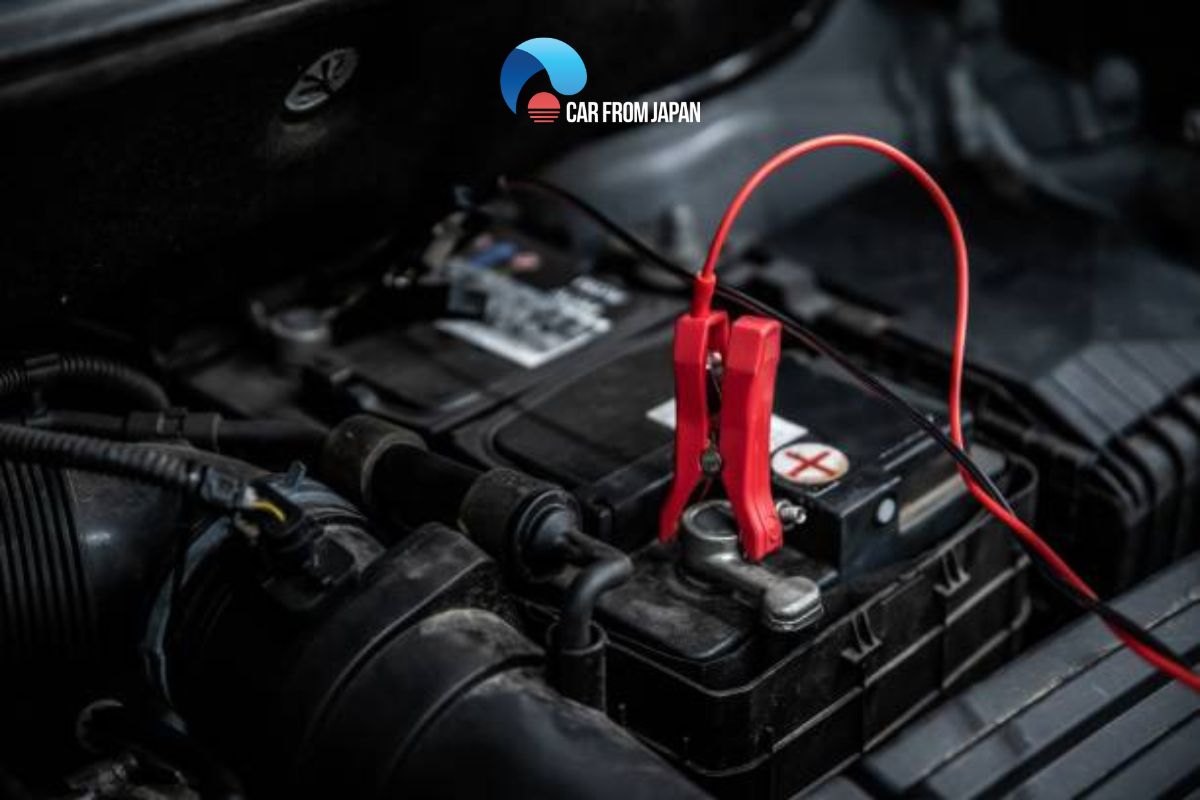
Credit: carfromjapan.com
Common Battery Drainers
Car batteries drain for many reasons. Some causes are simple and easy to fix. Others need attention from a mechanic. Knowing common battery drainers helps you avoid sudden breakdowns. It also saves time and money on repairs.
Leaving Lights On
Lights left on inside or outside the car drain the battery fast. Headlights, dome lights, or trunk lights can stay on by mistake. Even a few hours can weaken the battery. Always check lights before leaving your car.
Faulty Electrical Components
Broken parts like alternators, starters, or wiring cause battery drain. These parts use power even when the car is off. A small electrical problem can drain the battery overnight. Regular checks help spot these issues early.
Old Or Weak Battery
Batteries lose power over time. An old or weak battery holds less charge. It drains faster and may fail to start the car. Replace batteries every 3 to 5 years to keep your car reliable.

Credit: carfromjapan.com
Effects Of Short Drives
Short drives can have a surprising impact on a car’s battery life. These brief trips often don’t give the battery enough time to fully recharge. Over time, this can weaken the battery and reduce its overall lifespan. Understanding these effects helps in maintaining a healthier battery.
Insufficient Charging Time
Car batteries charge through the alternator while driving. Short drives may last only a few minutes. This short time is not enough for the battery to regain full power. The battery slowly loses charge with each short trip. Over days, this leads to a drained battery.
Impact On Battery Health
Repeated short drives cause the battery to stay undercharged. Constant undercharging damages the battery cells. This damage lowers the battery’s capacity to hold power. The battery ages faster and fails sooner. Proper charging needs longer drives or a battery charger.
Role Of Extreme Temperatures
Extreme temperatures can significantly affect your car’s battery. They impact battery performance and lifespan. Both cold and hot weather bring challenges. Understanding these effects helps in maintaining battery health.
Cold Weather Impact
Cold weather can slow down the chemical reactions in a battery. This results in reduced power output. Batteries need more energy to start the engine in cold conditions. The engine oil thickens, increasing the workload for the battery. This often leads to a dead battery on chilly mornings.
In freezing temperatures, a battery’s capacity can drop by 20%. Older batteries are more vulnerable. Testing your battery before winter can prevent unexpected failures.
Heat And Battery Drain
Heat accelerates battery fluid evaporation. This can damage internal components. High temperatures increase the risk of battery corrosion. This weakens the battery’s ability to hold a charge.
In hot weather, your car’s cooling system works harder, putting more strain on the battery. Parking in shaded areas can minimize exposure to extreme heat. Regular maintenance helps in early detection of potential battery issues.
Parasitic Battery Drain
Parasitic battery drain silently saps your car’s battery power even when the engine is off. It’s a common issue that many drivers overlook until their vehicle refuses to start. Understanding this hidden energy loss can save you from inconvenient breakdowns and costly repairs.
What Causes It
Parasitic battery drain happens when electrical components keep drawing power after you’ve turned off the ignition. Some common culprits include:
- Faulty interior lights that stay on
- Aftermarket alarm systems or stereo equipment
- Glove box or trunk lights that don’t switch off properly
- Malfunctioning relays and switches
- Electrical shorts or wiring problems
Even a small issue like a stuck relay can slowly drain your battery overnight. Have you ever left your dome light on and found your car dead the next morning? That’s a simple example of how parasitic drain works.
How To Detect
Detecting parasitic drain requires some basic tools and a bit of patience. You’ll need a digital multimeter to measure the electrical current flowing from your battery when the car is off.
- Disconnect the negative battery cable
- Set your multimeter to measure amps
- Connect the meter between the negative terminal and the cable
- Check the reading; anything over 50 milliamps could indicate a drain
If you see a high reading, start pulling fuses one by one and watch the meter. When the current drops significantly, you’ve found the circuit causing the problem. This step-by-step isolation helps you pinpoint exactly what’s draining your battery.
Neglecting Maintenance
Neglecting maintenance can silently damage your car battery over time. Small issues often go unnoticed. These minor problems slowly drain power and reduce battery life. Routine checks and cleaning can prevent many common battery problems. Without care, you risk frequent battery failures and unexpected breakdowns.
Corroded Terminals
Corrosion builds up on battery terminals from acid and moisture exposure. This corrosion blocks electrical flow. The battery struggles to deliver power to the car. Corroded terminals cause slow starts and can drain the battery faster. Cleaning terminals regularly keeps connections strong and power steady.
Loose Connections
Loose battery connections disrupt the power supply. Vibrations from driving can loosen cables over time. Poor contact means the battery cannot charge properly. Loose connections cause intermittent power loss and battery drain. Tightening cables ensures a secure, steady flow of electricity.

Credit: carfromjapan.com
Avoiding Battery Drain
A car battery can lose power unexpectedly. Avoiding battery drain keeps your vehicle ready to start. Simple habits and regular checks help extend battery life.
Regular Inspections
Check the battery terminals for dirt and corrosion. Clean them gently with a brush to ensure good contact. Inspect cables for cracks or wear. Tighten loose connections to prevent power loss. Look for signs of battery swelling or leaks. Replace the battery if it shows damage or old age.
Proper Usage Habits
Turn off lights and electronics when the engine is off. Avoid leaving the car unused for long periods. Start the engine regularly to recharge the battery. Limit short trips that do not allow full charging. Use energy-saving settings on car accessories. Keep the battery fully charged during cold weather.
Frequently Asked Questions
What Common Habits Drain A Car Battery Quickly?
Leaving lights or accessories on after the engine stops is a common cause. Also, frequent short trips prevent full battery charging. Using electronic devices while the engine is off can drain power. Regularly checking and maintaining the battery helps prevent unexpected drains.
Can Extreme Weather Affect Car Battery Life?
Yes, both cold and hot weather impact battery performance. Cold reduces battery capacity and slows chemical reactions. Heat accelerates battery fluid evaporation and internal damage. Protecting the battery and parking in a garage can help preserve its life.
How Do Faulty Electrical Components Drain Car Batteries?
Malfunctioning alternators or wiring issues cause improper charging and power loss. Parasitic drains from electronics like alarms or GPS devices also consume battery power. Regular inspections and repairs ensure the electrical system works efficiently and prevents battery drain.
Does Leaving A Car Unused Drain The Battery?
Yes, a car left idle for weeks can experience battery drain. Self-discharge naturally occurs, and parasitic loads slowly consume power. Disconnecting the battery or using a trickle charger helps maintain charge during long periods of inactivity.
Conclusion
Car batteries drain for many common reasons. Leaving lights on or using electronics can drain power fast. Old batteries lose charge more quickly. Cold weather also affects battery life. Regular checks help catch problems early. Simple habits protect your battery and car.
Stay aware to avoid unexpected car trouble. Keep your battery healthy and your car ready. A little care goes a long way.