
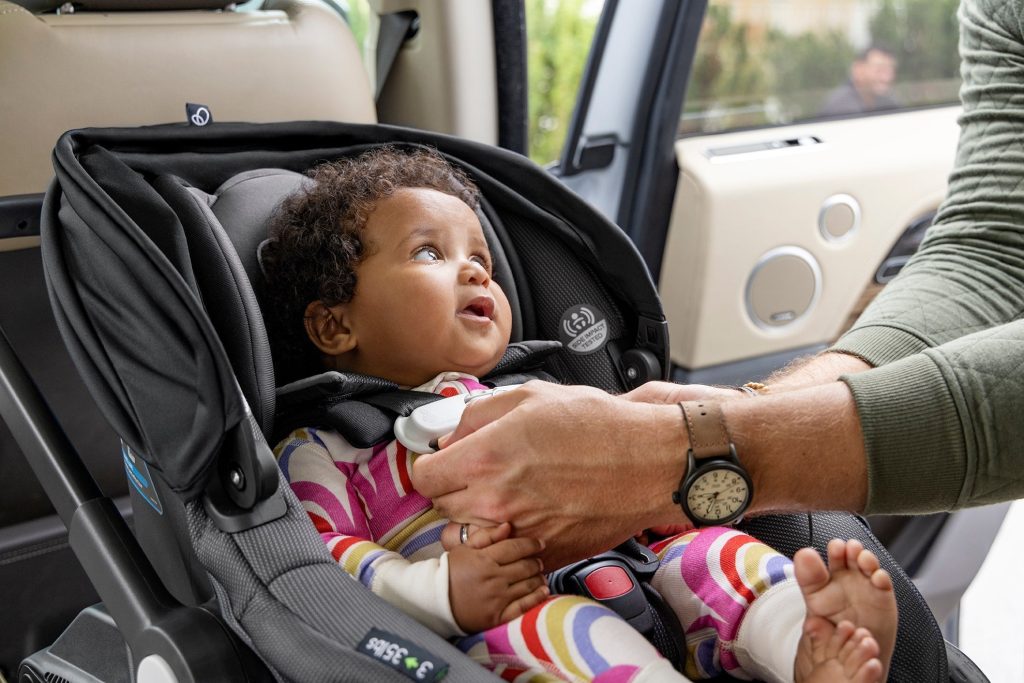
You want to keep your baby as safe as possible every time you drive. One important question you might have is: what side should the baby car seat be on?
Choosing the right side can make a big difference in your child’s safety and your peace of mind. You’ll discover the best spot for your baby’s car seat and why it matters. Keep reading to learn simple tips that can protect your little one on every trip.
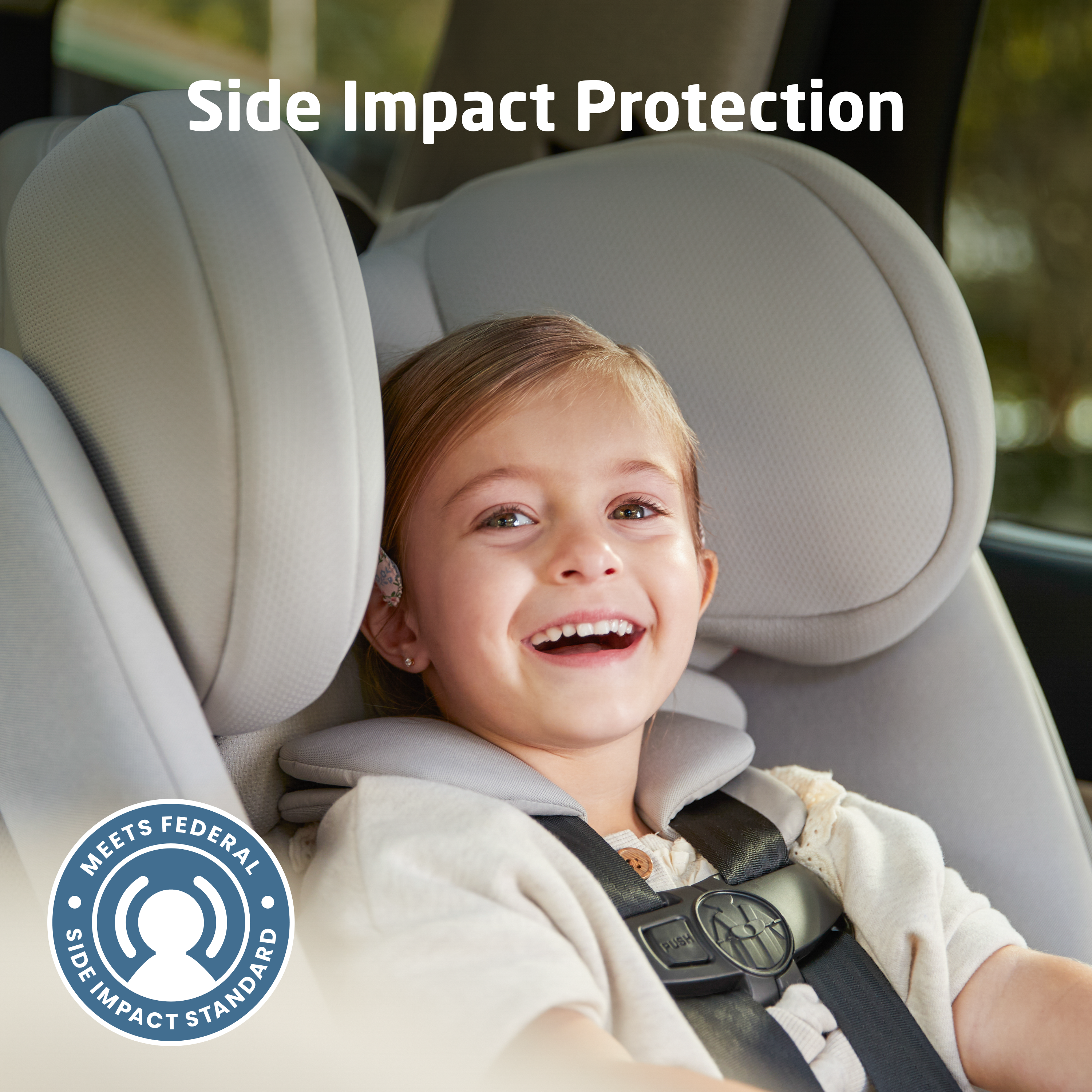
Credit: maxicosi.com
Best Position For Baby Car Seat
Choosing the best position for a baby car seat is key for safety. Proper placement reduces risks and keeps your child secure. Parents often wonder which side or seat is safest. This section clears up those doubts with clear, simple advice.
Rear Seat Benefits
The rear seat is the safest place for a baby car seat. It keeps children away from airbags and front collisions. Many safety experts recommend the center rear seat. This spot offers extra protection from side impacts.
Rear seat placement also lowers injury risks during sudden stops. It keeps your child within easy reach but out of harm’s way. Always secure the seat tightly to the vehicle’s anchors.
Avoiding Front Seat Risks
The front seat is not safe for baby car seats. Airbags can cause serious harm to small children. Front seats are closer to impact zones in crashes. This increases the danger of injury.
Many laws restrict using car seats in the front seat. Always follow local rules and car manufacturer guidelines. Keep your baby in the back to avoid preventable risks.
Choosing Left Or Right Side
Both left and right rear seats are safer than the front seat. The choice depends on your car and daily routines. The side nearest the curb is often better. It reduces exposure to traffic when loading or unloading.
Consider your parking habits and convenience. Pick the side that keeps your child safe and makes car access easier. Always double-check the seat fits well and locks securely on either side.
Safety Guidelines For Placement
Placing a baby car seat in the right spot improves safety during travel. The correct placement reduces injury risks in case of sudden stops or accidents. Following safety guidelines ensures your baby stays protected.
Checking Vehicle Manual
Start by reading your vehicle’s manual. It has important details about where to place child seats. Some cars have specific spots designed for car seats. Look for labels or signs inside the car indicating these areas.
The manual explains how to use seat belts or LATCH anchors. These keep the car seat secure. Always follow the manual’s instructions carefully to avoid mistakes.
Airbag Considerations
Never place a rear-facing car seat in front of an active airbag. Airbags can cause serious harm to babies during a crash. The safest place is usually the back seat, away from airbags.
Front passenger seats often have airbags. Check if your car has a switch to turn off the airbag. Use this only if the seat must go in front and the airbag can be deactivated safely.
Securing The Seat Properly
Make sure the car seat is tight and does not move more than one inch. Use the seat belt or LATCH system to secure it firmly. Check the car seat’s angle to keep your baby’s head from falling forward.
Double-check all straps and buckles. They should be snug and locked. A loose car seat can be dangerous in sudden stops or crashes.
Common Mistakes To Avoid
Choosing the right side for your baby’s car seat is just one part of keeping your little one safe on the road. Many parents unintentionally make mistakes that can reduce the car seat’s effectiveness. Understanding these common errors helps you protect your child better and avoid unnecessary risks.
Incorrect Seat Installation
Installing the car seat incorrectly is a widespread issue. Even if you pick the safest side, a poorly installed seat won’t offer proper protection. Always double-check that the seat is tightly secured and that it doesn’t move more than an inch side to side or front to back.
Have you ever felt unsure if your car seat was installed right? Many parents do, which is why some local fire stations and hospitals offer free installation checks. Taking advantage of these resources can save you from costly mistakes.
Loose Harness Straps
Loose harness straps can make a big difference in crash safety. The straps should be snug enough that you can’t pinch any slack at the shoulder. If the harness is too loose, your baby could slip out or get seriously injured during sudden stops.
Think about how you secure your own seatbelt—would you feel safe with it hanging loose? Applying the same principle to your baby’s harness can keep them secure and comfortable.
Using Expired Car Seats
Car seats come with expiration dates for a reason. Materials degrade over time, and safety standards evolve. Using an expired seat might mean your baby isn’t getting the latest protection technology.
Check the label on your car seat regularly. If it’s expired or has been in a crash, it’s time to replace it. Your child’s safety is worth the investment.

Credit: orbitbaby.com
Special Situations And Exceptions
Special situations and exceptions affect the best placement of a baby car seat. Safety rules may change depending on the vehicle type, number of children, or travel mode. Understanding these unique cases helps keep your child secure in all conditions.
Taxi And Rideshare Safety
Most taxis and rideshare cars lack built-in car seat anchors. Parents often need to install the seat using only the seat belt. Placing the car seat in the back seat center is safest if possible.
Some rideshare services offer car seats. Check availability before booking. If no car seat is provided, carry your own for better protection.
Multiple Children In The Car
With two or more children, space becomes limited. The back seat is safest for all. Place car seats on the outer seats to allow easier access.
Keep infants in rear-facing seats as long as possible. Older children can use booster seats in the middle seat if it fits well.
Traveling In Different Vehicles
Car seat placement varies by vehicle size and design. Test fit the seat in each car before travel. Adjust the seat position for a secure fit every time.
Some vehicles have only two back seats or no center seat. Use the safest available spot, usually the passenger side rear seat.
Additional Tips For Baby Comfort
Ensuring your baby’s comfort during car rides is crucial. A comfortable baby is a happy baby, leading to fewer distractions. Here are some essential tips to ensure your baby stays cozy and content in their car seat.
Maintaining Proper Temperature
Keep the car at a comfortable temperature for your baby. Use sunshades on windows to block harsh sunlight. During cold weather, warm the car before placing the baby inside.
Avoiding Bulky Clothing
Avoid dressing your baby in bulky clothes while in the car seat. Thick clothing can interfere with the harness. Instead, dress them in light layers. Use a blanket over the harness for warmth.
Regular Seat Adjustments
Adjust the car seat straps regularly for your baby’s growth. Ensure the harness fits snugly over the shoulders. The straps should lay flat without twists.
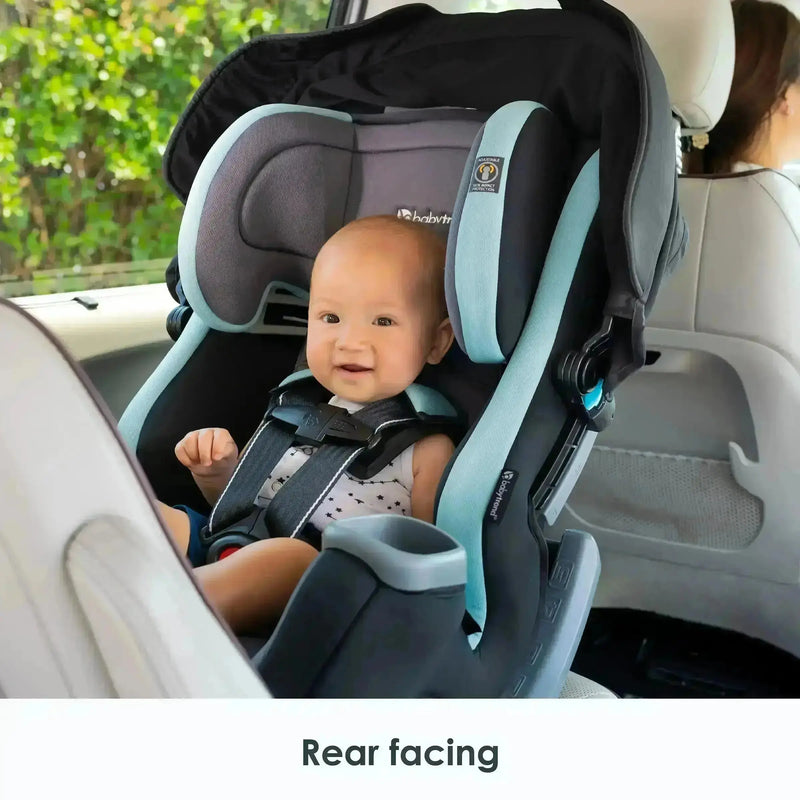
Credit: babytrend.com
Frequently Asked Questions
Which Side Is Safest For A Baby Car Seat?
The safest side for a baby car seat is usually the rear middle seat. It offers the most protection in a crash. If the middle seat isn’t available, the passenger side is preferred for easier access and safety.
Can A Baby Car Seat Be On The Driver’s Side?
Placing a baby car seat on the driver’s side is not recommended. It can be dangerous due to potential side impacts and limited space. Always follow your vehicle’s manual and safety guidelines for the best placement.
Why Is The Rear Middle Seat Best For Car Seats?
The rear middle seat is the safest because it is farthest from impact zones. It reduces the risk of injury during side collisions. Many safety experts and organizations recommend this spot for infant car seats.
Is The Passenger Side Better Than The Driver’s Side?
Yes, the passenger side is generally safer and more convenient. It provides easier access to the child from the sidewalk and away from traffic. This spot is preferred if the middle seat can’t be used.
Conclusion
Choosing the right side for your baby’s car seat keeps them safe. Most experts say the back seat is best. The side away from traffic offers extra protection. Always follow your car’s manual and car seat instructions. Double-check the seat is secure and tight.
Safety is the top priority for every ride. Small steps like this make a big difference. Keep your child comfortable and safe every time you drive. Trust your instincts and stay cautious on the road. Safe travels start with the right seat placement.