
Have you ever wondered if your car battery is working the way it should? Knowing the normal car battery voltage can save you from unexpected breakdowns and costly repairs.
Understanding this simple number helps you keep your vehicle running smoothly and avoids those frustrating moments when your car won’t start. You’ll discover what the ideal voltage is, how to check it yourself, and what signs to watch for if your battery isn’t performing right.
Keep reading to take control of your car’s health and drive with confidence every time.

Credit: ipowerqueen.com
Car Battery Basics
Your car’s battery is more than just a box under the hood. It’s the heart of your vehicle’s electrical system, providing the power needed to start the engine and run accessories. Understanding the basics of a car battery helps you maintain it better and avoid unexpected breakdowns.
Battery Components
A typical car battery consists of several key parts:
- Cells:Usually six cells, each producing about 2.1 volts, combine to create around 12.6 volts.
- Plates:Made of lead and lead oxide, these plates react chemically to produce electrical energy.
- Electrolyte:A liquid mixture of sulfuric acid and water that enables the chemical reaction between the plates.
- Terminals:The positive and negative posts where the battery connects to the car’s electrical system.
- Casing:A durable plastic shell that holds everything together and protects the internal components.
Knowing these parts helps you understand why batteries need regular checks and why corrosion on terminals can be a problem.
How A Car Battery Works
Your battery stores energy chemically and converts it into electrical energy when needed. When you turn the ignition key, the battery sends a burst of power to the starter motor, cranking the engine.
After the engine starts, the alternator takes over, recharging the battery as you drive. This balance ensures your battery stays ready for the next start.
Ever wondered why a car won’t start on a cold morning? Cold weather slows down the chemical reactions inside the battery, reducing its voltage output. This is why keeping an eye on your battery’s voltage can save you from getting stranded.
Credit: www.stromtrooper.com
Standard Voltage Levels
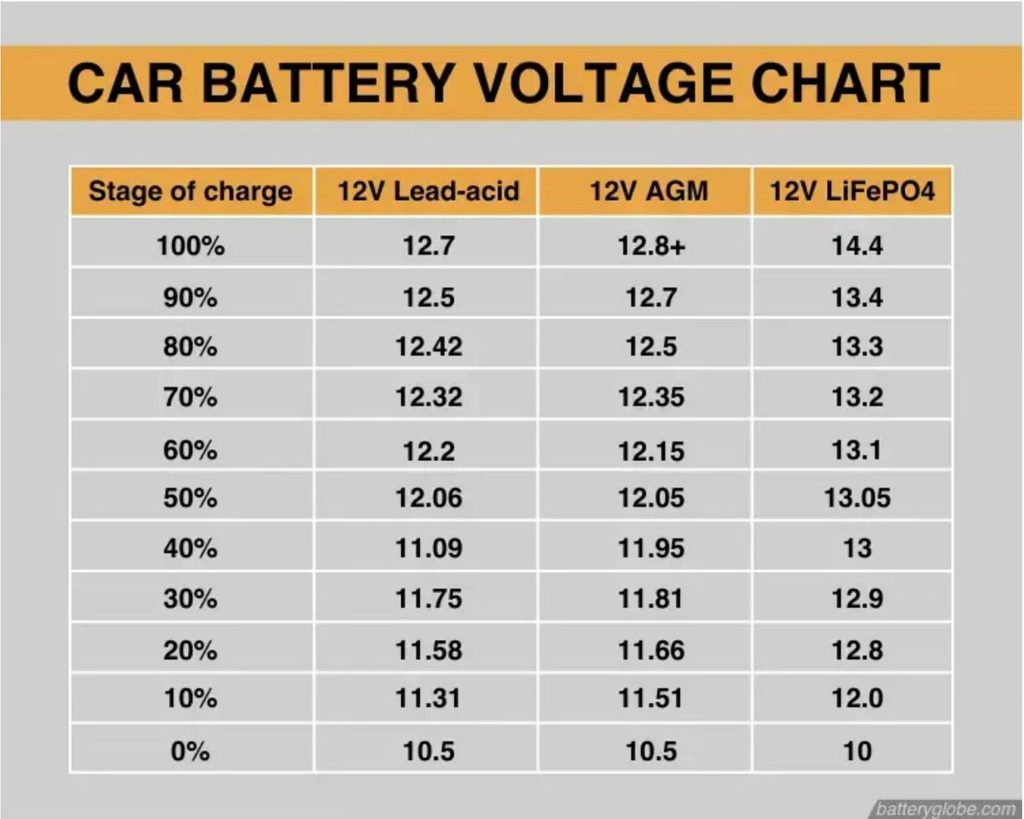
Understanding the standard voltage levels of a car battery helps maintain its health. Voltage readings show how well the battery performs at different times. These levels indicate the battery’s charge status and overall condition. Monitoring voltage can prevent unexpected battery failure.
Voltage When Fully Charged
A fully charged car battery typically shows about 12.6 to 12.8 volts. This range means the battery is in good condition. Values below this range suggest the battery is partially discharged. Keeping the battery at full charge extends its lifespan.
Voltage When Engine Is Off
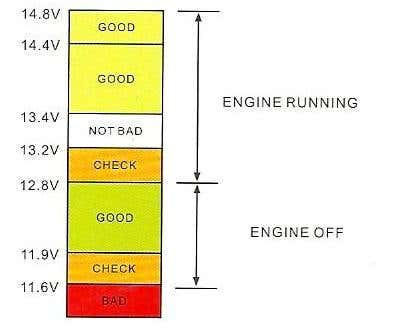
With the engine off, a healthy battery usually reads between 12.4 and 12.7 volts. This voltage reflects the resting state of the battery. Readings below 12.4 volts indicate the battery needs charging. Regular checks help avoid starting problems.
Voltage While Engine Is Running
When the engine runs, the alternator charges the battery. Voltage should rise to about 13.7 to 14.7 volts. This higher voltage shows the charging system is working properly. A voltage below 13.7 volts may point to a charging issue.
Signs Of Battery Health
Knowing the signs of a healthy car battery helps avoid sudden breakdowns. A battery’s voltage reveals its condition and performance. Watching the voltage range can signal if the battery works well or needs care.
Normal Voltage Range
A healthy car battery usually shows 12.4 to 12.7 volts when the engine is off. This range means the battery holds a good charge. When the engine runs, voltage rises to about 13.7 to 14.7 volts. This shows the alternator is charging the battery properly.
Low Voltage Symptoms
Voltage below 12.4 volts means the battery is weak or discharging. Common signs include:
- Slow engine cranking or trouble starting
- Dim headlights or electrical issues
- Battery warning light on the dashboard
Ignoring low voltage can lead to a dead battery and vehicle failure.
High Voltage Risks
Voltage over 14.7 volts may indicate overcharging. Overcharging can cause:
- Battery overheating
- Fluid loss inside the battery
- Reduced battery life
High voltage often points to a problem with the alternator or voltage regulator.
Factors Affecting Voltage
Understanding the factors that affect your car battery’s voltage can help you maintain its health and avoid unexpected breakdowns. Voltage is not fixed; it changes based on different conditions around and inside your battery. Knowing what influences these changes allows you to make smarter decisions about battery care and performance.
Temperature Impact
Temperature plays a huge role in your car battery’s voltage. Cold weather can lower the voltage because chemical reactions inside the battery slow down, reducing its ability to hold a charge. On the other hand, high heat can increase voltage but also speed up battery wear, leading to shorter battery life.
Have you ever noticed your car struggling to start on chilly mornings? That’s a clear sign temperature is affecting your battery voltage. Keeping your car in a garage during extreme weather can help stabilize this effect.
Battery Age And Wear
As your battery gets older, its ability to maintain a stable voltage decreases. Over time, the internal components degrade, causing the voltage to drop even when the battery is fully charged. This wear is why a battery that once performed perfectly might start showing weak voltage readings.
Think about how your phone battery loses charge faster after a year or two. Car batteries are similar—they don’t last forever. Regular voltage checks can help you spot early signs of aging before your battery fails completely.
Electrical Load Influence
Every electrical device in your car, from headlights to the stereo, draws power from the battery. The more devices you use simultaneously, the more the voltage can dip. This drop happens because the battery has to supply energy to all these loads at once.
Have you ever turned on multiple accessories and noticed your dashboard lights dim slightly? That’s your battery voltage responding to the increased load. Managing how many devices run at once can help maintain better voltage levels during operation.
Testing Battery Voltage
Testing your car battery voltage helps determine its health. A simple test can reveal much about your battery’s condition. Regular testing can prevent unexpected breakdowns. It’s a straightforward process anyone can do at home.
Using A Multimeter
Start with a multimeter to test the battery. Set it to measure voltage. Connect the red probe to the battery’s positive terminal. Attach the black probe to the negative terminal. Ensure a firm connection for accurate results.
Interpreting Readings
Check the multimeter’s display for the voltage reading. A healthy car battery shows 12.6 volts or higher. If it reads between 12.4 and 12.6 volts, the battery is slightly discharged. Below 12.4 volts indicates a discharged battery.
When To Seek Professional Help
Sometimes, battery issues require expert attention. If your battery shows low voltage repeatedly, consult a mechanic. Frequent jump-starts indicate deeper problems. Seek help if the battery doesn’t hold a charge.
Maintaining Proper Voltage
Maintaining proper voltage in your car battery is crucial for ensuring your vehicle starts reliably and all electrical components function smoothly. Voltage that strays too far from the normal range can lead to battery failure or unexpected breakdowns. Staying on top of your battery’s voltage means fewer surprises and a longer battery life.
Regular Battery Checks
Checking your battery voltage regularly helps catch problems early. Use a multimeter to measure the voltage—ideally, it should read around 12.6 volts when the car is off and between 13.7 to 14.7 volts when the engine is running.
If you notice the voltage dropping below 12.4 volts, your battery might be undercharged or failing. Testing every few weeks, especially before long trips or in extreme weather, keeps you ahead of potential issues.
Charging Best Practices
Proper charging is key to maintaining the right voltage. Avoid overcharging, which can damage the battery, and undercharging, which reduces its capacity. Using a smart charger that adjusts the charge based on the battery’s needs can help maintain optimal voltage.
Don’t leave your car unused for long periods without charging, as this can cause voltage to drop dangerously low. If you drive only short distances, consider using a battery maintainer to keep your battery healthy.
Preventive Measures
Simple habits can prevent voltage drops and battery issues. Turn off all lights and electronics when the engine isn’t running to avoid draining the battery. Also, keep battery terminals clean and tight to ensure a good connection.
Have you ever experienced a dead battery on a cold morning? Cold weather can reduce battery voltage, so parking in a garage or using a battery blanket can help maintain proper voltage during winter months.

Credit: www.tycorunenergy.com
Frequently Asked Questions
What Is The Normal Voltage Of A Car Battery?
A fully charged car battery typically shows around 12. 6 volts when the engine is off. This voltage indicates good health and readiness for starting the car.
How Do I Check My Car Battery Voltage?
Use a digital multimeter set to DC voltage. Connect the red lead to the positive terminal and black to negative, then read the voltage.
What Voltage Indicates A Weak Car Battery?
A voltage below 12. 4 volts usually means the battery is partially discharged and may need charging or replacement soon.
Can A Car Battery Voltage Drop Overnight?
Yes, voltage can drop slightly due to natural discharge or parasitic drain. If it drops significantly, it may signal a battery or electrical issue.
Conclusion
A normal car battery voltage usually reads around 12. 6 volts when fully charged. Knowing this helps you spot battery problems early. A low voltage can cause your car not to start. Regular checks keep your battery healthy and your car running well.
Simple tools, like a voltmeter, make testing easy at home. Remember, good battery care saves time and money. Keep an eye on your battery’s voltage for smooth rides.