

Have you ever wondered what exactly a gear in a car does? Whether you’re a new driver or just curious about how your vehicle works, understanding gears can make a big difference in how you drive and maintain your car.
Gears are more than just parts that shift—they control your car’s speed, power, and performance. If you want to feel more confident behind the wheel and get the most out of your ride, keep reading. This simple guide will help you unlock the mystery of car gears and show you why they matter to you every time you hit the road.
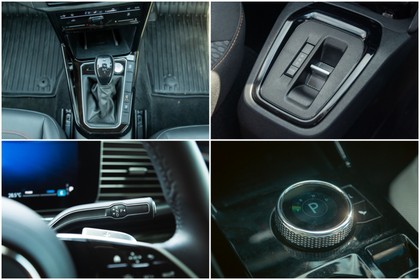
Credit: www.cardekho.com
Basics Of Car Gears
Understanding the basics of car gears is essential for anyone who drives or is learning to drive. Gears in a car control the power and speed that the engine delivers to the wheels. Knowing how they work can improve your driving experience and help you maintain your vehicle better.
Purpose Of Gears
Gears help your car adjust the engine’s power to different driving conditions. When you start moving from a stop, low gears provide more power but less speed. As you pick up speed, higher gears reduce engine strain by allowing the car to move faster with less power.
Think about climbing a steep hill. Without the right gear, your engine might struggle or stall. Using the correct gear keeps your engine running smoothly and saves fuel. Have you ever felt your car lagging? It might be because you’re not in the right gear.
Types Of Gears In Cars
There are several types of gears you’ll encounter in a car:
- Manual Gears:You control when to change gears using the clutch and gear stick.
- Automatic Gears:The car changes gears for you based on speed and engine load.
- Continuously Variable Transmission (CVT):Offers a smooth range of gear ratios without fixed steps, improving fuel efficiency.
- Semi-Automatic Gears:A mix of manual and automatic, allowing gear changes without a clutch pedal.
Each type has its own feel and benefits. For example, manual gears give you more control, which some drivers prefer for a sportier experience. Automatic gears, on the other hand, are easier to use in stop-and-go traffic. Which type suits your driving style better?
Manual Transmission Gears
Manual transmission gears allow drivers to control the power and speed of a car manually. Unlike automatic transmissions, the driver chooses the gear by moving the gear stick. This system gives more control over the vehicle and can improve fuel efficiency and performance.
How Manual Gears Work
Manual gears connect the engine to the wheels through different gear ratios. Each gear ratio changes the engine speed and torque sent to the wheels. Lower gears provide more power but less speed. Higher gears offer more speed but less power.
The clutch plays a key role by disconnecting the engine from the wheels when shifting gears. This prevents damage to the transmission and allows smooth changes between gears.
Gear Shifting Process
Shifting gears in a manual car involves several steps:
- Press the clutch pedal fully to disconnect the engine.
- Move the gear stick to the desired gear position.
- Release the clutch pedal slowly while pressing the accelerator.
This process helps match the engine speed with the wheels. Proper timing and smooth movements make the ride comfortable and protect the car’s transmission.
Automatic Transmission Gears
Automatic transmission gears have transformed how we drive by simplifying gear changes. Unlike manual transmissions, automatic systems handle shifting for you, allowing for a smoother and more convenient ride. Understanding how these gears work can help you appreciate the technology behind your car’s effortless driving experience.
Role Of Automatic Gears
Automatic gears manage the power transfer from the engine to the wheels without any input from the driver. They adjust the gear ratio based on speed, load, and driving conditions. This means you don’t have to worry about shifting gears manually, which can be especially helpful in stop-and-go traffic.
Think about your last drive in heavy traffic. Did you notice how easy it was to focus on the road without constantly using the clutch or shifting gears? That ease comes from the automatic transmission’s ability to choose the right gear for you.
Additionally, automatic gears help improve fuel efficiency by selecting the optimal gear ratio, balancing power and economy. They also reduce wear on the engine and transmission components by preventing improper gear shifts.
Differences From Manual Gears
Manual gears require you to physically change gears using a clutch and gear stick, which demands more skill and attention. Automatic gears remove this need by using a hydraulic system, sensors, and a computer to decide when to shift.
In a manual car, you control the timing and smoothness of each gear change. With an automatic, the system aims to shift at the most efficient moments, but some drivers may feel a slight delay or difference in responsiveness.
Here’s a quick comparison in table form:
| Feature | Manual Gears | Automatic Gears |
|---|---|---|
| Driver Control | Full control over gear changes | System controls gear changes |
| Clutch | Manual clutch operation required | No clutch pedal; automated system |
| Learning Curve | Requires practice and skill | Easy for beginners to use |
| Driving Comfort | More engagement, can be tiring in traffic | Smoother and less demanding |
Have you ever wondered how much energy you spend just managing the gears while driving? Automatics free up your attention, letting you focus more on the road and less on the mechanics of driving.
Gear Ratios And Their Impact
Gear ratios play a crucial role in how your car performs on the road. They determine the relationship between the engine’s speed and the wheels’ speed, directly influencing both acceleration and fuel efficiency. Understanding gear ratios helps you appreciate why your car behaves differently in various gears and how you can use this knowledge to improve your driving experience.
What Gear Ratios Mean
A gear ratio is the ratio between the number of teeth on two gears that are meshed together. It tells you how many times the engine’s crankshaft turns compared to the wheels. For instance, a gear ratio of 4:1 means the engine turns four times for every one turn of the wheels.
Higher gear ratios multiply engine torque, making it easier to start moving or climb hills. Lower gear ratios reduce engine effort at high speeds, helping your car cruise efficiently. Knowing this helps you understand why first gear feels powerful but slow, while fifth or sixth gear feels fast but less forceful.
Effect On Speed And Torque
Gear ratios directly affect your car’s speed and torque—the twisting force that makes the wheels turn. In low gears with high gear ratios, torque increases, giving you strong acceleration but lower top speeds. This is why your car accelerates quickly from a stop in first gear.
As you shift to higher gears with lower gear ratios, torque decreases, allowing the car to reach higher speeds more efficiently. But this means less power is available for quick acceleration or climbing steep slopes. Have you noticed your car struggles on a hill when stuck in a high gear? That’s gear ratio at work.
Choosing the right gear at the right time can improve fuel economy and keep your engine healthy. Next time you drive, try paying attention to how your car responds to different gears and see if you can feel the impact of gear ratios firsthand.
Common Gear Types In Cars
Gears in a car control the power and speed from the engine to the wheels. Common types include manual, automatic, and CVT gears. Each type helps the car move smoothly in different driving conditions.
Understanding the different gear types in cars can enhance your driving experience and deepen your appreciation for automotive engineering. Each gear type plays a unique role in ensuring your vehicle operates smoothly and efficiently. Let’s explore some of the most common gear types you might encounter in your car.Spur Gears
Spur gears are the most straightforward type of gear and are commonly used in car transmissions. They consist of straight teeth mounted on a parallel shaft. Because of their simple design, they are cost-effective and easy to manufacture. However, spur gears can be quite noisy, especially at high speeds. Have you ever noticed that distinctive whirring sound when driving a manual car? That’s often due to spur gears doing their job.Helical Gears
Helical gears are similar to spur gears but with a twist—literally. Their teeth are cut at an angle, which allows for smoother and quieter operation. This makes them ideal for car transmissions where noise reduction is important. The angled teeth engage more gradually than spur gears, distributing load more evenly. This leads to less wear and tear, potentially extending the lifespan of your vehicle’s transmission.Planetary Gears
Planetary gears are a bit more complex but incredibly efficient. They consist of a central ‘sun’ gear, surrounded by ‘planet’ gears, all encased within a ‘ring’ gear. This setup allows for a compact design that can handle high torque. Do you appreciate smooth and seamless gear shifts in an automatic car? That’s often thanks to planetary gears. They provide multiple gear ratios within a small space, making them perfect for automatic transmissions. When you think about these gear types, consider how each affects your driving experience. Do you prefer the simplicity of spur gears or the quiet efficiency of helical gears? Or perhaps the sophisticated design of planetary gears appeals to you. Understanding these can make your next car drive more engaging and insightful.Signs Of Gear Problems
Gear problems in your car can sneak up on you, often starting with subtle signs that are easy to overlook. Recognizing these early warnings can save you from costly repairs and keep your driving smooth and safe. Let’s break down some common symptoms that indicate your gears might be struggling.
Noisy Gears
If you hear grinding, whining, or clunking noises when shifting gears, your transmission could be in trouble. These sounds often mean the gears are not meshing properly, which might be due to worn-out synchronizers or low transmission fluid. Have you noticed any unusual sounds during your last drive? Paying attention to these noises early can prevent bigger issues down the road.
Difficulty Shifting
When your car hesitates or resists changing gears, it’s a clear sign something isn’t right. This can happen in both manual and automatic transmissions, and might feel like the gear lever is stiff or stuck. You might struggle to get into first gear or reverse, or the car may jerk during shifts. Think about how smoothly your gear shifts usually feel—any change there is worth investigating.
Slipping Gears
Slipping happens when the car unexpectedly changes gears or revs higher without acceleration matching your input. This can be dangerous as it reduces control over your speed and power. Slipping often results from worn clutch components or low transmission fluid. Have you felt your car suddenly drop to a lower gear without your command? This issue needs immediate attention to avoid breakdowns.
Maintaining Car Gears
Maintaining your car’s gears is essential to keep your vehicle running smoothly and to avoid costly repairs. Gears work hard every time you drive, shifting power from the engine to the wheels. Taking care of them means paying attention to small details that can prevent big problems down the road.
Regular Gearbox Fluid Checks
Gearbox fluid acts as a lubricant and coolant for your gears. Without enough fluid or with dirty fluid, your gears can wear out faster and cause grinding noises or slipping. Check your gearbox fluid levels regularly, especially if you notice any changes in how your car shifts.
Look for the fluid’s color and smell. Healthy gearbox fluid is usually clear or light red and has a mild scent. Dark, burnt-smelling fluid signals it’s time for a change.
When To Service Gears
Knowing the right time to service your gears can save you from sudden breakdowns. If you feel rough shifting, delays when changing gears, or hear strange noises, don’t ignore these signs. Getting your gears inspected early can catch issues before they worsen.
Most car manufacturers recommend gear servicing every 30,000 to 60,000 miles, but this can vary. Check your owner’s manual and consider your driving habits—stop-and-go city driving may require more frequent service than highway driving.

Credit: www.carsales.com.au
Future Of Car Gears
Gears in a car help control speed and power by changing how the engine’s force moves to the wheels. Future car gears may become smarter and smoother, improving driving comfort and fuel efficiency.
The future of car gears is evolving rapidly. Advancements in technology are reshaping how cars operate. Gears in cars are adapting to new demands and trends. This shift is exciting for both manufacturers and drivers. Understanding these changes is vital for anyone interested in the automotive world.Trends In Gear Technology
Car gears are becoming smarter and more efficient. Automatic transmissions are now more common. They offer smoother rides and better fuel efficiency. Continuously Variable Transmissions (CVT) are gaining popularity. CVTs provide seamless acceleration without traditional gear shifts. Dual-clutch systems are also in demand. They offer quick gear changes for a sportier feel. These trends show a move towards comfort and performance.Impact Of Electric Vehicles
Electric vehicles (EVs) are changing gear dynamics. Many EVs use single-speed transmissions. This is different from traditional multi-gear systems. The torque in EVs makes multiple gears unnecessary. This simplifies the driving experience. Regenerative braking is another feature in EVs. It helps charge the battery while decelerating. These innovations show how EVs are influencing gear systems.
Credit: www.whocanfixmycar.com
Frequently Asked Questions
What Does Gear In A Car Do?
Gear controls the car’s speed and torque by changing engine power. It helps the car move efficiently at different speeds and conditions.
How Many Gears Does A Typical Car Have?
Most cars have 5 to 6 forward gears. Some automatic cars may have more for smoother acceleration and better fuel efficiency.
What Is The Difference Between Manual And Automatic Gears?
Manual gears require the driver to change gears using a clutch. Automatic gears shift themselves based on speed and load, offering ease of driving.
Why Is Gear Shifting Important In Driving?
Proper gear shifting improves fuel efficiency and engine performance. It also prevents engine strain and helps maintain vehicle control.
Conclusion
Gears help control a car’s speed and power. They make driving smoother and safer. Knowing how gears work helps you drive better. Each gear has a special role in the car’s movement. Using the right gear saves fuel and protects the engine.
Understanding gears is useful for every driver. It makes trips easier and more comfortable. Keep learning about your car to enjoy driving more. Gears are simple but very important parts of a car.