
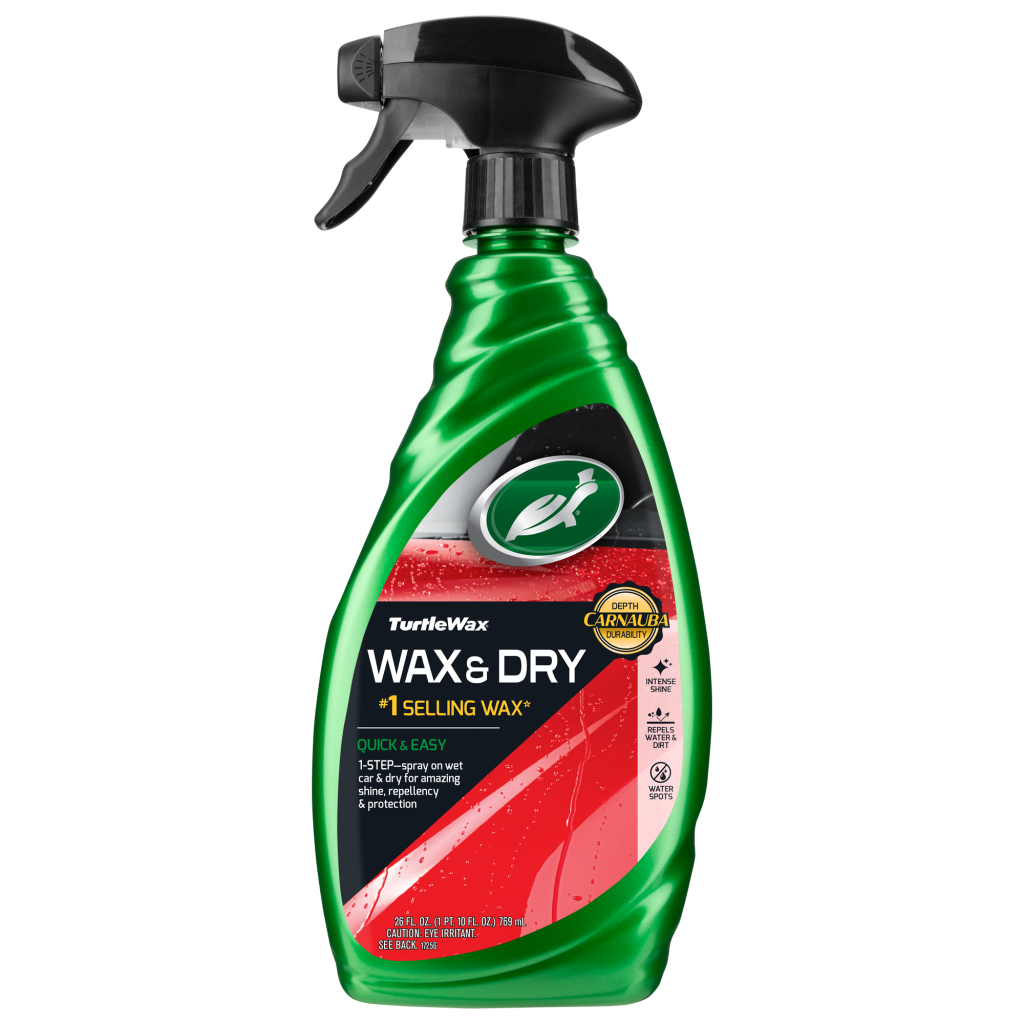
Have you ever noticed that shiny, smooth finish on a car and wondered how it stays that way? That’s where car wax comes in.
But what exactly is car wax, and why should you care about using it on your vehicle? If you want your car to look newer for longer, protect it from damage, and turn heads wherever you go, understanding car wax is the first step.
Keep reading, and you’ll discover how this simple product can make a big difference for your car’s appearance and longevity.

Credit: www.amazon.ca
Types Of Car Wax
Car wax comes in various types, each designed to meet different needs and preferences. Understanding the options helps you protect your car’s paint and keep it looking fresh. Let’s look at the main categories so you can pick the best one for your ride.
Natural Vs Synthetic Waxes
Natural waxes, like carnauba wax, come from the leaves of a Brazilian palm tree. They offer a deep, warm shine that many car enthusiasts love. However, natural waxes tend to wear off faster and may require more frequent application.
Synthetic waxes are made from polymers and offer longer-lasting protection. They often provide a slicker surface and better resistance to weather and contaminants. If you want durability and less maintenance, synthetic wax might be your go-to.
Paste, Liquid, And Spray Forms
Car waxes come in paste, liquid, and spray forms, each with its own advantages. Paste wax is thick and can be a bit harder to apply but usually lasts longer and gives a rich finish.
Liquid wax is easier to spread and works well for beginners or when you want a quicker job. Spray wax is the fastest to apply but usually offers less protection and shine, making it perfect for touch-ups or quick shine boosts.
Choosing The Right Wax For Your Car
Think about your car’s color, your climate, and how much time you want to spend waxing. Dark-colored cars show swirl marks easily, so a softer wax might be better to avoid scratches.
If you live in a harsh climate with lots of rain or sun, synthetic wax can protect your paint better. Also, consider how often you want to wax—if you prefer low maintenance, synthetic liquid waxes or sprays are easier to handle than natural paste waxes.
Benefits Of Using Car Wax
Using car wax offers many benefits for your vehicle’s appearance and protection. It creates a smooth, shiny surface that improves the car’s look. Wax also forms a barrier against harmful elements, keeping the paint safe. Regular waxing helps maintain the car’s value and extends the life of the paint.
Enhancing Shine And Gloss
Car wax adds a deep shine that makes the paint pop. It smooths the surface, reflecting light evenly. This glossy finish gives the car a fresh, new look. The wax fills tiny scratches, making the surface appear flawless.
Protecting Against Uv Rays
Sunlight can fade and damage car paint over time. Wax forms a protective layer that blocks harmful UV rays. This shield prevents the paint from drying out and cracking. It helps keep the color bright and vibrant for longer.
Guarding Against Dirt And Contaminants
Wax creates a barrier that stops dirt and grime from sticking. It makes cleaning easier by repelling water and mud. This protection reduces the risk of stains and corrosion. Your car stays cleaner and looks better between washes.
How To Apply Car Wax
Applying car wax properly can dramatically enhance your vehicle’s shine and protect its paint from the elements. It’s not just about slapping on a layer; the process requires attention and care to get the best results. Let’s break down how you can achieve a smooth, lasting finish on your car with the right steps.
Preparing The Surface
Start with a clean car. Dirt and grime can trap under the wax and damage your paint over time.
Wash your vehicle thoroughly using a car-specific shampoo, then dry it completely. Make sure to work in the shade to avoid the wax drying too fast and leaving streaks.
Check for any surface contaminants by running your hand over the paint. If it feels rough, use a clay bar to remove stubborn particles.
Application Techniques
Use a soft foam or microfiber applicator pad to apply the wax. This helps spread the product evenly without scratching the surface.
Apply a thin, even layer using small circular motions or straight lines, depending on the wax type. Avoid thick coats; less is often more.
Work on one section at a time, such as a door or hood, to ensure the wax doesn’t dry prematurely.
Buffing For A Perfect Finish
Let the wax haze over—usually a few minutes—before buffing it off. The timing varies by product, so check the instructions carefully.
Use a clean, dry microfiber towel to buff the wax. Move in gentle circular motions to bring out that glossy shine.
Double-check your work in natural light to spot any missed areas or streaks, then touch up as needed.
Common Mistakes To Avoid
Applying car wax seems simple, but many make basic mistakes. These errors reduce the wax’s effectiveness and can harm your car’s paint. Avoid these common pitfalls to get the best shine and protection.
Applying Wax On A Dirty Surface
Wax should never go on a dirty car. Dirt and grime trap under the wax. This causes scratches and dulls the paint. Always wash and dry your car before waxing. Clean surfaces help the wax bond properly and last longer.
Using Too Much Wax
More wax does not mean better protection. Using too much wax creates a thick layer that is hard to remove. It leaves streaks and a cloudy finish. Apply a thin, even coat. This allows the wax to cure and shine effectively.
Waxing In Direct Sunlight
Waxing under the hot sun causes problems. The wax dries too fast and becomes difficult to spread. This results in uneven coverage and streaks. Work in the shade or a cool area. This ensures smooth application and a flawless finish.
Frequency Of Waxing
Car wax provides a protective layer on your vehicle’s surface, enhancing shine and guarding against damage. Regular waxing every three months is ideal for maintaining this protective barrier. This routine helps in preserving the car’s paint, ensuring it remains glossy and appealing.
The frequency of waxing your car is a pivotal part of maintaining its shine and protecting the paintwork. Regular waxing not only enhances the vehicle’s appearance but also shields it from harsh elements. But how often should you wax your car? The answer can vary based on several factors.Factors Affecting Wax Longevity
The durability of car wax depends on multiple elements. Climate plays a crucial role; cars in sunny or salty environments may need more frequent waxing. The type of wax you choose also matters—synthetic waxes often last longer than natural ones. Your driving habits can impact wax longevity too. Frequent driving exposes your car to dirt and pollutants, wearing down the protective layer faster.Recommended Waxing Schedules
As a rule of thumb, waxing every three months is a good starting point. However, some circumstances might require adjustments. – Synthetic waxes: Typically last up to six months. – Natural waxes: Usually need reapplication every two to three months. – Climate considerations: In harsher climates, consider waxing every two months. Listen to your car’s needs. It’s not just about the calendar.Signs It’s Time To Reapply
Your car will tell you when it needs waxing. Look for signs like water not beading on the surface after a rainstorm. This indicates the wax layer is wearing thin. Another sign is a dull appearance or rough texture to the touch. If your car’s paint feels less smooth, it might be time for a fresh coat. Is the paint starting to fade? It’s a clear signal to break out the wax. Being proactive can prolong your car’s life and keep it looking its best.
Credit: padetailing.ca
Car Wax Vs Sealant Vs Ceramic Coating
Choosing the right product to protect your car’s paint can be tricky. Car wax, sealant, and ceramic coating all offer different benefits. Understanding their differences helps you pick the best option for your needs.
Differences In Protection Levels
Car wax provides a natural shine and basic protection. It shields against dust and light rain but wears off quickly. Sealants create a synthetic barrier that resists water and dirt better than wax. Ceramic coatings form a hard, durable layer. They protect against scratches, UV rays, and chemicals more effectively.
Durability And Maintenance
Wax lasts about 2 to 4 weeks and needs frequent reapplication. Sealants can last 4 to 6 months with proper care. Ceramic coatings offer protection for years but require professional application. Maintenance for wax and sealants is simple with regular washing. Ceramic coatings need special cleaning products to keep their strength.
Which One Suits Your Needs
- Choose car wax if you want a quick, easy shine and don’t mind frequent reapplication.
- Sealants suit those who want longer protection and easier upkeep.
- Ceramic coatings are ideal for people who want strong, long-term defense and are ready to invest more time and money.
Tips For Maintaining Your Car’s Shine
Maintaining your car’s shine takes more than just applying wax. Proper care helps keep the glossy look longer. Small habits protect the wax and the paint underneath. Follow simple tips to enjoy a bright, smooth finish every day.
Regular Washing Techniques
Wash your car often to remove dirt and dust that dull the shine. Use a soft sponge or microfiber cloth to avoid scratches. Rinse thoroughly with clean water before washing to remove loose debris. Use two buckets: one for soapy water and one for rinsing the sponge. This method reduces dirt transfer and keeps the surface safe.
Avoiding Harsh Chemicals
Choose gentle car wash soaps instead of household cleaners. Harsh chemicals can strip wax and damage paint. Avoid ammonia, bleach, and strong detergents. These substances break down wax layers and cause fading. Always check product labels for car-safe ingredients. Protect your car’s surface by selecting the right cleaning agents.
Using Quick Detailers Between Waxes
Quick detailers refresh your car’s shine between waxing sessions. Spray a small amount and wipe with a clean microfiber cloth. This removes light dust and fingerprints without stripping wax. Quick detailers add a smooth, glossy layer that enhances the finish. Use them regularly to keep your car looking freshly polished.
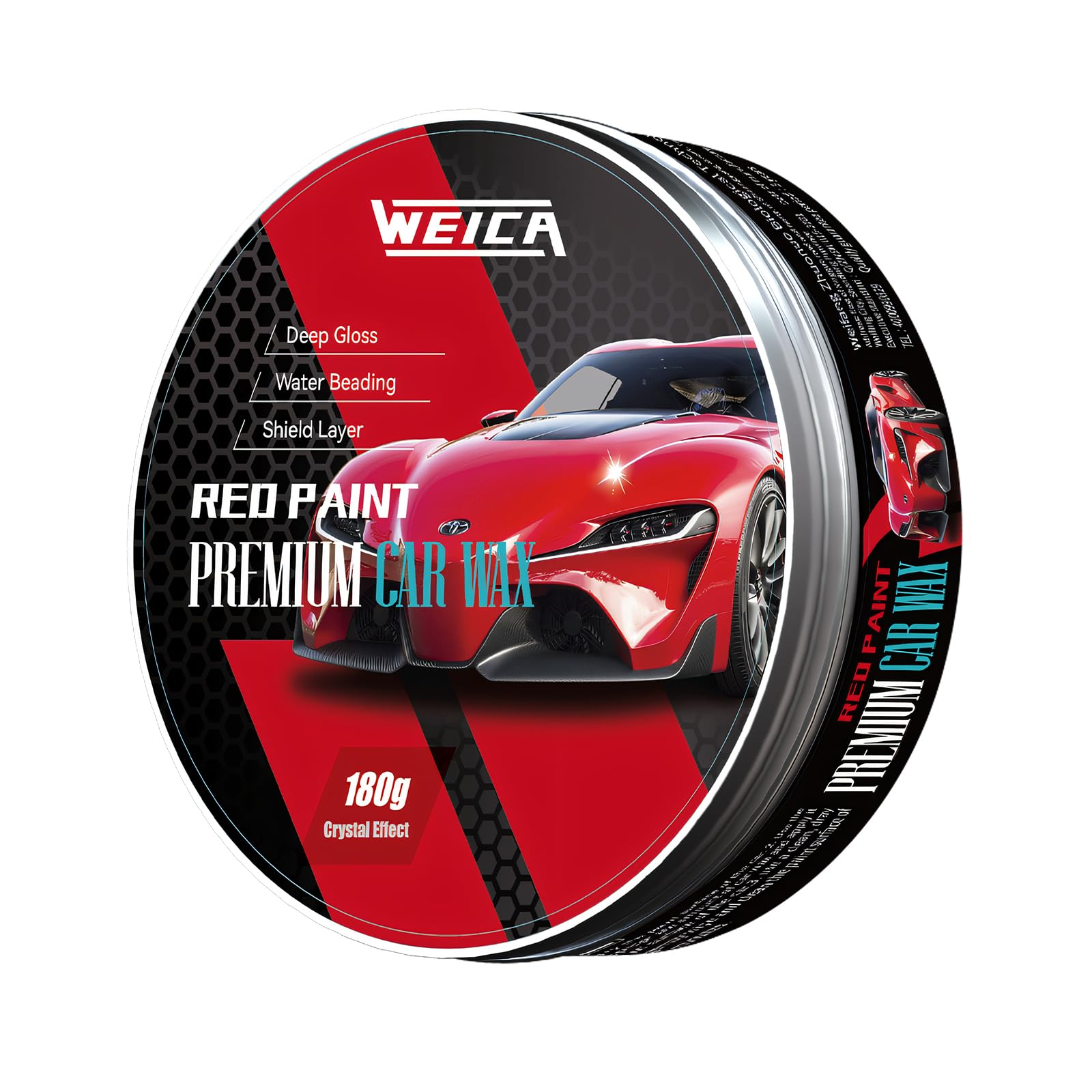
Credit: www.amazon.ca
Frequently Asked Questions
What Is Car Wax Used For?
Car wax protects your vehicle’s paint from dirt, UV rays, and moisture. It enhances shine and prevents damage.
How Often Should I Apply Car Wax?
Apply car wax every 3 to 4 months for optimal protection and shine. Frequency depends on weather and usage.
Can Car Wax Remove Scratches?
Car wax can hide minor scratches but does not remove deep scratches. Use polishing compounds for better results.
Is Car Wax Safe For All Car Paints?
Most car waxes are safe for all paint types, but always check product instructions before use.
Conclusion
Car wax protects your car’s paint from dirt and damage. It adds a shiny, smooth finish that looks great. Applying wax regularly keeps your car looking fresh and clean. It also helps water slide off the surface easily. Waxing is simple and does not take much time.
It is a smart step in car care. Taking care of your car’s paint can save money later. Try waxing your car to see the difference yourself. A little effort goes a long way in keeping your car nice.