

Have you ever wondered why some cars shine like new, even after years on the road? The secret often lies in car polish.
But what exactly is car polish, and how can it make your vehicle look better than ever? If you want your car’s paint to sparkle, protect it from damage, and turn heads wherever you go, understanding car polish is a must.
Keep reading, and you’ll discover how this simple product can transform your car’s appearance and keep it looking fresh for longer.

Credit: www.amazon.com
What Car Polish Does
Understanding what car polish does can change how you care for your vehicle. It’s more than just making your car look good—it works on multiple levels to improve and protect your paint. Let’s break down the key benefits of using car polish and how it helps your car shine and stay protected.
Enhancing Paint Shine
Car polish brings out the true depth and gloss of your paint. It smooths the surface, allowing light to reflect evenly. You’ll notice your car looks fresher and more vibrant right after polishing.
Think about a time you polished your car and saw that mirror-like finish—didn’t it feel like your car just got a new life? That shine isn’t just for show; it highlights the quality of your paint job and keeps your car looking newer for longer.
Removing Surface Imperfections
Polish gently removes tiny scratches, swirl marks, and oxidation from your paint’s surface. It works by lightly abrading the top layer, smoothing out rough spots and blemishes. This process restores clarity and reduces dullness.
If you’ve ever noticed those annoying swirl marks after washing your car, polishing can significantly reduce their appearance. It’s like giving your paint a mild correction without using harsh methods.
Protecting The Paint Layer
Many car polishes include ingredients that create a protective barrier on your paint. This layer helps guard against dirt, UV rays, and environmental pollutants. It’s an extra shield that keeps your paint healthier between washes.
Have you ever wondered why some cars maintain their gloss despite harsh weather? Regular polishing builds up this protective layer, making your paint more resistant to damage. It’s a simple step that pays off in long-term paint preservation.
Types Of Car Polish
Choosing the right type of car polish can make a huge difference in how your vehicle looks and feels after every wash. Polishes serve different purposes depending on the condition of your car’s paint and the results you want to achieve. Understanding the main types of car polish helps you pick the perfect one for your needs.
Abrasive Polishes
Abrasive polishes contain tiny particles designed to remove scratches, oxidation, and imperfections from your car’s paint. They work by gently sanding the surface to restore a smooth, even finish. If your car has visible swirl marks or dull spots, an abrasive polish might be exactly what you need to bring back the shine.
Keep in mind that abrasive polishes should be used carefully, as too much sanding can wear down the paint. I once used a strong abrasive polish on my older car and saw immediate improvement, but I had to follow up with a gentler product to protect the paint afterward. Do you know how deep the scratches on your car are? That will determine the polish type you should choose.
Non-abrasive Polishes
Non-abrasive polishes focus on enhancing shine without removing any paint. They add a smooth layer that makes your car look glossy and fresh. These polishes are perfect if your paint is in good condition but needs a quick boost.
Non-abrasive polishes are easy to apply and safe for frequent use. I use them regularly on my daily driver to maintain a clean, bright surface without worrying about damaging the paint. Would you prefer a quick shine or a deep paint correction? That question helps you decide between abrasive and non-abrasive options.
Glaze And Sealants
Glazes are designed to fill in tiny imperfections and create a rich, deep shine that lasts longer than a basic polish. They don’t remove paint defects but mask them temporarily. Sealants, on the other hand, form a protective layer that guards your paint from dirt, water, and UV rays.
Many car enthusiasts use glaze and sealants after polishing to lock in the finish and extend the life of their work. I apply a glaze after polishing and finish with a sealant for extra protection during harsh weather. Have you thought about how long you want your car’s shine to last? Using glaze and sealants can help you keep that showroom look for weeks or months.
Choosing The Right Polish
Choosing the right car polish makes a big difference in your vehicle’s look. The right polish protects the paint and brings out a shine. Different polishes work best for different paint conditions and types. Picking the correct polish also depends on how you plan to apply it. Let’s explore how to select the best polish for your car.
Assessing Paint Condition
Check your car’s paint carefully. Look for scratches, swirl marks, or dull areas. A deep polish suits rough or damaged paint. For smooth, new paint, a light polish works better. Knowing the paint condition helps avoid damage and gets the best results.
Matching Polish To Paint Type
Cars have different paint finishes, like metallic or matte. Each needs a special kind of polish. Use polish made for your paint type. For example, choose non-abrasive polish for matte finishes. This keeps the paint safe and keeps the shine strong.
Considering Application Tools
How you apply polish affects the choice. Polishes for hand application are softer and easy to spread. Machine polishes are stronger and need specific formulas. Pick polish that works with your tools. This saves time and gives a smooth finish.

Credit: monsterdetailing.com
How To Apply Car Polish
Applying car polish improves your vehicle’s shine and protects its paint. It smooths out minor scratches and restores the surface’s glow. The process is simple but requires some care and patience. Follow these steps for the best results.
Preparing The Surface
Wash your car thoroughly to remove dirt and grime. Use a gentle car shampoo and rinse well. Dry the surface with a clean microfiber cloth. Check for any stubborn stains or tar spots. Remove them with a clay bar or a specialized cleaner. Make sure the surface is completely dry before polishing.
Hand Vs. Machine Application
Hand polishing is easy and requires little equipment. It works well for small areas or light polishing. Use a soft foam or microfiber applicator pad. Apply polish in small, circular motions.
Machine polishing uses a rotary or dual-action polisher. It saves time and offers a more even finish. Best for larger areas or heavy oxidation. Requires more skill to avoid paint damage. Always use the correct pad and speed settings.
Step-by-step Polishing Process
- Apply a small amount of polish to the applicator pad.
- Work on one section at a time, about 2×2 feet.
- Spread the polish evenly over the area in circular motions.
- Buff the polish gently until it starts to haze.
- Use a clean microfiber cloth to wipe off residue.
- Inspect the surface under good light to check shine and smoothness.
- Repeat if needed for better results, but avoid over-polishing.
- Finish by applying a wax or sealant for protection.
Benefits Of Regular Polishing
Car polish enhances your vehicle’s shine and removes minor scratches. It protects the paint, extending its life. Regular polishing maintains your car’s aesthetic appeal and increases its resale value.
Regular car polishing offers numerous benefits for vehicle owners. It enhances the car’s appearance and preserves its condition. Consistent polishing can lead to long-term value retention. Let’s explore the key benefits of regular polishing.Maintaining Paint Gloss
Polishing keeps the car’s paint shiny and vibrant. It removes surface imperfections like minor scratches and swirl marks. This process brings back the car’s original luster. A glossy finish makes the vehicle look fresh and new. Regular polishing helps the paint reflect light beautifully.Extending Paint Lifespan
Car polish acts as a protective layer. It shields the paint from harmful elements such as UV rays, dirt, and pollutants. This protection prevents fading and oxidation. Regular polishing ensures the paint remains intact for longer periods. It reduces the need for frequent repainting.Increasing Resale Value
A well-maintained car attracts more buyers. Polishing enhances the vehicle’s overall appeal. Buyers are willing to pay more for a car that looks well cared for. A shiny, polished car often suggests good maintenance. It can significantly boost the car’s resale value.Common Mistakes To Avoid
Car polishing can improve your vehicle’s look and protect its paint. Many make common mistakes that harm the finish or waste effort. Avoid these errors to keep your car shiny and safe.
Over-polishing Risks
Polishing too often removes too much paint. Thin paint can crack or peel. Over-polishing also creates uneven shine. It weakens the surface protection, inviting damage. Stick to recommended polishing intervals. Less is more for lasting results.
Using Wrong Products
Not all polishes suit every car paint. Harsh formulas can dull or scratch the surface. Avoid products with strong abrasives on delicate finishes. Choose polish designed for your car’s paint type. Read labels carefully before buying. Proper products give better shine and safety.
Ignoring Surface Preparation
Polishing dirty or dusty surfaces causes scratches. Always wash and dry the car first. Remove tar, bugs, and grime before starting. Use a clay bar for stubborn contaminants. Clean surfaces let polish work smoothly. Skipping prep wastes polish and risks damage.
Polish Vs. Wax
Car polish and wax are two common products used to care for a vehicle’s paint. Both improve the car’s look but serve different purposes. Understanding the differences helps to choose the right product for your car’s needs.
Differences In Function
Polish removes small scratches, swirl marks, and oxidation from the paint surface. It smooths the paint and restores its shine. Wax, on the other hand, creates a protective layer over the paint. It protects the surface from dirt, water, and UV rays. Polish focuses on correction; wax focuses on protection.
When To Use Each
Use polish when the paint looks dull or has minor damage. It is best before applying wax to prepare the surface. Wax is ideal after polishing to seal and protect the paint. Wax can also be used alone on well-maintained paint for added shine and defense.
Combining Polish And Wax
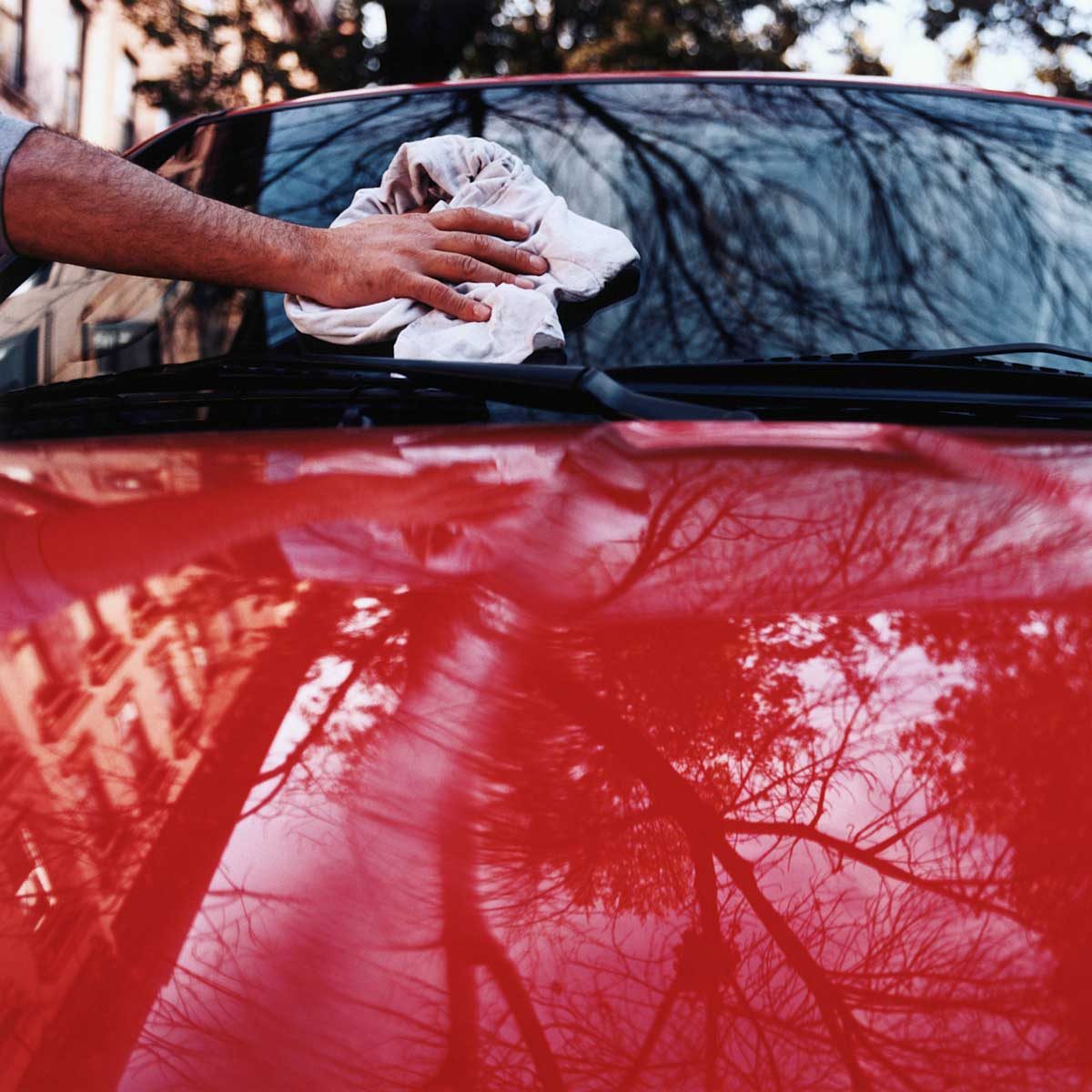
Polish and wax work well together. First, polish to fix imperfections and enhance gloss. Then apply wax to protect the polished surface and extend shine. This combination keeps the car looking fresh and guards the paint for longer.
Credit: www.familyhandyman.com
Frequently Asked Questions
What Is Car Polish Used For?
Car polish removes surface imperfections and restores shine. It smooths the paint by eliminating minor scratches and oxidation. Polishing enhances the car’s appearance and prepares it for waxing or sealing.
How Often Should You Polish Your Car?
Polish your car 2-3 times a year. Frequent polishing can wear down the paint. Regular polishing maintains the paint’s clarity and gloss effectively.
Can Car Polish Remove Scratches?
Car polish can reduce light surface scratches and swirl marks. It smooths the paint surface but won’t fix deep scratches. For deep scratches, professional repair or touch-up paint is needed.
Is Car Polish Different From Wax?
Yes, polish removes imperfections and cleans the paint. Wax protects the paint by adding a protective layer. Polishing prepares the surface for waxing or sealing.
Conclusion
Car polish helps keep your car’s paint smooth and shiny. It removes small scratches and dirt that washing misses. Using polish can protect your car from damage caused by sun and dust. Regular polishing keeps your vehicle looking fresh and new.
It also makes washing easier and faster. Simple to use and effective, car polish is a smart choice for car care. Taking time to polish can save money on repairs later. A clean, shiny car always feels better to drive.